

In this article6 sections
Payola and Grammy voting controversies sit at the intersection of two different music-industry scandals that social media routinely conflates: labels and promoters paying radio stations for airplay — a documented FCC-enforced crime with congressional hearings dating to 1959–1960 — versus Recording Academy peer ballots, genre review committees, and General Field snubs that look rigged on Twitter but trace to eligibility rules, category placement, and split votes among roughly 13,000 voting members. Payola shaped who heard which singles on AM radio in the Alan Freed era; Grammy controversies shape who wins golden gramophones on CBS each February. They are not the same mechanism, yet both fuel “the system is bought” narratives every awards season. This explainer maps payola history from the 1950s broadcast scandals through modern streaming-playlist scrutiny, then walks through Grammy voting controversies — secret nomination review committees, genre snubs, commercial-versus-artistic merit fights, and post-2021 reforms — using reporting from Variety, The Hollywood Reporter, and Recording Academy rulebooks.
If you want ballot mechanics first, read are award shows rigged how voting works for the cross-ceremony fraud-myth map, then how are Grammy winners chosen voting for committee screening and Big Four final rounds. Pair those with Grammy categories explained full guide, what is the big four Grammy awards, and Grammys most shocking moments history for ceremony context when payola and Grammy voting controversies spike each January.
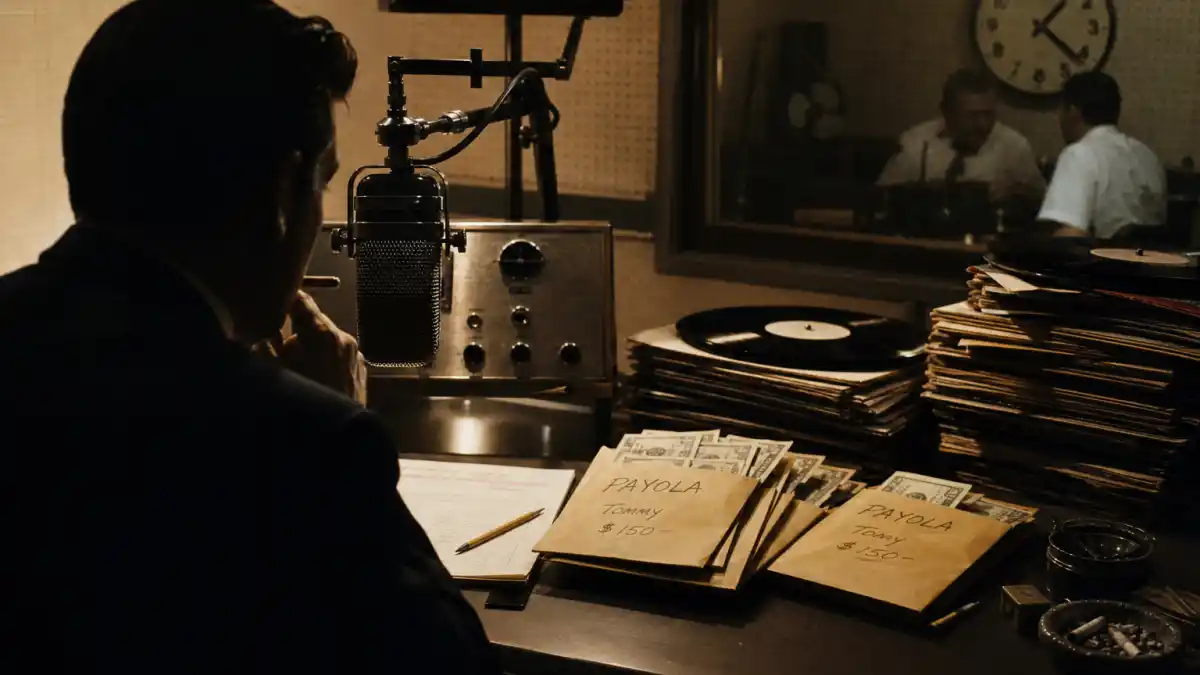
Payola and Grammy Voting Controversies: What Payola Actually Means
Payola — from “pay” plus “Victrola” — describes record labels, distributors, or independent promoters compensating radio programmers for airplay without disclosure to listeners. The practice predates rock and roll, but the modern scandal crystallized in the late 1950s when disc jockeys including Alan Freed faced congressional scrutiny for accepting cash and gifts to spin certain singles. The U.S. House of Representatives held payola hearings in 1959–1960; DJ Dick Clark testified while divesting music-industry holdings, and Freed’s career collapsed — he was fired by WABC in 1962 and pleaded guilty to commercial bribery charges in 1962. Congress amended the Communications Act; the FCC required on-air disclosure of pay-for-play arrangements and still enforces anti-payola rules against stations and promoters.
Crucially for payola and Grammy voting controversies discourse: payola governs radio promotion, not Recording Academy tabulation. No major investigation has documented cash-for-Grammy-ballot exchanges inside Academy vote counting. When fans conflate the two, they usually mean that radio hits feel “fixed” and Grammy snubs feel “fixed” for the same reason — industry power — not because the same bribe pipeline runs from Clear Channel to Crypto.com Arena. Modern payola analogues include alleged streaming playlist manipulation and “independent promoter” middlemen, but those remain separate from peer voting detailed in our how are Grammy winners chosen voting guide.
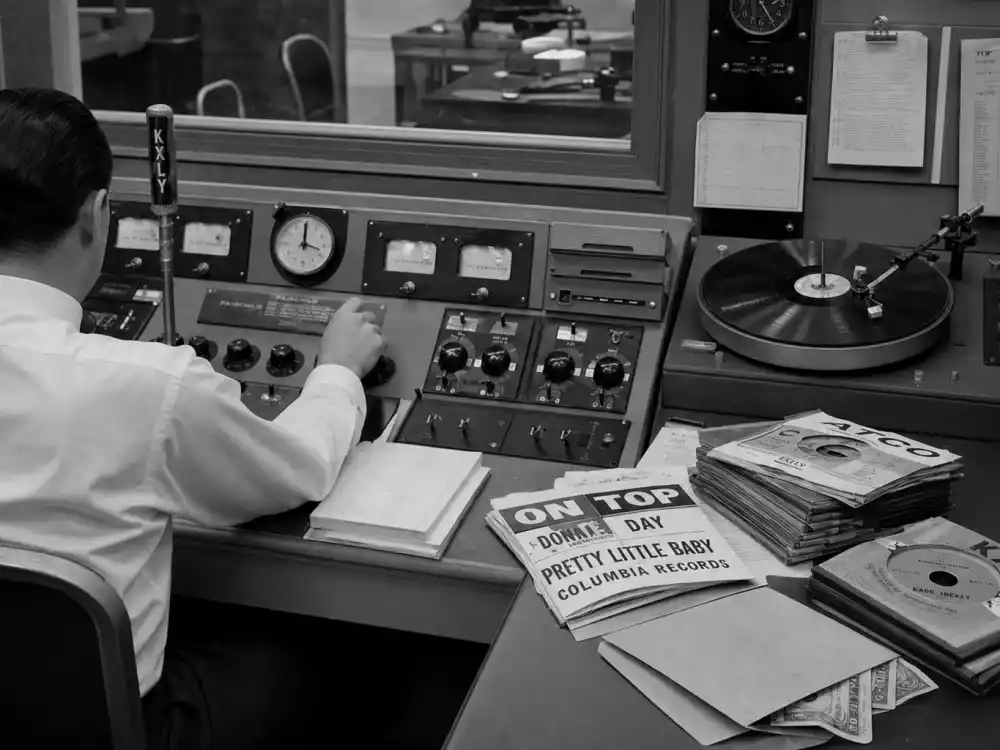
From Congressional Hearings to FCC Enforcement
The 1959–1960 payola hearings transformed U.S. radio economics. Before reform, local DJs controlled most playlists; after reform, program directors centralized decisions and labels routed promotion through more traceable — if still opaque — channels. The FCC’s anti-payola policy treats undisclosed compensation for broadcast airplay as illegal; disclosed sponsorship follows different rules. Variety and trade archives document recurring sting operations and settlements across decades, including 2000s investigations into independent promoters and major-label slush funds.
Understanding this timeline prevents lazy payola and Grammy voting controversies headlines that treat every chart-topping single as proof Grammy voters were paid. Radio airplay builds commercial momentum that Academy members notice — campaign advantage, not ballot purchase. See are award shows rigged how voting works for the campaigning-versus-rigging distinction across Oscars and Grammys alike.
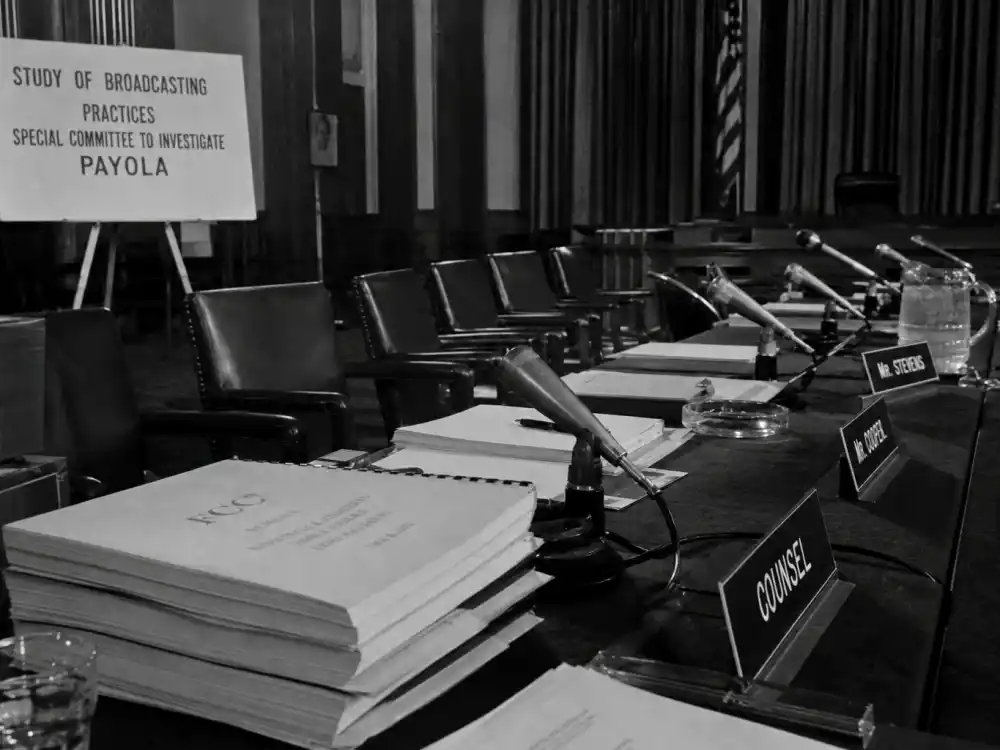
Grammy Secret Committees and Nomination Review
Recording Academy voting controversies intensified around nomination review committees — small peer groups that screen entries in specialized genre fields before finalists reach the wider membership ballot. The Academy has repeatedly reformed committee size, conflict-of-interest rules, and transparency after critics labeled the rooms “secret” clubs that freeze out rap, R&B, and global artists from the General Field. The Weeknd’s zero nominations for the 63rd Grammys in 2021 — despite After Hours and “Blinding Lights” dominating charts — became the emblematic snub: Recording Academy leadership cited eligibility and committee decisions, while the artist called the process opaque on social media.
Committee cuts explain most viral payola and Grammy voting controversies that are not payola at all. A track can lead Spotify while failing a genre committee threshold or landing in the wrong field — rap versus pop versus global — splitting votes across categories documented in our Grammy categories explained full guide. Post-2021 reforms added diversity goals, reduced committee influence in some fields, and expanded membership — yet every January still produces “#GrammysSo” hashtags. Peer mechanics, not radio bribes, drive those outcomes.
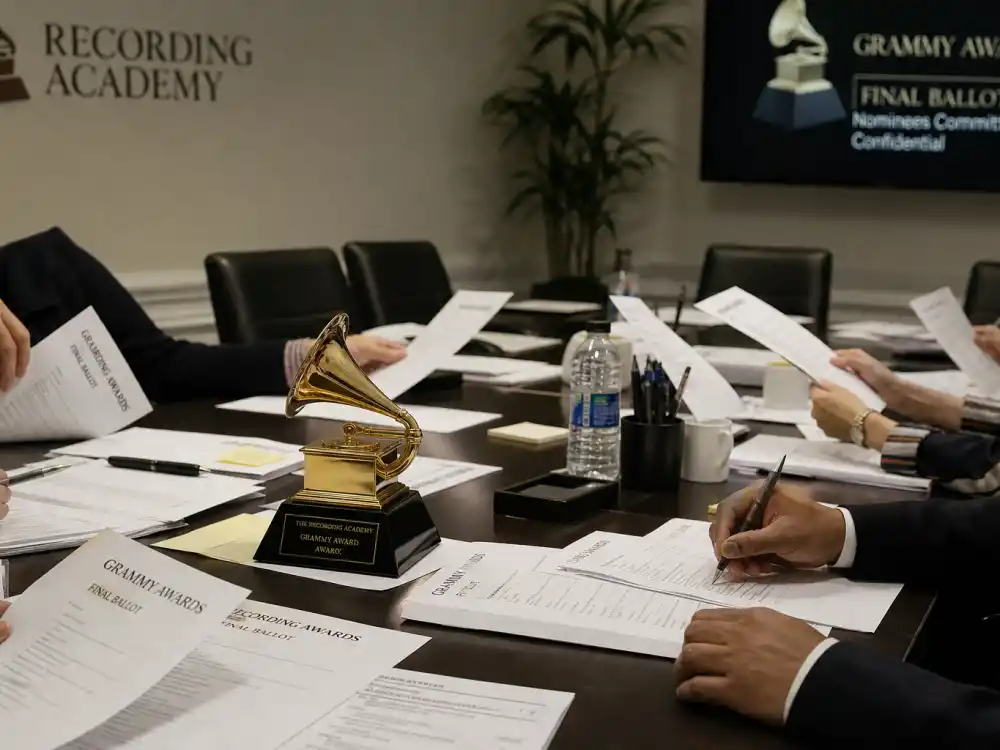
Genre Snubs and Category Placement Fights
Genre snubs are the annual fuel for payola and Grammy voting controversies because the Recording Academy maintains more than ninety categories while casual viewers watch only the Big Four televised prizes. An artist can sweep rap field categories yet miss Album of the Year when the full membership splits across rock, country, pop, and global voters — a pattern analyzed in what is the big four Grammy awards and celebrity award show snubs controversial. Kendrick Lamar’s historic 2026 Record of the Year win with SZA for “Luther” at the 68th Grammys on February 1, 2026, followed years of debate about rap artists underrepresented in the General Field — controversy without any payola proof.
Category placement disputes — whether Beyoncé’s work competed in pop versus R&B, whether Taylor Swift’s versions qualify in specific fields, whether global albums face English-language bias — produce legitimate fairness arguments inside peer voting, not criminal payola cases. When trade press documents snubs, the cause is usually architecture: who votes, which round, which threshold. Link Grammys most shocking moments history for televised upsets that outlive their voting math.
Commercial Hits Versus Artistic Merit Debates
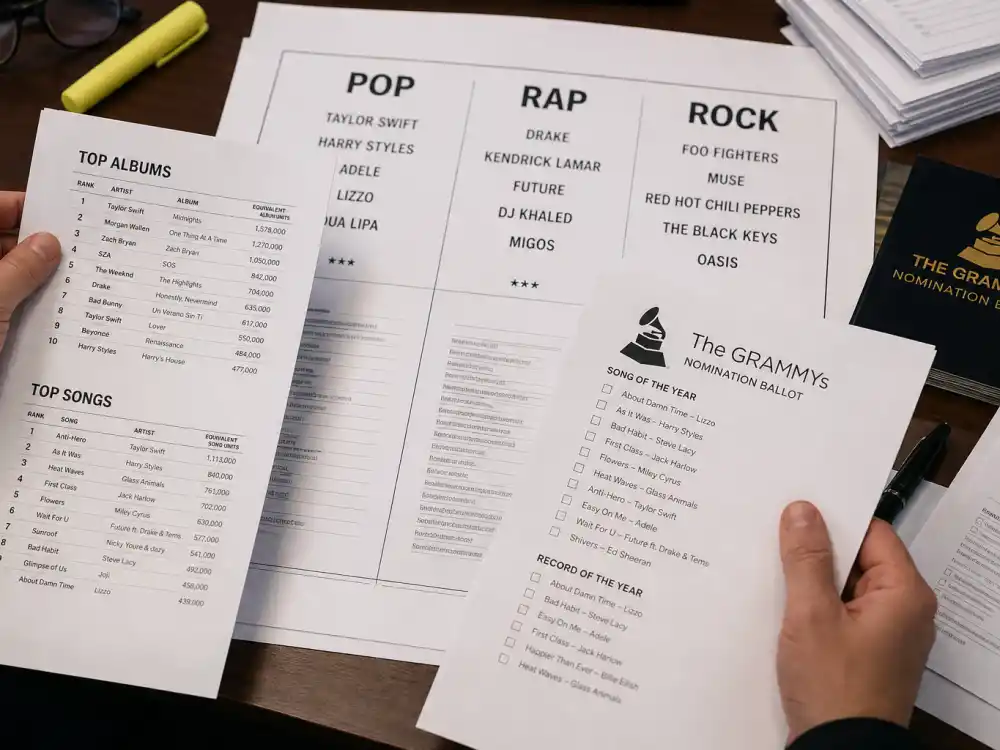
The commercial-versus-artistic thread runs through every payola and Grammy voting controversies cycle: chart dominance and radio payola-era promotion built the myth that sales equal merit, while Academy voters historically rewarded craft, jazz lineage, and singer-songwriter credibility over pure Billboard muscle. Classic rock fans still cite Led Zeppelin’s long Grammy drought; hip-hop historians cite decades before rap Album of the Year wins; country purists cite pop crossover nominees. None required illegal payments — they required understanding that 13,000 peers do not mirror Spotify’s algorithm.
Streaming flattened radio gatekeepers but intensified perception problems: if everyone streams the same album, a Grammy snub feels like theft. Recording Academy leadership has responded with membership drives, genre expansion, and telecast reforms — including Trevor Noah’s final CBS hosting cycle at the 68th Grammys in 2026 — without eliminating merit debates. Payola history explains how singles became hits; Grammy voting explains how hits become trophies — related industries, different ballots. Our are award shows rigged how voting works article maps both without conflating them.
Explore More Grammy and Voting Coverage
- Voting mechanics: are award shows rigged how voting works, how are Grammy winners chosen voting.
- Category guides: Grammy categories explained full guide, what is the big four Grammy awards.
- Snubs and shocks: celebrity award show snubs controversial, Grammys most shocking moments history.
- Archive: Awards category on USA Celebs.