

In this article8 sections
- OscarsSoWhite Controversy Explained: April Reign and the 2015 Hashtag
- 2016: The Second All-White Slate and the Boycott Wave
- Chris Rock, the 88th Oscars Telecast, and On-Stage Accountability
- Academy Reforms: Membership, Aperture, and Public Commitments
- Aftermath Through the 2020s: Wins, Resurgence, and Unfinished Debates
- Why OscarsSoWhite Still Matters for Awards Coverage
- Quick Reference: OscarsSoWhite Timeline
- Explore More Awards Coverage
OscarsSoWhite controversy explained begins with a hashtag that turned two consecutive all-white Oscar acting slates into a referendum on Hollywood power — and forced the Academy of Motion Picture Arts and Sciences to rewrite membership rules in public. Campaign consultant April Reign created #OscarsSoWhite on January 15, 2015, minutes after the 87th Academy Awards nominations announced twenty acting nominees and zero performers of color for films released in 2014. When the 88th Oscars repeated the shutout on January 14, 2016, the phrase became a movement: stars boycotted the telecast, Chris Rock addressed the scandal in his opening monologue, and Academy president Cheryl Boone Isaacs pledged sweeping voter diversification. This timeline-verified explainer maps the 2015–2016 flashpoint through Academy Aperture reforms and 2020s backlash cycles using AMPAS announcements, Variety, The Hollywood Reporter, and Deadline reporting — not red-carpet outfit breakdowns (Pillar F owns fashion analysis). Cross-link to our guides on celebrities who boycotted award shows (#156), biggest Oscar snubs of all time, are award shows rigged how voting works, celebrity award show snubs controversial, and Golden Globes vs Oscars difference explained for boycott cases, snub rankings, and voting-structure context.
We verify every date below against official nomination announcements and ceremony calendars. The OscarsSoWhite controversy explained frame covers the hashtag’s origin, the 2016 boycott wave, AMPAS reform milestones, post-reform wins like Moonlight and Parasite, and why the critique resurfaced whenever later slates looked homogenous.
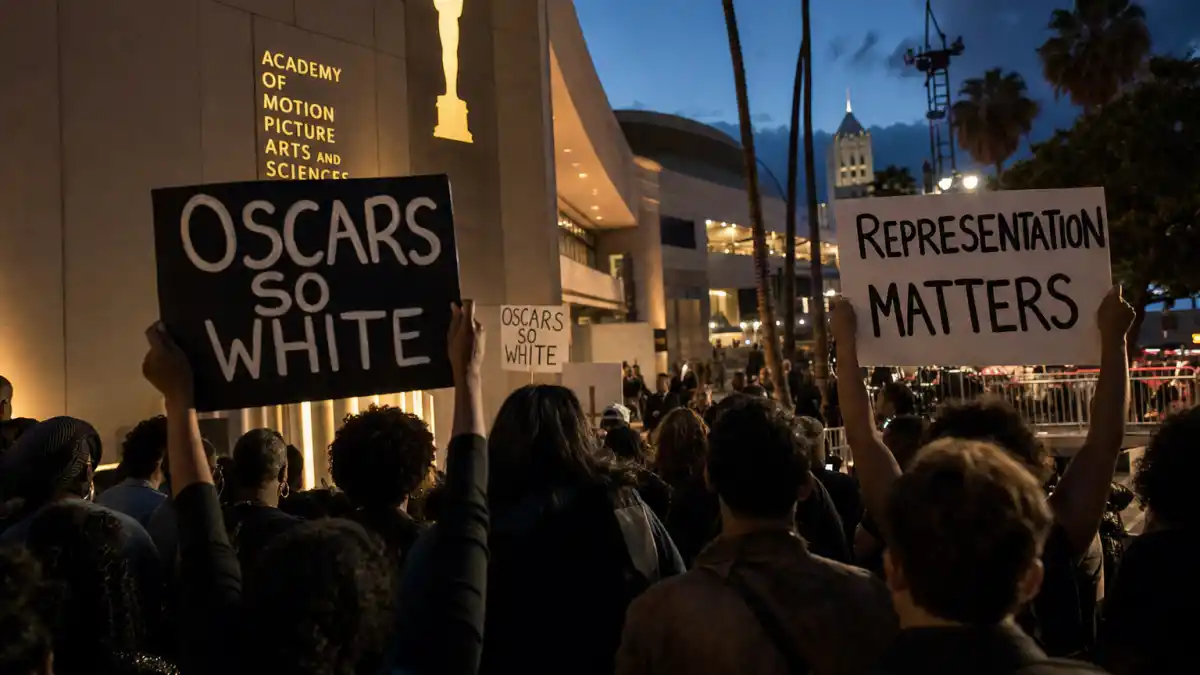
OscarsSoWhite Controversy Explained: April Reign and the 2015 Hashtag
The OscarsSoWhite controversy explained origin story is precise. On January 15, 2015, Reign — then managing editor at BroadwayBlack.com and a campaign consultant — tweeted #OscarsSoWhite after AMPAS announced acting nominees for the 87th Academy Awards (ceremony February 22, 2015). Every nominee in the four acting categories was white despite acclaimed performances from actors of color in films such as Selma, Get On Up, and No Good Deed. Reign told The Washington Post she expected a few retweets; instead the hashtag trended globally and reframed Oscar morning from celebration to accountability.
Reign did not invent the underlying grievance. Historically white-dominated slates had prompted criticism for decades — see our biggest Oscar snubs of all time guide for shutout cases that fueled anger before social media. What changed in 2015 was velocity: a single phrase could organize journalists, activists, and industry workers within hours. By Oscar night 2015, red-carpet questions already referenced representation, setting up the far louder 2016 cycle.
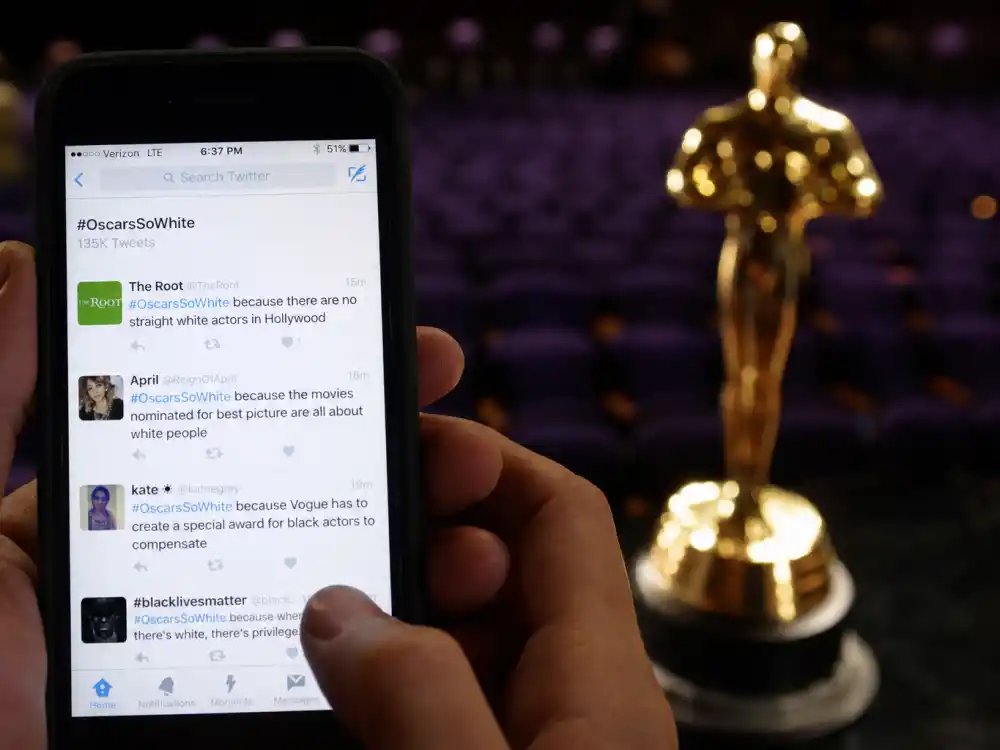
2016: The Second All-White Slate and the Boycott Wave
The OscarsSoWhite controversy explained peak arrived January 14, 2016, when the 88th Academy Awards nominations again produced an all-white acting field for 2015 films. Performances such as Will Smith in Concussion, Idris Elba in Beasts of No Nation, and the ensemble of Straight Outta Compton were shut out of acting categories while earning attention elsewhere — fueling the perception that voters rewarded familiar names in prestige biopics over Black-led stories.
Industry response escalated into documented boycotts covered in our celebrities who boycotted award shows guide:
- Spike Lee told Variety on January 18, 2016, he would not attend the February 28 ceremony despite receiving an honorary Oscar that season.
- Jada Pinkett Smith posted a video January 16 announcing she would not attend or watch the telecast, urging investment in independent Black institutions.
- Will Smith, nominated for Best Actor, skipped the show and lost to Leonardo DiCaprio for The Revenant.
The boycotts did not empty the Dolby Theatre, but they dominated pre-show coverage and forced AMPAS into crisis communications mode. For how Oscar voting structure shapes outcomes — separate from boycott tactics — see are award shows rigged how voting works.
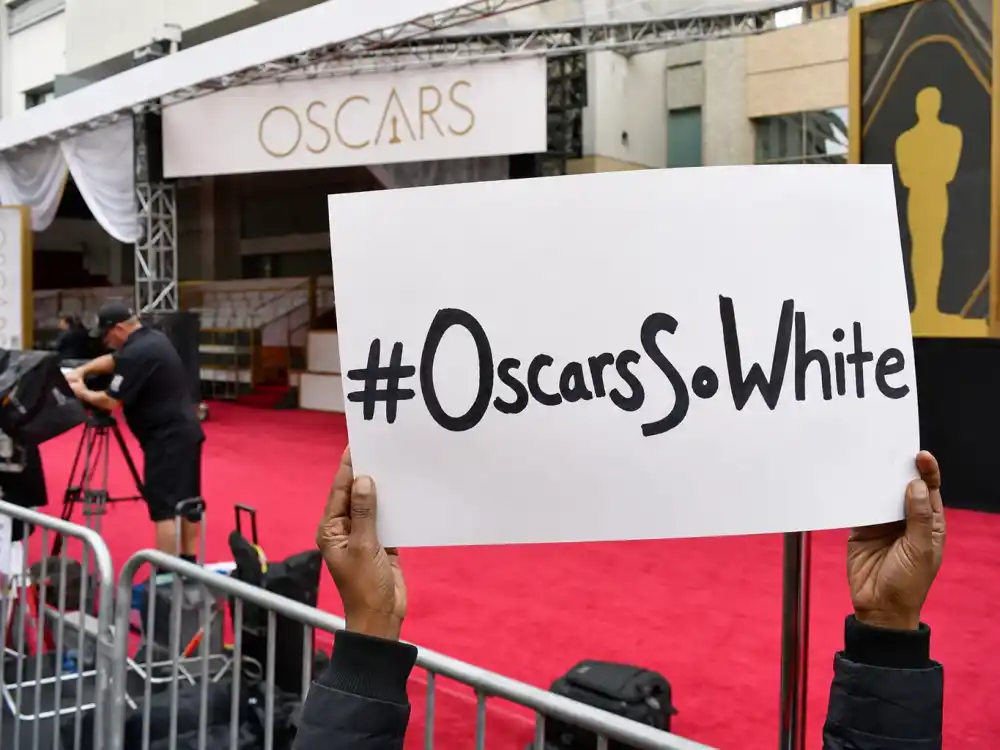
Chris Rock, the 88th Oscars Telecast, and On-Stage Accountability
Host Chris Rock addressed the OscarsSoWhite controversy explained narrative directly during the February 28, 2016 telecast on ABC. His opening monologue mixed sharp jokes about the homogenous nominee class with sober commentary on Hollywood hiring and Academy membership demographics. Producers paired the monologue with segments featuring African American leaders discussing inclusion — a programming choice that acknowledged the boycott pressure without replacing structural reform.
Rock’s hosting mattered because Oscar ceremonies sell legitimacy. When the host names the controversy in the first minutes, casual viewers understand the telecast as part of the debate — not a neutral celebration. Ratings held at 34.4 million viewers that night per Nielsen data cited by Variety, but press cycles focused on diversity for weeks afterward. The OscarsSoWhite controversy explained arc shows ceremonies cannot outrun electorate criticism by staging alone.
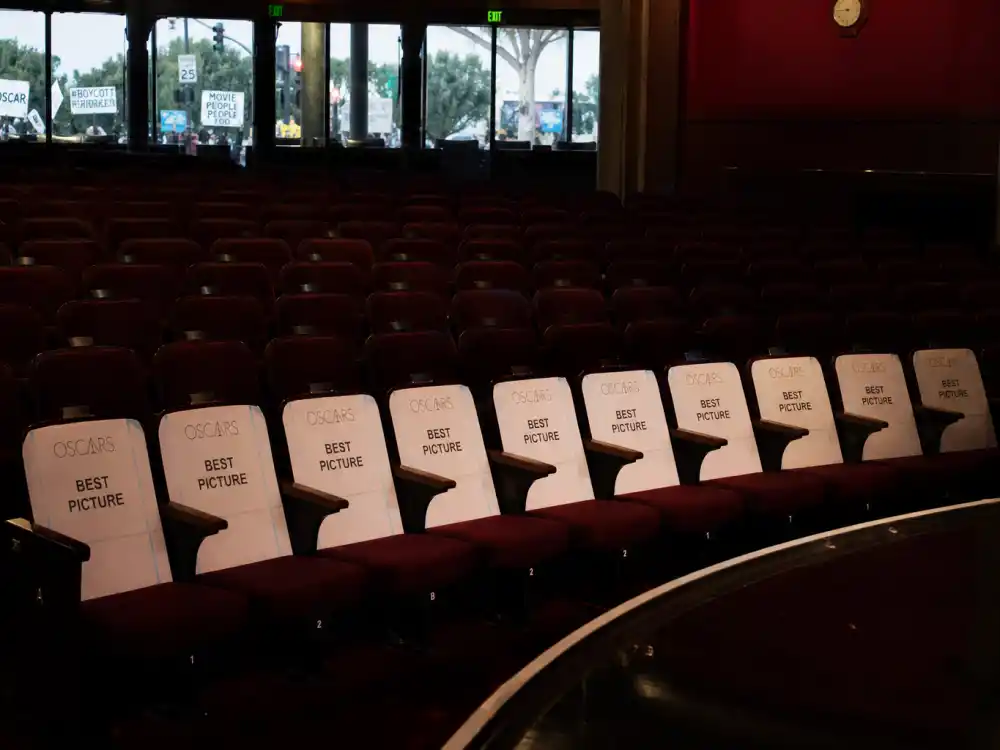
Academy Reforms: Membership, Aperture, and Public Commitments
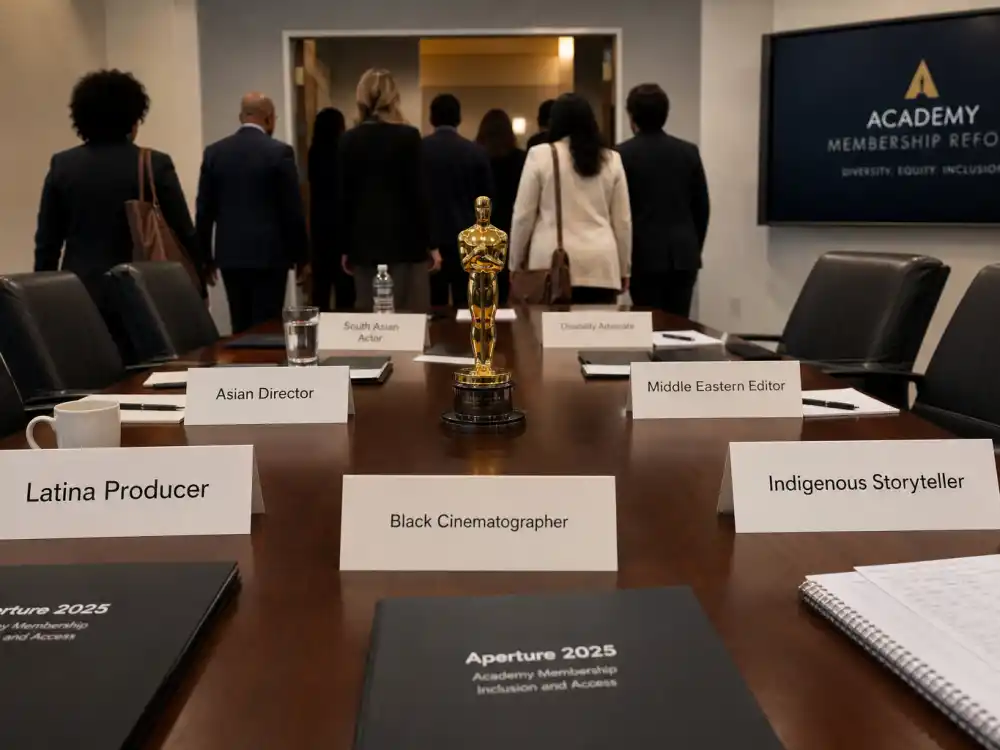
AMPAS responded to the OscarsSoWhite controversy explained pressure with membership reforms under president Cheryl Boone Isaacs. In January 2016 the Board of Governors approved a plan to double female and minority members by 2020 and limit lifetime voting status for members inactive in the industry. June 2016 and June 2017 invitee classes were among the most diverse in Academy history, adding hundreds of women and people of color across branches.
Later initiatives extended the project. The Aperture 2025 framework — announced in subsequent Academy leadership cycles — set ongoing goals for international and underrepresented membership expansion, implicit bias training, and branch-level outreach. Reform supporters argued the electorate finally resembled working Hollywood; skeptics noted that membership diversity does not automatically produce diverse acting slates if studio campaigns still favor certain genres. For comparative voting-body context, see Golden Globes vs Oscars difference explained.
Aftermath Through the 2020s: Wins, Resurgence, and Unfinished Debates
The OscarsSoWhite controversy explained did not end when hashtags faded. Post-reform ceremonies produced milestone wins that advocates cited as proof of progress:
- Moonlight (2017 ceremony): Best Picture after a historic envelope mix-up — first LGBTQ-centered film and an all-Black lead ensemble at the top of the ballot.
- Parasite (2020 ceremony): First primarily non-English Best Picture winner, signaling international taste in a diversifying electorate.
- Acting wins: Performers including Mahershala Ali, Viola Davis, Lupita Nyong’o, Regina King, and Michelle Yeoh collected competitive Oscars across the late 2010s and early 2020s.
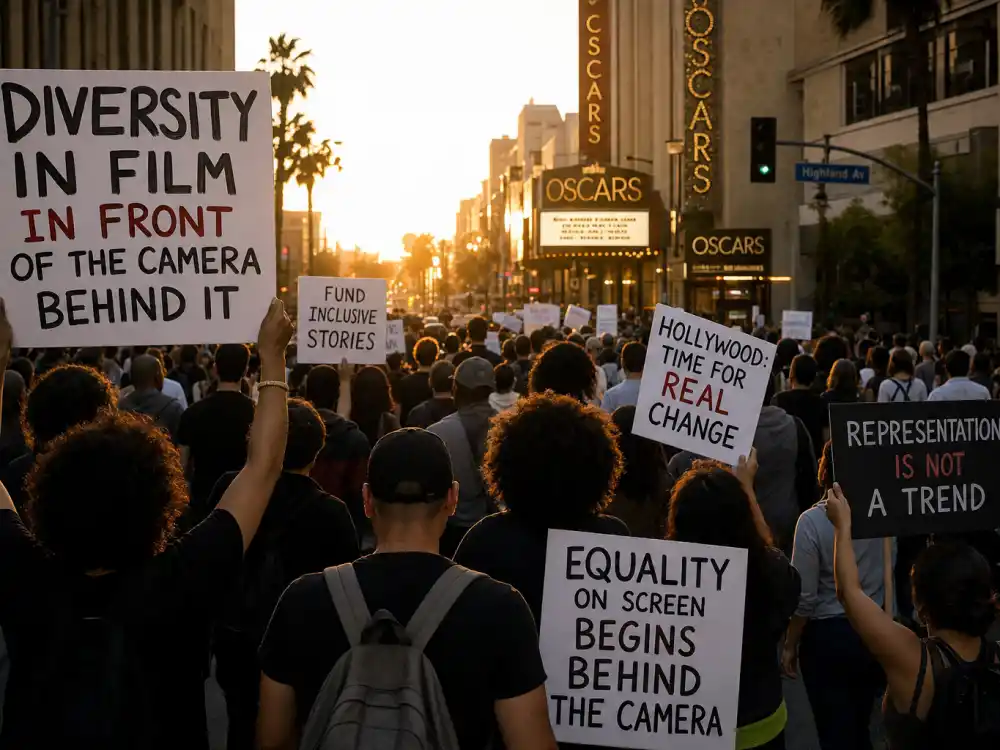
Yet #OscarsSoWhite resurfaced whenever acting slates looked homogenous again — critics revived Reign’s phrase on nomination mornings in later years when voters overlooked acclaimed performances by artists of color. The pattern shows the OscarsSoWhite controversy explained functions as a recurring benchmark, not a solved problem. Snub debates remain catalogued in celebrity award show snubs controversial.
The 94th Oscars (March 27, 2022) added a separate chapter: Will Smith struck host Chris Rock on live television, later apologized, resigned from the Academy, and accepted a ten-year attendance ban. That incident intersected with Smith’s 2016 no-show and Pinkett Smith’s boycott advocacy — linking representation protests to later institutional exclusion covered in our Will Smith Chris Rock Oscars slap explained guide and celebrities who boycotted award shows timeline.
Why OscarsSoWhite Still Matters for Awards Coverage
Studios, streamers, and academies still market ceremonies as culture-defining events. When acting slates fail diversity expectations, social media revives #OscarsSoWhite within minutes — compressing the 2015–2016 lesson into a single trending phrase. Voters and publicists now anticipate that scrutiny on nomination morning, not just Oscar night.
For readers tracking ceremony history, the OscarsSoWhite controversy explained timeline links hashtag activism, voluntary boycotts, AMPAS governance reform, landmark wins, and recurring backlash. It is the bridge between snub lists and institutional voting guides — the moment Oscar legitimacy became a public referendum on representation.
Quick Reference: OscarsSoWhite Timeline
- Jan. 15, 2015: April Reign tweets #OscarsSoWhite after all-white 87th Oscar acting nominees
- Feb. 22, 2015: 87th Academy Awards ceremony
- Jan. 14, 2016: Second consecutive all-white acting slate for 88th Oscars
- Jan. 16–18, 2016: Jada Pinkett Smith and Spike Lee announce boycotts; Will Smith skips
- Jan. 2016: AMPAS pledges membership diversification goals
- Feb. 28, 2016: Chris Rock hosts 88th Oscars; monologue addresses controversy
- 2016–2017: Record diverse Academy invitee classes
- 2017–2020s: Moonlight, Parasite, diverse acting wins; hashtag resurgences on homogenous slates
- 2022: Will Smith–Chris Rock slap and Academy ban intersect with earlier boycott history
Explore More Awards Coverage
- Boycotts: celebrities who boycotted award shows
- Oscar snubs: biggest Oscar snubs of all time
- Voting systems: are award shows rigged how voting works
- Snub controversies: celebrity award show snubs controversial
- Globes vs Oscars: Golden Globes vs Oscars difference explained
- Slap fallout: Will Smith Chris Rock Oscars slap explained
- Visit our Awards archive for ceremonies, records, and history guides.