

In this article9 sections
- Why Award Show Ratings Are Declining: The 2026 Scorecard
- Streaming Fragmentation Splits the Live Audience
- Cord-Cutting Removes the Casual Viewer
- Social Media Clips vs. Appointment Viewing
- Ceremony Length and Programming Fatigue
- Demographic Shifts and Cultural Relevance
- Are Award Shows Dying or Just Evolving?
- Quick Reference: 2026 Season Ratings
- Explore More Awards Coverage
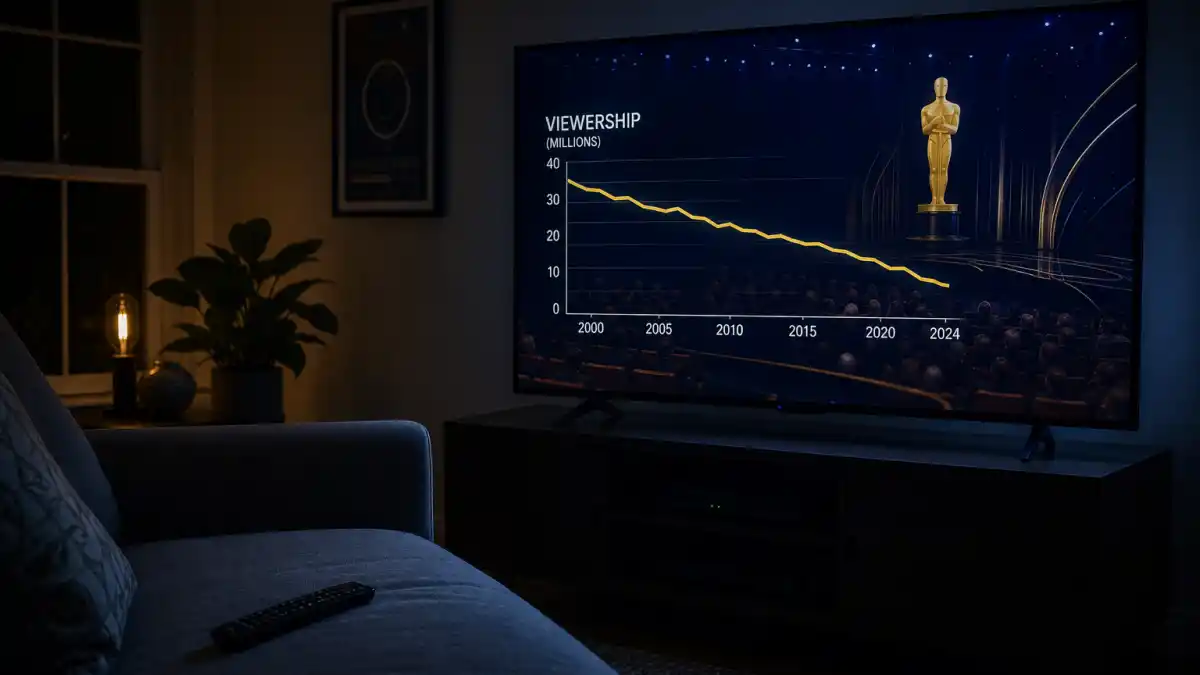
Why award show ratings are declining is one of the most debated questions in Hollywood each spring — and the 2026 season delivered fresh Nielsen data that confirms the trend without settling the argument. The 98th Academy Awards averaged 17.86 million viewers across ABC and Hulu on March 15, 2026, down nine percent from 2025’s post-pandemic high of 19.7 million, according to Nielsen same-day big-data-plus-panel ratings reported by Variety and The Hollywood Reporter. The Grammys (14.41 million on CBS and Paramount+, down six percent) and Golden Globes (8.66 million, down seven percent) posted similar dips, while the September 2025 Emmys bucked the pattern with 7.42 million viewers — an eight percent gain and the ceremony’s largest audience since 2021. Link to our guides on Golden Globes vs Oscars difference explained, who won Best Picture at Oscars 2026, celebrities who boycotted award shows, and biggest award show scandals ever for ceremony context beyond raw viewership.
Linear TV ratings are not the only metric that matters anymore — Oscar social impressions rose forty-two percent to more than 181 million during the 2026 telecast per Talkwalker data cited by THR — but same-night broadcast numbers still set ad rates, network prestige, and the narrative of whether Hollywood’s biggest nights still command a mass audience. Understanding why award show ratings are declining requires separating structural audience erosion from one-year programming swings.
Why Award Show Ratings Are Declining: The 2026 Scorecard
Nielsen’s 2025–2026 awards season paints a mostly downward picture with one notable exception:
- Oscars 2026 (ABC/Hulu): 17.86 million viewers, down nine percent vs. 19.7 million in 2025; lowest since 2022’s 16.68 million; adults 18–49 rating 3.92 (down from 4.54)
- Grammys 2026 (CBS/Paramount+): 14.41 million, down six percent vs. 15.4 million in 2025; second consecutive yearly drop after a 2024 post-pandemic peak of 17.09 million
- Golden Globes 2026: 8.66 million, down seven percent, ending two years of consecutive growth
- Emmys 2025 (CBS): 7.42 million, up eight percent — largest audience since 2021 after record-low strike-delayed January 2024 show (4.3 million)
The Oscars still ranked as the number-one primetime entertainment telecast of the 2025–2026 season per Disney, and the ceremony remains roughly half the size of audiences a decade ago — but the 2026 dip reversed three straight years of Oscar growth from the COVID-era floor of 10.4 million in 2021. For winners and narrative context around the telecast itself, see who is hosting the Oscars 2026 and our Golden Globes 2026 winners full list.
Streaming Fragmentation Splits the Live Audience
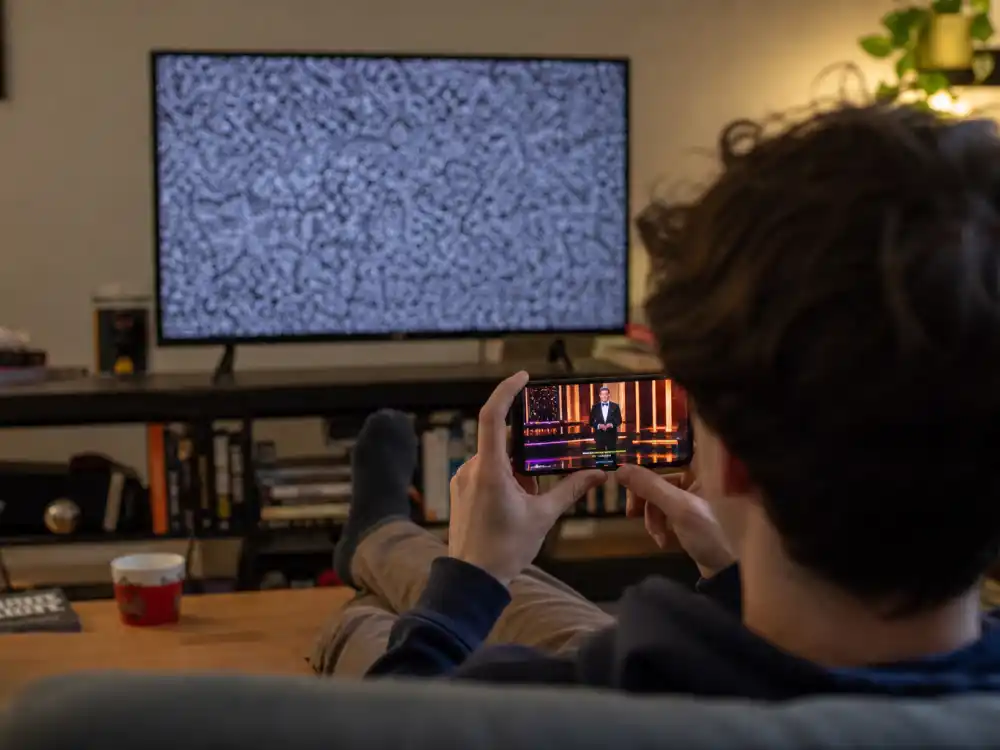
Every major ceremony now simulcasts on a streaming sibling — Oscars on Hulu, Grammys on Paramount+, Emmys on Paramount+ — which should theoretically expand reach. Instead, why award show ratings are declining on paper often traces to choice overload: viewers who once defaulted to broadcast because it was the only option now delay, clip-watch, or stream on a second screen without counting as engaged live viewers in legacy reporting.
Fragmentation also competes with scripted streaming premieres. When a prestige limited series drops the same weekend as an awards telecast, even film-loving households split attention. Networks bundle linear and digital numbers into one Nielsen figure where possible, but year-to-year methodology shifts make comparisons imperfect — a recurring headache for analysts tracking why award show ratings are declining across decades.
Cord-Cutting Removes the Casual Viewer
Cord-cutting accelerated through the 2020s as households dropped cable bundles for broadband-plus-apps stacks. Casual viewers — the audience that tuned in because the Oscars happened to be on — no longer stumble onto ceremonies during channel surfing. They need an active decision to authenticate a broadcast app or locate a simulcast.
That shift disproportionately hurts long telecasts. Someone who watched twenty minutes of red carpet and one headline category in the cable era may now skip entirely and catch a viral clip the next day. Industry analysts cited by The Wrap in March 2026 noted that even fan-favorite nominated films like Sinners and KPop Demon Hunters could not fully offset broader cord-cutting gravity at the 98th Oscars — star power still matters, but it no longer guarantees growth.
Social Media Clips vs. Appointment Viewing
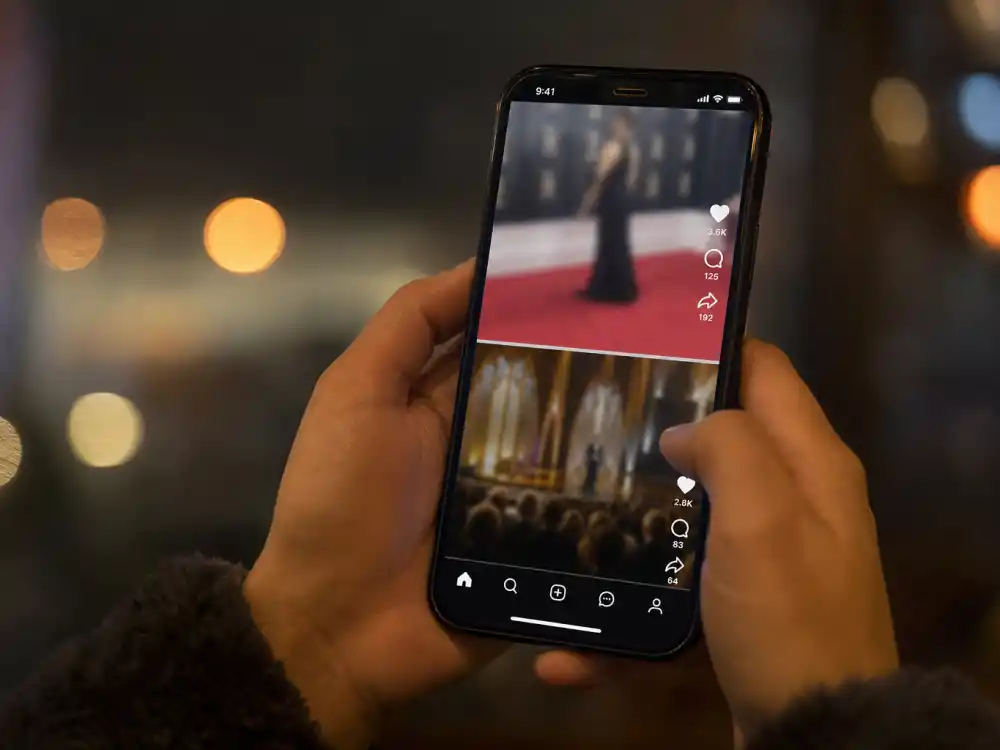
Clip culture is the paradox at the heart of why award show ratings are declining on TV while engagement rises online. Oscar social impressions hit roughly 1.8 billion across some third-party estimates in 2026 discourse — fans obsess over moments, memes, and acceptance speech snippets without sitting through three-plus hours of telecast padding.
TikTok, Instagram Reels, and X deliver winners within minutes. Producers respond by shortening categories, moving craft awards off-air, and leaning on host bits designed for virality — yet each edit risks alienating traditionalists who still want a comprehensive ceremony. The result: high digital heat, lower live patience. For how controversies amplify clip cycles, see Golden Globes biggest controversies history and biggest award show scandals ever.
Ceremony Length and Programming Fatigue
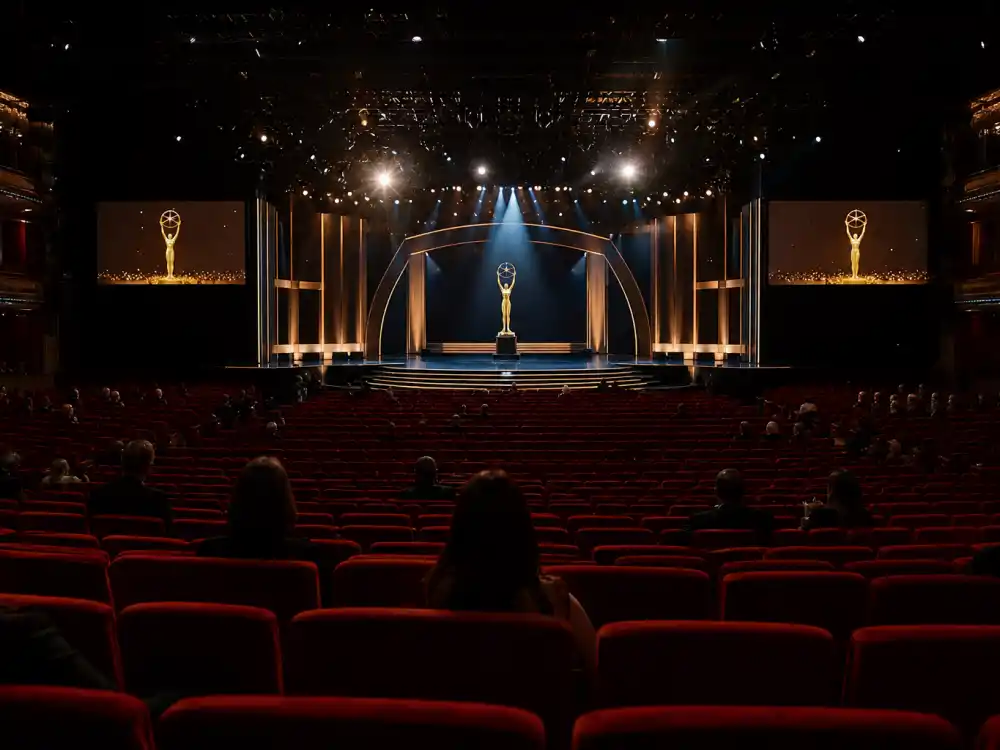
Run time remains a complaint every season. Even after trimming categories and reordering segments, Oscar and Grammy telecasts routinely cross the three-hour mark in Eastern primetime — past bedtime for West Coast families and past patience for younger demos scrolling alternate entertainment.
Hosts like Conan O’Brien at the 2026 Oscars generate clip-friendly monologues, but monologue views online do not fully replace live tune-in. Guild awards and critics’ shows face the same fatigue; only the Emmys’ 2025 rebound suggests that spacing matters — the long gap after strike-disrupted 2024 cycles may have let viewers miss TV’s biggest night enough to return.
Demographic Shifts and Cultural Relevance
Adults 18–49 remain the currency advertisers care about most. The 2026 Oscars delivered a 3.92 rating in that demo — down fourteen percent from 4.54 in 2025 — even while beating 2024’s 3.82. Younger viewers discover film and music through playlists, podcasts, and fandom communities that may not align with academy voting bodies or telecast pacing.
Institutional credibility debates — boycotts, diversity reforms, slap fallout — also shape whether stars promote ceremonies at all. When A-listers skip or criticize telecasts, casual viewers follow. Our celebrities who boycotted award shows guide documents how protest cycles intersect with tune-in, separate from fashion coverage.
Are Award Shows Dying or Just Evolving?
Reports of the awards telecast’s death are overstated. The Oscars still anchor the season as the most-watched entertainment special on broadcast, and digital impressions prove cultural relevance persists — just not in the shape Nielsen measured in 2000. Networks will keep experimenting with simulcasts, social integrations, and run-time trims.
For readers tracking the industry, the honest answer to why award show ratings are declining is cumulative: fewer linear homes, more viewing options, clip-first consumption, long telecasts, and demo drift — occasionally offset by must-see storylines or scheduling luck like the 2025 Emmys rebound. Ratings matter for ad revenue and prestige, but they no longer solely define whether a ceremony mattered Monday morning.
Quick Reference: 2026 Season Ratings
- Oscars 2026: 17.86M (ABC/Hulu), −9% YoY
- Grammys 2026: 14.41M (CBS/Paramount+), −6% YoY
- Golden Globes 2026: 8.66M, −7% YoY
- Emmys 2025: 7.42M (CBS), +8% YoY
- Oscar social impressions 2026: +42% per Talkwalker/THR
- Oscars 18–49 rating 2026: 3.92 (−14% vs. 2025)
Explore More Awards Coverage
- Golden Globes vs Oscars difference explained
- Who won Best Picture at Oscars 2026
- Golden Globes biggest controversies history
- Celebrities who boycotted award shows
- Biggest award show scandals ever
- Visit our Awards archive for ceremonies, records, and history guides.