
In this article10 sections
- Celebrities Who Boycotted Award Shows: Boycott vs. Decline
- #OscarsSoWhite and the 2016 Oscar Boycott Wave
- Will Smith, Chris Rock, and Post-Slap Ceremony Fallout
- Grammy Boycotts: When Rap Was Off-Telecast
- Golden Globes HFPA Boycott and NBC Blackout
- Guild Strikes and Awards-Season No-Shows
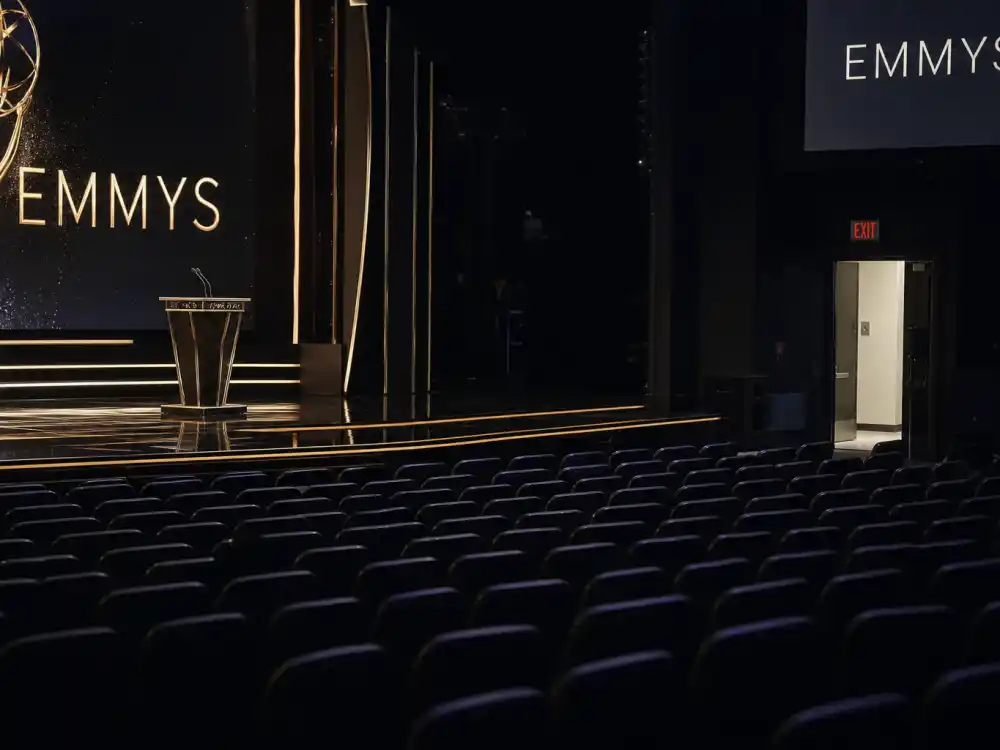
- Historical Oscar and Industry Protests
- Why Boycotts Keep Returning Every Awards Season
- Quick Reference: Major Award-Show Boycotts
- Explore More Awards Coverage
Celebrities who boycotted award shows turned empty seats and skipped red carpets into leverage — forcing academies, broadcasters, and studios to answer questions about diversity, ethics, and institutional credibility that trophy speeches alone could not resolve. A boycott differs from declining an individual honor: when Marlon Brando sent Sacheen Littlefeather to refuse his 1973 Best Actor Oscar, he rejected a statuette he had already won; when Spike Lee, Jada Pinkett Smith, and dozens of industry figures skipped the 88th Academy Awards in 2016, they withheld attendance from the entire telecast to protest two consecutive all-white acting slates. This history explainer maps verified boycott cases across Oscar, Grammy, Golden Globe, and guild ceremonies using Academy, Recording Academy, HFPA, and trade reporting from Variety, The Hollywood Reporter, and Deadline.
We include only documented boycotts or organized no-shows tied to institutional protest — not scheduling conflicts, illness, or presenters who simply lost a category. Every entry below is verifiable through official statements, trade interviews, or broadcast carriage decisions.
Celebrities Who Boycotted Award Shows: Boycott vs. Decline
Language matters in awards history. A boycott means withholding attendance, promotion, or studio participation from a ceremony or its surrounding press cycle to protest how the body operates. A decline means rejecting a specific trophy after the vote — Brando in 1973, George C. Scott skipping the 43rd Oscars after winning Best Actor for Patton (1970), Katharine Hepburn never collecting her competitive Oscars in person. Lists of celebrities who boycotted award shows focus on collective or repeated no-shows aimed at reforming voting, membership, or telecast ethics — not one-night personal statements at a podium someone else occupies.
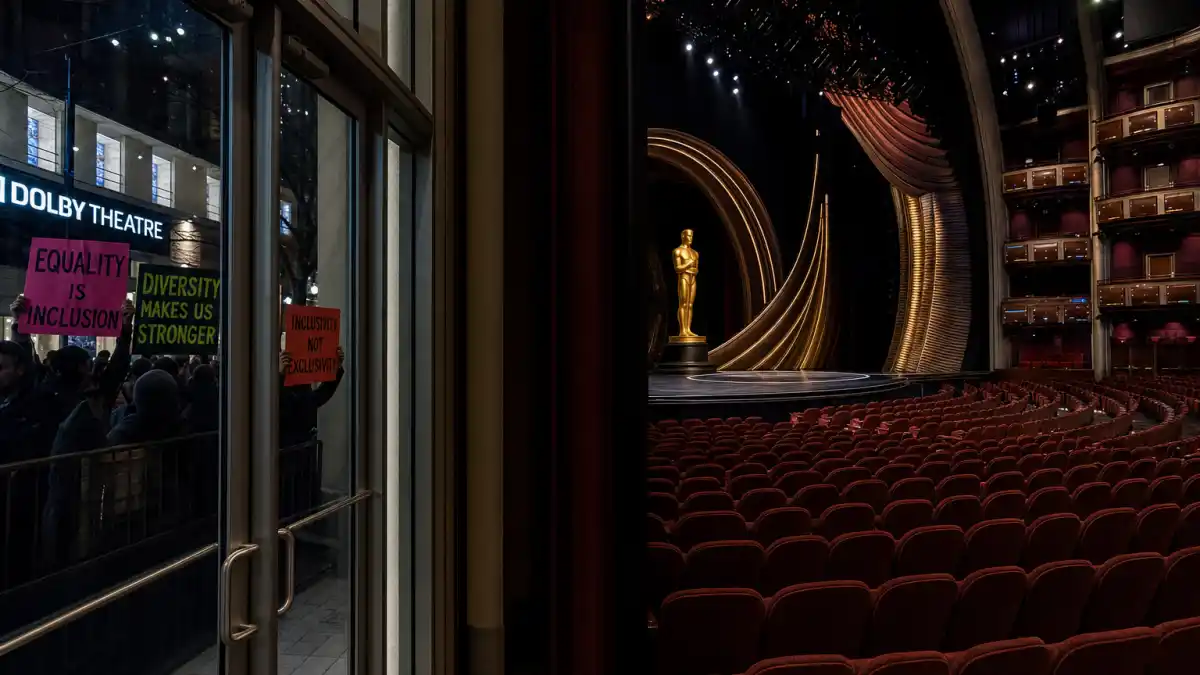
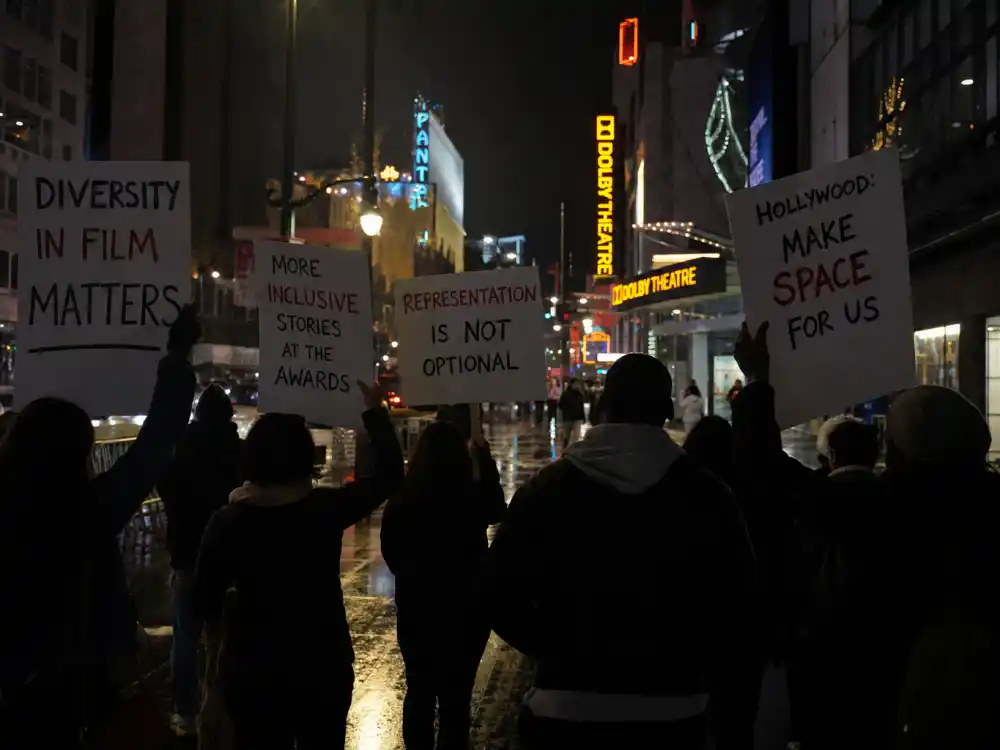
Both tactics pressure institutions, but boycotts scale faster in the social-media era. When #OscarsSoWhite trended during the 2016 Oscar nominations announcement, the Academy could not contain backlash inside the Dolby Theatre alone; skipping the telecast became a mainstream strategy for stars who wanted reform without refusing hypothetical future nominations.
#OscarsSoWhite and the 2016 Oscar Boycott Wave
The clearest modern case study in celebrities who boycotted award shows began when the Academy announced all-white acting nominees for the second consecutive year at the 88th Oscars (2016). Director Spike Lee — an honorary Oscar recipient scheduled to attend — told Variety he would not go, citing the Academy’s failure to reflect America’s diversity in membership and nominations. Jada Pinkett Smith posted a video announcing she would not attend or watch the telecast, calling for people of color to redirect attention toward building independent institutions rather than begging for inclusion. Her husband Will Smith, nominated that year for Concussion, did not attend the ceremony; he lost Best Actor to Leonardo DiCaprio for The Revenant.
Other verified responses included Cheryl Boone Isaacs, then Academy president, accelerating membership reforms that doubled female and minority invitees in 2016 and 2017 classes; host Chris Hart’s monologue addressing the controversy; and a telecast segment featuring African American leaders discussing Hollywood inclusion. The boycott did not empty the auditorium — many nominees attended — but the no-show narrative dominated pre-show coverage and pushed the Academy to commit publicly to diversifying its electorate. For snub context that fueled the anger, see biggest Oscar snubs of all time.
Will Smith, Chris Rock, and Post-Slap Ceremony Fallout
The 94th Oscars (2022) slap — Will Smith striking Chris Rock after a joke about Jada Pinkett Smith — belongs on any survey of celebrities who boycotted award shows adjacent fallout even though the incident itself was not a boycott. The Academy banned Smith from attending Oscar ceremonies for ten years (April 2022). Smith issued public apologies; Rock declined to press charges. Industry debate split between defenders of Rock’s stage safety and critics who argued the punishment exceeded precedent for past ceremony misconduct catalogued in our biggest award show scandals ever guide.
Smith’s ban is an institutional exclusion, not a voluntary boycott, but it reshaped who could physically attend subsequent telecasts and how producers script host monologues about violence on live TV. When Smith won Best Actor at the 94th Oscars minutes after the slap — for King Richard — the acceptance speech and later resignation from the Academy dominated headlines more than any red-carpet fashion moment. For the full timeline, see our Will Smith Chris Rock Oscars slap explained piece.
Grammy Boycotts: When Rap Was Off-Telecast
Music awards produced early celebrities who boycotted award shows precedent. At the 31st Grammy Awards (1989), the inaugural Best Rap Performance category was not included in the CBS telecast — winners DJ Jazzy Jeff and the Fresh Prince (Will Smith) learned they would accept off-air. Smith and Jeff boycotted the main ceremony; Public Enemy, nominated for Best Rap Performance, also stayed away in solidarity. MTV aired a pretaped acceptance clip; the snub helped define decades of Recording Academy tension with hip-hop documented in our biggest Grammy snubs of all time guide.
More recent Grammy boycotts are often individual — artists skipping after nomination shutouts — but the 1989 case remains the template for genre artists refusing to lend star power to a telecast that hides their categories. When The Weeknd received zero nominations in 2021, he called the process corrupt; that was a promotional boycott of the show’s legitimacy rather than a physical no-show, but it fits the broader pattern of stars withholding participation until institutions reform.
Golden Globes HFPA Boycott and NBC Blackout
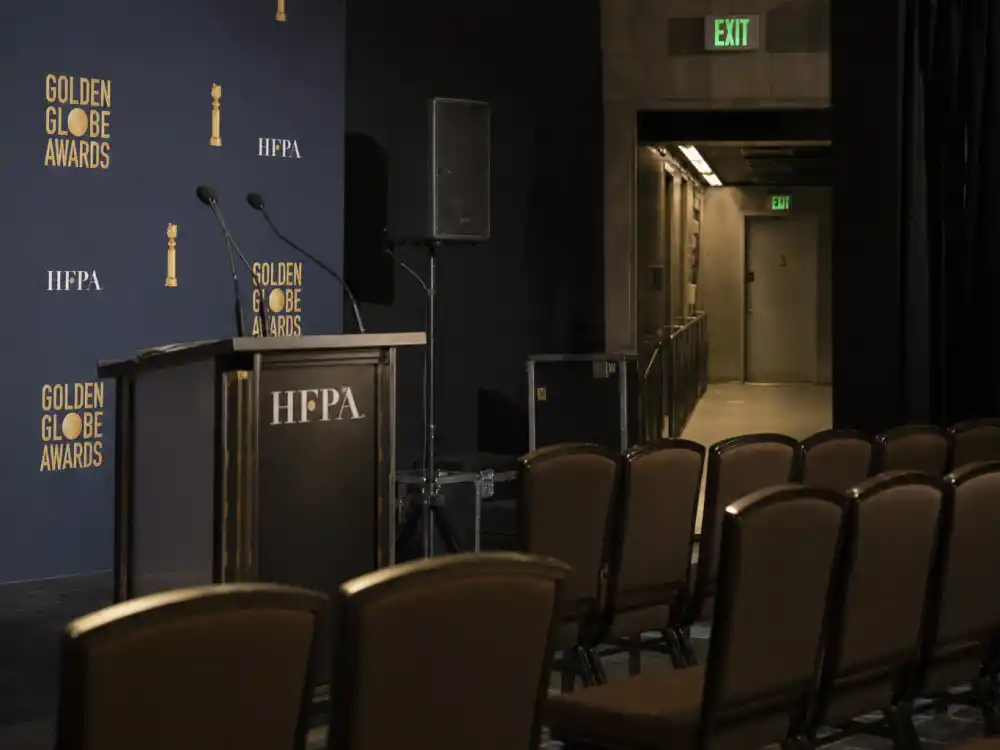
Golden Globe boycotts in the early 2020s were industry-wide rather than celebrity-by-celebrity. After 2021 LA Times investigations into the Hollywood Foreign Press Association’s lack of Black members and ethical lapses, publicists and studios including Netflix and WarnerMedia told clients not to engage HFPA until reforms landed. NBC declined to air the 2022 ceremony; the show proceeded with minimal star power at the Beverly Hilton before the HFPA overhauled bylaws, added diversity advisors, and restored NBC carriage for 2023. For broader HFPA scandal context, see Golden Globes biggest controversies history.
This was a structural boycott — agencies withholding clients — rather than a single celebrity press release, but it illustrates how celebrities who boycotted award shows increasingly act through reps and studios when an entire voting body loses credibility.
Guild Strikes and Awards-Season No-Shows
Labor action can boycotts-adjacent effects on ceremonies. The 2023 WGA and SAG-AFTRA strikes delayed fall festival season and forced studios to pause FYC campaigns; actors could not promote studio films on picket lines or at guild-crossing events. SAG Awards 2024 proceeded under interim agreements, but the strikes reshaped who appeared where during awards season — not always voluntary boycotts, but enforced absences with political weight. When guild members honor picket lines, skipping promotional appearances functions as collective boycott of studio-backed showbiz-as-usual.
Historical Oscar and Industry Protests
Before hashtags, celebrities who boycotted award shows still made headlines:
- Marlon Brando (1973): Brando boycotted the ceremony itself while winning Best Actor; Sacheen Littlefeather attended in his place to protest Hollywood’s portrayal of Native Americans and Wounded Knee — closer to a trophy decline, detailed in our Marlon Brando declined Oscar story and declined awards guide.
- George C. Scott (1971): Scott called the Oscars a “two-hour meat parade” and slept through the broadcast when he won Best Actor — a personal boycott of ceremony culture even after voters honored Patton.
- Woody Allen: Allen rarely attends Oscar ceremonies despite multiple nominations and wins — a longstanding personal boycott of self-congratulation, not tied to a single reform campaign.
- Documented international boycotts: BAFTA and Cannes have seen filmmaker withdrawals tied to geopolitical protest; American telecasts feel spillover when stars refuse festival or guild events that feed Oscar momentum.
Each case shows boycott logic: withhold the industry’s preferred spectacle until voters, producers, or hosts address the underlying grievance.
Why Boycotts Keep Returning Every Awards Season
No reform permanently ends boycott threats. The Academy expanded membership and moved toward ten Best Picture nominees after earlier diversity fights, yet #OscarsSoWhite resurfaced whenever acting slates looked homogenous. The Recording Academy eliminated nomination review committees after The Weeknd’s shutout but still faces genre bias accusations. HFPA reforms satisfied NBC and studios temporarily, yet critics monitor whether changes stuck.
Social media accelerates every cycle: a single viral clip can turn one celebrity’s no-show into a movement within hours. For voters and viewers, the lesson of celebrities who boycotted award shows is that ceremonies sell legitimacy as much as they sell movies and albums — and legitimacy walks out the door when institutions look out of step with the culture they claim to celebrate.
Quick Reference: Major Award-Show Boycotts
- #OscarsSoWhite (2016): Spike Lee, Jada Pinkett Smith, Will Smith no-show; Academy diversity reforms
- 1989 Grammys: Will Smith, DJ Jazzy Jeff, Public Enemy boycott off-telecast rap category
- HFPA / Golden Globes (2021–2022): Studio and publicist boycotts; NBC dropped telecast
- Will Smith Academy ban (2022–2032): Institutional exclusion after Chris Rock slap
- George C. Scott (1971): Personal Oscar ceremony boycott after Patton win
- Marlon Brando (1973): Ceremony protest via Sacheen Littlefeather — see declined-awards guide
- 2023 guild strikes: Enforced awards-season promotion absences
Explore More Awards Coverage
- Declined trophies: celebrities who refused or declined awards
- Snub rankings: celebrity award show snubs controversial
- Oscar snubs: biggest Oscar snubs of all time
- Scandals: biggest award show scandals ever
- Brando protest: Marlon Brando declined Oscar story
- Slap fallout: Will Smith Chris Rock Oscars slap explained
- Visit our Awards archive for ceremonies, records, and history guides.