

In this article10 sections
- Celebrities Who Criticized the Oscars: Criticism vs. Boycott vs. Decline
- George C. Scott and the "Meat Parade" Era
- Marlon Brando, Sacheen Littlefeather, and Podium Protest
- Woody Allen and the Anti-Ceremony Stance
- #OscarsSoWhite and Industry Voices Who Demanded Reform
- Hosts, Presenters, and Onstage Critics
- Post-Slap Academy Criticism and Ban Fallout
- Why Oscar Criticism Keeps Returning
- Quick Reference: Major Oscar Critics and Cases
- Explore More Awards Coverage
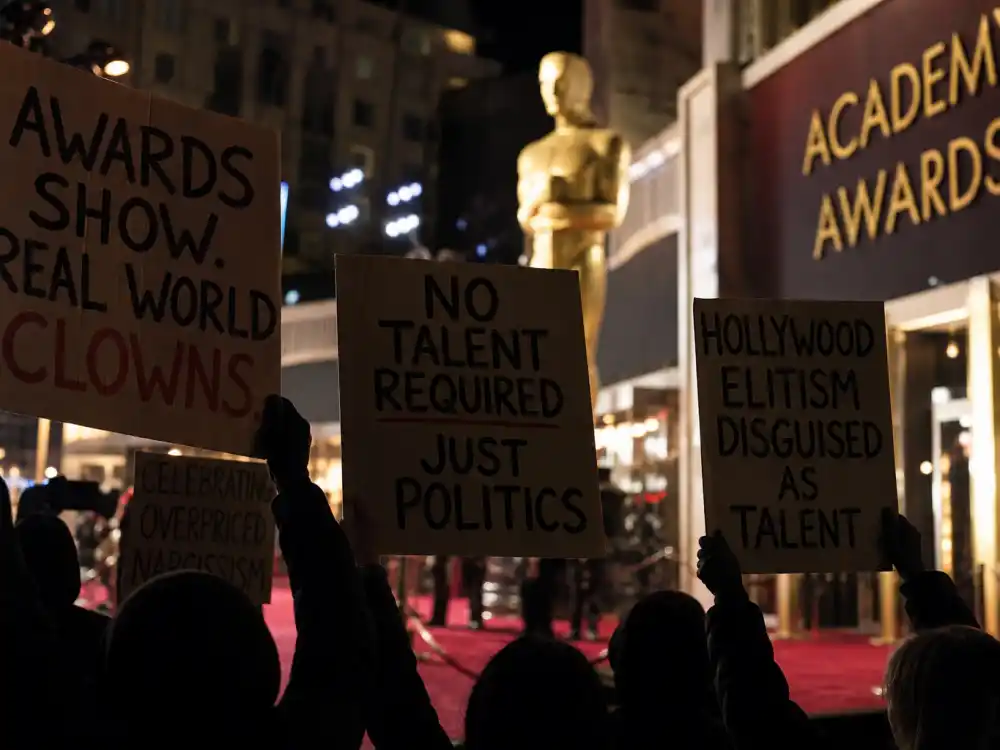
Celebrities who criticized the Oscars turned Hollywood’s most glamorous night into a recurring referendum on diversity, artistic integrity, and whether a gold statuette still means what the Academy claims. From George C. Scott calling the telecast a “two-hour meat parade” to Marlon Brando sending Sacheen Littlefeather to the 1973 podium, from Spike Lee’s pre-#OscarsSoWhite essays to Chris Rock’s monologues addressing all-white acting slates, verified critics used press interviews, acceptance speeches, social posts, and deliberate absences to challenge how the Academy votes, hosts, and represents the industry. This history explainer maps documented Oscar criticism cases using Academy records and trade reporting from Variety, The Hollywood Reporter, and the Associated Press. Cross-link to scandal and boycott siblings #152–#156: celebrity award show snubs controversial (#152), biggest Oscar snubs of all time (#153), biggest award show scandals ever (#154), celebrities who refused or declined awards (#155), and celebrities who boycotted award shows (#156) — not red-carpet outfit breakdowns (Pillar F owns fashion analysis).
We include only verifiable public criticism tied to the Academy Awards ceremony, membership, or nomination process — not generic awards-season griping about losing a category. Criticism differs from boycott: a critic may still attend or win; a boycotter withholds participation entirely. Both appear below when they overlap, but this guide centers on what stars and filmmakers actually said about the Oscars institution.
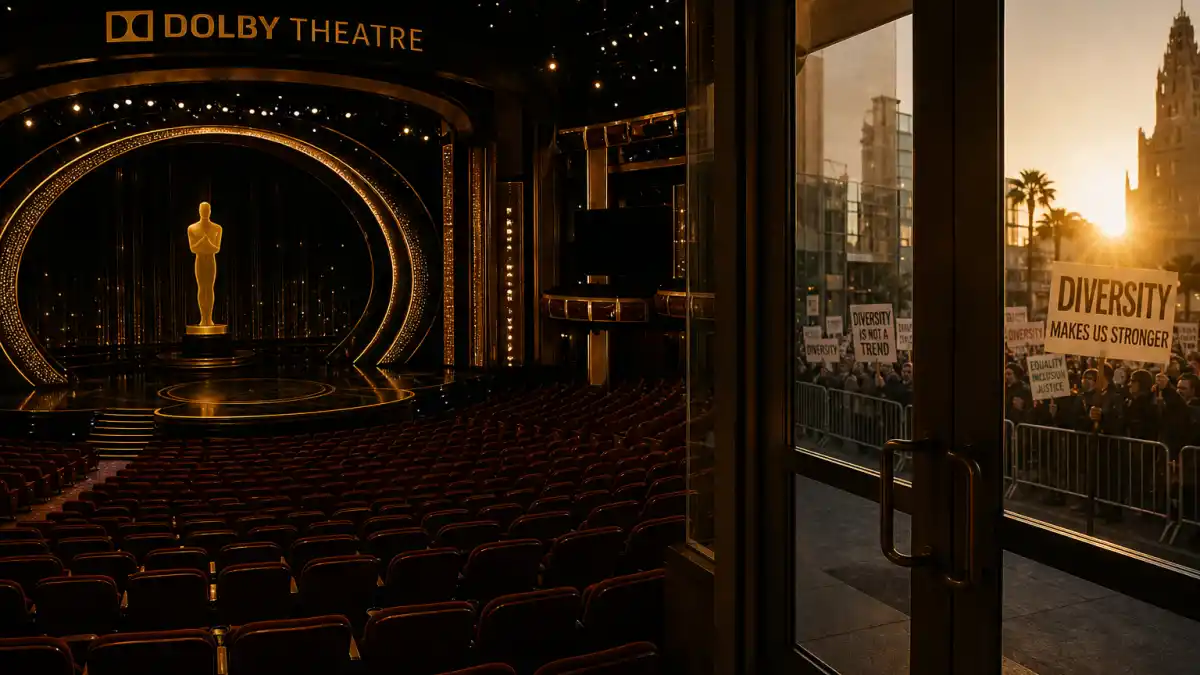
Celebrities Who Criticized the Oscars: Criticism vs. Boycott vs. Decline
Three tactics pressure the Academy, and celebrities who criticized the Oscars often blend them:
- Criticism: Public statements — interviews, op-eds, monologues, social posts — attacking ceremony culture, voting demographics, or host choices.
- Decline: Rejecting a specific trophy after winning, as Brando did in 1973 or as detailed in our celebrities who refused or declined awards guide (#155).
- Boycott: Skipping the telecast to deny ratings and star power, covered in celebrities who boycotted award shows (#156).
Scott criticized and declined attendance. Spike Lee criticized for decades before boycotting the 2016 show. Chris Rock criticized from the host podium while still performing the job. Understanding the distinction helps readers navigate Pillar G’s scandal and protest cluster without conflating snubs (#152–#153) with institutional rebukes.
George C. Scott and the “Meat Parade” Era
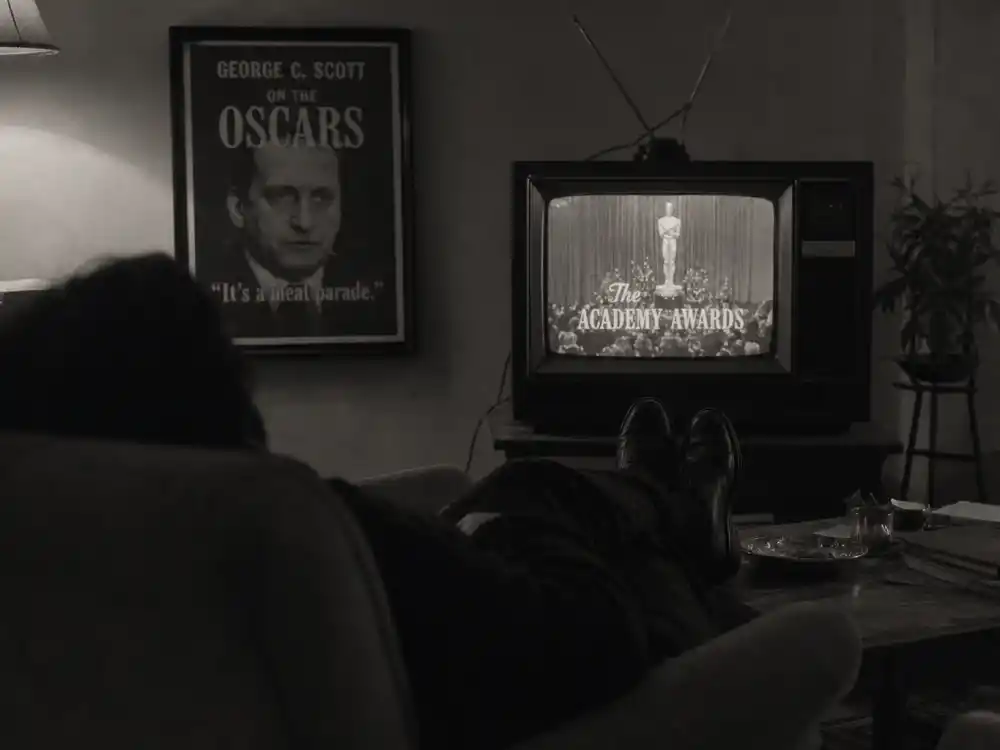
The modern template for celebrities who criticized the Oscars starts with George C. Scott. Before the 43rd Academy Awards (1971), Scott told reporters he would not attend because the ceremony was a “two-hour meat parade” and a “public display with contrived suspense.” Voters still awarded him Best Actor for Patton (1970); he slept through the broadcast while the Academy announced his win. Scott did not send a representative to refuse the statuette onstage — he simply treated the event as beneath the craft.
Scott’s language stuck. Decades later, whenever a nominee calls the Oscars a popularity contest or a fashion show, they echo his blunt dismissal. His case belongs on any honest list of celebrities who criticized the Oscars because he attacked the telecast’s premise while voters honored his performance — proof that criticism and recognition can coexist uncomfortably.
Marlon Brando, Sacheen Littlefeather, and Podium Protest
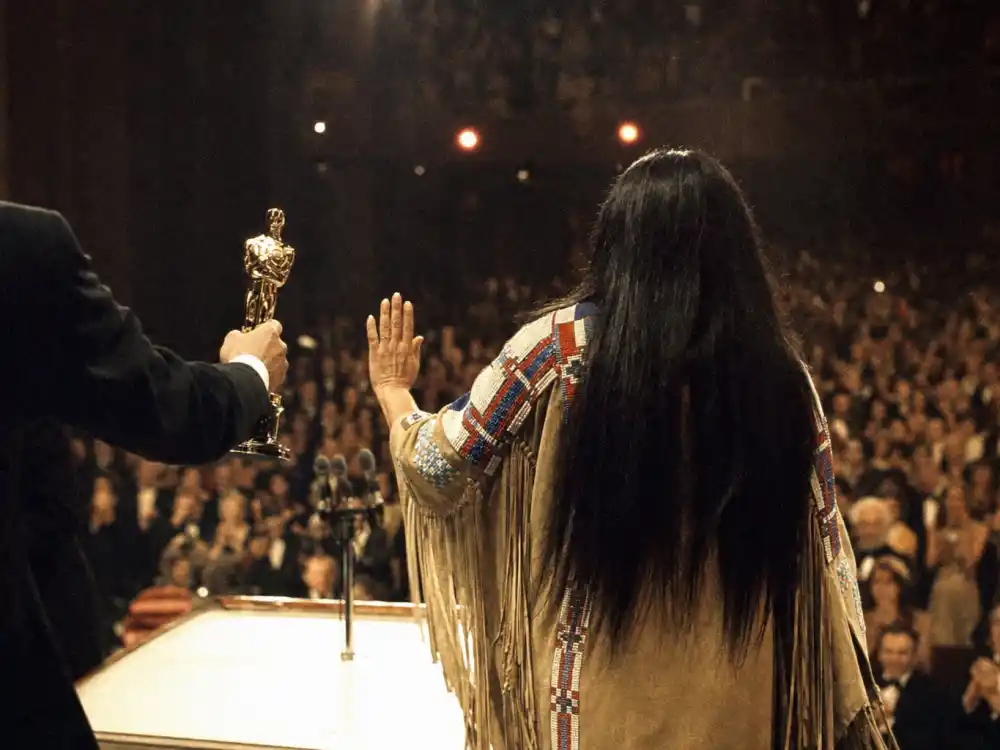
At the 45th Academy Awards (March 27, 1973), Marlon Brando won Best Actor for The Godfather and boycotted the ceremony. He sent Apache activist Sacheen Littlefeather to decline the statuette and read a statement protesting Hollywood’s portrayal of Native Americans and federal response to the Wounded Knee occupation. Producer Howard Koch threatened arrest if she spoke longer than 60 seconds; the audience reacted with applause and boos. The Academy formally apologized to Littlefeather in 2022; she died weeks after a reconciliation event.
Brando ranks among the most consequential celebrities who criticized the Oscars because he weaponized the winner’s podium for activism rather than personal vanity. The moment also appears on biggest award show scandals ever (#154) lists and in our Marlon Brando declined Oscar story — cross-read those guides for ceremony fallout versus pure criticism rhetoric.
Woody Allen and the Anti-Ceremony Stance
Woody Allen rarely attends Oscar ceremonies despite multiple nominations and wins, including Best Director and Best Original Screenplay for Annie Hall (1977). In interviews he has described awards shows as self-congratulatory and distracting from filmmaking itself. Allen’s absence is a quiet, decades-long criticism of ceremony culture rather than a single viral statement — but it influenced a generation of auteurs who treat the Dolby Theatre as optional.
Unlike Scott’s headline quotes, Allen’s criticism is behavioral: skip the room, let the work speak. Still, any survey of celebrities who criticized the Oscars must include directors who structurally opt out because they reject what the telecast celebrates.
#OscarsSoWhite and Industry Voices Who Demanded Reform
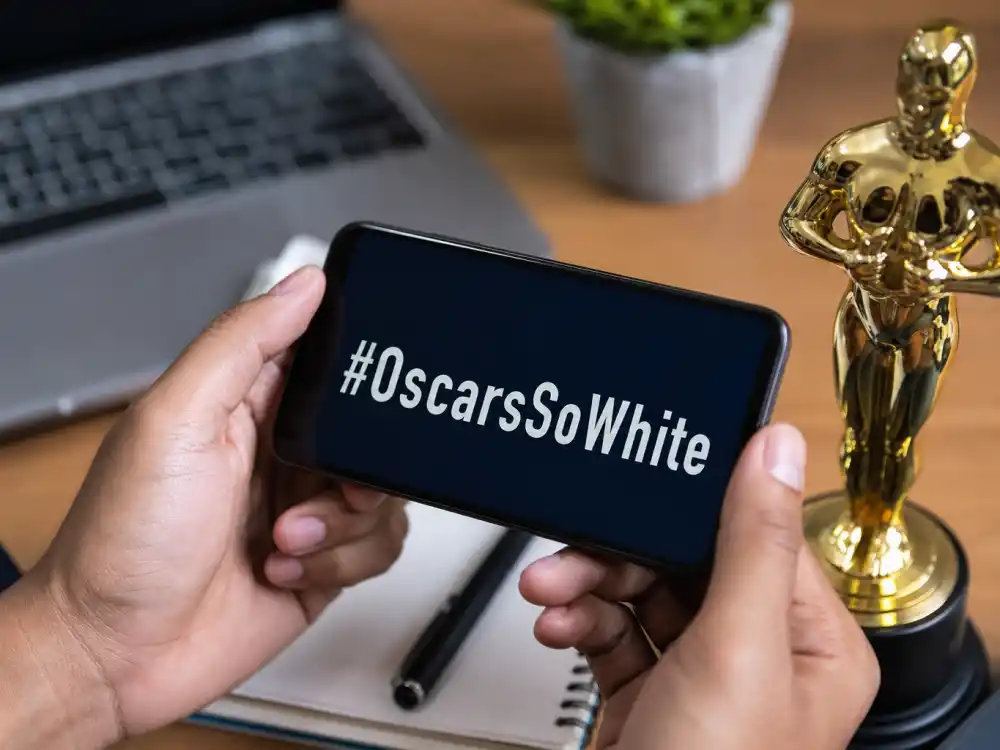
The hashtag #OscarsSoWhite, created by April Reign in January 2015, turned nomination outrage into a movement. When the Academy announced all-white acting nominees for the second consecutive year ahead of the 88th Oscars (2016), industry figures escalated from criticism to boycott — but the criticism phase mattered first.
Director Spike Lee, an honorary Oscar recipient that season, told Variety the ceremony was not where “the real battle” lived but still announced he would not attend, citing the Academy’s failure to reflect America’s diversity. Jada Pinkett Smith posted a video calling for people of color to redirect energy toward building independent institutions. Will Smith, nominated for Concussion, skipped the telecast. Host Chris Rock addressed the controversy in his monologue, balancing jokes about the “white BET Awards” with acknowledgment that protesters had a point.
Academy president Cheryl Boone Isaacs pledged membership reforms; subsequent invitee classes doubled female and minority members in 2016 and 2017. The criticism cycle proved that celebrities who criticized the Oscars could force institutional change even when ratings still landed. For snub context fueling the anger, see biggest Oscar snubs of all time (#153). For the dedicated hashtag explainer, watch for our OscarsSoWhite controversy explained guide in the Pillar G cluster.
Hosts, Presenters, and Onstage Critics
Not all celebrities who criticized the Oscars stayed home. Hosts often roast the Academy while holding the mic:
- Chris Rock (2016): Navigated #OscarsSoWhite with jokes about diversity while defending the ceremony’s relevance — criticism embedded in comedy.
- Ricky Gervais (Golden Globes crossover influence): Though not an Oscar host, his brutal award-show monologues shaped what Oscar hosts dared say about Hollywood hypocrisy.
- Presenters who went off-script: Political asides during introductions — rare but documented — add to the criticism archive alongside full biggest award show scandals ever (#154) entries.
Hosting the Oscars while criticizing them is a tightrope: networks need ratings, activists need accountability, and comics need material. Rock’s 2016 monologue remains the textbook case of an insider airing institutional dirty laundry on live television.
Post-Slap Academy Criticism and Ban Fallout
The Will Smith–Chris Rock slap at the 94th Oscars (2022) produced a new wave of celebrities who criticized the Oscars — not for diversity but for safety, precedent, and punishment proportionality. The Academy banned Smith from ceremonies for ten years while allowing future eligibility; critics including industry veterans debated whether the response matched past misconduct cases catalogued in our scandal guide (#154).
Smith’s acceptance speech minutes before the slap, and his later resignation from the Academy, dominated discourse more than fashion coverage. For timeline detail, see Will Smith Chris Rock Oscars slap explained. The episode shows how ceremony violence invites criticism of the Academy’s crisis management — not just the individuals involved.
Why Oscar Criticism Keeps Returning
No reform permanently silences critics. Membership expansion after #OscarsSoWhite did not prevent fresh homogeneity complaints when acting slates looked pale again. Streaming-era box-office rules, international category debates, and AI disclosure fights give new material to celebrities who criticized the Oscars every season.
Social media compresses the cycle: a single viral clip can turn one nominee’s press-room quote into a movement within hours. For voters and viewers, the lesson is that the Oscars sell legitimacy as much as movies — and legitimacy erodes when institutions look out of step with the culture they claim to crown.
Quick Reference: Major Oscar Critics and Cases
- George C. Scott (1971): Called Oscars a “meat parade”; slept through his Best Actor win for Patton
- Marlon Brando (1973): Sent Sacheen Littlefeather to protest on his behalf — see declined-awards guide (#155)
- Woody Allen (1970s–present): Rarely attends; criticizes self-congratulatory ceremony culture
- #OscarsSoWhite (2015–2016): Spike Lee, Jada Pinkett Smith, Will Smith, Chris Rock monologue — see boycott guide (#156)
- Will Smith ban (2022): Academy ten-year attendance exclusion after Chris Rock slap — scandal guide (#154)
- April Reign hashtag (2015): #OscarsSoWhite creator; institutional criticism without celebrity status
Explore More Awards Coverage
- Snub rankings: celebrity award show snubs controversial (#152)
- Oscar snubs: biggest Oscar snubs of all time (#153)
- Scandals: biggest award show scandals ever (#154)
- Declined trophies: celebrities who refused or declined awards (#155)
- Boycotts: celebrities who boycotted award shows (#156)
- Brando protest: Marlon Brando declined Oscar story
- Slap fallout: Will Smith Chris Rock Oscars slap explained
- Visit our Awards archive for ceremonies, records, and history guides.