

In this article12 sections
- How Much Is an Oscar Statue Worth? The Short Answer
- What the Statuette Is Made Of — and Why Materials Matter Less Than Myth
- The Academy's $1 Buyback Rule in Brief
- Record Auction Sales: When History Hits the Block
- Insurance Valuations vs. Market Reality
- The Priceless Career Value Framing
- Why Collectors Still Pay Millions for Metal Worth Hundreds
- Comparing the Three Answers Side by Side
- Timeline: Milestone Sales and Rules That Shape Value
- What Changes the Number Year to Year
- Practical Takeaways for Fans and Collectors
- Explore More Awards Coverage
How much is an Oscar statue worth depends on which ledger you open. Melt the gold plating and pewter-style alloy down to commodity prices and industry estimates land near $400 in raw materials — a figure metals analysts and entertainment accountants have cited for years, always flagged as approximate because the Academy does not publish a scrap sheet. Ask a winner walking off the Dolby Theatre stage and the same trophy is “priceless,” a shorthand for career acceleration that can mean eight-figure salary bumps, first-choice casting, and decades of speaking fees. Ask a collector bidding on a pre-1951 statuette at auction and the answer can climb past $1 million, as it did when Michael Jackson bought David O. Selznick’s Gone with the Wind Oscar in 1999 and when Orson Welles’s Citizen Kane screenplay award sold for $861,542 in 2011. This guide unpacks every layer — materials, the Academy’s famous $1 buyback rule, insurance paperwork, record sales, and the intangible prestige economists struggle to price.
We built this breakdown from Academy rulebooks, auction house results reported by The New York Times, the BBC, and The Hollywood Reporter, plus metals-trade estimates cited in entertainment business press. For companion reading, see our who has won the most Oscars ever record book, Best Picture Oscar winners by year complete list, and how are Oscar winners chosen voting explained guide. This is awards economics and history — not red-carpet outfit analysis.
How Much Is an Oscar Statue Worth? The Short Answer
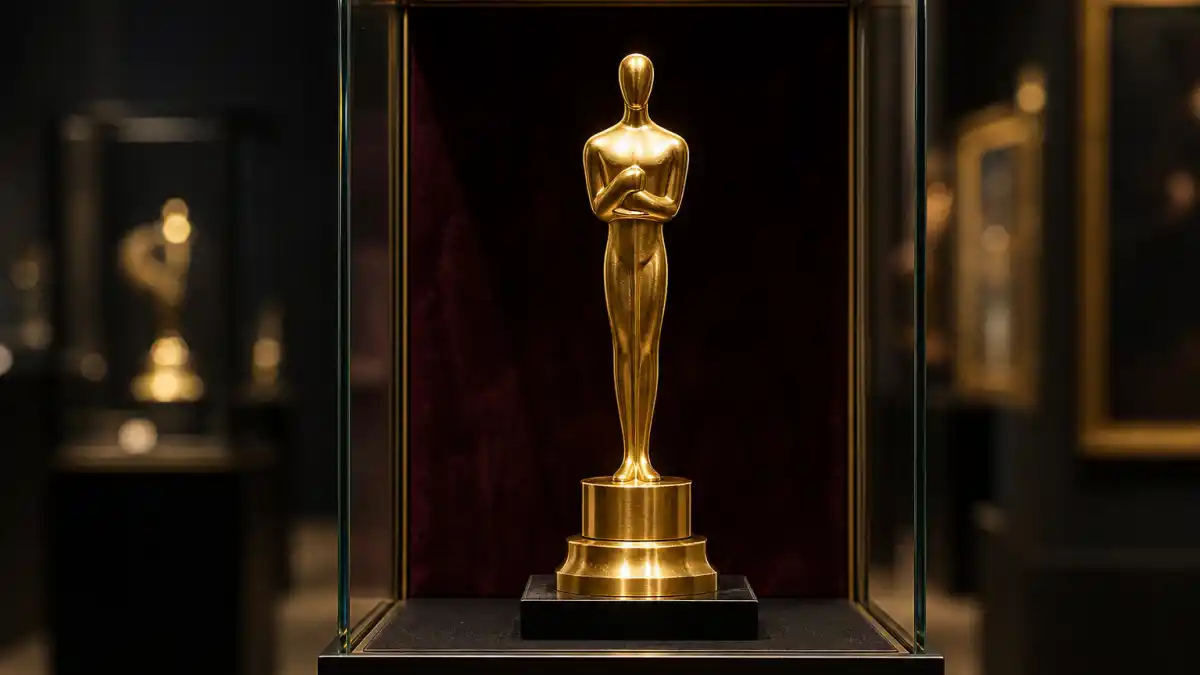
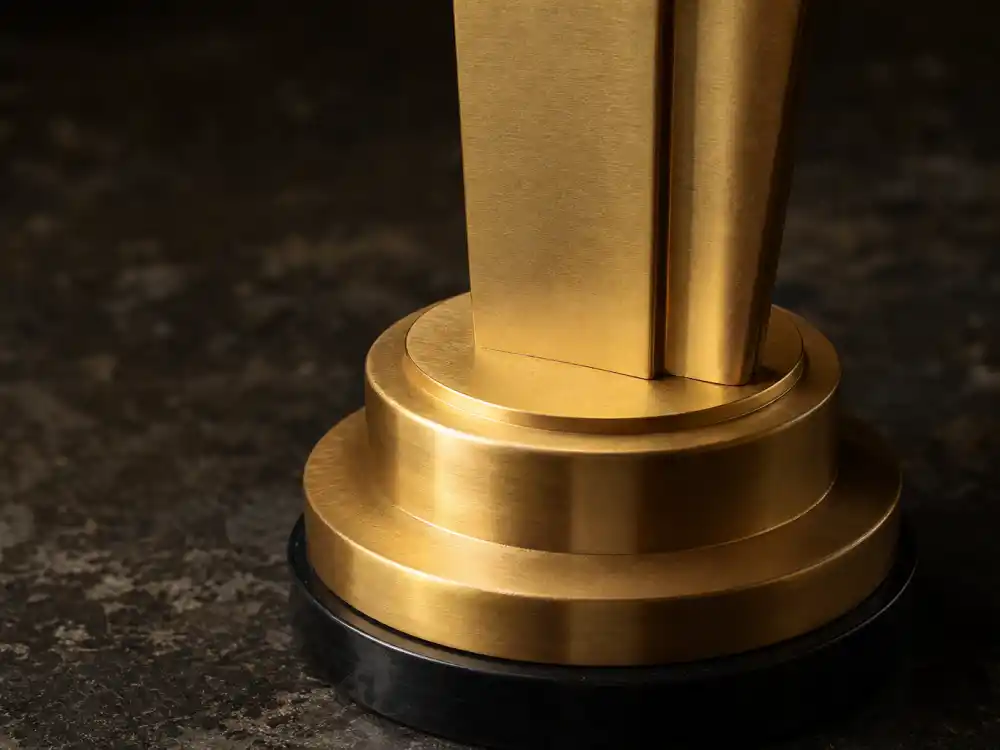
In pure materials, how much is an Oscar statue worth is surprisingly modest. The statuette stands about 13.5 inches tall, weighs roughly 8.5 pounds, and is cast from britannium — a pewter-style alloy — then plated in 24-karat gold and finished on a brass base. Independent estimates from metals analysts and trade outlets routinely place the commodity value near $400, with some reports stretching toward $900 if you aggressively price every micron of gold plating. That number is useful as a floor, not a ceiling. Nobody wins Best Picture because scrap dealers pay market rate for pewter.
The ceiling is set by history, scarcity, and fame attached to a specific trophy. Pre-1951 awards that legally reached the open market have sold from five figures into seven. Post-1951 winners face a contractual obligation to offer unwanted statuettes back to the Academy of Motion Picture Arts and Sciences for $1 before selling elsewhere — a rule this article mentions only in summary because the legal mechanics deserve their own deep dive. The practical effect: modern Oscars almost never appear at auction, which makes older trophies feel like one-of-a-kind artifacts rather than metal figurines.
What the Statuette Is Made Of — and Why Materials Matter Less Than Myth
Since 2016 the Academy has manufactured statuettes at Polich Tallix Fine Art Foundry in New York’s Hudson Valley after decades with R.S. Owens in Chicago. Each trophy still follows the art-deco knight design registered with the Academy, but for valuation purposes the chemistry matters more than the silhouette: britannium body, gold plate, brass base. Manufacturing cost plus labor exceeds the melt value, yet even generous factory estimates land far below auction highs. Readers hunting metallurgy detail should bookmark our forthcoming materials guide; here we keep the physics brief because how much is an Oscar statue worth to the public is almost never about tin and gold weight.
Collectors who buy pre-1951 pieces are purchasing provenance — the fingerprints of Welles, Selznick, Bette Davis, or Clark Gable on a specific night’s victory — not bullion. That distinction separates commodity pricing from memorabilia pricing the same way a game-worn jersey outprices the polyester it is stitched from.
The Academy’s $1 Buyback Rule in Brief
Beginning with contracts signed by winners from 1951 forward, the Academy requires recipients to offer first refusal back to the organization for one dollar before any private sale. The clause exists to keep Oscars off eBay and out of pawn-shop windows, preserving the trophy’s dignity as an honor rather than liquid asset. Attempted sales by heirs — including high-profile court fights over estates — routinely cite this paragraph. Winners who try to circumvent it risk public embarrassment and legal fees that dwarf the trophy’s melt value.
We do not litigate every clause here; the buyback agreement’s enforcement history, heir disputes, and Academy legal strategy are lengthy enough for a standalone article. Suffice to say the rule compresses the resale answer to a symbolic dollar for modern winners, which is why headlines about seven-figure sales always involve older statuettes awarded before the policy hardened.
Record Auction Sales: When History Hits the Block
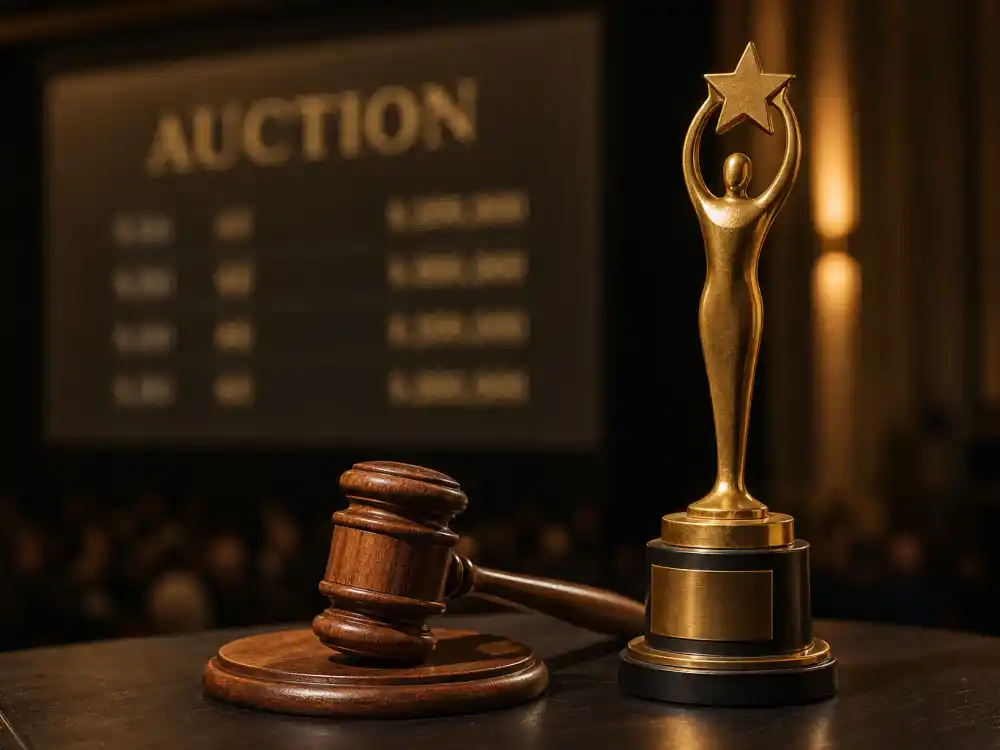
The public record for how much is an Oscar statue worth at auction still belongs to David O. Selznick’s Best Picture Oscar for Gone with the Wind. At a Sotheby’s sale in 1999, Michael Jackson paid $1.54 million for the 1940 trophy, according to widespread contemporaneous reporting in major outlets. Jackson, an obsessive collector of Hollywood memorabilia, reportedly outbid several rivals for a piece tied to the highest-grossing blockbuster of its era. The statuette later traveled with his estate collections and remains a benchmark whenever auction analysts rank film artifacts.
Orson Welles’s Best Original Screenplay Oscar for Citizen Kane (1942) tells a messier story with a similar price tag. The trophy vanished for decades, resurfaced in the 1990s amid ownership disputes between Welles’s estate and a cinematographer who claimed it was a gift, and finally reached the block at Nate D. Sanders Auctions on Dec. 20, 2011. The hammer fell at $861,542, including buyer’s premium, with magician David Copperfield reportedly the underbidder. BBC and The Hollywood Reporter coverage emphasized that neither Welles nor Citizen Kane won any other competitive Oscar that night — making the statuette the film’s lone Academy honor and therefore uniquely scarce.
Other pre-1951 sales pepper the record books at lower but still eye-watering levels. Bette Davis’s Best Actress Oscar for Dangerous (1935) has reportedly traded hands near $578,000 in private and auction contexts cited by entertainment press. Clark Gable’s Best Actor trophy for It Happened One Night (1934) has reportedly approached $200,000 when estates liquidated memorabilia. Figures for Davis and Gable vary by source and sale type; USA Celebs attributes contested numbers with “reportedly” because not every transaction publishes a verified hammer price. Even so, the pattern is clear: golden-age trophies behave like fine art when the seller can document chain of title.
Insurance Valuations vs. Market Reality
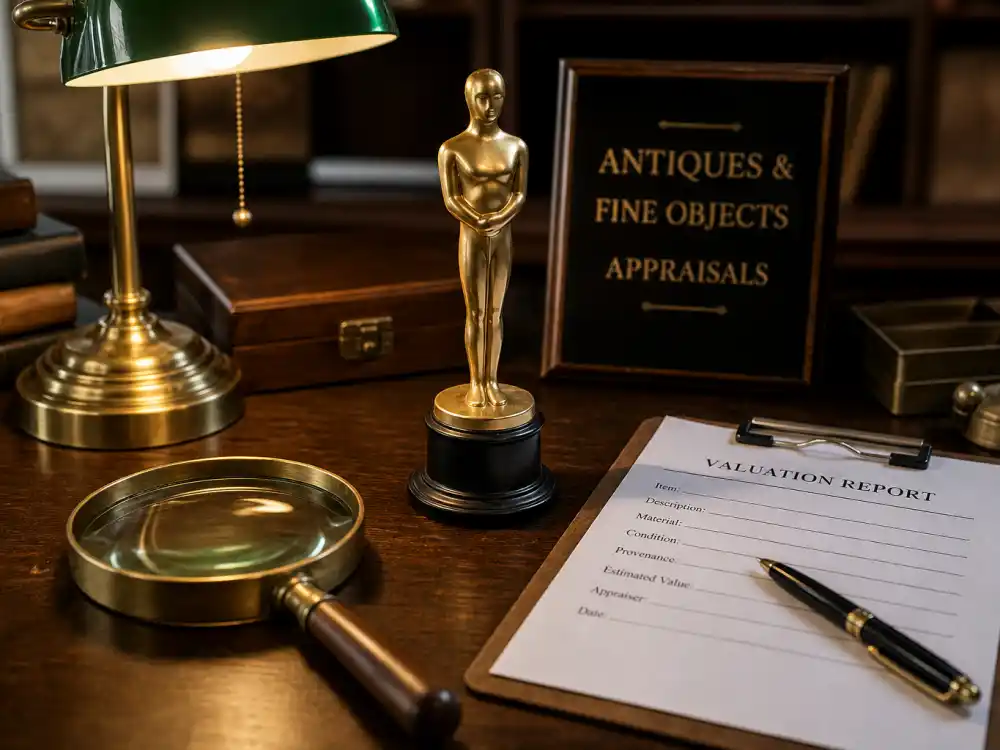
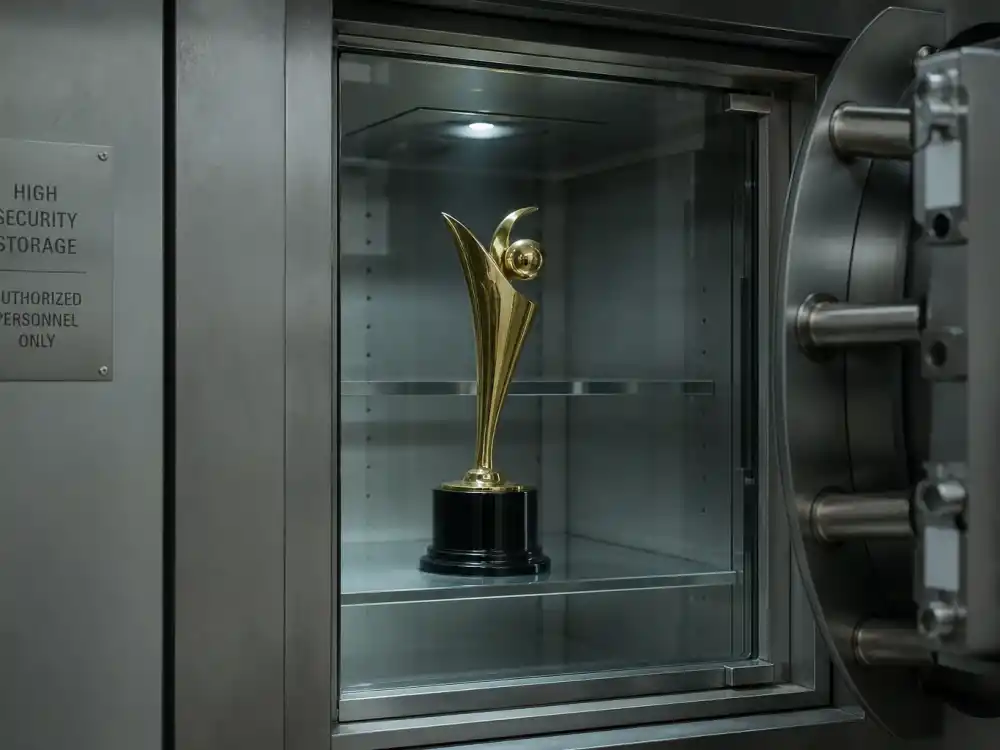
Studios, insurers, and estate planners occasionally schedule formal appraisals for Oscars displayed in private museums or loaned to exhibitions. Standard homeowner policies rarely cover awards-night trophies at Selznick-level replacement cost; specialized fine-art riders might schedule a statuette anywhere from $10,000 to $500,000 depending on age, category, and winner — still below Jackson’s million-plus bid because insurers price risk, not fanaticism. When how much is an Oscar statue worth appears on an insurance binder, the number reflects defensible documentation, not the fever dream of a pop-music collector chasing Gone with the Wind.
Loss claims are vanishingly rare because winners seldom ship trophies through unsecured couriers. More common is scheduled coverage while a statuette tours a museum retrospective — the Academy Museum of Motion Pictures, for instance, displays historic awards under institutional policies that treat them as irreplaceable cultural objects even when the metal alone is worth less than a premium laptop.
The Priceless Career Value Framing
Ask winners on the press-room circuit and most refuse to attach a dollar figure. How much is an Oscar statue worth to them is measured in second acts: directors who suddenly finance passion projects, actors who leap from supporting-player rates to leading-role offers, composers who book stadium tours. Labor economists call this a “status premium.” Hollywood agents call it leverage. The statuette itself may sit on a shelf, but the title “Oscar winner” prints on marquees, streaming thumbnails, and contract cover sheets for twenty years.
Quantifying that premium is imprecise. A 2015 analysis in Forbes noted that Best Actor winners often see immediate pay bumps, while lesser categories produce softer but real gains in endorsement and speaking fees. None of those spreadsheets convert cleanly into trophy resale value because the career benefit is a flow of future income, not a lump sum paid for pewter. That is why winners joke the statue is priceless — they are describing net present value, not metallurgy.
Why Collectors Still Pay Millions for Metal Worth Hundreds
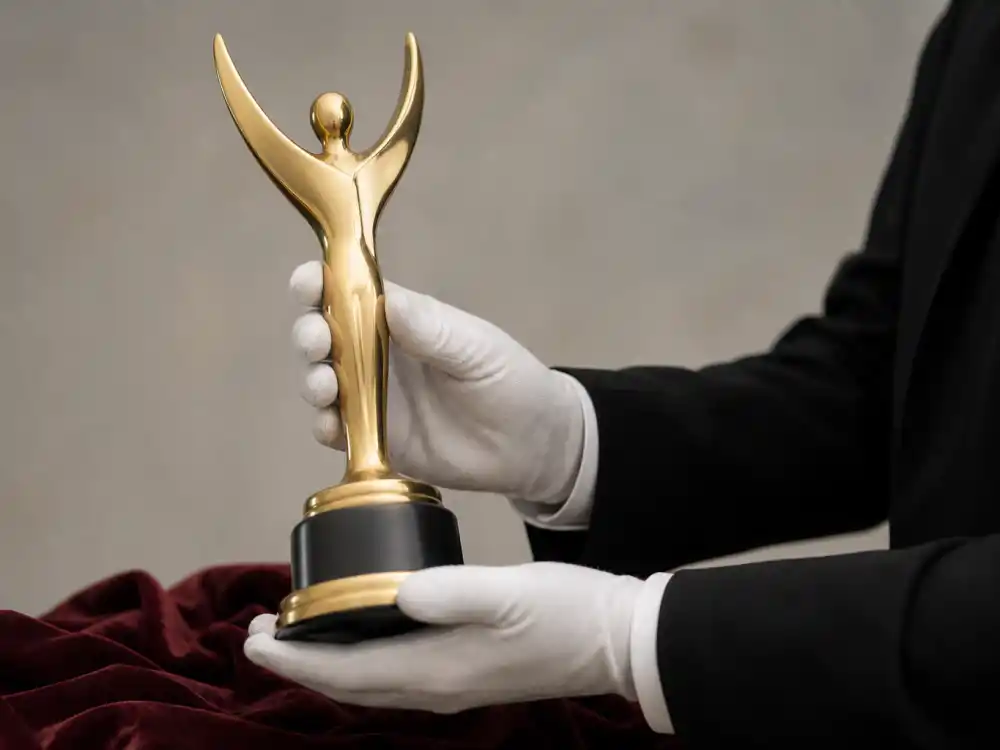
Memorabilia markets price emotion, scarcity, and authentication. A pre-1951 Oscar checks all three boxes: it cannot be replicated legally for resale under modern rules, it ties to a specific cultural moment, and auction houses vet provenance with courtroom thoroughness. Jackson’s Selznick purchase made headlines because it fused pop royalty with Golden Age Hollywood — two collectible universes colliding. Welles’s Citizen Kane trophy attracted bidders because critics still rank the film among the greatest ever made and because the statuette’s odyssey included litigation worthy of its own screenplay.
Modern winners who keep their Oscars off the market reinforce scarcity for older pieces. Every time a living legend dusts a post-1951 trophy on a shelf instead of testing the buyback clause, collectors know the supply of sellable Oscars shrinks. That feedback loop pushes pre-1951 prices upward even as manufacturing costs stay flat.
Comparing the Three Answers Side by Side
- Materials ledger: Estimated ~$400 in gold-plated britannium and brass — the baseline for how much is an Oscar statue worth as metal.
- Academy ledger: $1 buyback for post-1951 winners who wish to divest — symbolic, not economic.
- Auction ledger: From five figures into seven for golden-age trophies with clean title — Selznick/Jackson $1.54M (1999), Welles $861,542 (2011), Davis and Gable sales reportedly in comparable tiers.
- Career ledger: Uncapped — agents price the “Oscar winner” credit line for years of higher quotes and first-look deals.
Timeline: Milestone Sales and Rules That Shape Value
- 1929: First Academy Awards; statuettes awarded without modern resale restrictions.
- 1934–1942: Golden-age trophies later sold at auction — Gable (It Happened One Night), Davis (Dangerous), Welles (Citizen Kane screenplay).
- 1951 onward: Winners sign agreements requiring $1 Academy buyback before private sale — compressing modern resale value.
- June 1999: Michael Jackson reportedly pays $1.54 million for Selznick’s Gone with the Wind Best Picture Oscar at Sotheby’s.
- December 2011: Welles’s Citizen Kane Oscar sells for $861,542 at Nate D. Sanders; David Copperfield reportedly underbids.
- 2016: Manufacturing moves to Polich Tallix; materials recipe unchanged for valuation purposes.
What Changes the Number Year to Year
Gold spot prices nudge melt estimates a few dollars either direction, but they do not move auction headlines. What moves headlines is estate litigation concluding, a museum deaccessioning a collection, or a celebrity collector entering the bidding room. Inflation adjusts the Selznick record upward on paper — $1.54 million in 1999 dollars exceeds $2.8 million in 2026 purchasing power by Bureau of Labor Statistics calculators — yet no post-1999 sale has publicly surpassed the Jackson purchase, underscoring how unique that transaction was.
Streaming-era winners face a different prestige curve. Social media can amplify a speech overnight, but it also saturates audiences with awards content. Even so, agents report that “Academy Award winner” above the title on a one-sheet still opens doors that nominations alone do not. The trophy’s career value therefore tracks cultural attention spans more than commodity indexes.
Practical Takeaways for Fans and Collectors
If you are curious about how much is an Oscar statue worth because you found a dusty figurine in an attic, odds are overwhelming it is a replica. Official statuettes carry engraved plates on the base, weigh substantially more than souvenir knockoffs, and — for decades — have been tracked by the Academy when winners attempt resale. Authentication requires provenance documents, not guesswork.
If you are researching investment potential, treat pre-1951 Oscars like rare manuscripts: thrilling, illiquid, and legally complicated. Post-1951 trophies are not investment assets under Academy rules; they are honors with a $1 exit clause. The smart money in Hollywood memorabilia usually chases screen-worn costumes, annotated scripts, or posters — markets with fewer institutional gatekeepers.
Explore More Awards Coverage
- Read who has won the most Oscars ever for the all-time leaderboard.
- Browse the Best Picture Oscar winners by year complete list.
- Learn how are Oscar winners chosen voting explained — branches, ballots, envelopes.
- Visit our Awards archive for ceremony records and milestone deep dives.