

In this article7 sections
- What Happened to Quvenzhané Wallis? The Short Answer
- Before the Oscar: Houma, Auditions, and Beasts of the Southern Wild
- Oscar Night at Nine: History, Headlines, and Her Name
- Annie, Teen Roles, and the Franchise Expectation
- Author, Student, and the Choice to Step Back
- Quvenzhané Wallis Now: Where Is She in 2026?
- Explore More
What happened to Quvenzhané Wallis is one of the most remarkable child-star arcs of the 21st century — and one of the least sensational. Quvenzhané Wallis did not spiral through tabloid scandals or vanish into rehab headlines. She became the youngest Best Actress Oscar nominee in history at age nine for Beasts of the Southern Wild, charmed and challenged Hollywood on the red carpet, starred in a major Annie remake, published a bestselling children’s novel, studied film at USC, and then deliberately stepped back from constant camera attention to grow up on her own terms. This is the full story of what happened to Quvenzhané Wallis, and where she is now in 2026.
If you remember the 2013 Oscars, you probably remember her name — and the way she insisted broadcasters pronounce it correctly. If you remember 2012 indie cinema, you remember Hushpuppy, the fierce Louisiana girl who stared down storms and poverty in Benh Zeitlin’s Beasts of the Southern Wild. What happened to Quvenzhané Wallis after that lightning strike of fame is quieter than the breakout but no less important: she navigated early superstardom without the crash narratives that haunt so many child actors, traded volume for intention in her career, and rebuilt her public identity around writing, education, and selective creative work rather than nonstop franchise churn.
What Happened to Quvenzhané Wallis? The Short Answer
Here is what happened to Quvenzhané Wallis in a nutshell:
- 2003: Born in Houma, Louisiana — a Gulf Coast community that would shape her breakout role’s authenticity.
- 2011–2012: Cast as Hushpuppy in Beasts of the Southern Wild at age five after an open audition; the film premiered at Sundance and became a cultural phenomenon.
- 2013: Became the youngest-ever Best Actress Oscar nominee (age nine); became a global headline for poise, humor, and correcting red-carpet pronunciation of her name.
- 2014–2018: Led the Annie remake, appeared in projects including 12 Years a Slave, Kin, and Beyoncé’s Black Is King, while carrying intense media scrutiny rare for pre-teens.
- 2019: Published My Life as an Ice Cream Sandwich, a middle-grade novel that hit bestseller lists and proved ambitions beyond acting.
- 2020s: Attended USC’s School of Cinematic Arts, limited on-screen roles, emphasized writing, advocacy, and normal young-adult development away from paparazzi churn.
- 2024–2026: Approaches her career as a young adult creator — selective acting, literary work, film-school training, and a deliberately lower tabloid profile than her Oscar-season peak.
Before the Oscar: Houma, Auditions, and Beasts of the Southern Wild
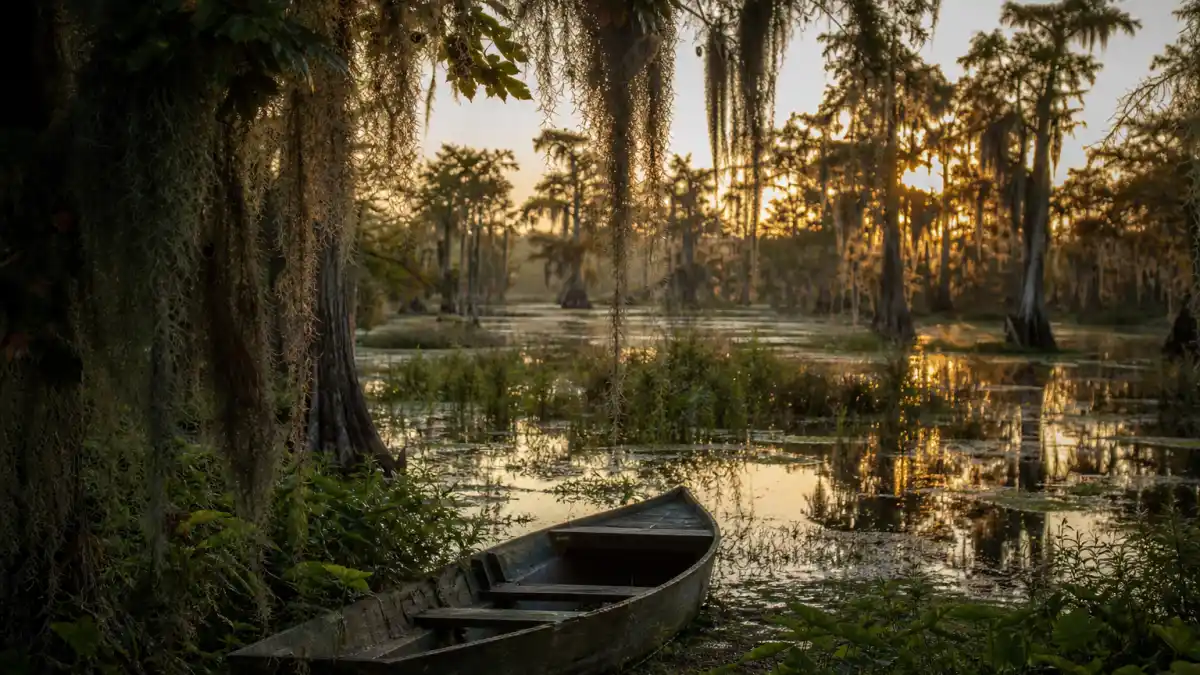
Long before anyone asked what happened to Quvenzhané Wallis, she was a Louisiana kid with community-theater energy and parents who supported her love of performance without treating her like a paycheck. She auditioned for Beasts of the Southern Wild when she was five — reportedly competing against thousands of hopefuls — and won the role of Hushpuppy, a girl who confronts flood, loss, and mythic “aurochs” with stubborn courage. Director Benh Zeitlin and producers built the film in Terrebonne Parish bayou country; Wallis’s regional authenticity was not cosmetic casting. It was the soul of the movie.
Beasts of the Southern Wild debuted at Sundance in 2012, won the Grand Jury Prize, and rode critical rapture into the mainstream. Wallis became the face of a film about climate, poverty, and childhood resilience — heavy themes carried by a performer who was still learning to read in a conventional classroom sense. The performance was raw, physical, and unforgettable. Critics debated the film’s politics; almost no one debated whether the child at its center had presence. For context on how other child actors metabolize early fame, compare our profiles on Haley Joel Osment and Mara Wilson — two very different post-child-star paths.
Oscar Night at Nine: History, Headlines, and Her Name
The defining public moment in what happened to Quvenzhané Wallis arrived at the 85th Academy Awards in February 2013. She was nominated for Best Actress alongside adult legends — the youngest person ever nominated in that category, a record that still shapes how people search her name. She did not win; Jennifer Lawrence took the trophy for Silver Linings Playbook. But Wallis won something harder to measure: she owned the room.
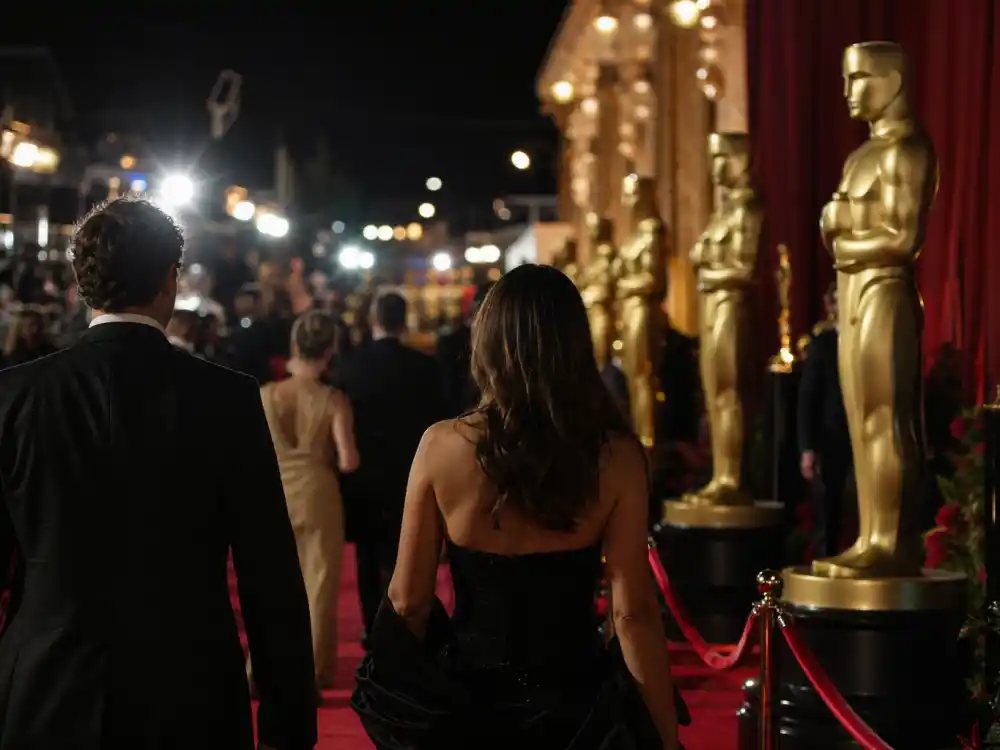
Red-carpet interviews turned into a lesson in respect. When Ryan Seacrest and others mangled the pronunciation of “Quvenzhané,” she corrected them — politely but firmly — turning a micro-aggression into a viral teaching moment about Black girls, Southern names, and dignity under flashbulbs. Pundits who had never heard of Houma suddenly debated phonetics and representation. Supporters saw a child who refused to shrink; detractors who policed her tone revealed more about Hollywood than about her. The Oscars also surfaced the ugly side of fame: racist jokes from a satirical radio host led to backlash and resignations, reminding everyone that Wallis was still a child beneath the couture.
Unlike some nominees who fade after a single season, what happened to Quvenzhané Wallis after the ceremony was a deliberate expansion: studio interest, book deals, fashion shoots, and the pressure to become a franchise before fifth grade ended. She did not collapse under it — but she also did not pretend it was normal.
Annie, Teen Roles, and the Franchise Expectation
Hollywood’s answer to “what happened to Quvenzhané Wallis after the Oscar?” was, predictably, bigger roles fast. In 2014 she starred as Annie in a modernized film adaptation produced by Will Smith and Jay-Z’s company, with Jamie Foxx as Benjamin Stacks. The movie was a commercial bet on her smile and stamina — dance numbers, press tours, and the machinery of a holiday release. It was not Beasts; it was the industry trying to slot her into a familiar child-star product line.
She continued acting in selective projects — including appearances in 12 Years a Slave and the 2018 sci-fi drama Kin, plus Beyoncé’s visual album Black Is King — but the through-line was not “nonstop box-office lead.” The through-line was learning when to say yes. Child stars who say yes to everything often end up in cautionary tales; our archive on Jake Lloyd and Ke Huy Quan shows how differently Hollywood treats young faces once the novelty fades — one tragic, one triumphant after decades away.
Author, Student, and the Choice to Step Back
The most underreported chapter in what happened to Quvenzhané Wallis may be the bookshelf. In 2019 she published My Life as an Ice Cream Sandwich, a middle-grade novel about a Houston girl sent to spend the summer with her grandfather in Alabama — blending humor, history, and identity. The book landed on bestseller lists and announced that Wallis was not waiting for casting directors to validate her creativity. She was building a voice.
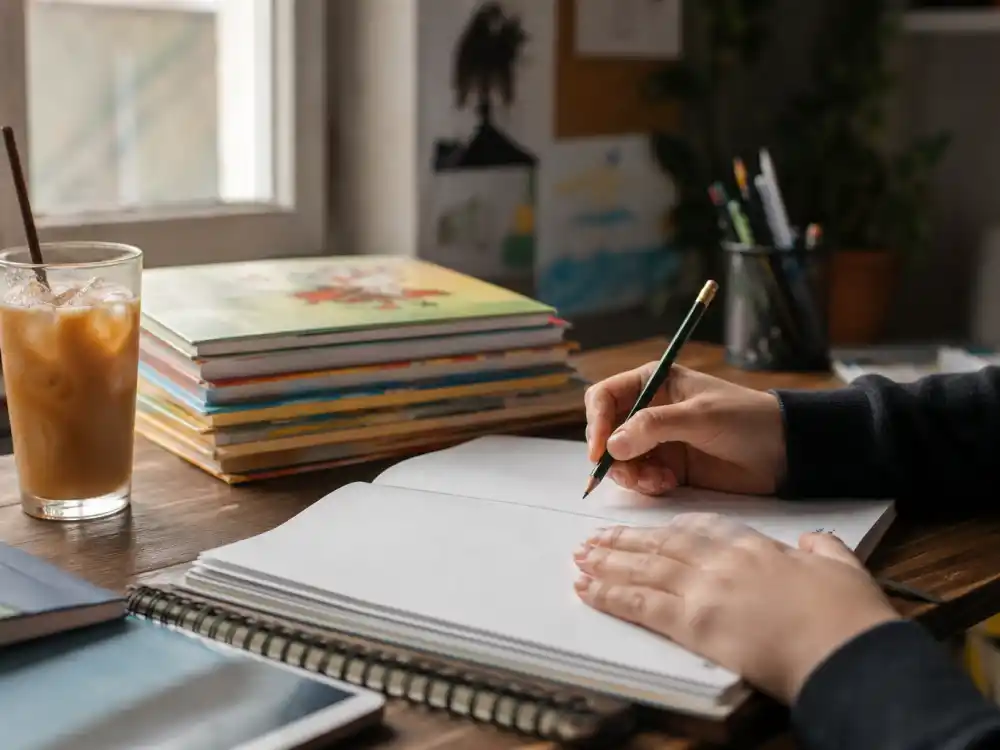
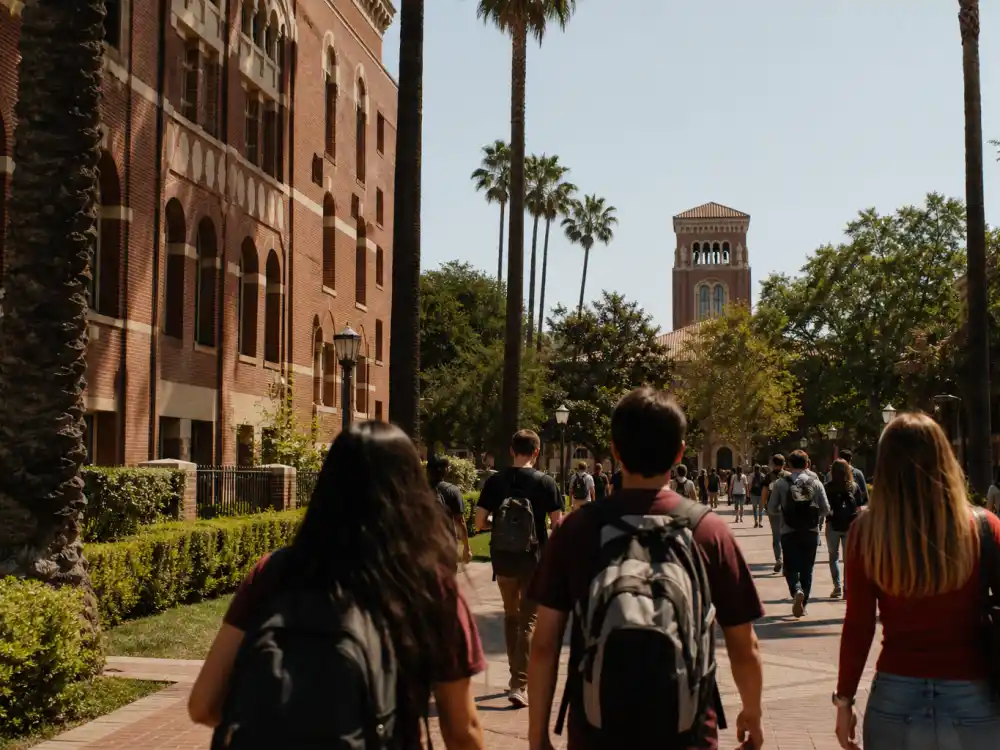
Around the same period she pursued formal education in film — attending USC’s School of Cinematic Arts — treating cinema as craft to study, not only a stage to occupy. Classmates and professors described a student who wanted to understand directing, writing, and production, not relive Oscar night for strangers. That choice matters when answering what happened to Quvenzhané Wallis: she invested in skills that do not expire when teen magazines stop printing your photo.
Social media posts and interviews in her late teens and early twenties showed activism, fashion experimentation, and opinions about representation — but notably less chaos than peers who grew up inside Disney or Nickelodeon machines. She spoke about mental health boundaries and the weirdness of being famous before middle school. Fans who searched “what happened to Quvenzhané Wallis” expecting tragedy instead found maturity — not perfection, but intention.
Quvenzhané Wallis Now: Where Is She in 2026?
So where is Quvenzhané Wallis now? As of early 2026, she is twenty-two — legally an adult, culturally still “the Beasts girl” to millions who have not updated their mental image. Acting credits in the early 2020s were sparse compared with her childhood peak, which is a feature, not a bug, of her path: she is not chasing volume to prove she still exists. Industry chatter occasionally links her to development and writing projects informed by her USC training; public appearances trend toward literary events, advocacy, and selective premieres rather than daily paparazzi feeds.
The honest answer to what happened to Quvenzhané Wallis is this: she survived the rarest form of early fame — Oscar-level, global, and racialized — without becoming a punchline or a prison statistic. She published, studied, corrected the world on her name, and refused to let studios define her adulthood at thirteen. She is not absent; she is recalibrating. In a celebrity ecosystem that punishes child stars for growing up, that recalibration is its own kind of success.
Explore More
- Browse our full Celebrities coverage and Pillar E updates.
- Read what happened to Ke Huy Quan — another Oscar arc that took decades to complete.
- See Haley Joel Osment’s path after early Academy attention.
- Track Mara Wilson’s story for a child star who left acting and rebuilt elsewhere.
For background, see Quvenzhané Wallis’s Wikipedia profile and reporting from The New York Times, The Hollywood Reporter, and Vogue on Beasts of the Southern Wild, her Oscar nomination, Annie, and her writing career.