

In this article10 sections
- Where Are the Oscars Held Dolby Theatre Today
- Hollywood & Highland: Location and Neighborhood Logistics
- Red Carpet Route and Broadcast Setup
- Governors Ball and After-Party Locations
- Can the Public Visit the Dolby Theatre?
- The 2021 Union Station Exception
- Every Oscars Venue Before the Dolby: A Historical Map
- Fun Venue Facts Fans Still Debate
- Quick Reference: Current vs. Historic Homes
- Explore More Awards Coverage
where are the Oscars held Dolby Theatre — Where are the Oscars held in 2026 and for most of the 21st century? At the Dolby Theatre in the Hollywood & Highland complex at 6801 Hollywood Boulevard — a purpose-built auditorium that has anchored the Academy Awards telecast since March 2002, when the venue opened as the Kodak Theatre. Renamed the Dolby Theatre in 2012 after a sponsorship change, the 3,400-seat hall sits at one of Los Angeles’s busiest tourist intersections, with the red carpet rolling along Hollywood Boulevard and the main show unfolding inside a stage engineered for live global television. This guide maps the current home, how red-carpet logistics work, where the Governors Ball lands, whether fans can tour the building, and every major venue the Oscars called home before Hollywood & Highland — from the 1929 Hollywood Roosevelt Hotel banquet to the 2021 Union Station pandemic exception.
For how winners are picked once they reach the Dolby stage, see our how are Oscar winners chosen voting explained guide. Year-by-year Best Picture results appear in our Oscar Best Picture winners by year complete list. Everything below stays draft until editorial QC; dates and capacities trace to Academy publications and venue records unless marked reportedly.
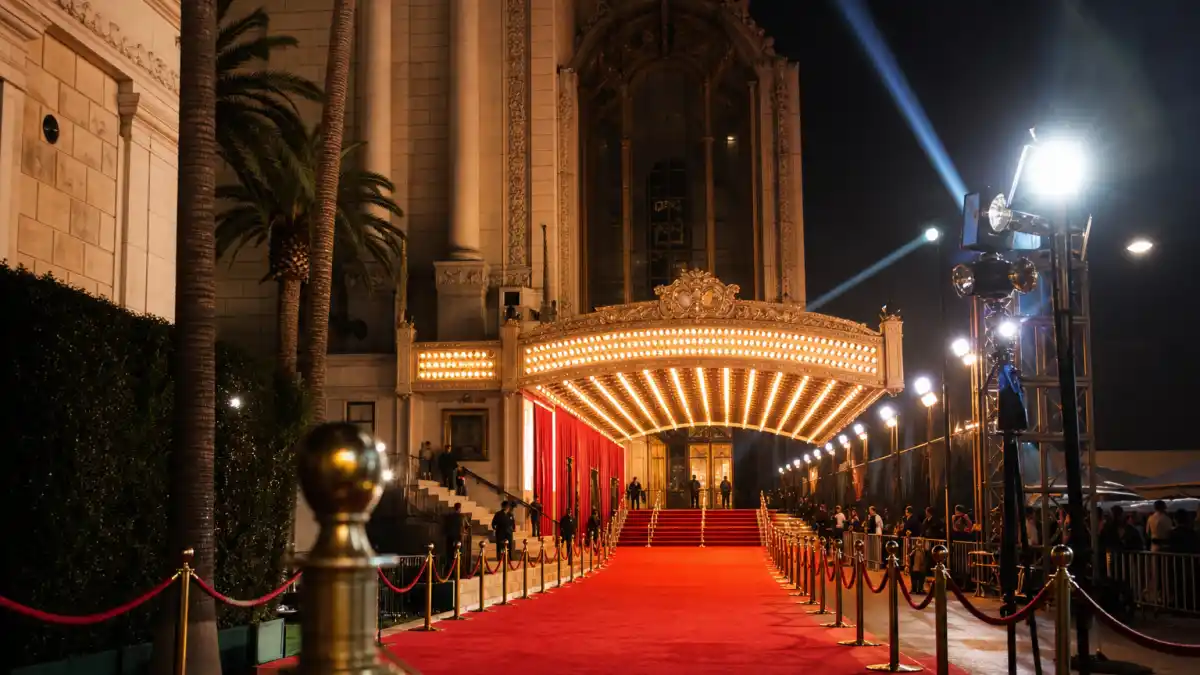
Where Are the Oscars Held Dolby Theatre Today
The Academy of Motion Picture Arts and Sciences signed a long-term agreement to stage the Oscars at the then-Kodak Theatre beginning with the 74th Academy Awards in March 2002. Developer CIM Group and architect David Rockwell designed the venue inside the Hollywood & Highland retail and entertainment complex specifically to host the ceremony — not as a retrofit of an existing concert hall. That distinction matters when fans ask where are the Oscars held: the building’s sightlines, backstage flow, and broadcast cable runs were planned around Oscar night before the first envelope opened on its stage.
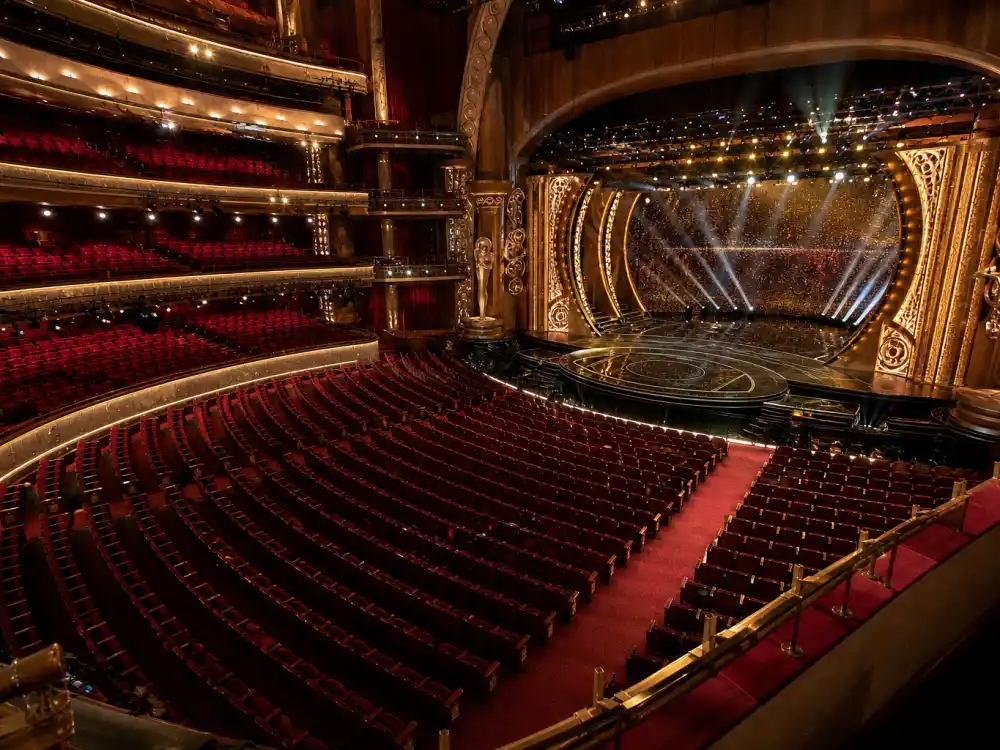
The auditorium holds roughly 3,400 guests, combining orchestra, mezzanine, and balcony levels with red velvet seating and ornate gold trim. A wide proscenium stage supports the presenter runway, winner walks, and musical numbers that producers squeeze into a telecast that typically runs three-plus hours. The Dolby Theatre also houses dressing rooms, a press-friendly backstage corridor, and loading docks sized for the trucks that transform the neighborhood each spring.
Eastman Kodak held naming rights from 2002 until 2012, when Dolby Laboratories became the title sponsor and the theatre was renamed. The Academy’s partnership with the venue has continued across multiple contract extensions — making Hollywood & Highland the longest continuous Oscar home since the Dorothy Chandler Pavilion’s multi-decade stretches in the late 20th century.
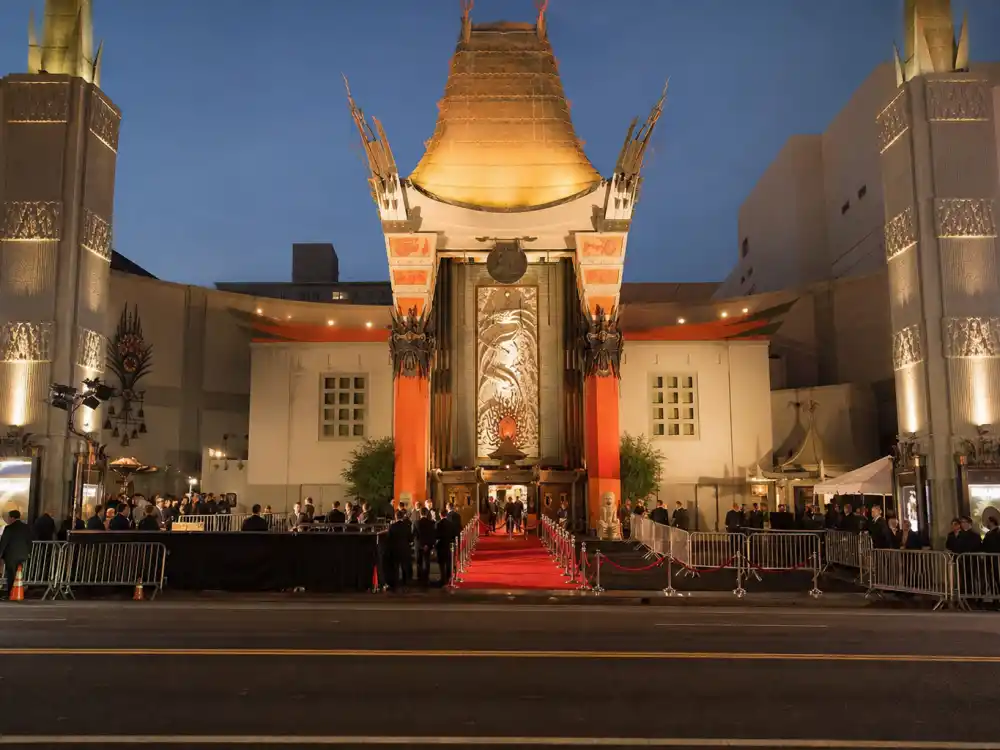
Hollywood & Highland: Location and Neighborhood Logistics
Hollywood & Highland sits at the intersection of Hollywood Boulevard and Highland Avenue in the Hollywood district of Los Angeles. Tourist attractions — the TCL Chinese Theatre forecourt, the Hollywood Walk of Fame, and hillside views toward the Hollywood sign — sit within walking distance. On Oscar Sunday the area becomes a secured broadcast zone: streets close, pedestrian flows reroute, and scaffolding rises for camera platforms along the red carpet.
Production teams treat the complex as a campus. Talent arrives via coordinated motorcade drop-offs on Highland or Orange Drive depending on the year’s security plan. Fan bleachers line portions of the carpet route, though most public viewing happens on television — only a limited number of bleacher tickets are distributed through Academy and sponsor programs each season.
Hotels in the immediate radius, including the adjoining Loews Hollywood Hotel, host industry parties and overflow press. The geography answers a practical piece of where are the Oscars held beyond the auditorium doors: the entire intersection operates as a temporary television studio for one night.
Red Carpet Route and Broadcast Setup
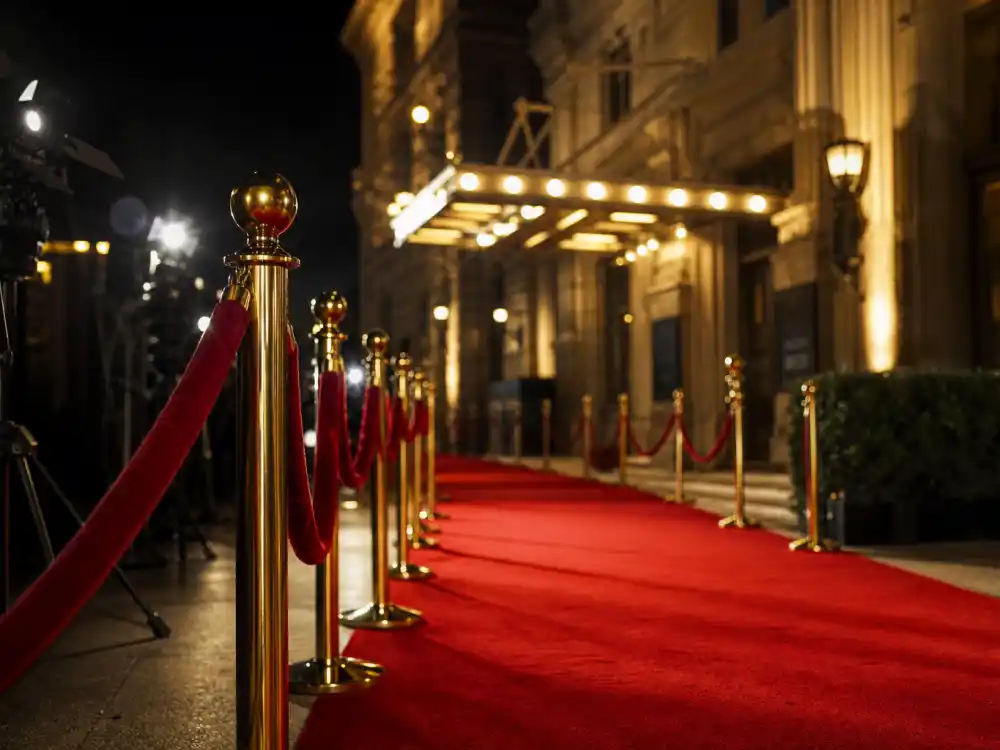
The Oscar red carpet is not a single straight line inside the theatre. Producers typically extend the carpet along Hollywood Boulevard and into the Hollywood & Highland archways, creating a long interview corridor where networks station their hosts. Stanchions, velvet ropes, and branded step-and-repeat walls segment talent flow so photographers capture arrivals before nominees enter the building.
Security screening happens at multiple checkpoints — credentials for press, staff, and guests differ by zone. The Academy coordinates with Los Angeles Police Department and private security firms to lock down blocks surrounding the Dolby. Helicopter shots viewers see on television often emphasize the carpet threading toward the theatre entrance with spotlights cutting through the night sky.
Weather is rarely a concern in Los Angeles, but producers maintain contingency plans for rain — including covered sections along the route. Understanding where are the Oscars held for red-carpet culture means recognizing the carpet as its own venue: a half-mile fashion and interview stage that precedes the seated ceremony.
Governors Ball and After-Party Locations
After the final award, winners and nominees head to the Governors Ball — the Academy’s official post-ceremony reception. In the Dolby era the ball has most often been held in the Ray Dolby Ballroom at the adjacent Loews Hollywood Hotel, part of the same Hollywood & Highland footprint. That proximity lets talent shuttle from the stage to dinner service without crossing the entire city.
The Governors Ball menu and design change annually under different lead chefs and production designers, but the location pattern keeps the after-party near the main venue. Separate studio and publicity after-parties — Vanity Fair, Netflix, and others — scatter across West Hollywood and Beverly Hills, yet the Academy’s own answer to where are the Oscars held after midnight usually stays steps from the theatre.
Can the Public Visit the Dolby Theatre?
Yes — on most days when the Oscars are not using the building. Dolby Theatre tours operate through the venue’s visitor program, walking guests through the auditorium, backstage corridors, and lobby spaces while guides explain how the ceremony transforms the hall. Tour schedules vary by season; Oscar rehearsal weeks and the ceremony itself block public access.
Tickets are sold online and at the Hollywood & Highland box office. Visitors see the Oscar telecast stage configuration only when crews have left sets standing — otherwise tours highlight the theatre’s concert and event history, including American Idol finales and other live broadcasts. For fans who want to stand where presenters walk, the tour is the practical way to experience where are the Oscars held without an Academy invitation.
The 2021 Union Station Exception
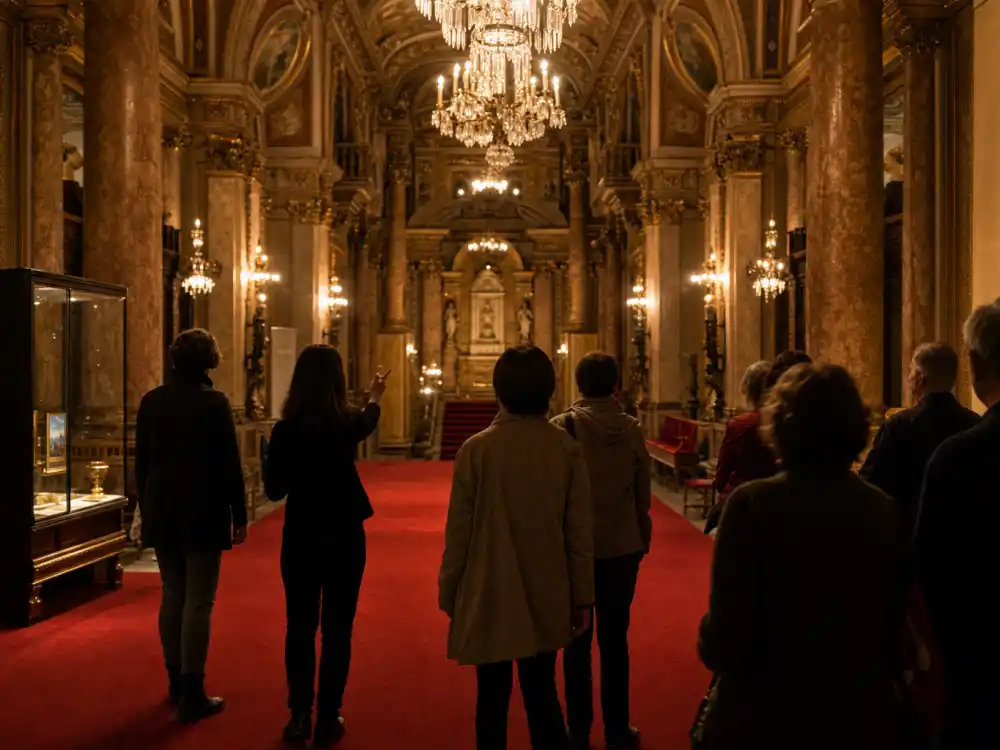
The 93rd Academy Awards on April 25, 2021, broke the Dolby streak. COVID-19 safety protocols moved the ceremony to Los Angeles Union Station’s historic Ticket Hall — an Art Deco train terminal downtown. The Academy built a scaled-down in-person audience with strict testing and distancing rules while nominees joined remotely from satellite sites.
Union Station offered cavernous ceilings and architectural grandeur without the 3,400-seat density of the Dolby. The one-year move proved where are the Oscars held can change when global health emergencies demand it, though the Academy returned to the Dolby Theatre for the 94th Oscars in March 2022. Union Station remains the most significant modern exception to the Hollywood & Highland era.
Every Oscars Venue Before the Dolby: A Historical Map
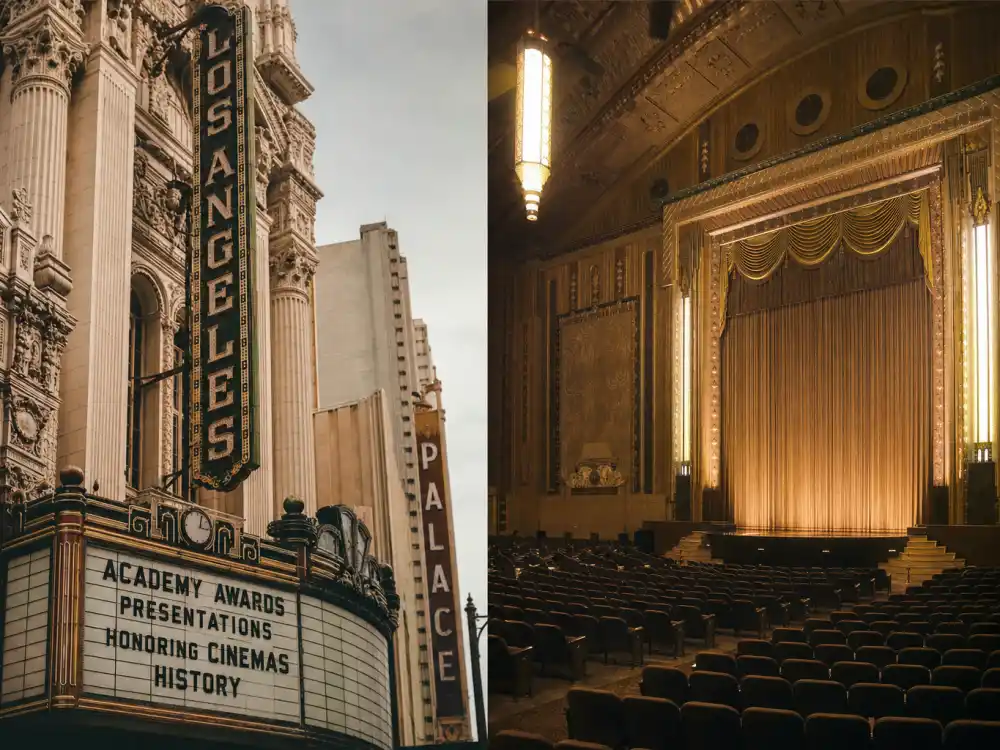
Hollywood’s relationship with its biggest night wandered across the city for decades. The first Academy Awards on May 16, 1929, were a private dinner at the Hollywood Roosevelt Hotel — reportedly about 270 guests paying $5 per ticket in the Blossom Room. No telecast existed; newspapers learned winners hours earlier.
Through the 1930s and early 1940s ceremonies bounced among hotel ballrooms — the Ambassador Hotel and Biltmore Hotel among them — keeping the event intimate. In 1944 the Oscars moved to Grauman’s Chinese Theatre (now TCL Chinese Theatre) for three years, then shifted to the Shrine Auditorium from 1947 through 1960 with occasional returns later.
The Dorothy Chandler Pavilion at the Music Center downtown hosted long stretches: 1961–1968, 1969–1987 (with Shrine gaps), 1990–1998, and 2000–2001. The Santa Monica Civic Auditorium held the show from 1961 through 1968 concurrently with Chandler in some years — Academy records show the Civic as a repeated coastal alternative when producers wanted a different backdrop.
The Shrine Auditorium — a 6,700-seat landmark near USC — hosted again in 1988–1989 and 1999 before the Kodak/Dolby era began. Each move reflected capacity needs, television camera requirements, and negotiations with venue owners. Mapping where are the Oscars held across time shows Los Angeles itself as the constant, even when the room changed.
Why the Academy Settled at Hollywood & Highland
By the late 1990s producers needed a permanent broadcast base with modern rigging, ample backstage, and a red-carpet footprint that television could brand annually. The custom-built Kodak Theatre promised exactly that — plus a commercial complex that could monetize tourism year-round. Long-term contracts reduced the scramble to rent and retrofit a different auditorium every few years.
Detractors occasionally argued the show should rotate cities for national appeal, but the Academy has stayed rooted in the industry’s geographic heart. When viewers ask where are the Oscars held, the business answer is a purpose-built Hollywood theatre tied to a decade-plus partnership — not a traveling stadium tour.
Fun Venue Facts Fans Still Debate
- Capacity vs. intimacy: The Dolby’s ~3,400 seats are far smaller than the Shrine’s 6,700 — producers traded raw headcount for broadcast-friendly sightlines.
- Name changes: Kodak Theatre (2002–2012) became Dolby Theatre (2012–present) without moving the building an inch.
- Stage weight limits: Musical numbers and set pieces must meet rigging specs engineered for the theatre — why elaborate staging sometimes scales back versus arena tours.
- Seat-fill rules: Producers assign orchestra seating to nominees, presenters, and guild leaders; balcony sections mix industry members and guests.
- Rehearsal weeks: The theatre closes to tours while crews run timing rehearsals — the same stage fans see on tours becomes a secured set.
Quick Reference: Current vs. Historic Homes
- Current home (2002–present, except 2021): Dolby Theatre, 6801 Hollywood Boulevard, Hollywood & Highland
- 2021 exception: Union Station Ticket Hall, downtown Los Angeles
- First ceremony (1929): Hollywood Roosevelt Hotel, Hollywood
- Longest pre-Dolby stretches: Dorothy Chandler Pavilion and Shrine Auditorium across multiple decades
- Red carpet: Hollywood Boulevard and Hollywood & Highland archways
- Governors Ball (recent pattern): Ray Dolby Ballroom, Loews Hollywood Hotel
- Public access: Dolby Theatre tours when ceremonies are not in rehearsal
Explore More Awards Coverage
- Learn ballot mechanics in our how are Oscar winners chosen voting explained guide.
- Browse every top winner in our Oscar Best Picture winners by year complete list.
- Visit our Awards archive for ceremony records and historical deep dives.