

In this article8 sections
- What Happened to the Backstreet Boys? The Short Answer
- Orlando Origins and the Boy-Band Factory
- Millennium, "I Want It That Way," and Peak Fame
- What Happened to the Backstreet Boys After the Hype Faded?
- DNA, Vegas, and the Second Act Nobody Expected
- Backstreet Boys Now: Where Are They in 2026?
- Why the Backstreet Boys Outlasted the Boy-Band Boom
- Explore More
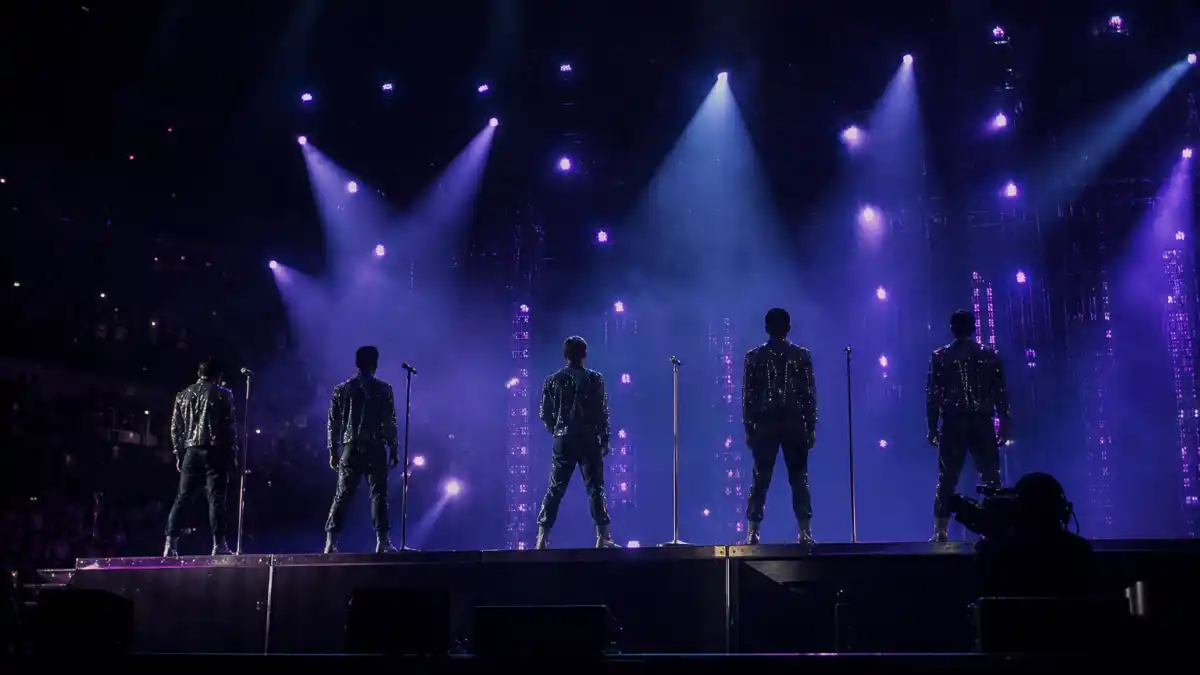
What happened to the Backstreet Boys is one of the most searched questions in all of 1990s pop nostalgia — and the answer is more surprising than the “where did they go?” myth suggests. The Backstreet Boys did not break up, get canceled, or vanish after the boy-band wars. They outlasted nearly every peer, survived label battles and lineup changes, kept harmonizing through adulthood, scored a late-career Billboard No. 1 album with DNA, filled Las Vegas residencies, and continued touring into 2026 while other groups stayed on indefinite hiatus. This is the full story of what happened to the Backstreet Boys, and where the band is now.
If you were a teenager when TRL ruled cable TV, the Backstreet Boys were probably in your Walkman, your bedroom poster rotation, or at least your lunch-table debate about who was the best boy band. Millennium, “I Want It That Way,” and synchronized arena choreography made them global — then the 2000s arrived, pop trends shifted, and fans assumed the group had dissolved like so many teen acts. Understanding what happened to the Backstreet Boys means separating breakup rumors from a band that never officially quit: five voices (sometimes four), decades of road work, solo detours, a Kevin Richardson exit and return, and a nostalgia economy that kept them on stage long after the critics moved on.
What Happened to the Backstreet Boys? The Short Answer
Here is what happened to the Backstreet Boys in a nutshell:
- 1993: The group forms in Orlando, Florida, assembled by manager Lou Pearlman in the same teen-idol ecosystem that later launched NSYNC.
- 1996–1999: International breakthrough, then U.S. superstardom with Backstreet’s Back and the Millennium era — including “I Want It That Way” and arena-scale tours.
- 2000–2005: Black & Blue keeps them at the top; internal label disputes and changing pop tastes slow the machine without ending the band.
- 2006: Kevin Richardson departs to pursue other interests; the quartet releases Unbreakable and This Is Us.
- 2012: Richardson rejoins; the classic five-man lineup returns for anniversary touring and new music.
- 2018–2019: Comeback singles and the DNA album — their first U.S. No. 1 album in nearly two decades.
- 2019–2024: The DNA World Tour crosses the globe; Las Vegas residency dates at Planet Hollywood anchor a mature fan base.
- 2025–2026: The Backstreet Boys remain an active touring act — not a reunion novelty, but a working band with decades of catalog depth.
Orlando Origins and the Boy-Band Factory
Long before anyone asked what happened to the Backstreet Boys, they were five strangers auditioning in Florida. Manager Lou Pearlman — who also shaped NSYNC — modeled the group after New Edition and New Kids on the Block: tight harmonies, choreographed movement, and a marketing plan as important as the music. AJ McLean, Howie Dorough, Nick Carter, Kevin Richardson, and Brian Littrell became the final lineup that fans would know for decades.
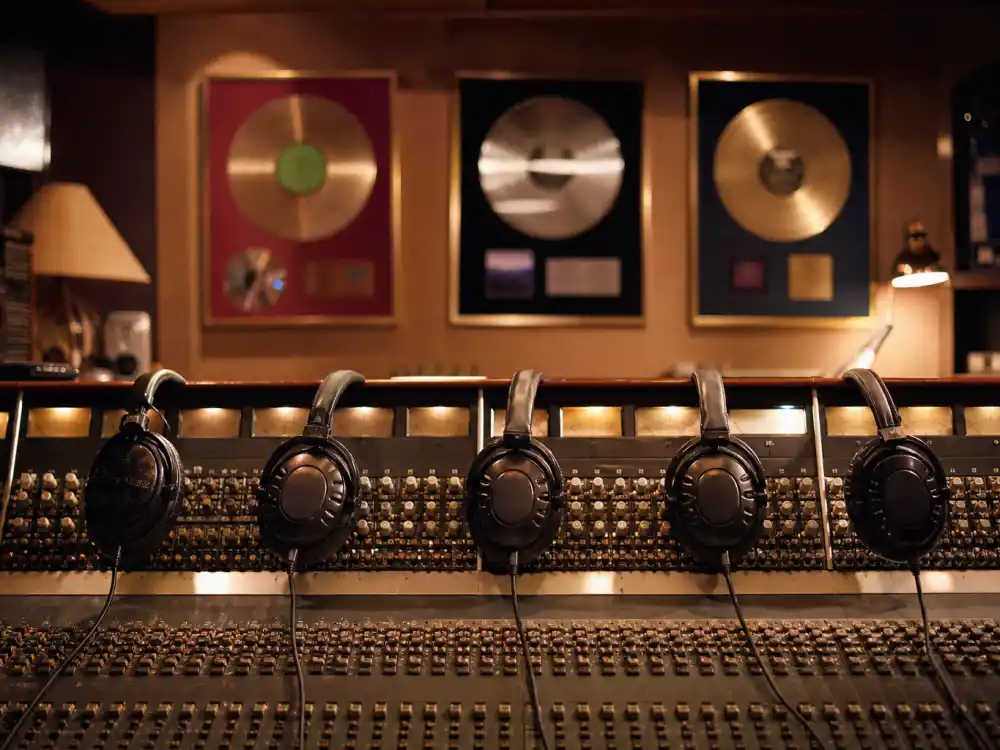
Europe embraced them before America fully did. Early albums moved millions overseas while U.S. radio caught up. That international base would matter later: when American teen pop cooled, the Backstreet Boys still had stadiums abroad willing to scream on cue. For the parallel story of their biggest rivals, see our deep-dive on what happened to NSYNC — a group that took a very different post-2002 path.
Millennium, “I Want It That Way,” and Peak Fame
For most fans, the answer to what happened to the Backstreet Boys starts with 1999. Millennium was a cultural event: first-week sales in the millions, singles everywhere, and “I Want It That Way” becoming one of the most recognizable pop songs on Earth. The Backstreet Boys were not a cable-TV curiosity — they were a global stadium act competing directly with NSYNC, Britney Spears, and the late-90s pop industrial complex.
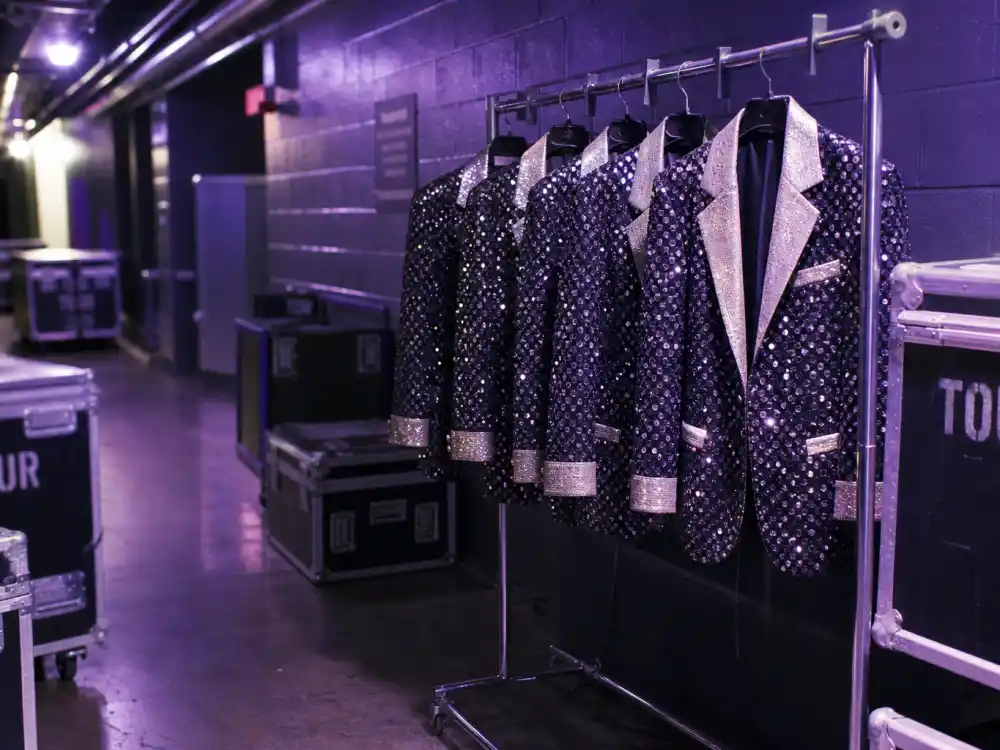
2000’s Black & Blue duplicated the formula with another massive first week, proving the band could repeat at the very top. But pop moves fast. By the mid-2000s, rock-leaning radio, hip-hop dominance, and aging teen audiences meant even superstars had to work harder for attention. What happened to the Backstreet Boys in this window was not collapse — it was normalization. They were no longer the center of culture, but they were still a band with contracts, fans, and flights to catch.
What Happened to the Backstreet Boys After the Hype Faded?
The early 2000s brought label disputes — including a high-profile break from their longtime Jive relationship — and the slow erosion of boy-band monoculture. While NSYNC entered an indefinite hiatus in 2002 and Justin Timberlake became a solo superstar, the Backstreet Boys kept recording and touring as a unit. That distinction is the core of what happened to the Backstreet Boys versus their peers: they treated pop stardom as a career, not a launchpad they all had to escape.
Kevin Richardson’s departure in 2006 was the first major public fracture. He stepped away to focus on family and other projects; the remaining four released Unbreakable (2007) and This Is Us (2009). Fans mourned the classic lineup, but the band did not disband. Richardson returned in 2012 for the 20th-anniversary cycle — a reunion that predated the nostalgia-tour boom and signaled how the Backstreet Boys understood their brand: the five together is the product.
Individual members navigated adulthood publicly. AJ McLean has been open about addiction recovery — a story he has discussed in interviews and memoir contexts with advocacy framing, not tabloid spectacle. Nick Carter faced personal tragedies and, in recent years, serious legal allegations that remain contested in court; we note them only where they affect public understanding of the band’s schedule and reputation, without treating unproven claims as fact. The through-line: the group kept booking shows even when solo headlines were complicated.
DNA, Vegas, and the Second Act Nobody Expected
If you stopped paying attention after 2001, what happened to the Backstreet Boys in the 2010s and 2020s looks like a plot twist. After years of steady touring and fan-campaign singles, the group dropped “Don’t Go Breaking My Heart” in 2018 — their first new music in half a decade — and followed with DNA (2019), which debuted at No. 1 on the Billboard 200. Decades in, the Backstreet Boys were chart-toppers again, not just nostalgia bait.
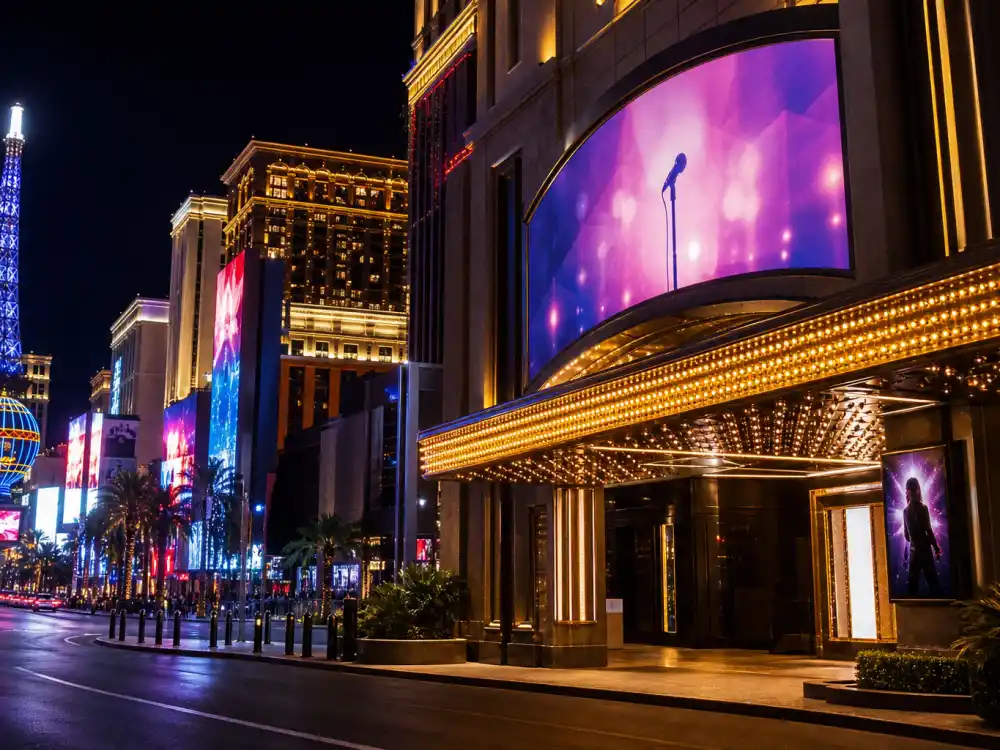
The DNA World Tour stretched across years and continents, playing to audiences who grew up on the catalog and brought their own children. Las Vegas residencies at Planet Hollywood (including extended 2024–2025 engagements reported in trade press) turned the band into a Strip institution — the kind of steady gig that keeps a legacy act solvent without chasing radio. For a solo-alumni comparison inside the same era, see what happened to Lance Bass of NSYNC — podcast host, author, and pop-culture fixture on a different track from arena harmonizing.
Backstreet Boys Now: Where Are They in 2026?
So where are the Backstreet Boys now? As of early 2026, all five classic members — McLean, Dorough, Carter, Richardson, and Littrell — remain associated with the band’s touring and brand. They are not trapped in a 1999 time capsule: setlists blend Millennium deep cuts with DNA tracks; staging is modern; audiences skew older and louder about mortgage payments than locker combinations.
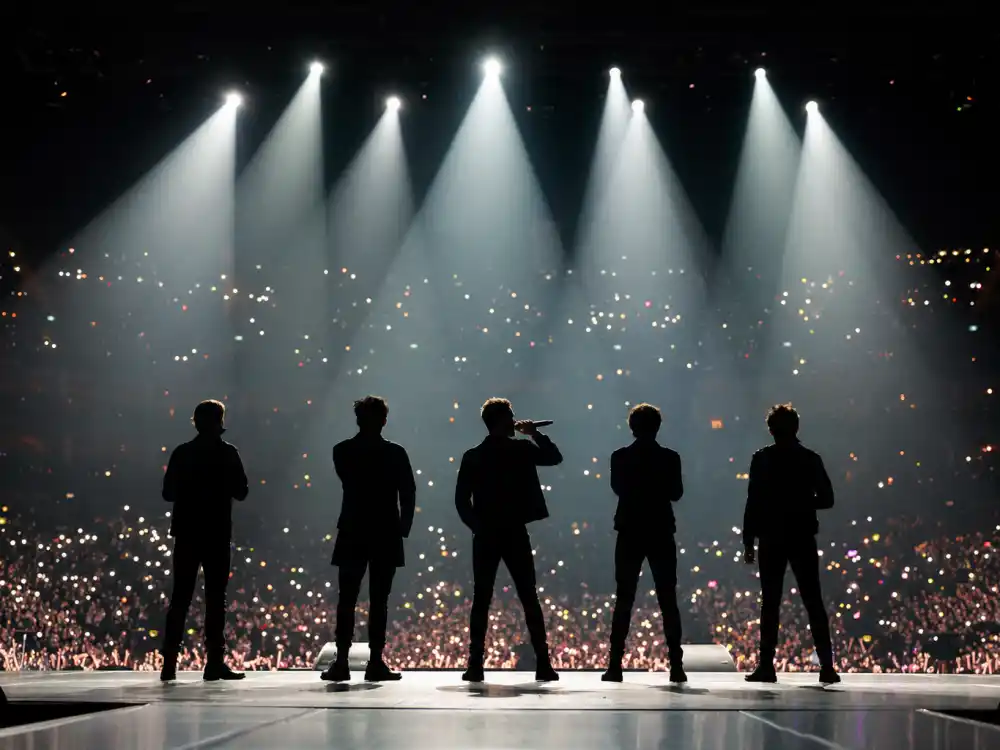
The honest answer to what happened to the Backstreet Boys is this: they survived the boy-band boom, the bust, the solo-career temptation, the lineup change, the streaming shift, and the meme cycle that turned “I Want It That Way” into eternal internet background noise. They did it by staying together longer than almost anyone predicted and by treating fans as a multigenerational community, not a expired demographic. They did not disappear — they aged into a live-music business model that rewards loyalty and volume singing.
Why the Backstreet Boys Outlasted the Boy-Band Boom
Industry analysts often compare the Backstreet Boys to NSYNC, but the outcomes diverged. NSYNC‘s indefinite hiatus cleared space for massive solo careers — especially Timberlake’s — while the Backstreet Boys kept the franchise intact. Neither path is inherently better; they reflect different ambitions. The Backstreet Boys bet on ensemble identity; that bet paid off in decades of ticket sales even when radio stopped caring.
They also benefited from timing: returning Kevin for anniversary marketing, leaning into Las Vegas when residencies became respectable for legacy acts, and releasing DNA when 30-something millennials had disposable income and childcare logistics for concert nights. What happened to the Backstreet Boys is partly talent and partly persistence — showing up in arenas while the culture assumed they had already retired.
Explore More
- Read what happened to NSYNC for the rival boy band’s very different post-2002 story.
- See what happened to Lance Bass for a solo-alumni path out of the same era.
- Compare comeback arcs in Brendan Fraser’s story — different medium, same theme of second acts.
- Track what happened to Taylor Lautner for another 2000s teen icon who rebuilt on his own terms.
For background, see the Backstreet Boys’ Wikipedia profile and reporting from Billboard, People, and Rolling Stone on the DNA album, Las Vegas residency, and ongoing tour activity.