

In this article10 sections
- What Happened to Shia LaBeouf? The Short Answer
- The Early Years: Comedy Clubs and Disney
- Blockbuster Fame: Disturbia, Transformers, and Indiana Jones
- The Pivot to Serious Film — and the First Cracks
- Legal Trouble, Accountability, and Rehab
- Honey Boy, The Peanut Butter Falcon, and Critical Redemption
- Faith, Treatment, and a Quieter Personal Life
- Megalopolis and the Uneven Comeback
- Shia LaBeouf Now: Where Is He in 2026?
- Explore More
What happened to Shia LaBeouf is one of the most searched questions in Hollywood — and the answer is more complicated than a single viral moment or a single headline. Shia LaBeouf went from a working-class kid doing stand-up in Los Angeles, to the face of the Disney Channel, to the lead of one of the biggest action franchises on Earth, to one of the most discussed public meltdowns of the 2010s, to a serious indie actor, to a man openly wrestling with faith, treatment, and accountability. This is the full story of what happened to Shia LaBeouf, told with context rather than cruelty — and where he is now in 2026.
For a generation that grew up on Even Stevens and then watched him save the world in Transformers, the arc can feel almost unbelievable. He was never just a punchline, and he was never just a saint. Understanding what happened to Shia LaBeouf means following the whole path: the extraordinary early success, the pressure that came with it, the behavior that hurt people and cost him work, the legal and personal consequences, and the slow, uneven attempt to rebuild.
What Happened to Shia LaBeouf? The Short Answer
If you only have thirty seconds, here is what happened to Shia LaBeouf in a nutshell:
- 1986–2003: He grows up in Los Angeles, lands Disney Channel’s Even Stevens, and wins a Daytime Emmy.
- 2007–2011: He becomes a global star as Sam Witwicky in three Transformers films and joins the Indiana Jones franchise.
- 2012–2014: He pivots toward auteur-driven films (Lawless, Nymphomaniac, Fury) while his off-screen behavior draws increasing scrutiny.
- 2014–2020: A string of public incidents, arrests, rehab, and a high-profile abuse lawsuit reshape his reputation.
- 2019–2023: He writes and stars in the semi-autobiographical Honey Boy, wins critical praise, converts to Catholicism, and enters treatment programs.
- 2024–2026: He returns in Francis Ford Coppola’s Megalopolis and continues selective indie work while living a lower-profile personal life.
The Early Years: Comedy Clubs and Disney
Shia Saide LaBeouf was born on June 11, 1986, in Los Angeles. His parents’ relationship was turbulent — his father struggled with addiction, and money was often tight. Young Shia found an outlet in performance: he began doing stand-up comedy as a child after his parents noticed how much he loved making people laugh.
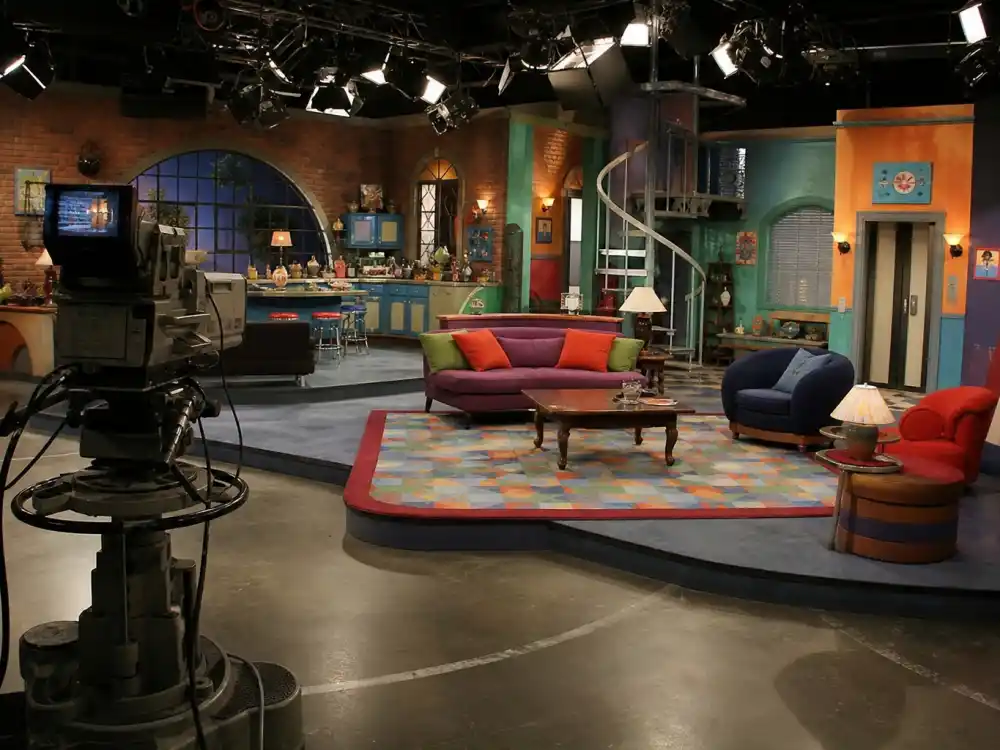
That hustle led to small TV roles, then to the role that changed everything. From 2000 to 2003, he starred as Louis Stevens on Disney Channel’s Even Stevens, a sharp, physical comedy about a prank-loving kid in a seemingly perfect family. The show was a hit, and in 2003 LaBeouf won a Daytime Emmy for Outstanding Performer in a Children’s Series — rare validation that he was more than a disposable teen face.
He quickly proved he could hold a movie too. Holes (2003) showed range and grit, and by the mid-2000s he was being talked about as one of the few child stars who might actually survive the transition to adult stardom. He was right — but the scale of what came next was bigger than anyone expected.
Blockbuster Fame: Disturbia, Transformers, and Indiana Jones
The late 2000s turned Shia LaBeouf into a bankable leading man almost overnight. Disturbia (2007) was a slick teen thriller that performed well, but it was Michael Bay’s Transformers (2007) that made him a global name. As Sam Witwicky, the everykid pulled into a war between Autobots and Decepticons, LaBeouf was funny, relatable, and unmistakably the emotional center of a franchise that printed money.
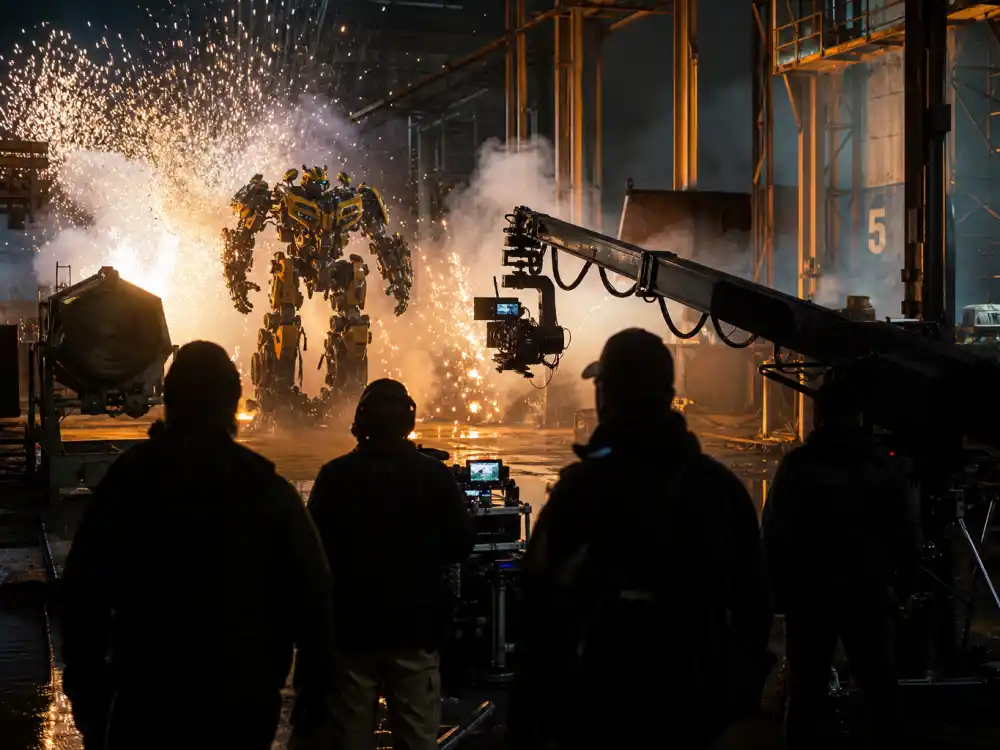
Transformers: Revenge of the Fallen (2009) and Transformers: Dark of the Moon (2011) followed, along with high-profile roles in Indiana Jones and the Kingdom of the Crystal Skull (2008) and Oliver Stone’s Wall Street: Money Never Sleeps (2010). At his peak, he was everywhere: premieres, magazine covers, late-night interviews. Behind the scenes, though, many who worked with him later described a young man struggling with fame, family history, and substance use — pressures that do not show up on a red carpet photo.
The Pivot to Serious Film — and the First Cracks
What separates Shia LaBeouf from many peers is that he did not stay in the blockbuster lane forever. He sought out difficult directors and difficult roles: bootlegging drama Lawless (2012), Lars von Trier’s Nymphomaniac (2013), David Ayer’s tank-crew war film Fury (2014). The work suggested ambition. The headlines, increasingly, suggested chaos.
Between 2014 and 2017, a series of public incidents made “what happened to Shia LaBeouf” a constant search trend. There was the 2014 arrest at a Broadway performance of Cabaret in New York, where he was removed for disruptive behavior. There were DUI-related arrests, an anti-Trump art installation that drew mixed reactions, and the viral “Just Do It” motivational speech that became a meme whether he intended it or not. Some of it read as performance art; some of it read as a person in genuine distress. Often it was both.
Legal Trouble, Accountability, and Rehab
This is the chapter many people mean when they ask what happened to Shia LaBeouf — and it deserves to be stated plainly, without sensationalism. LaBeouf faced real legal consequences for his behavior, including guilty pleas related to disorderly conduct stemming from the Cabaret incident and court-ordered treatment. In 2017 and again in 2020, he entered rehab and publicly discussed working on sobriety and mental health.
In December 2020, singer FKA twigs (Tahliah Barnett) filed a civil lawsuit alleging abuse during a prior relationship. LaBeouf denied some claims and acknowledged others, and the case was settled in 2022 without a trial. Settlements are not admissions of guilt in a criminal sense, but the allegations were serious, widely reported, and damaged his standing in the industry. Any honest account of what happened to Shia LaBeouf must include that harm was alleged by a partner — and that accountability, not comeback marketing, is what survivors and audiences rightly care about.
Honey Boy, The Peanut Butter Falcon, and Critical Redemption
Even during his lowest public moments, LaBeouf kept working — often in indie film, often playing versions of himself. American Honey (2016) earned strong reviews at Cannes. The Peanut Butter Falcon (2019), a warm road-trip drama with Zack Gottsagen, became a word-of-mouth hit. Most importantly, Honey Boy (2019), which LaBeouf wrote based on his own childhood and rehab experiences and starred in as a stand-in for his father, was hailed as raw, self-critical, and artistically fearless.
That film reframed the conversation for many critics: what happened to Shia LaBeouf was not only tabloid chaos — it was also a performer using art to process trauma, addiction, and a complicated father-son relationship. It did not erase the allegations or the arrests, but it showed a different muscle: honesty on screen rather than provocation off it.
Faith, Treatment, and a Quieter Personal Life
In interviews during his recovery period, LaBeouf spoke about converting to Catholicism, studying Padre Pio, and finding structure in faith and therapy. He played the title role in Abel Ferrara’s Padre Pio (2022), a choice that aligned with his public spiritual turn. He has also described participating in treatment programs, including a residential program in Utah that he discussed candidly with interviewers.
Importantly, faith and good performances are not a substitute for accountability to people he may have hurt. Fans and colleagues have been divided: some root for recovery, others argue he should not be platformed. That tension is part of his story in 2026, not an afterthought.
Megalopolis and the Uneven Comeback
By 2024, LaBeouf was back on the biggest possible stage — sort of. Francis Ford Coppola’s decades-in-the-making epic Megalopolis premiered at Cannes and opened in theaters amid enormous hype and equally enormous controversy. LaBeouf played Clodio Pulcher, a scheming political figure in Coppola’s Roman-inspired futurist fable. The film’s reception was sharply divided; LaBeouf’s red-carpet appearances generated their own headlines, including reported tension with co-star Grace VanderWaal.
Whether Megalopolis counts as a “comeback” depends on who you ask. The movie did not restore him to Transformers-level fame, but it proved major directors were still willing to cast him in substantial roles — a sign that Hollywood’s relationship with troubled talent remains complicated and case-by-case.
Shia LaBeouf Now: Where Is He in 2026?
So where is Shia LaBeouf now? As of 2026, he continues to work selectively in film and keeps a relatively low profile compared with his peak tabloid years. He has appeared in indie and mid-budget projects rather than franchise tentpoles, and he has not returned as a weekly talk-show fixture. He turned 39 in June 2025 and has spoken in recent interviews about prioritizing sobriety, fatherhood, and craft over fame for its own sake.
The honest answer to what happened to Shia LaBeouf is this: a wildly talented kid was handed the kind of fame that breaks people, delivered some of the most profitable performances of the 2000s, hurt his own reputation through public behavior and serious allegations, sought help and found partial artistic renewal, and is still writing the next chapter. It is not a neat redemption arc. It is a real one — and it is still unfolding.
Explore More
- Browse our full Celebrities coverage and updates.
- Catch up on the latest in Movies — from blockbusters to indie comebacks.
- See where other former child stars landed in our TV archives.
For background, see Shia LaBeouf’s Wikipedia profile and reporting from The New York Times on his legal and career developments.