

In this article11 sections
- What Happened to Mystikal? The Short Answer
- New Orleans Roots and the Bounce DNA
- No Limit Soldiers and the Road to Let's Get Ready
- Shake Ya Ass Era: When Mystikal Owned 2000
- The First Conviction and Six Years Away
- 2010 Release, Music Attempts, and TV Visibility
- The Second Case and 2016–2019 Headlines
- Mystikal Now: Legacy, Streaming, and 2026 Reality
- Why the Search Never Fades
- Why Mystikal Still Matters to Hip-Hop History
- Explore More
What happened to Mystikal is one of the loudest questions in early-2000s Southern rap nostalgia — and the answer is not a simple “he retired after one hit.” Michael Lawrence Tyler, the gravel-voiced New Orleans MC known as Mystikal, did not quietly fade when the No Limit tank era cooled. He stormed MTV with Let’s Get Ready, made “Shake Ya Ass” and “Danger (Been So Long)” inescapable, then watched chart momentum collide with felony convictions, prison years, a brief post-release comeback, and a second wave of serious charges that pulled him back into courtrooms for most of the 2010s and beyond. This is the full story of what happened to Mystikal, handled with the gravity the legal record demands, and where the rapper stands in 2026.
If your memory freezes Mystikal at the height of bounce-chant dominance — camouflage energy, Master P’s empire, hooks that sounded like a parade in your speakers — you are not alone. Search traffic for what happened to Mystikal spikes whenever a 2000s hip-hop playlist trends, a true-crime headline resurfaces, or a younger fan discovers “Danger” on streaming and asks why the voice vanished from radio. His arc is not just a cautionary tale about one bad night. It is a story about New Orleans bounce meeting national pop-rap, No Limit’s factory model, an unmistakable vocal attack, fame interrupted by sexual assault convictions, a 2010 release that briefly reopened the door, and later charges that kept his name in legal coverage more than on festival marquees. Understanding what happened to Mystikal means tracking six chapters: Ninth Ward roots, No Limit breakthrough, the Let’s Get Ready peak, the first prison sentence, the attempted comeback, and the second conviction era that defines his 2026 status.
What Happened to Mystikal? The Short Answer
Here is what happened to Mystikal in a nutshell:
- Birth & origin: Michael Lawrence Tyler, born September 22, 1970, in New Orleans, Louisiana; raised in the city’s hip-hop and bounce culture; turned 55 in 2025 and is 55 through most of 2026.
- Breakthrough: Early Jive Records releases, then alignment with Master P and No Limit Records — tank-era marketing and Southern rap ubiquity.
- Peak: Let’s Get Ready (2000) — “Shake Ya Ass,” “Danger (Been So Long)” with Nivea, Grammy nominations, arena-level energy.
- First legal chapter: 2002 guilty plea to sexual battery involving a former employee; sentenced to six years; released January 2010.
- Post-prison window: Independent music, reality TV appearances, nostalgia touring pockets — momentum never fully returned to 2000 levels.
- Second legal chapter: 2016 arrest and later convictions tied to a former partner; 2019 Louisiana sentence of 20 years (with credit for time served) — dominated headlines for years.
- Current status (2026): Catalog still streams; public life remains defined by legal obligations and incarceration headlines more than new chart runs — alive, culturally remembered, legally complicated.
New Orleans Roots and the Bounce DNA
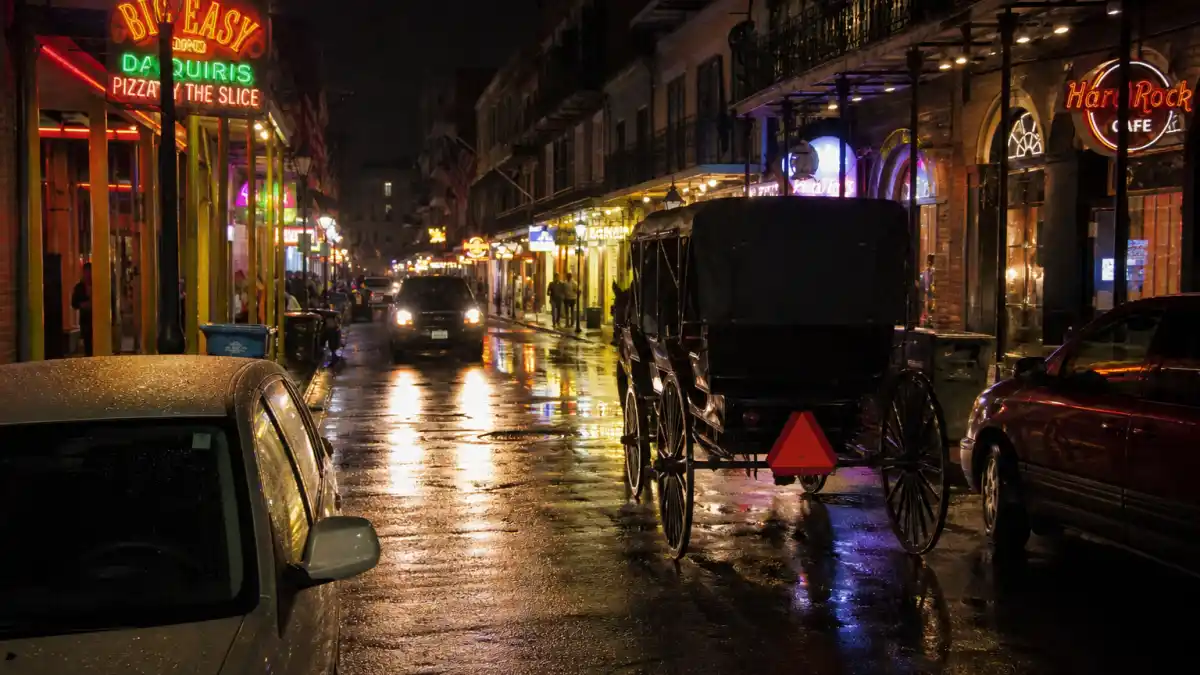
Any honest answer to what happened to Mystikal starts in Louisiana humidity, not a Los Angeles boardroom. Tyler grew up in New Orleans amid second-line rhythms, brass-band cadence, and the bounce scene that made local clubs feel like sporting events. He served in the U.S. Army before committing fully to rap — discipline and aggression that later showed up in his stage presence. Early singles on Jive proved he could rap fast, growl hooks, and command attention without sounding like East Coast or West Coast copycats.
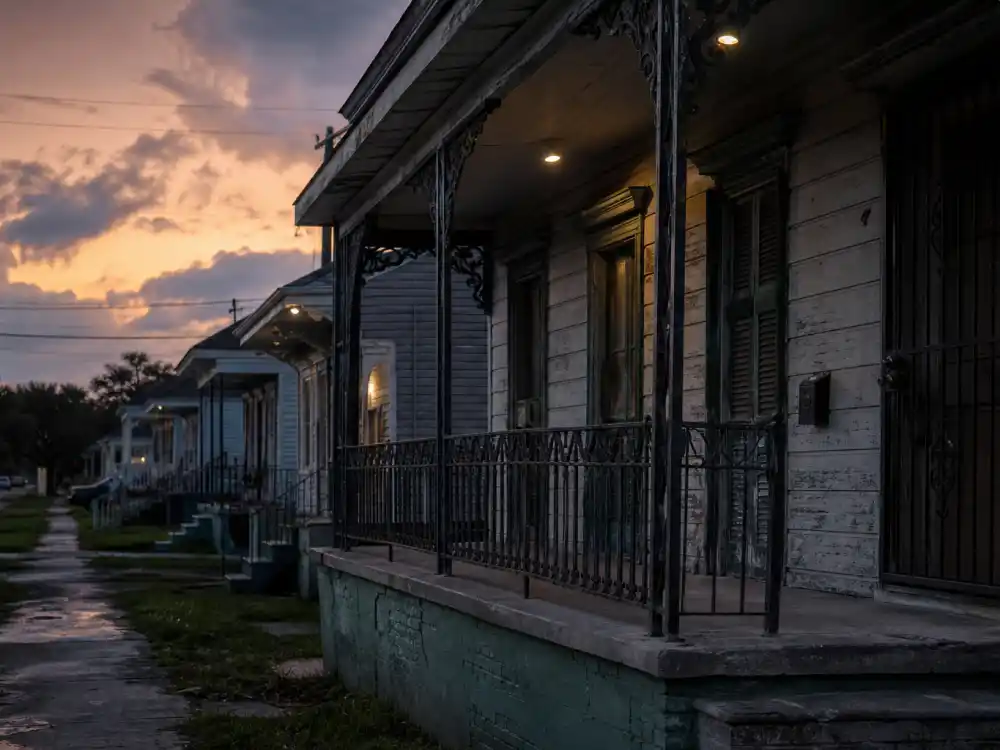
When Master P’s No Limit empire was rewriting how independent labels could flood stores with volume, Mystikal became a flagship voice — not the CEO, but one of the soldiers whose growl cut through camouflage aesthetics and tank imagery. That regional authenticity is why millennials still associate what happened to Mystikal with Louisiana first, charts second.
No Limit Soldiers and the Road to Let’s Get Ready
The chapter that explains what happened to Mystikal commercially is the late-1990s through 2000 No Limit run. Albums like Unpredictable and Ghetto Fabulous built a fan base; distribution muscle and Master P’s marketing blitz turned Southern rap into a national retail category. Mystikal’s delivery — part preacher, part linebacker — fit the label’s maximalist style.
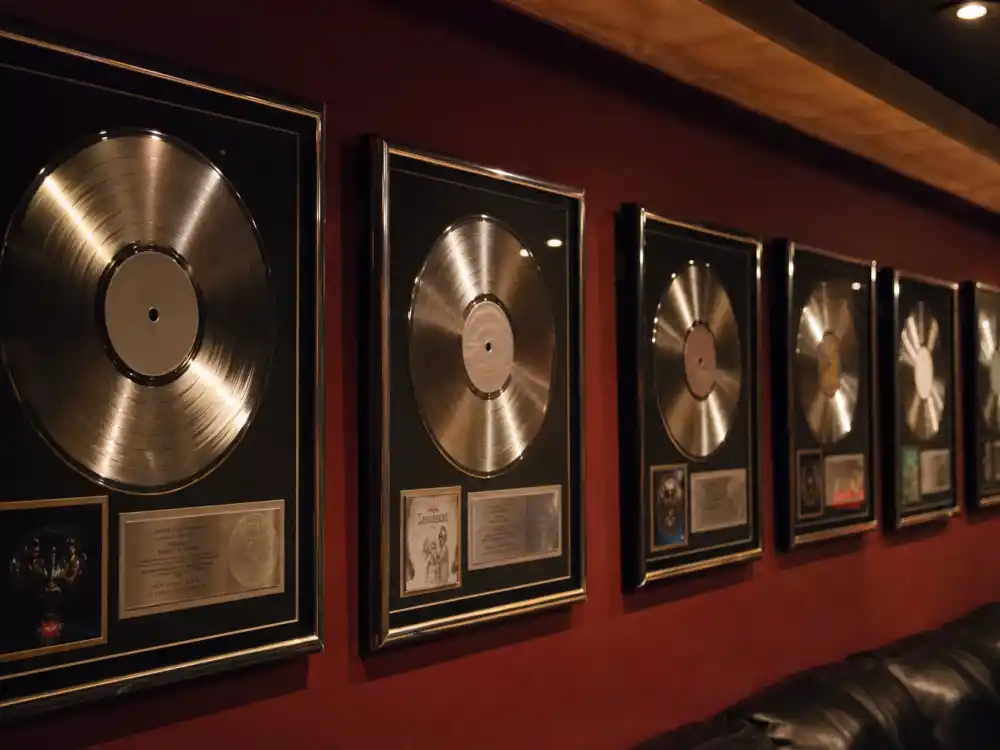
By Let’s Get Ready (2000), he crossed over without softening. “Shake Ya Ass” became a club mandate; “Danger (Been So Long)” with Nivea blurred hip-hop and pop radio; “I Rock, I Roll” kept the energy raw. Grammy nominations followed. On paper, what happened to Mystikal after 2000 should have been another decade of headlining slots and sequels. In reality, legal catastrophe arrived at the peak of name recognition.
Shake Ya Ass Era: When Mystikal Owned 2000
The moment that still drives what happened to Mystikal searches is the Y2K summer. Let’s Get Ready debuted at No. 1 on the Billboard 200 — a statement that bounce-adjacent rap could sit atop the entire industry. Videos leaned on parade energy, neon clubs, and humor; live shows felt like contact sports with choreography. Critics sometimes dismissed No Limit excess, but Mystikal’s voice was not interchangeable — it was a weapon and a hook machine in one.
Compare another Southern rapper navigating fame and courts in what happened to Ja Rule — different crimes and outcomes, same era of hip-hop royalty meeting felony headlines. Mystikal’s peak was shorter on radio, but equally loud in memory.
The First Conviction and Six Years Away
If you only read one section about what happened to Mystikal, read this — with care for survivors. In 2002, Tyler pleaded guilty to sexual battery after forcing a former hairstylist to perform a sex act; prosecutors and reporting at the time described the crime in explicit terms. He received a six-year state sentence and served roughly that term, emerging in January 2010 while many peers were still scoring hits.
That gap matters culturally: fans who discovered him on MTV in 2000 were in their thirties when he returned, algorithms had not yet resurrected every hook automatically, and the #MeToo era later reframed how media discusses artists with sexual violence convictions. USA Celebs reports the public record; we do not glamorize prison as redemption theater.
2010 Release, Music Attempts, and TV Visibility
What happened to Mystikal after the first release was a partial reopening. He dropped projects including the 2012 EP if Upon a Time, collaborated with Mark Ronson on “Mark Ronson Record Collection” era remix culture, and appeared on reality television (From G’s to Gents, later Master P’s Family Empire) where cameras loved his personality even when radio hesitated. Nostalgia tours and festival cameos flickered — enough to prove the voice still excited rooms, not enough to restore 2000 chart gravity.
Streaming eventually made “Danger” and “Shake Ya Ass” perpetual; what happened to Mystikal financially benefited from publishing even when headlines turned grim again.
The Second Case and 2016–2019 Headlines
What happened to Mystikal in the mid-2010s was darker and more complex. Louisiana authorities arrested him in 2016 amid allegations involving a former partner — charges included kidnapping and sexual assault in reporting from outlets including The Advocate and national music press. After years of pretrial proceedings, he pleaded guilty to lesser counts in 2018; in 2019 a judge sentenced him to 20 years in state prison with credit for time served. Appeals, bond disputes, and registration violations kept his name in news through the early 2020s.
Readers searching what happened to Mystikal in 2026 often want one binary answer — “free or not?” The accurate version is legal status has continued to shift with appeals, reporting on incarceration, and state registration requirements. He is not touring like what happened to Nelly on summer amphitheater bills; he is a case study in how felony sexual violence cases can end careers twice.
Mystikal Now: Legacy, Streaming, and 2026 Reality
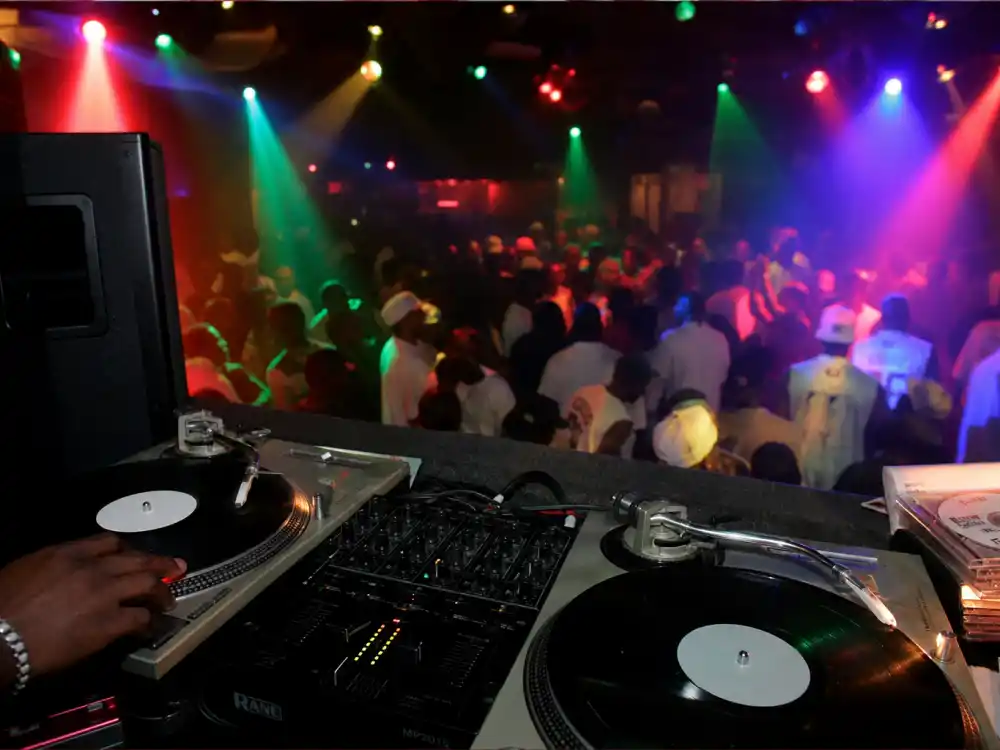
What happened to Mystikal now, in 2026, is split between catalog immortality and personal constraint. The hooks remain — DJs still drop “Shake Ya Ass” when they want instant crowd physics. Hip-hop historians cite No Limit’s distribution model and Mystikal’s vocal identity as part of the Southern takeover narrative. Yet the man behind the voice is not positioned for a glossy VH1 redemption arc; legal obligations and public reporting on sentences dominate over new album cycles.
He is alive at 55, remembered vividly for early-2000s New Orleans rap, and discussed responsibly only when facts — pleas, sentences, releases, re-arrests — are separated from nostalgia memes. Fans deserve the party classics; survivors deserve clarity that convictions were real and serious.
Why the Search Never Fades
Unlike one-hit ringtone flashes, Mystikal owns multiple anthems and a No Limit visual brand that TikTok rediscovers every few years. Search spikes when:
- 2000s hip-hop playlists trend on streaming;
- true-crime or legal podcasts revisit celebrity convictions;
- No Limit documentaries or Master P interviews circulate;
- fans compare Southern rap arcs in Ja Rule or Nelly threads;
- a new generation hears “Danger” and asks where the voice went.
The honest answer to what happened to Mystikal is this: he won the charts, lost freedom twice to the courts, and left a bounce-era sound that still moves crowds when the DJ presses play — even when the artist cannot headline those rooms the same way again.
Why Mystikal Still Matters to Hip-Hop History
Critics sometimes reduce Mystikal to legal headlines, but the metrics and timbre disagree. A No. 1 album, Grammy-nominated singles, and a delivery that influenced how aggressive hook-rap could sound on pop radio are real artifacts. His story also maps what happens when regional empire builders scale nationally — then individual choices trigger consequences no label marketing can spin away.
Explore More
- Read what happened to Ja Rule for another early-2000s rapper whose fame collided with courts and feuds.
- See what happened to Nelly for a different Southern crossover giant still touring in the 2020s.
- Track what happened to Ashanti for Murder Inc. era pop-rap nostalgia parallel to Mystikal’s radio years.
- Browse our full Celebrities archive and Pillar E “where are they now” updates.
- Compare label-era chaos in what happened to Lauryn Hill — different genre, same question of fame versus legal gravity.
For background, see Mystikal’s Wikipedia profile and reporting from Billboard, Rolling Stone, and NOLA.com on his convictions, sentences, and post-2010 career moves.