

In this article10 sections
- What happened to Manti Teo: What Happened and Why It Matters
- Before Notre Dame: Laie, Hawaii, and Football Faith
- The 2012 Season: Heisman Hype and a Nation's Sympathy
- The Catfish Scandal: Lennay Kekua and Ronaiah Tuiasosopo
- Fallout, Draft Stock, and the NFL Years
- Netflix, Redemption Narratives, and Telling His Side
- Marriage, Fatherhood, and Life in Utah Now
- Why "What Happened to Manti Te'o?" Never Fades
- What's Next for Manti Te'o?
- Explore More
what happened to Manti Teo — What happened to Manti Te’o is one of the most searched questions in modern sports history — because he was the Hawaii-born Notre Dame linebacker who played through grief on national television, finished second in the 2012 Heisman Trophy race, led the Fighting Irish to the BCS National Championship Game, then watched his world collapse when Deadspin revealed that Lennay Kekua — the girlfriend he said died of leukemia — never existed. The Manti Te’o catfish scandal became a permanent internet meme, a case study in online deception, and the strangest subplot ever attached to a college football season. Manti Te’o did not disappear after the hoax. He was drafted in the second round by the San Diego Chargers, played six NFL seasons, married influencer Jovi Nicole, became a father, starred in Netflix’s Untold: The Girlfriend Who Didn’t Exist, and in 2026 lives a quieter life in Utah built around faith, family, and the long work of moving past the most bizarre scandal the NFL draft class of 2013 ever produced. As of 2026, what happened to Manti Te’o is both a redemption story and a cautionary tale about how fast a hero narrative can curdle when the girlfriend who never was stops being private grief and becomes global punchline.
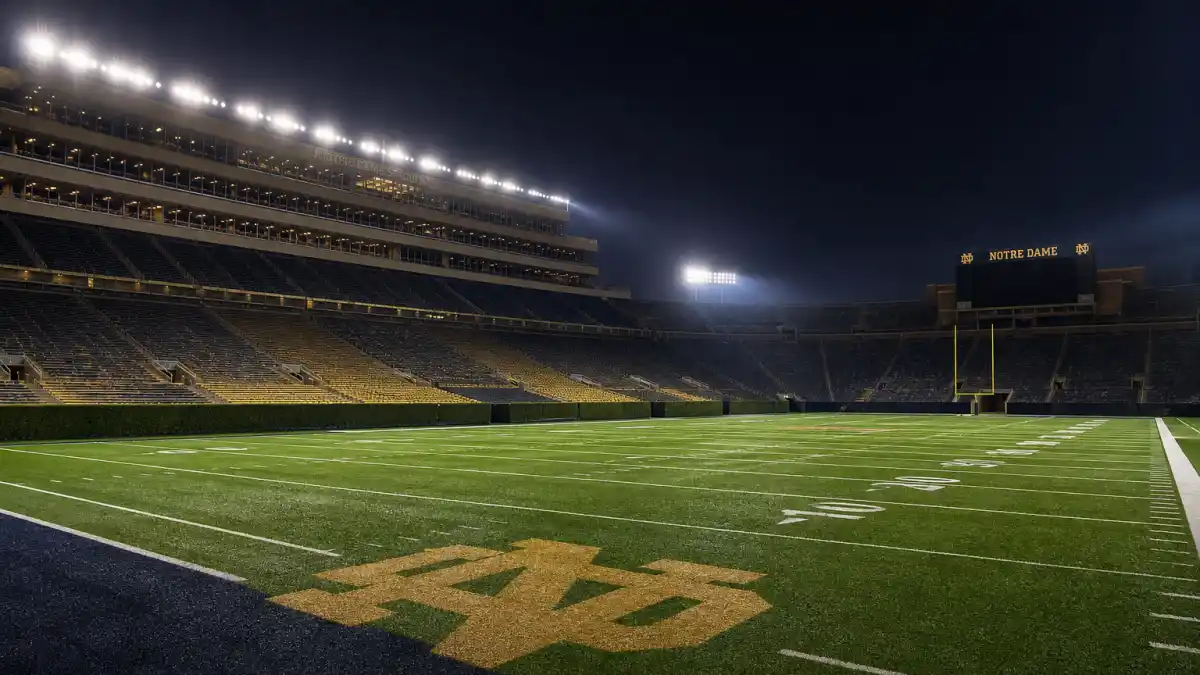
If your mental image is Notre Dame Stadium under the lights and a linebacker pointing to the sky for a lost love, you are not alone. Search volume for what happened to Manti Te’o spikes whenever Netflix reruns the Untold documentary, when catfish stories trend on social media, or when another athlete’s off-field drama invites comparisons to the Lennay Kekua saga. Te’o’s arc is not a simple “where did he go?” mystery — it is a collision of Samoan-American culture, Mormon faith, elite college football, tabloid media hunger, and a perpetrator named Ronaiah Tuiasosopo who later said he fell in love with the linebacker he was impersonating online. Understanding what happened to Manti Te’o means tracking his Laie, Hawaii roots, the Notre Dame rise, the fake girlfriend narrative, the January 2013 Deadspin bombshell, the NFL years, the documentary reckoning, and the family-and-faith chapter still unfolding in 2026.
What happened to Manti Teo: What Happened and Why It Matters
Here is what happened to Manti Te’o in a nutshell:
- Birth & age: Manti Malietau Louis Te’o, born January 26, 1991, in Laie, Hawaii; Samoan-American; raised LDS (Mormon); he turned 35 in 2026.
- Notre Dame peak: Linebacker 2009–2012; consensus All-American; Heisman Trophy runner-up 2012 (second to Johnny Manziel); led Notre Dame to an undefeated regular season and the 2013 BCS National Championship Game (lost to Alabama).
- The Lennay Kekua story: Te’o publicly described a girlfriend who battled leukemia and died in September 2012 — a narrative that drew national sympathy during the Irish’s magical season.
- Catfish revelation: In January 2013, Deadspin reported Lennay Kekua did not exist; Ronaiah Tuiasosopo admitted creating the persona; Te’o said he was the victim of an elaborate online hoax and denied being in on a publicity stunt.
- NFL career: Second-round pick (#38 overall) by the San Diego Chargers in 2013; also played for the New Orleans Saints (2017–2018); brief time with the Chicago Bears organization; six seasons, primarily as a linebacker and special-teamer.
- Personal life: Married Jovi Nicole Engbino in 2020; the couple has daughters and shares faith-centered family content; based in Utah.
- Documentary: Netflix Untold: The Girlfriend Who Didn’t Exist (2022) revisited the scandal with Te’o, Tuiasosopo, and journalists — humanizing the victim narrative for a new generation.
- 2026 status: No longer playing professional football; focused on family, faith community, selective media appearances, and managing the permanent cultural footprint of the catfish story.
Before Notre Dame: Laie, Hawaii, and Football Faith
Any honest answer to what happened to Manti Te’o starts on Oahu’s North Shore, not on a late-night talk show. Born in Laie — a tight-knit LDS community home to Brigham Young University–Hawaii — Te’o grew up in a large Samoan-American family where church, discipline, and football intertwined. He starred at Punahou School (the same Honolulu powerhouse that produced Barack Obama and DeForest Buckner), earned national recruiting attention, and committed to Notre Dame, where he would become the emotional face of a program trying to reclaim championship relevance.
That foundation matters when explaining what happened to Manti Te’o: he was not a fringe player who stumbled into scandal. He was a legitimate defensive star whose hits and leadership were real even when the relationship that defined his public grief was not.
The 2012 Season: Heisman Hype and a Nation’s Sympathy
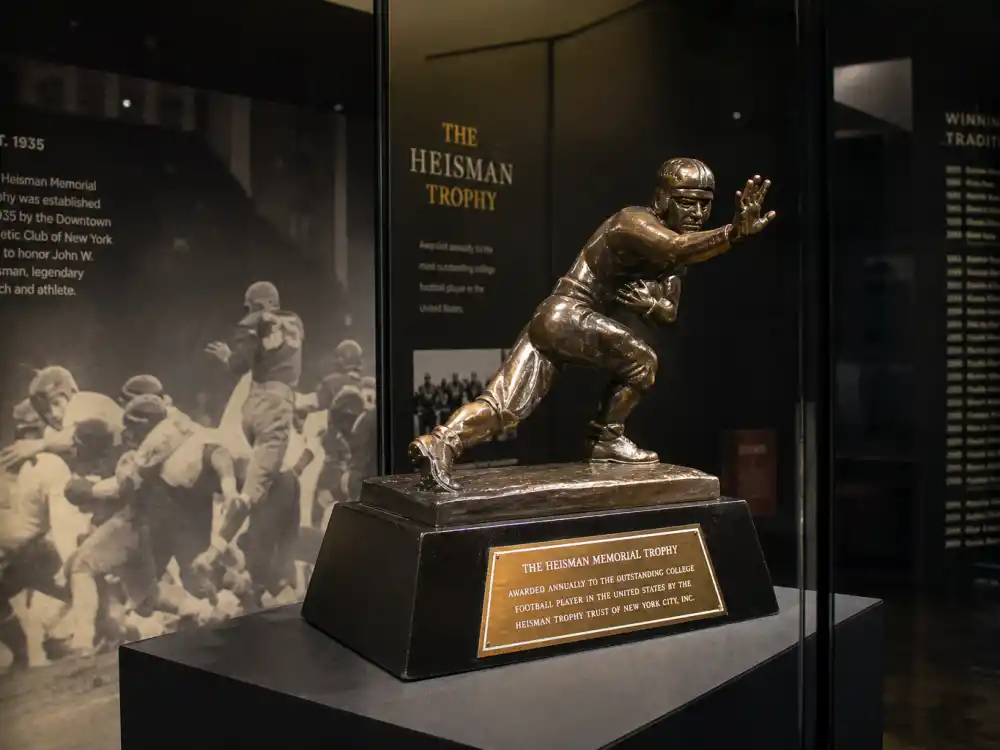
The chapter that still drives what happened to Manti Te’o searches is the 2012 Notre Dame season. Te’o posted 113 tackles and seven interceptions — outrageous production for a middle linebacker — while the Irish went 12–0 in the regular season for the first time since 1988. He finished second in Heisman voting behind Texas A&M quarterback Johnny Manziel, a rare feat for a defensive player. Networks ran features about his character, his faith, and his devotion to Lennay Kekua, the Stanford student he said he met online and who supposedly died of leukemia hours after his grandmother passed away in September 2012.
Te’o spoke about praying at her grave, about playing through tears, about wearing her initials on eye black. Sportswriters called it the emotional spine of Notre Dame’s resurgence. It was also, prosecutors of public opinion would later argue, too cinematic to survive scrutiny — but in real time, the grief narrative made Te’o America’s most sympathetic star in a sport that loves redemption arcs.
The Catfish Scandal: Lennay Kekua and Ronaiah Tuiasosopo
The pivot point in what happened to Manti Te’o is January 16, 2013, when Deadspin published “Manti Te’o’s Dead Girlfriend, The Most Heartbreaking And Inspirational Story Of The College Football Season, Is A Hoax.” Reporters Timothy Burke and Jack Dickey could not find an obituary, a Stanford enrollment record, or a death certificate for Lennay Kekua. Within days, Ronaiah Tuiasosopo — a family friend of Te’o’s from California with ties to the USC football orbit — admitted to creating the fake persona, using stolen photos, and maintaining a long-distance phone and online relationship with the linebacker.

Te’o gave an interview to ESPN’s Jeremy Schaap saying he was embarrassed and humiliated but not a perpetrator — he believed Kekua was real until the story unraveled. Critics accused him of lying to boost his Heisman campaign; defenders noted he passed polygraph-style questioning and that Tuiasosopo later said he had romantic feelings for Te’o while perpetrating the hoax. Notre Dame said it investigated in December 2012 after Te’o reported extortion attempts. The truth landed somewhere between victimhood and naïveté, but the meme was merciless: late-night jokes, South Park satire, and a permanent Google association between Te’o’s name and “catfish.”
Fallout, Draft Stock, and the NFL Years
What happened to Manti Te’o after the Deadspin story was a reputational free fall colliding with professional opportunity. Once projected as a possible first-round pick, he slid to the second round — No. 38 overall — when the San Diego Chargers selected him in April 2013. The Chargers said they believed his side of the story; Te’o said he would let his play speak. He started 15 games as a rookie, showed flashes of the instincts that made him a college star, but battled injuries and never became the perennial Pro Bowl linebacker his Notre Dame tape suggested.

He played four seasons with the Chargers (2013–2016), signed with the New Orleans Saints in 2017, started 14 games that year, then saw reduced roles before joining the Chicago Bears’ practice squad in 2019. His NFL stat line — hundreds of tackles, a handful of interceptions, steady special-teams work — is respectable but not legendary. The catfish scandal did not end his career, but it shadowed every profile: the linebacker who could diagnose a run play but could not spot a fake girlfriend online became the easy narrative frame sportswriters reused for a decade.
Netflix, Redemption Narratives, and Telling His Side
What happened to Manti Te’o in the 2020s included a cultural second act. Netflix’s Untold: The Girlfriend Who Didn’t Exist (August 2022) let Te’o, Tuiasosopo, family members, and journalists retell the saga with empathy the 2013 news cycle rarely offered. Viewers saw Te’o as a young man raised to trust, struggling with shame, and married to love after public humiliation. Tuiasosopo apologized on camera. The documentary spiked searches again, introducing Gen Z audiences who knew the meme but not the person.
Te’o appeared on talk shows, podcasts, and social media with a message that blended accountability (“I should have been smarter online”) and boundary-setting (“I was victimized”). He did not sue his way back into headlines; he told his story, then retreated to private life — a quieter strategy than many scandal athletes attempt.
Marriage, Fatherhood, and Life in Utah Now
By the 2020s, what happened to Manti Te’o was increasingly domestic. He married Jovi Nicole Engbino — a fitness and lifestyle influencer he met in 2016 — in an August 2020 beach ceremony. The couple welcomed daughters (including Hiromi, born in 2021) and share LDS-aligned family content from their Utah base. Social media shows gym workouts, date nights, parenting milestones, and far fewer football clips than fans of the 2012 Irish might expect.

For followers asking what happened to Manti Te’o personally, the answer is stability: faith community, marriage, children, and a deliberate distance from the NFL spotlight. He has dabbled in broadcasting and motivational speaking but has not chased a permanent ESPN desk job or coaching career the way other linebackers might. The man in his mid-thirties looks like someone who survived the strangest scandal of his era and chose roots over fame.
Why “What Happened to Manti Te’o?” Never Fades
Manti Te’o sits at a rare intersection: legitimate sports greatness, reality-bending internet culture, and a hoax so bizarre it became vocabulary — “catfished” entered everyday speech partly because of him. Unlike athletes who fade after retirement, Te’o’s story replays whenever online romance scams make news, when documentaries revisit 2012, or when Notre Dame returns to national contention. College football media still reference the Lennay Kekua saga in ethics classes and pre-draft prospect seminars.
The 2026 answer satisfies curiosity without a comeback fairy tale: he is alive, married, parenting, not playing professional football, and still explaining — patiently, repeatedly — that the girlfriend who never was should not erase the linebacker who was real.
What’s Next for Manti Te’o?
From what happened to Manti Te’o in 2026, expect more family-focused content, occasional media revisits when catfish or college-football nostalgia trends, possible expansion of faith-based speaking, and no realistic NFL comeback at age 35. A memoir has been discussed in interview circles; whether it sells closure or reopens wounds depends on tone. His brand is the survivor of the digital age’s weirdest sports scandal — proof that you can be duped on a global stage and still build a life if you stop letting the hoax define every room you enter.
If you still wonder what happened to Manti Te’o, skip the 2012 eye-black freeze frame and look at a man who tackled runners for Notre Dame, trusted the wrong voice online, lost the narrative, found love anyway, and is still teaching his daughters that fame is fragile but family is not. Manti Te’o now is not missing — he is home in Utah, far from Lennay Kekua and closer to the life he always said he wanted beneath the stadium lights.
Explore More
- Browse Celebrities for more what-happened-to and where-are-they-now profiles.
- Read what happened to Lance Armstrong for another sports scandal arc.
- See what happened to Ryan Lochte for Olympic-level controversy and comeback questions.
- Explore where is Apolo Ohno now for a different athlete post-fame path.
- Catch up on NFL and sports celebrity coverage across USA Celebs.
For background, see Manti Te’o’s Wikipedia profile and reporting from ESPN, Deadspin, and major outlets on the Lennay Kekua hoax, NFL career, marriage to Jovi Nicole, and Netflix Untold documentary.