

In this article9 sections
- What Happened to Macy Gray? The Short Answer
- Canton Roots and a Voice That Arrived Late
- "I Try" and the Neo-Soul Moment
- On How Life Is and the Albums That Followed
- Hollywood, Television, and the Second Career
- Controversy, Apologies, and Reinvention
- Macy Gray Now: Where Is the Singer in 2026?
- Why Macy Gray Still Matters to Soul and Pop History
- Explore More
What happened to Macy Gray is the question every late-90s soul fan asks after humming “I Try” — then realizing the woman with the sandpaper velvet voice never vanished, even when radio moved on to the next trend. Natalie Renée McIntyre, known worldwide as Macy Gray, did not burn out in a one-hit-wonder spiral or retreat from show business quietly. She exploded in 1999 with a Grammy-winning anthem, built a neo-soul catalog on Epic, became a character actor Hollywood actually hired, weathered headline controversies and industry cooling periods, kept releasing albums into the streaming era, and in 2026 still tours, records, and owns one of the most instantly recognizable timbres in American R&B. This is the full answer to what happened to Macy Gray, and where she stands today.
If your brain still pictures the floppy hat, the gap-toothed grin, and that helpless shrug in the “I Try” video, you are not alone. Search traffic for what happened to Macy Gray spikes whenever a 1999–2001 nostalgia playlist trends, a TikTok creator rediscovers On How Life Is, or a podcast revisits the neo-soul gold rush that also elevated Lauryn Hill, Erykah Badu, and Jill Scott. Gray’s arc is not a simple “where did she go?” cautionary tale — it is a story about a late-blooming Ohio artist who sounded like nobody else, peaked globally at 32, diversified into film and television, survived cultural missteps with apologies and perspective, and proved that a signature voice can sustain a career across three decades even when pop radio stops returning your calls every year.

What Happened to Macy Gray? The Short Answer
Here is what happened to Macy Gray in a nutshell:
- Birth & origin: Natalie Renée McIntyre, born September 6, 1967, in Canton, Ohio; stage name Macy Gray; turned 58 in late 2025 and is 58 through 2026.
- Pre-fame years: Wrote songs, performed in Cleveland and Los Angeles clubs, worked with producer Joe Solo, signed to Epic Records after years of grinding — not an overnight teen discovery.
- Breakthrough: Debut album On How Life Is (1999) and single “I Try” became a global phenomenon — raspy, vulnerable, impossible to imitate.
- Peak accolades: Won Grammy Award for Best Female Pop Vocal Performance for “I Try” (2001); On How Life Is nominated for Album of the Year; cemented neo-soul crossover status.
- Follow-up music: The Id (2001), The Trouble with Being Myself (2003), later projects including Big, The Sellout, Stripped, Noir, and covers set Covered (2023).
- Acting: Roles in Training Day, Spider-Man, Idlewild, Lackawanna Blues (Emmy nomination), For Colored Girls, and steady TV/film work.
- Headline moments: 2015 Stonewall Inn performance flag controversy — apologized and clarified intent; periodic frank interviews about industry and identity.
- Personal life: Mother of three; marriage to Tracy Hinds ended in divorce; keeps much of family life private as an adult.
- Current status (2026): Active touring artist, recording catalog on streaming, cult and mainstream respect for “I Try” — alive, performing, and still that voice.
Canton Roots and a Voice That Arrived Late
Any answer to what happened to Macy Gray starts in Ohio, not on a TRL countdown. Gray grew up in Canton, moved through childhood with a love of music and an unmistakable rasp that made some A&R gatekeepers nervous early on. She studied at the University of Southern California, worked odd jobs, wrote for others, and hustled through the 1990s club circuit before Epic believed in the whole package — the hat, the honesty, the humor, and a tone that felt like Billie Holiday meeting hip-hop boom-bap.
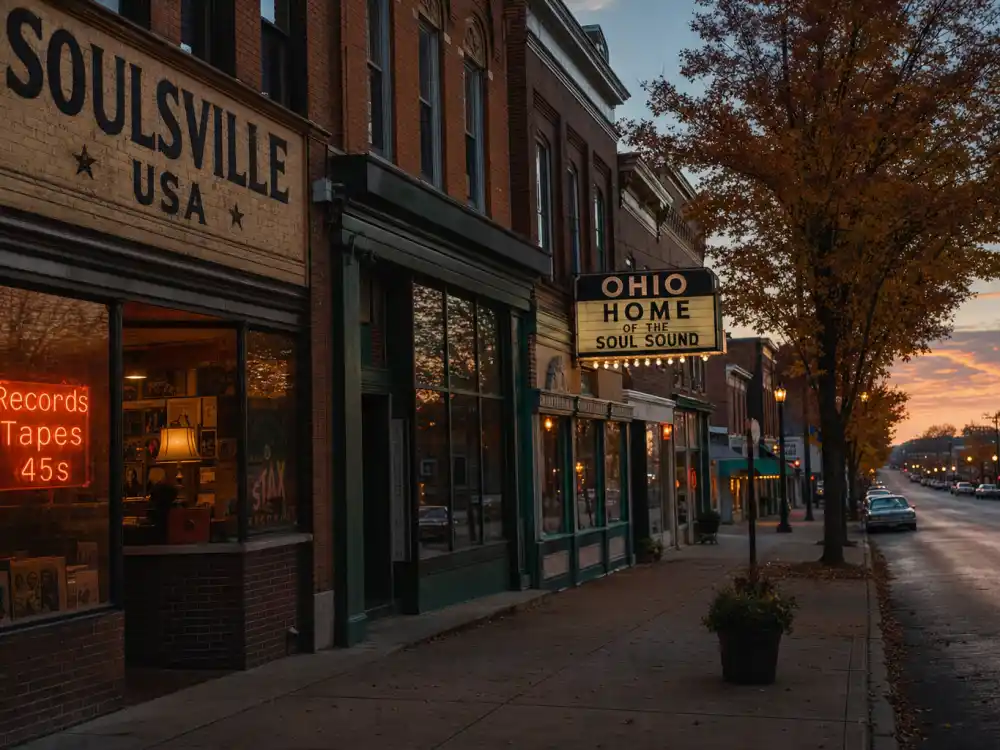
That late arrival matters when people ask what happened to Macy Gray as if she were a child star who aged out. She was already in her thirties when “I Try” hit — which made the success feel earned and made the later “where is she?” narrative unfair from day one. Soul and R&B audiences embraced an adult woman who sounded lived-in, not focus-group polished.
“I Try” and the Neo-Soul Moment
The moment that still drives what happened to Macy Gray searches is 1999. “I Try” — with its shrugged confession and Motown-adjacent ache — climbed charts worldwide, peaked at No. 5 on the Billboard Hot 100, and turned Gray into a household name overnight after years of near-misses. The song’s music video and live performances (including the Oscars season buzz) made her aesthetic iconic: bohemian hats, loose vintage clothes, gap-toothed smile proudly on display.
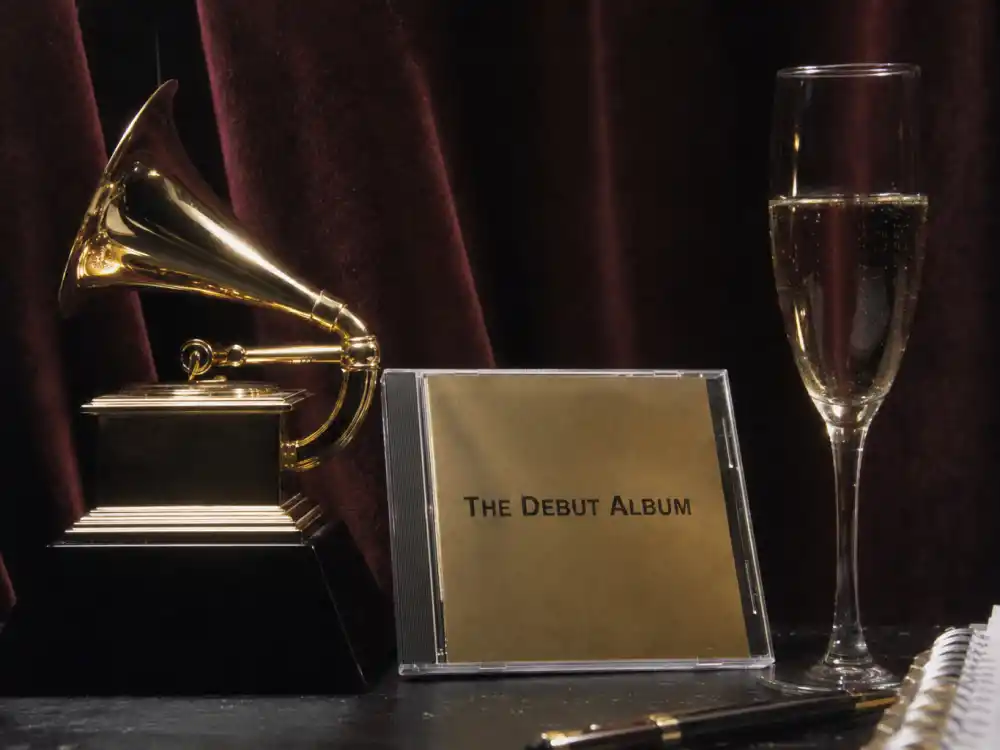
At the 2001 Grammy Awards, Gray won Best Female Pop Vocal Performance for “I Try” and performed alongside rock legends — a cultural snapshot of how genre lines blurred at the turn of the millennium. What happened to Macy Gray after that peak should have been a straight shot to permanent A-list status. Instead, like many neo-soul peers, she fought to repeat lightning while still growing as an artist.
On How Life Is and the Albums That Followed
On How Life Is remains the spine of what happened to Macy Gray commercially. Tracks like “Do Something,” “Still,” and “Why Didn’t You Call Me” showcased funk-soul songwriting beyond the single. Critics praised the album’s warmth and imperfection; fans tattooed “I Try” on their hearts.
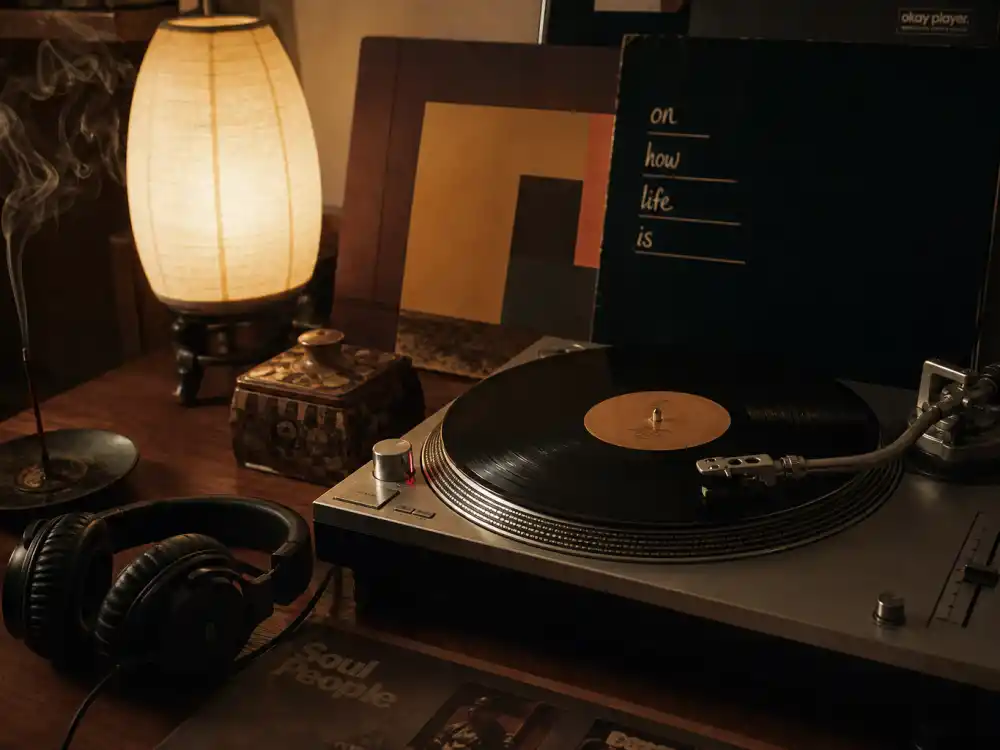
The Id (2001) leaned rock and collaboration-heavy (including a Red Hot Chili Peppers feature on “Sweet Baby”). The Trouble with Being Myself (2003) pushed electronic and personal edges. Later albums — Big, The Sellout, Stripped, Noir — never duplicated Hot 100 dominance but kept her in the conversation for musicians who value evolution over nostalgia mining. Covered (2023) reframed her as an interpreter, revisiting classics through that unmistakable rasp.
Industry watchers note what happened to Macy Gray on radio: adult formats loved her, pop cycles rotated faster. She did not “fall off” so much as the machine stopped handing her easy follow-up singles the way it did for pop-rap hybrids. Yet streaming resurrected deep cuts whenever sync placements or TikTok moments hit.
Hollywood, Television, and the Second Career
What happened to Macy Gray beyond albums is one of the more interesting celebrity pivots of her generation. Casting directors noticed charisma and texture — she booked Training Day (2001) opposite Denzel Washington’s intensity, played a jazz singer in Spider-Man (2002), starred in OutKast’s Idlewild (2006), and earned an Emmy nomination for HBO’s Lackawanna Blues. Tyler Perry’s For Colored Girls (2010) ensemble put her dramatic range on a prestige platform.

Reality TV, voice work, and guest arcs followed — keeping her face in the culture even when album cycles stretched. For fans tracing what happened to Macy Gray, the filmography answers “she didn’t disappear — she was on set.”
Controversy, Apologies, and Reinvention
No honest profile of what happened to Macy Gray skips 2015. Performing at the Stonewall Inn for an LGBT Pride event, she moved a transgender pride flag off its stand while adjusting equipment — footage sparked outrage. Gray apologized publicly, explaining she did not intend disrespect and supported the community, but the moment became a permanent Google sidebar for anyone searching her name cold.
That episode sits beside other frank interviews — about aging in music, about appearance commentary she pushed back on, about staying relevant without chasing youth trends. What happened to Macy Gray reputation-wise is resilience: apologies where needed, no fake reinvention, continued work.
Macy Gray Now: Where Is the Singer in 2026?
So where is Macy Gray now? As of early 2026, she is a veteran soul icon with a global hit that never ages, a respected acting résumé, and a touring calendar that brings “I Try” to festivals and theaters where audiences sing every cracked note back to her. Streaming keeps On How Life Is in algorithmic neo-soul playlists next to D’Angelo and Lauryn Hill; younger listeners discover the voice through samples and nostalgia content.
The honest answer to what happened to Macy Gray is this: she did not vanish after the Grammy confetti — she diversified, took creative risks, survived a viral misstep, kept recording, and leaned into being unmistakable. She is not a cautionary one-hit tale; she is a case study in how a singular instrument can anchor decades of work when you refuse to sound like anyone else.
Why Macy Gray Still Matters to Soul and Pop History
Music historians frame 1999–2001 as the neo-soul and R&B-pop collision — Macy Gray sits beside Lauryn Hill’s Miseducation era energy with a completely different aesthetic: humorous, gangly, self-deprecating, yet vocally devastating. Her success also proved adult women could top pop radio without conforming to glossy video beauty standards — a thread still relevant in 2026 conversations about body image and industry bias.
For fans researching what happened to Macy Gray, she is both a time capsule and a working artist — proof that “I Try” was not a finish line but a passport.
Explore More
- Read what happened to Lauryn Hill for another neo-soul-era genius shaped by fame and industry friction.
- See what happened to Michelle Branch for parallel late-90s breakthrough and later-career chapters.
- Track what happened to Vanessa Carlton for piano-pop stardom after a signature single.
- Compare what happened to JoJo singer for early-2000s R&B-pop label battles and comeback arcs.
- Explore Celebrities for more what-happened-to and where-are-they-now profiles.
For background, see Macy Gray’s Wikipedia profile and reporting from Billboard, Grammy.com, Rolling Stone, and The Hollywood Reporter on On How Life Is, her acting roles, and 2015 Stonewall coverage.