

In this article12 sections
- What happened in the Jennifer Lopez pap walk clip?
- Why the video went viral so quickly
- Four Seasons NYC context: why the setting mattered
- Office Romance screening context
- Online reactions: jokes, criticism and a few reality checks
- The staged-paparazzi debate is bigger than JLo
- JLo's public-image cycle
- Past viral GlamBot context
- What it means for celebrity PR now
- Why the backlash may not hurt for long
- Jennifer Lopez pap walk FAQs
- Related from USA Celebs
Jennifer Lopez pap walk backlash took over celebrity corners of social media this week after a viral clip appeared to show the superstar waiting near the Four Seasons Hotel in New York while a crowd cleared, then making a deliberate walk toward her car as cameras rolled.
The moment, which circulated between May 13 and May 16, quickly became less about a single hotel exit and more about a familiar celebrity-culture question: When does a paparazzi sighting feel spontaneous, and when does it feel like a performance? Online critics called the clip staged, diva-like and almost too polished. Supporters and more cautious viewers pointed out that a short video does not prove intent, and that major stars often move through hotels with security, publicists and photographers already in place.
That distinction matters. The most responsible read is not that Lopez definitely staged anything. It is that the clip appeared staged to many viewers, and that appearance was enough to spark a full round of jokes, criticism and debate. MEAWW reported on the mockery around the viral video, while other outlets connected the chatter to a broader run of public-image scrutiny around Lopez.
What happened in the Jennifer Lopez pap walk clip?
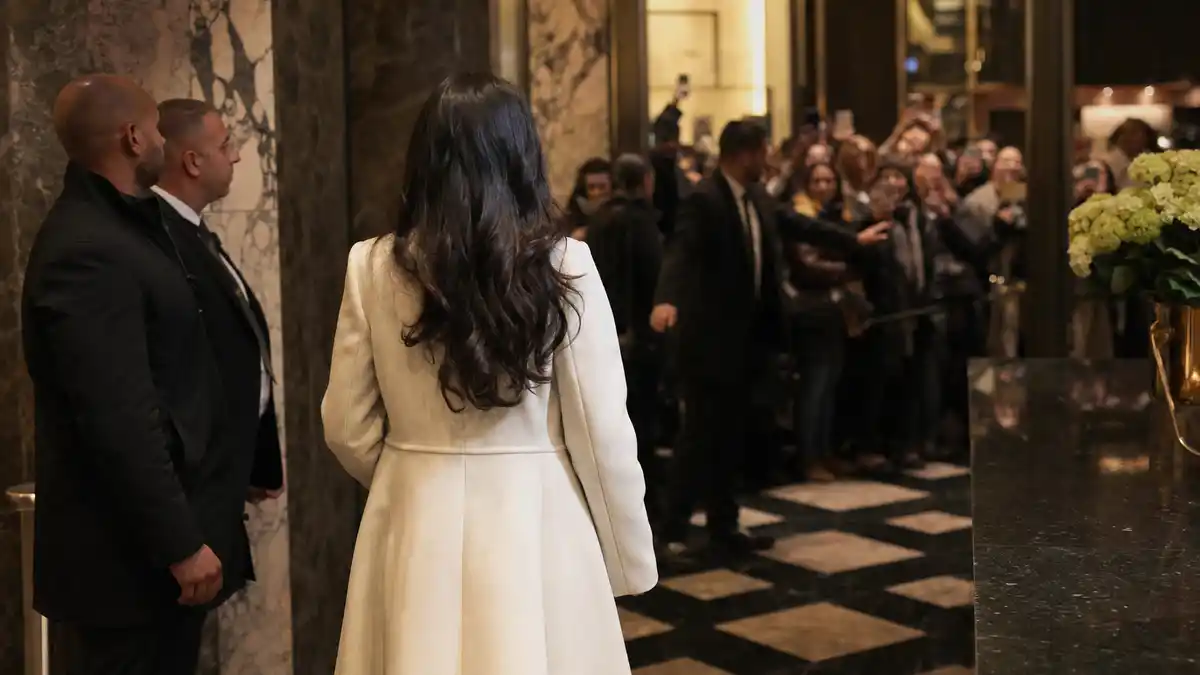
The viral video appeared to show Lopez inside or near the Four Seasons Hotel in New York as people moved around the entrance area. In the clip, viewers said she seemed to wait while the path ahead became clearer. Then she walked toward a waiting vehicle, with photographers and onlookers positioned to capture the exit.
That basic sequence is what fueled the backlash. It looked, at least to critics, like a moment engineered for maximum visibility: pause, clear the view, walk, flashbulbs, car door. In the compressed language of social media, that became a “staged pap walk.”
It is also possible to read the same scene in a less dramatic way. High-profile performers do not simply step into a Manhattan hotel lobby and hope for the best. Security teams coordinate movement. Hotel staff manage doors and traffic. Photographers often know where a star is expected to appear. A few seconds of waiting can be normal crowd control, not proof of a plotted spectacle.
Still, viral celebrity videos are judged by appearance as much as by context. Once viewers decided the exit looked choreographed, the conversation moved fast.
Why the video went viral so quickly
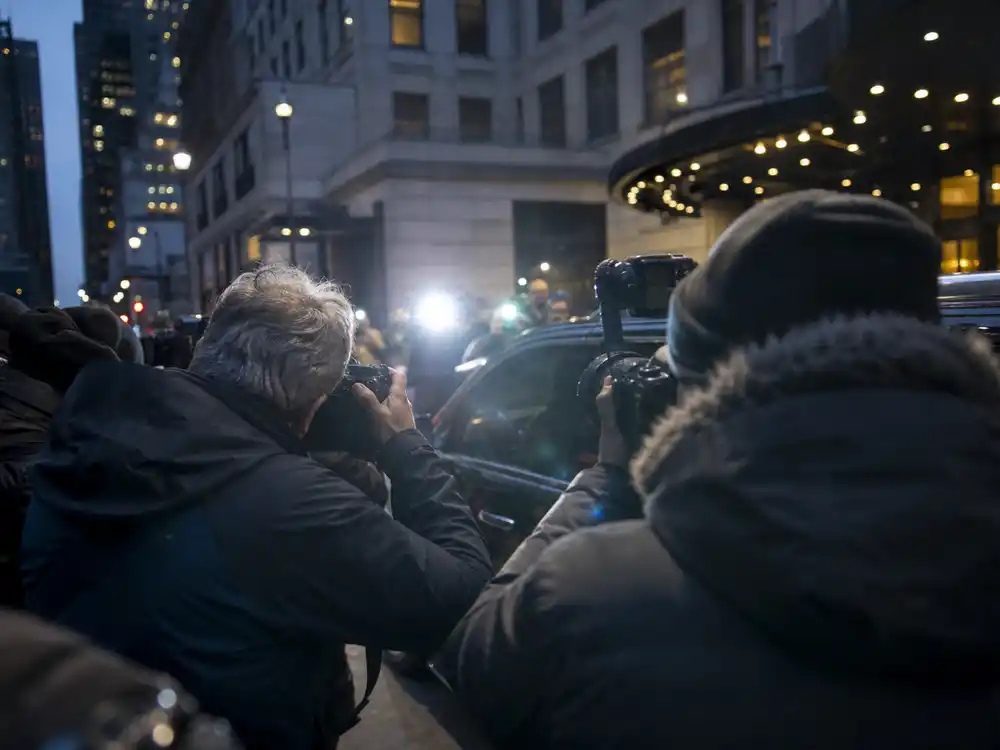
The clip had all the ingredients that make a celebrity moment travel: a famous name, a luxury hotel, paparazzi, a waiting car and a visual beat that could be summarized in one sentence. People did not need a complicated backstory to understand why it was being mocked. The footage seemed to show a glamorous exit that was both familiar and unusually exposed.
For critics, the appeal was the feeling of seeing the machinery behind the image. Celebrity culture sells effortlessness. A star leaves a hotel and the cameras just happen to be there. The clothes just happen to be perfect. The lighting just happens to catch the look. When viewers think they can see the timing being arranged, the fantasy becomes easier to puncture.
That is why the backlash was about more than Lopez. The clip became a shorthand for a larger fatigue with hyper-managed fame. Online commenters used it to argue that celebrity visibility is often negotiated, staged or at least mutually beneficial. Others pushed back by noting that paparazzi culture is its own economy, and stars are not the only ones shaping the scene.
Lopez, because she is Lopez, became the face of a much bigger debate.
Four Seasons NYC context: why the setting mattered
The setting also helped the video travel because it was easy to visualize. Even people who did not follow every detail of Lopez’s New York schedule could recognize the pattern: A major celebrity exits a luxury hotel, paparazzi swarm, social media decides whether the moment feels authentic.
Office Romance screening context
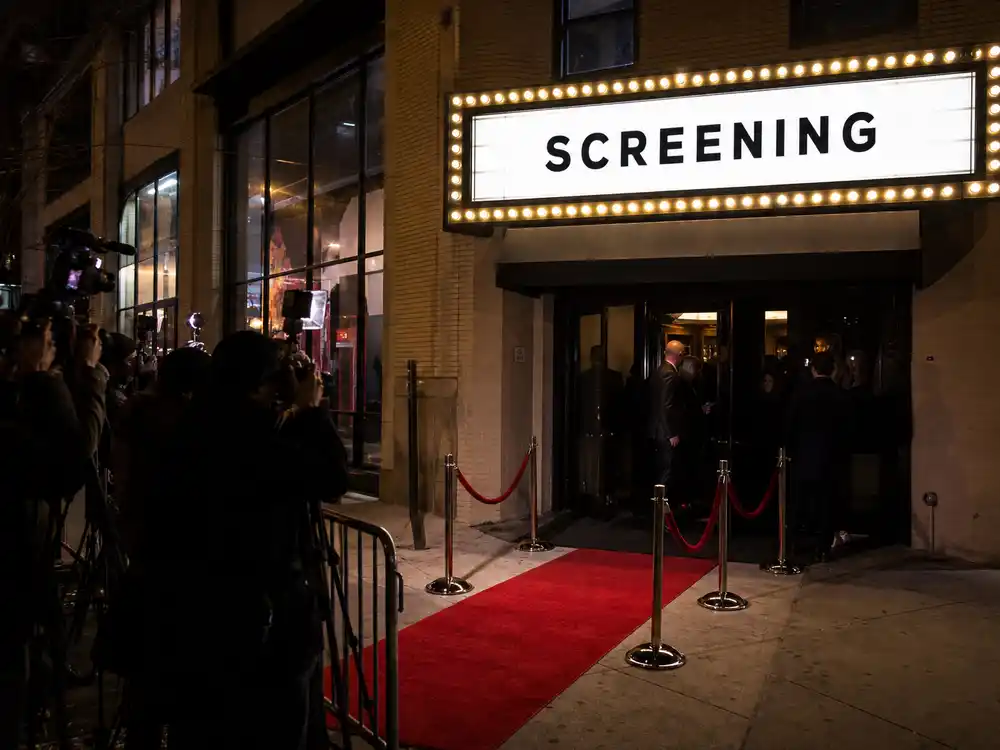
Reports around the viral moment said Lopez was heading to a screening tied to Netflix’s Office Romance, the romantic comedy that has already brought renewed attention to her return to the genre. IBTimes UK has covered recent chatter around Lopez and co-star Brett Goldstein, while additional reports have framed the film as part of her latest promotional cycle.
That matters because a publicity swing changes how viewers interpret everything. When a star is promoting a project, every outfit, appearance and photographed exit can become part of the campaign whether or not it was formally planned. The line between candid moment and promotional moment gets blurry.
Lopez has long understood that line better than most. Her career has always moved between music, film, fashion, red carpets, beauty, business and tabloid fascination. She is not a celebrity who disappears between projects. She is a celebrity whose visibility is part of the brand.
That visibility can be powerful when the public is rooting for the comeback, the look or the performance. It can turn quickly when audiences feel oversold.
Online reactions: jokes, criticism and a few reality checks
The strongest reactions framed the clip as peak celebrity behavior. Critics described the walk as too obvious, too deliberate and too hungry for the flash of cameras. Some mocked the idea that a star would need to wait for a clear path before giving photographers the shot. Others used the moment to complain about fame culture more broadly.
The staged-paparazzi debate is bigger than JLo
The phrase “pap walk” has become part of the celebrity vocabulary because it captures an open secret: Not every paparazzi encounter is purely accidental. Publicists can tip photographers. Celebrities can choose visible exits. Brands can benefit from a look being photographed. Photographers can camp outside known hotspots and still catch genuine unscripted moments.
Most real situations sit somewhere in the middle. A star may know cameras are outside without directing every detail. A publicist may want visibility without staging a scene. A photographer may capture a planned event arrival and package it as a candid sighting. That ambiguity is what keeps the debate alive.
The Jennifer Lopez pap walk backlash shows how little patience audiences have for that ambiguity right now. Viewers increasingly understand the mechanics of public image. They know that “candid” photos can be useful. They know that a viral outfit can support a movie campaign. They know that a star’s path to a car can become content before the door even closes.
What they do not always agree on is whether that makes the celebrity savvy, unserious or simply part of the entertainment business.
JLo’s public-image cycle
Lopez has spent decades as one of the most visible entertainers in the world. That visibility gives her enormous cultural power, but it also means small moments are rarely treated as small. A facial expression, a red carpet exchange or a hotel exit can quickly become evidence in whatever story the internet is already telling about her.
In recent years, that story has shifted repeatedly. There has been admiration for her work ethic, style and longevity. There has also been fatigue around the constant attention, the relationship headlines, the luxury branding and the sense that every public step is part of a larger image campaign.
The Four Seasons clip landed inside that cycle. For fans, it was another glamorous JLo moment being overanalyzed. For critics, it confirmed an existing belief that her celebrity machine is too visible. For casual viewers, it was a quick, funny clip about the odd rituals of fame.
Past viral GlamBot context
The new backlash also reminded people of the earlier Golden Globes GlamBot conversation. In January, Lopez drew criticism after viewers interpreted her interaction with GlamBot creator Cole Walliser as cold or dismissive. Bored Panda and BuzzFeed covered the reaction, while Walliser later pushed back on the idea that she had been rude.
That detail is useful because it shows how internet narratives build. A single moment can fade quickly. Two moments can become a pattern in the eyes of viewers who are already skeptical. The GlamBot backlash was about perceived attitude. The pap-walk backlash is about perceived staging. Both feed into the same online question: Is the public seeing the real Lopez, or the managed version?
Of course, red carpets and hotel exits are work environments. Celebrities are being photographed, directed, rushed and judged in real time. A few seconds of body language can be misleading. Walliser’s own clarification after the GlamBot debate was a reminder that viral judgment often moves faster than firsthand context.
Still, context rarely travels as quickly as criticism. That is the reality Lopez is facing again.
What it means for celebrity PR now
The lesson for celebrity PR is not that stars should hide from cameras. Visibility remains the currency of entertainment. A film campaign needs appearances. Fashion needs photographs. Streaming projects need recognizable faces pushing them into the conversation.
The lesson is that audiences want the performance to feel natural. They may accept the machinery if they cannot see it too clearly. When the setup becomes visible, even briefly, the reaction can turn from admiration to mockery.
Why the backlash may not hurt for long
Celebrity backlash moves fast, but it also burns out fast. A viral pap-walk joke can dominate a day or two of online conversation without changing the fundamentals of a career. Lopez remains a global star with a deep catalog, major brand recognition and a new project cycle that will keep producing fresh headlines.
The more meaningful impact is reputational texture. Each viral criticism becomes part of the searchable archive around a celebrity. It gives future critics something to cite. It gives fans something to defend. It gives entertainment sites another angle whenever the next public moment arrives.
For now, the Jennifer Lopez pap walk discourse is best understood as a celebrity-culture flashpoint. It is not a legal scandal. It is not a confirmed confession of staging. It is a viral moment that looked highly produced to many viewers and arrived at exactly the time when audiences are eager to call out the mechanics of fame.
That is why the clip traveled. It offered a tiny glimpse, fair or not, of the stage behind the star.
Jennifer Lopez pap walk FAQs
What is the Jennifer Lopez pap walk controversy?
It refers to a viral clip that appeared to show Lopez waiting as a crowd cleared near the Four Seasons Hotel in New York before walking toward a car while cameras recorded her exit.
Was the Jennifer Lopez pap walk definitely staged?
No. The available viral discussion centers on how the moment appeared to viewers. It is fair to say critics called it staged, but intent has not been confirmed as fact.
Why was Jennifer Lopez at the Four Seasons in New York?
Reports tied the appearance to promotion around Netflix's Office Romance, with Lopez reportedly heading to a screening during the same New York publicity swing.
Why did the clip go viral?
The clip went viral because it fit a larger debate about celebrity visibility, paparazzi access and whether highly polished public exits feel authentic to audiences.
How does this connect to the Golden Globes GlamBot backlash?
The new backlash followed earlier online debate about Lopez's Golden Globes GlamBot interaction, which critics also folded into a broader conversation about public image.