

In this article7 sections
- How Bruno Mars makes money in a no-new-album calendar
- Stadium touring as the burst income
- Park MGM as a nine-year second check
- Three albums and an estimated $28 million royalty line
- Publishing, Silk Sonic, and APT
- Halftime nights, merch, and the brand layer he never built
- A live-heavy mix with almost no second career
How Bruno Mars makes money is a live-and-catalog mix with almost no cosmetics line: ticket grosses, a nine-year theater residency, songwriter and producer checks, and a short recorded-music shelf that Forbes said threw off an estimated $28 million in gross royalties in 2025. The brand-extension layer that funds many of his peers is mostly missing on purpose. Understanding the mix starts with separating box office from take-home.
That mix is why a quiet album year can still look solvent and why a loud tour year can look like a Forbes list without turning into a billionaire balance sheet. This page is the revenue-stream view, not the lifetime-wealth view. For the headline fortune those streams produced, see Bruno Mars net worth 2026. The job here is where cash enters, what share survives production and tax, and which streams keep paying when the trucks are parked.
How Bruno Mars makes money in a no-new-album calendar
In 2026 there is a new solo album and a stadium run on the calendar, but the income stack did not require a fourth studio record in every prior year. Forbes’ 2025 snapshot is the cleanest recent map of a no-new-solo-album calendar: close to $30 million estimated for 19 Park MGM shows, including merchandise profit-sharing, an estimated $28 million in gross catalog royalties, and ranked musician pay of an estimated $31 million after the list’s cost deductions. Those three figures are not meant to be added. They describe a residency-and-catalog year.
Live work is lumpy on purpose. Moonshine Jungle filled 2013-14. 24K Magic filled 2017-18. Park MGM filled most weekends from 2016 through New Year’s Eve 2025. Between those blocks, the daily business is recordings and publishing, not a hundred more stadiums. How Bruno Mars makes money in a quiet calendar is therefore mostly the catalog plus the theater booking, with arena touring as the valve that opens in bursts.
Forbes noticed the cost structure in 2018, when it scored the estimated $100 million pretax year and noted that he relied on salaried staff rather than a traditional percentage manager. That observation is dated. It remains a clue to the mix: a larger share of gross can survive if the manager cut is a salary. It still does not turn a Boxscore into a deposit.
Stadium touring as the burst income
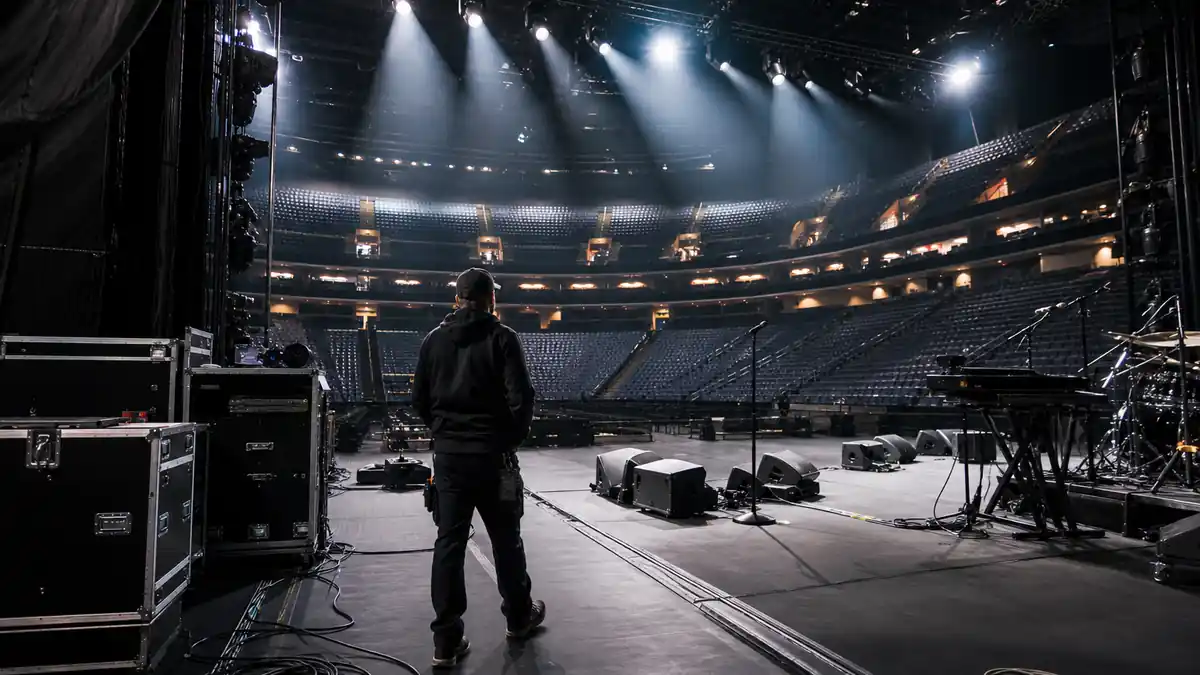
Touring is where the mix looks most like a conventional modern pop business. Celebrity Net Worth reports that the Moonshine Jungle Tour grossed $156.4 million from 2013 into 2014. Billboard, in April 2018, had the 24K Magic World Tour at a reported $240 million so far from more than 2.3 million tickets. Billboard later named that trek the fourth-highest-grossing tour of 2018, tallying a reported $237 million-plus for 100 shows. Later recaps of the full 2017-18 run have used figures above $300 million; Celebrity Net Worth says the tour grossed over $300 million. Those are ticket receipts, not take-home.
Production on a run of that size consumes a large share of gross. The artist still took home a career-defining live payday, which is why Forbes’ 2017-18 window still showed an estimated $100 million pretax. Stadium income is therefore: sell expensive tickets, pay the trucks and the band, keep a salaried inner circle rather than a percentage manager, and accept that the public will quote the Boxscore as if it were a paycheck.
The Romantic Tour is the next valve. No settled Billboard Boxscore for the full 2026 stadium run belonged in a late-August model as cash already banked. A completed cycle on 24K Magic scale would reopen the touring column. It would still be gross, not net, and it would still have to clear production costs that a theater residency does not carry.
Park MGM as a nine-year second check
The residency changed the cost curve. Playing Park MGM, later Dolby Live, for nine years meant one production, one city, and a weekend schedule. Billboard’s Boxscore trail is the public ledger. By August 2021, Billboard had logged a reported $53.2 million and 201,000 tickets across 41 shows. As of December 2024, recaps of the Las Vegas dates put the gross at a reported $124.5 million from about 410,000 tickets. Touring Data’s 110-show wrap puts the run at a reported $197.3 million and 574,234 tickets, averaging about $344 a seat.
Forbes’ 2025 ranking isolates what that design paid in a single year. The magazine estimated he was paid close to $30 million for 19 nights, including merch profit-sharing. That is an artist-side estimate. Touring Data’s reported $197.3 million is a venue-side gross over 110 shows. Strip income is the gap between those two kinds of number: premium tickets, fewer trucks, and a long booking that did not require a new solo album every other year.
Scarcity priced the room. Touring Data’s yearly slices show average prices moving above roughly $400 in 2024. That is not a cosmetics royalty. It is a live business. MGM Resorts denied 2024 claims that he owed about $50 million and had taken the residency to work it off. Celebrity Net Worth calls the alleged debt debunked. Treat the residency as a lucrative long-term booking, not as indenture.
Three albums and an estimated $28 million royalty line
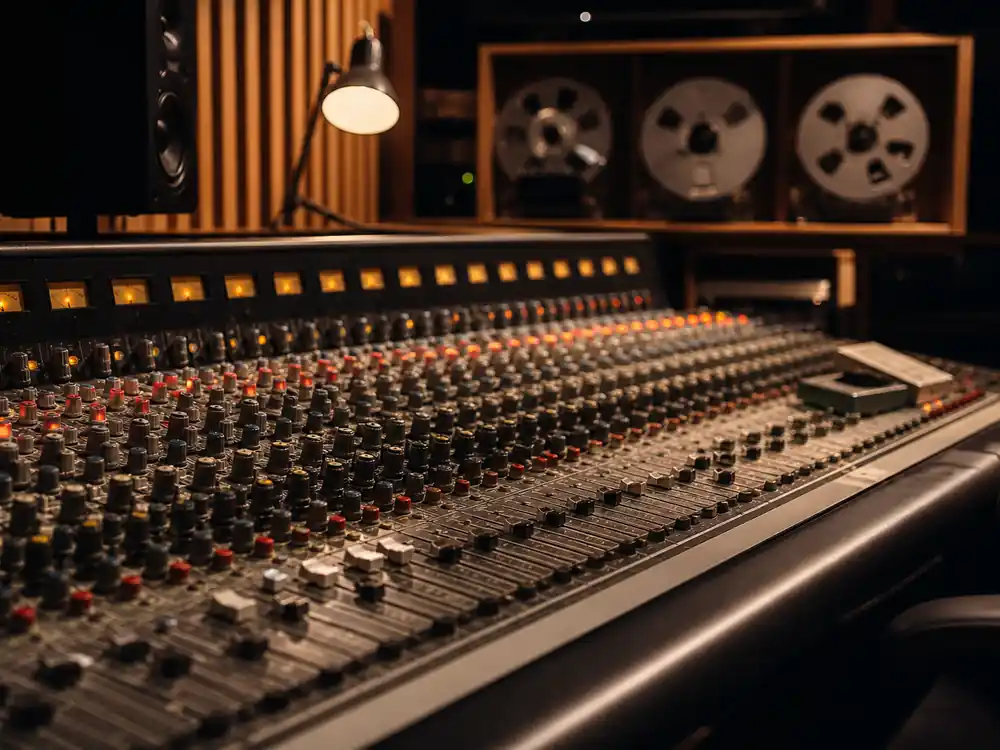
Recorded-music income is still the identity of the business even when touring is louder. Doo-Wops & Hooligans (2010) put “Just the Way You Are” and “Grenade” at number 1 on the Hot 100. Unorthodox Jukebox (2012) sold more than six million copies, according to Celebrity Net Worth. 24K Magic (2016) is the awards-and-tour album. An Evening with Silk Sonic (2021) added “Leave the Door Open” without becoming a second solo shelf. There has been no widely reported, nine-figure catalog sale of the sort Forbes tied to The Weeknd’s 2025 Lyric Capital deal. Until one is disclosed, the recordings are a royalty stream plus an unpublished private mark.
Forbes’ 2025 note that the catalog generated an estimated $28 million in gross royalties in a single year is the best recent tell that the short shelf still throws off cash. Gross royalties are not net. Label shares, producer points, and co-writers sit in between. Recording income in 2026 is more likely a stream or a sync than a CD, but the physical-era spikes still matter because they built the audience that now streams.
Mark Ronson and the “Uptown Funk” chain, including the well-documented sample lawsuits, are a reminder that some of the biggest titles in the live set are not simple 100 percent Mars copyrights. They still put people in seats. They do not all pay like a wholly owned standard.
Publishing, Silk Sonic, and APT
Songwriting for others was the original business. “Nothin’ on You” and “Billionaire” are the origin checks. They are not the 2026 engine. They matter because they show the fortune did not begin on a Motown solo deal that stalled. It began as a writer-producer living in Los Angeles, which is why the later artist royalties sit on top of an older publishing habit rather than replacing it. Publishing income is therefore almost identical to how his own songs, and a thinner set of outside cuts, remain in rotation.
“APT.,” the October 2024 collaboration with ROSÉ of BLACKPINK, is a 2020s streaming event, not a disclosed fee. Celebrity Net Worth notes the track opened at number 1 on the Billboard Global 200. It is a master and publishing split with another global star, which means the check is real and smaller than a headline that treats every stream as his. Silk Sonic’s Grammy run works the same way: a shared brand, shared costs, shared royalties. Both belong in the mix as catalog thickeners. Neither is a substitute for Park MGM.
The Hooligans are a cost center as well as a band. A salaried inner circle, the structure Forbes highlighted in 2018, is how more of a tour gross can survive. It is also payroll. An income page that treats the band as free labor is not an income page.
Halftime nights, merch, and the brand layer he never built
Super Bowl halftime shows in 2014 and 2016 are pricing assets and brand events. The NFL does not publish a Mars fee that meets a sourcing standard here. They still lifted the live quote that later appeared in Billboard’s residency Boxscores. Treat them as career infrastructure, not as secret eight-figure deposits. The NFL night pays indirectly: more expensive tickets later, not a disclosed halftime W-2.
Merchandise on the road and in the theater is a related stream, usually profit-shared rather than a separate public filing. Forbes folded merch profit-sharing into the estimated $30 million for 19 Park MGM shows in 2025. That is the only recent named merch figure in the file. It belongs in the live column. It does not get its own audited headline.
The missing stream is the loud one. He has not built a Fenty, a Rare Beauty, or a perennial fashion collaboration that would show up as equity. Endorsements and side businesses exist in recaps — including a rum brand in some roundups — but they are not the named, WWD-scale license that Billie Eilish’s Parlux line is, and they should not be invented into a second fortune. Readers looking for a hidden cosmetics company will not find a named one that meets a sourcing standard.
A live-heavy mix with almost no second career
A typical modern pop empire is tour-heavy, brand-heavy, and release-heavy. Mars’s mix is tour-and-residency-heavy, catalog-short, and brand-light. Forbes could still put him at an estimated $100 million pretax in 2017-18 because the road was that strong. The magazine could still describe an estimated $28 million in catalog gross royalties in 2025 because the short shelf still plays. Neither fact required a perfume. Neither fact required a fourth solo album in the same calendar as the 19 Strip nights.
The mix is efficient and concentrated. Efficiency is why nine years of weekends can support Celebrity Net Worth’s $175 million estimate without a constant album cycle. Concentration is why another stadium run, or a catalog sale, would be a bigger event for him than for someone with twenty income lines. How Bruno Mars makes money in 2026 is therefore both conservative and exposed: conservative because the songs and the theater design already exist, exposed because so few other engines exist if the songs ever cooled.
They have not cooled. Until they do, the honest description of the mix is the one the public numbers already support: recordings and publishing as the floor, arena touring as the spike, Park MGM as the long second engine, writer-producer work as the original habit, collaborations as extras, and almost nothing that looks like a second career. For where that mix ranks him against peers, see how much Bruno Mars is worth. For how the cash accumulated over time, see Bruno Mars net worth over the years.