

In this article16 sections
- Great TV Shows That Never Won an Emmy: How We Define Zero-Win Series
- The Wire — The Definitive Zero-Win Prestige Drama
- Parks and Recreation — 14 Nominations, Zero Wins
- Gilmore Girls — Critical Darling, Blank Trophy Case
- Freaks and Geeks — One Nomination, Cancelled Too Soon
- Veronica Mars — Noir Teen Drama, Zero Trophies
- Happy Endings — Six Nominations, Comedy Shutout
- Party Down — Cult Hospitality Comedy, Invisible to Voters
- The Leftovers — Prestige Pain, Zero Wins
- Community — Meta Comedy, Six Nominations, No Trophies
- Better Off Ted — Workplace Satire, Academy Blind Spot
- Homicide: Life on the Street — Wire Predecessor, Thin Ledger
- Honorable Mentions and Near-Zero Cases
- Why Acclaimed Shows Finish With Zero Emmys
- Quick Reference: Great TV Shows That Never Won an Emmy
- Explore More Emmy Coverage
Great TV shows that never won an Emmy are not obscure flops — they are consensus masterpieces, cult classics, and streaming-era favorites that critics rank among the greatest series ever made while the Television Academy trophy case stays empty. This list focuses on programs with zero competitive Primetime Emmy wins across their original runs, not individual performance shutouts or single-category near-misses. If you want ranked outrage over specific losses — Steve Carell’s six Lead Actor nominations, Jon Hamm’s drought before 2015, Angela Bassett’s meme moment — read our separate biggest Emmy snubs in history guide. Here we document entire series that finished their runs without a single Primetime Emmy win despite nominations, cultural dominance, or both. We cite the official Television Academy database and reporting from Variety, The Hollywood Reporter, and Deadline. Link to Emmy nominations predictions 2026, Emmy winners 2026 full list, Emmy categories explained guide, most Emmys won by a TV show, most Emmys won by an actor, and youngest Emmy winners ever for ceremony context.
Zero-win status is stricter than “snubbed.” A show can earn nominations, dominate critics’ lists, and still convert none into trophies. Others receive almost no Academy attention at all. Both outcomes land on surveys of great TV shows that never won an Emmy because the gap between legacy and ledger defines the story. Competitive Primetime Emmys only; Daytime, Sports, and News Emmys are out of scope. Honorary awards do not erase a zero competitive column.
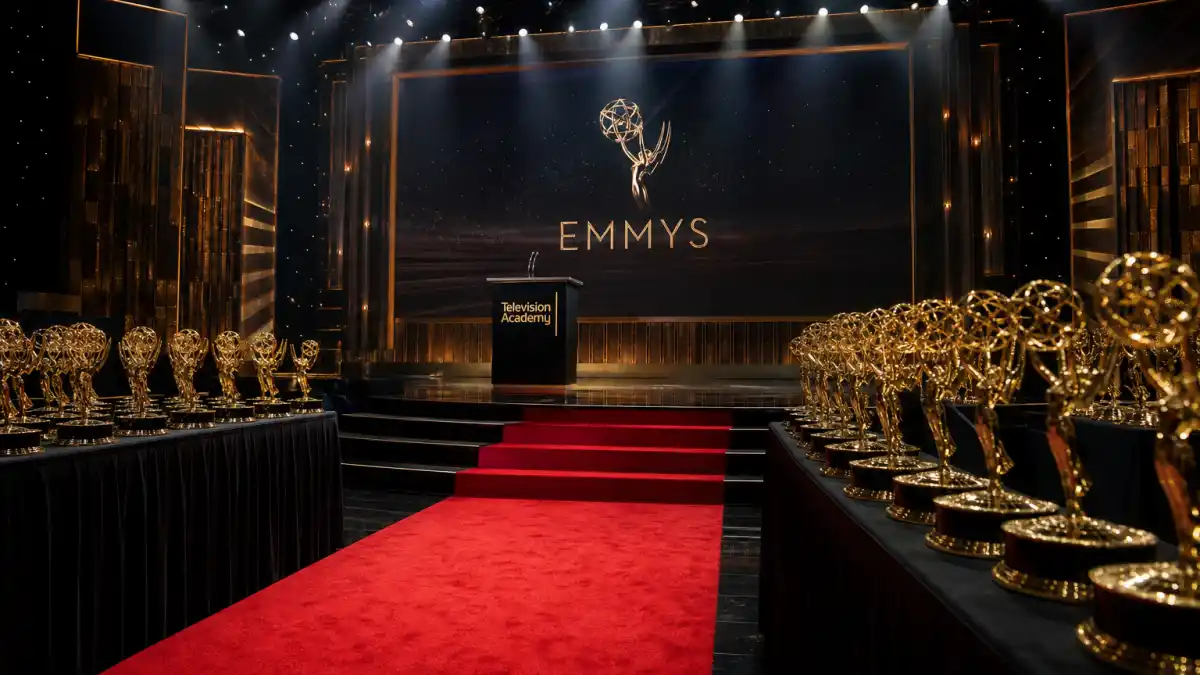
Great TV Shows That Never Won an Emmy: How We Define Zero-Win Series
For this guide, a qualifying show must meet three tests:
- Zero competitive Primetime Emmy wins during its original broadcast or streaming run (revival seasons count toward the same franchise ledger we discuss).
- Documented acclaim — critics’ polls, Peabody honors, guild awards, or enduring cultural footprint that places the series on “greatest TV” lists.
- Series-level focus — not a single actor’s drought inside a show that did win program trophies.
We exclude shows that won even one Primetime Emmy in any category. Friday Night Lights won Outstanding Sound Editing; Twin Peaks won two craft Emmys in 1990; Buffy the Vampire Slayer won two Creative Arts trophies — acclaimed, but not zero-win. Our snubs ranked list covers those borderline cases and performance-level heartbreak. The great TV shows that never won an Emmy frame is about entire programs that never got to hold a single competitive statuette.
Three structural forces explain most entries:
- Genre and format bias: Horror, teen-skewing broadcast dramas, and single-camera comedies fought voter blocs loyal to multi-camera sitcoms and network procedurals for decades.
- Category placement: Limited-series rules, comedy vs. drama routing, and the split between telecast categories and Creative Arts weekends — mapped in our Emmy categories explained guide.
- Timing: Premium cable and streaming breakthroughs faced lag before becoming the incumbent class that now sweeps ballots.
The Wire — The Definitive Zero-Win Prestige Drama
HBO’s The Wire (2002–2008) tops virtually every critics’ poll of the greatest television dramas ever made. The series received only two Primetime Emmy nominations across five seasons — Outstanding Casting for a Drama Series (2005) and Outstanding Directing for a Drama Series (2007, for “Corner”) — and converted neither into a win. It was never nominated for Outstanding Drama Series.
Creator David Simon’s Baltimore institutional storytelling, large ensemble, and deliberate pacing never found a voter bloc large enough to crack the top program category while The Sopranos and later Mad Men rewired premium-cable expectations. No honest list of great TV shows that never won an Emmy starts anywhere else — The Wire is the template for critical canon without a single trophy.

Parks and Recreation — 14 Nominations, Zero Wins
NBC’s Parks and Recreation (2009–2015) accumulated 14 Primetime Emmy nominations — Outstanding Comedy Series, lead and supporting acting, writing, and directing — and won zero. The series repeatedly lost to Modern Family, which dominated the Comedy category in the early 2010s.
Amy Poehler was nominated six times for Outstanding Lead Actress in a Comedy Series without winning for Leslie Knope during the original run. The shutout is remarkable because Parks is now consensus comedy canon — a streaming-era favorite quoted across social media — yet the Television Academy never corrected the ledger. Chronic nomination-without-win at the series level makes it essential to any survey of great TV shows that never won an Emmy.
Gilmore Girls — Critical Darling, Blank Trophy Case
The WB’s Gilmore Girls (2000–2007) defined fast-talking dramedy pacing and mother-daughter storytelling that streaming revivals later monetized. The series received one Primetime Emmy nomination (Outstanding Makeup for a Series, 2002) and zero wins. Lauren Graham was never nominated for Outstanding Lead Actress in a Drama Series for Lorelai Gilmore — a performance now central to nostalgia discourse.
Complete acting-category exclusion for a show that reshaped teen-and-family television keeps Gilmore Girls on zero-win lists. Compare the opposite extreme in our most Emmys won by a TV show guide — the ledger has room for both record holders and shutouts.
Freaks and Geeks — One Nomination, Cancelled Too Soon
NBC’s Freaks and Geeks (1999–2000) lasted one season and launched careers — Seth Rogen, James Franco, Jason Segel, Busy Philipps, Linda Cardellini — yet earned one Primetime Emmy nomination (Outstanding Writing for a Comedy Series for Paul Feig’s “Kim Kelly Is My Friend”) and zero wins. The series was cancelled before voters could fully register its influence.
It now appears on nearly every “best cancelled show” and “greatest one-season wonder” ranking. The zero-win column is a product of timing and low nomination volume, not quality. Freaks and Geeks belongs on great TV shows that never won an Emmy lists because its legacy far outran its ballot footprint.
Veronica Mars — Noir Teen Drama, Zero Trophies
The WB and CW’s Veronica Mars (2004–2007, plus 2019 revival) brought noir narration and class-commentary to teen television. The original run received two Primetime Emmy nominations — Outstanding Writing for a Drama Series (2005) and Outstanding Sound Editing (2005) — and won neither. Kristen Bell’s lead performance was never nominated.
Fan campaigns funded a feature film and later a Hulu revival, proving audience devotion unrelated to Emmy validation. For zero-win discourse, Veronica Mars illustrates how cult mechanics and critical respect do not guarantee trophies — a recurring theme across great TV shows that never won an Emmy.
Happy Endings — Six Nominations, Comedy Shutout
ABC’s Happy Endings (2011–2013) earned six Primetime Emmy nominations across writing, casting, and sound mixing — and zero wins before cancellation. The series developed a devoted following for its ensemble chemistry and pop-culture-speed dialogue, often compared to Friends and Community in fan discourse.
Its cancellation after three seasons became a case study in network comedy churn. The zero-win status alongside multiple nominations places it beside Parks and Recreation on lists of acclaimed comedies the Academy acknowledged but never rewarded.
Party Down — Cult Hospitality Comedy, Invisible to Voters
Starz’s Party Down (2009–2010, revived 2023) follows Hollywood cater-waiters with dreams and humiliations. The original two-season run received zero Primetime Emmy nominations and zero wins — almost complete Academy invisibility despite cult status among comedy writers and actors.
The show’s behind-the-scenes Hollywood satire and ensemble (Adam Scott, Ken Marino, Lizzy Caplan, Martin Starr) influenced a generation of single-camera comedies. Total nomination blankness is a sharper shutout than nomination-without-win — and still qualifies for great TV shows that never won an Emmy because acclaim arrived through word of mouth, not ballots.

The Leftovers — Prestige Pain, Zero Wins
HBO’s The Leftovers (2014–2017), from Lost alum Damon Lindelof, explored grief and mysticism after a global disappearance event. The series received multiple Primetime Emmy nominations — including Outstanding Lead Actor for Justin Theroux and Outstanding Writing — across its three seasons and won zero.
Critics increasingly cite its final season among the best drama endings of the 2010s. Carrie Coon’s performance became a reference point in acting discourse without Emmy validation. The Leftovers demonstrates that HBO prestige branding alone does not guarantee wins — a lesson for readers tracking 2026 nomination forecasts.
Community — Meta Comedy, Six Nominations, No Trophies
NBC and Yahoo Screen’s Community (2009–2015) received six Primetime Emmy nominations — primarily writing and technical categories — and won none. The series pioneered meta-humor, paintball episodes, and genre parody that influenced sitcom structure for a decade.
Dan Harmon’s show fought ratings chaos and network transfers while building a fierce fan base. Zero wins despite multiple writing nods keeps Community on comedy zero-win roundups alongside Parks and Recreation and Happy Endings.
Better Off Ted — Workplace Satire, Academy Blind Spot
ABC’s Better Off Ted (2009–2010) satirized corporate evil through Veridian Dynamics with sharp writing and a standout performance from Portia de Rossi. The series received one Primetime Emmy nomination (Outstanding Main Title Design, 2010) and zero wins before cancellation after two seasons.
It remains a streaming-discovery favorite for workplace-comedy fans. Near-total voter indifference — one technical nod — exemplifies how even concise, well-reviewed satire can vanish from Emmy memory.
Homicide: Life on the Street — Wire Predecessor, Thin Ledger
NBC’s Homicide: Life on the Street (1993–1999), based on David Simon’s book and a direct predecessor to The Wire‘s institutional realism, received three Primetime Emmy nominations and won one — Outstanding Guest Actor in a Drama Series for Robin Williams in 1994. Because the series did secure a single acting win, it sits outside strict zero-win lists.
We mention it only as lineage context: Baltimore-adjacent realism struggled for program-level recognition across decades. For pure zero-win entries, prioritize The Wire itself. Readers hunting performance snubs inside winning shows should consult biggest Emmy snubs in history instead.

Honorable Mentions and Near-Zero Cases
Additional series circulating in great TV shows that never won an Emmy discourse:
- Twin Peaks (1990–1991): Won two craft Emmys in 1990 — not a zero-win show, but never won Outstanding Drama Series. See our snubs guide for program-level near-misses.
- Buffy the Vampire Slayer: Won two Creative Arts Emmys; never a top program nominee — genre bias case study.
- Friday Night Lights: Won Outstanding Sound Editing in 2011 — excluded here, covered as a program snub in .
- CSI: Crime Scene Investigation: Massive ratings, modest Emmy footprint relative to impact — procedural bias.
- Oz / early HBO: Critical praise, thin trophy cases before premium cable became voter default.
Why Acclaimed Shows Finish With Zero Emmys
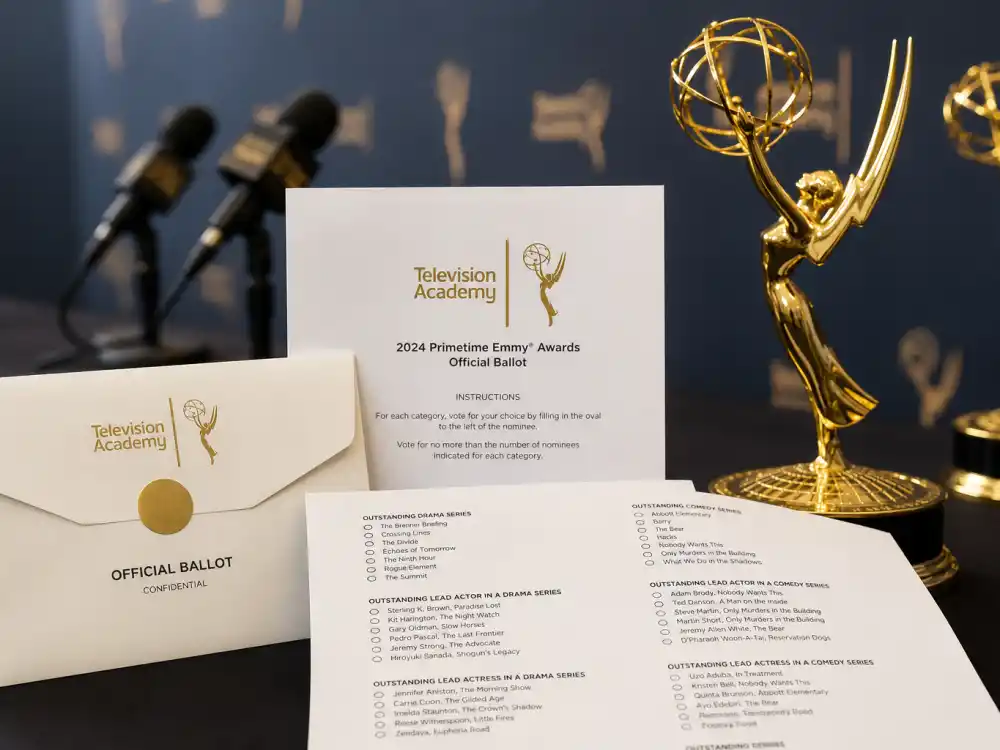
Peer voting rewards familiarity. Older membership skews toward formats that dominated television when voters came of age; streaming and premium-cable breakthroughs faced lag before becoming the new incumbent class. The Primetime telecast spotlights roughly two dozen trophies while more than 100 categories are adjudicated — but zero-win shows often failed even in unwatched Creative Arts fields.
The gap between critics’ polls and Emmy outcomes is not a bug — television taste is subjective and the Television Academy votes by consensus, not by Rotten Tomatoes scores. Compare winners in our 2026 full list and record holders in most Emmys won by a TV show to see both sides of the ledger. For individual acting droughts inside shows that did win series trophies, pivot to biggest Emmy snubs in history — complementary, not duplicate.
Quick Reference: Great TV Shows That Never Won an Emmy
- The Wire: 2 nominations, 0 wins — never nominated Outstanding Drama Series
- Parks and Recreation: 14 nominations, 0 wins
- Gilmore Girls: 1 nomination, 0 wins — no lead acting nods
- Freaks and Geeks: 1 nomination, 0 wins — cancelled after one season
- Veronica Mars: 2 nominations, 0 wins
- Happy Endings: 6 nominations, 0 wins
- Party Down: 0 nominations, 0 wins — cult invisibility
- The Leftovers: Multiple nominations, 0 wins
- Community: 6 nominations, 0 wins
- Better Off Ted: 1 nomination, 0 wins
Explore More Emmy Coverage
- Performance and program snubs in biggest Emmy snubs in history.
- Forecast the next ballot in Emmy nominations predictions 2026.
- Every 2026 winner in Emmy winners 2026 full list.
- Category map in Emmy categories explained guide.
- Show records in most Emmys won by a TV show.
- Acting records in most Emmys won by an actor.
- Age milestones in youngest Emmy winners ever.
- Visit our Awards archive for ceremonies, records, and history guides.