

In this article9 sections
- First Black Oscar Winners in History: Where the Story Begins
- Sidney Poitier: First Black Best Actor Winner (1964)
- Halle Berry: First — and Still Only — Black Best Actress Winner
- Supporting Acting Firsts and Landmark Wins
- Behind the Camera: Music, Writing, and Directing Milestones
- Honorary Oscars and Lifetime Achievement Recognition
- Timeline: Key First Black Oscar Winners in History
- Why These Records Still Matter
- Explore More Awards Coverage
First Black Oscar winners in history mark some of the Academy Awards’ most celebrated — and most complicated — milestones. From Hattie McDaniel’s groundbreaking Supporting Actress win in 1940 through Sidney Poitier’s Best Actor breakthrough in 1964 and Halle Berry’s still-unique Best Actress victory in 2002, Black performers and filmmakers have repeatedly rewritten Hollywood’s record books. This evergreen guide traces every major competitive first, honors the artists who opened doors, and places each win in the historical context it deserves — including ceremonies shaped by segregation, slow integration, and ongoing calls for fuller representation behind the camera.
We built this list using official Academy records at Oscars.org, verified ceremony dates, and category rules that distinguish competitive wins from honorary prizes. For companion coverage, see our Best Actress Oscar winners list by year, Best Actor Oscar winners list by year, and Oscar Best Picture winners by year complete list.

First Black Oscar Winners in History: Where the Story Begins
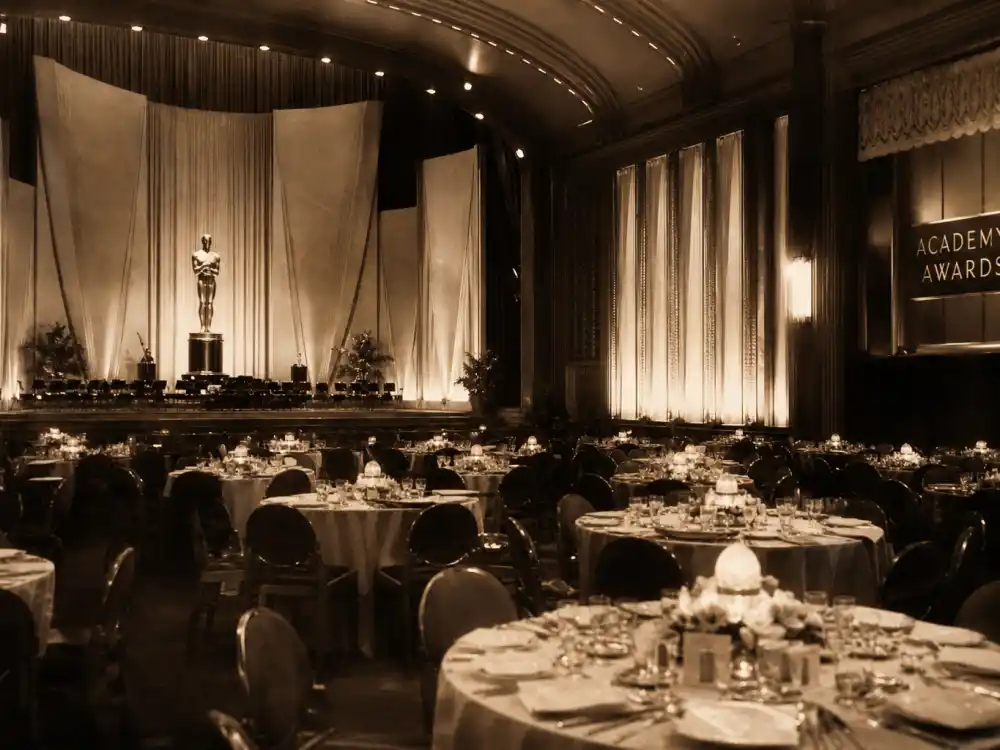
When historians rank the first Black Oscar winners in history, the starting line is always Hattie McDaniel. On February 29, 1940, at the 12th Academy Awards held at the Ambassador Hotel in Los Angeles, McDaniel won Best Supporting Actress for her portrayal of Mammy in Gone with the Wind. She was the first Black person — and the first Black woman — to win a competitive Oscar in any category.
The victory was historic; the ceremony conditions were painful. McDaniel was seated at a segregated table away from her white co-stars because the hotel’s Cocoanut Grove ballroom did not fully integrate its guest seating. She accepted the statuette in a room where she could not sit with the rest of the Gone with the Wind company. In her speech — reportedly written under studio oversight — she thanked the Academy and said she hoped to be a credit to her race and the motion-picture industry. The moment belongs on any list of first Black Oscar winners in history, but it also belongs in any honest conversation about how Hollywood honored Black talent while restricting Black dignity.
Sidney Poitier: First Black Best Actor Winner (1964)
Sidney Poitier became the first Black winner of the Academy’s top acting prize when he claimed Best Actor for Lilies of the Field at the 36th Academy Awards on April 13, 1964. Born in the Bahamas and already a major box-office draw, Poitier played Homer Smith, a traveling handyman who builds a chapel for Austrian nuns — a gentle, dignified role that appealed to voters during the civil-rights era.
Poitier’s win expanded the first Black Oscar winners in history conversation from supporting categories to the lead-actor crown. He had previously been nominated for Best Actor for The Defiant Ones (1959). Decades later he received an Honorary Oscar in 2002 the same night Halle Berry won Best Actress — a symbolic pairing of past and present firsts. Poitier died in 2022, but his 1964 statuette remains the foundation for every quiz about first Black Oscar winners in history in the Best Actor column.
Halle Berry: First — and Still Only — Black Best Actress Winner
At the 74th Academy Awards on March 24, 2002, Halle Berry won Best Actress for Monster’s Ball, becoming the first Black woman to claim the lead-actress statuette. Her tearful speech invoked Dorothy Dandridge, Lena Horne, and Diahann Carroll — pioneers who never won competitive acting Oscars — and declared that the door had finally opened for others.
More than two decades later, Berry remains the only Black Best Actress winner in Academy history — a fact that fuels ongoing debate about casting, campaigning, and voter demographics. For readers tracking first Black Oscar winners in history, Berry’s name is essential; for readers tracking representation gaps, her solitary status is equally essential. See our Best Actress Oscar winners list by year for the full chronological ledger.
Supporting Acting Firsts and Landmark Wins
McDaniel’s 1940 win was the first Black Oscar in any acting category. Later supporting winners expanded the map:
- Louis Gossett Jr. — first Black Best Supporting Actor winner for An Officer and a Gentleman (1983, 55th Oscars)
- Denzel Washington — Best Supporting Actor for Glory (1990); later Best Actor for Training Day (2002), making him one of the most decorated Black actors in Oscar history
- Whoopi Goldberg — Best Supporting Actress for Ghost (1991)
- Jennifer Hudson — Best Supporting Actress for Dreamgirls (2007)
- Lupita Nyong’o — Best Supporting Actress for 12 Years a Slave (2014)
- Mahershala Ali — Best Supporting Actor for Moonlight (2017) and Green Book (2019); first Black actor to win twice in the same acting category
- Regina King — Best Supporting Actress for If Beale Street Could Talk (2019)
- Ariana DeBose — Best Supporting Actress for West Side Story (2022); first openly queer woman of color to win a competitive acting Oscar
Each name belongs on a comprehensive first Black Oscar winners in history timeline, even when the “first” label applies to a sub-category rather than the very first Black win overall. Gossett Jr.’s 1983 victory, for instance, marked the first Black male supporting winner decades after McDaniel.
Behind the Camera: Music, Writing, and Directing Milestones
First Black Oscar winners in history are not limited to performers on stage. Isaac Hayes won Best Original Song for “Theme from Shaft” at the 44th Academy Awards in 1972 — a landmark for Black artists in music categories. Herbie Hancock won Best Original Score for Round Midnight in 1987, becoming the first Black composer to win that category (sharing the award with jazz colleagues credited on the score).
Directing milestones often involve nominations before wins. John Singleton became the first Black person — and the youngest person at the time — nominated for Best Director for Boyz n the Hood at the 1991 ceremony. No Black filmmaker had won Best Director as of the 96th Academy Awards in 2024; nominees including Barry Jenkins (Moonlight, 2017), Jordan Peele (Get Out, 2018), and Steve McQueen (12 Years a Slave, 2014) advanced the conversation even without a directing statuette.
Moonlight still reshaped first Black Oscar winners in history lists in another way: the film won Best Picture at the 2017 ceremony, with Jenkins and Tarell Alvin McCraney winning Best Adapted Screenplay. Green Book (2019) and CODA (2022) later won Best Picture with Black producers or directors in key roles, though category-specific “first” labels depend on credited roles. Cross-check our Oscar Best Picture winners by year complete list for ceremony-by-ceremony context.
Honorary Oscars and Lifetime Achievement Recognition
Honorary Academy Awards celebrate careers without counting toward competitive first Black Oscar winners in history totals — yet several honorees were trailblazers denied competitive wins during their peaks. James Earl Jones received an Honorary Oscar in 2011. Spike Lee won competitive Best Adapted Screenplay for BlacKkKlansman (2019) after decades of influential work; he also received an Honorary Oscar in 2016. Separating honorary and competitive records keeps trivia accurate while still honoring elders who shaped the industry.
Timeline: Key First Black Oscar Winners in History
- 1940 — Hattie McDaniel: first Black Oscar winner (Best Supporting Actress, Gone with the Wind)
- 1964 — Sidney Poitier: first Black Best Actor (Lilies of the Field)
- 1972 — Isaac Hayes: Best Original Song (“Theme from Shaft“)
- 1983 — Louis Gossett Jr.: first Black Best Supporting Actor (An Officer and a Gentleman)
- 1987 — Herbie Hancock: Best Original Score (Round Midnight)
- 1990 — Denzel Washington: Best Supporting Actor (Glory)
- 1991 — Whoopi Goldberg: Best Supporting Actress (Ghost)
- 2002 — Halle Berry: first Black Best Actress (Monster’s Ball); Denzel Washington also won Best Actor that night
- 2014 — Lupita Nyong’o: Best Supporting Actress (12 Years a Slave)
- 2017 — Mahershala Ali: first of two Supporting Actor wins (Moonlight)
- 2022 — Ariana DeBose: Best Supporting Actress (West Side Story)
Why These Records Still Matter
Lists of first Black Oscar winners in history are more than trivia. They document who could access prestige roles, who voters rewarded, and which stories the industry deemed worthy of gold. McDaniel’s win did not integrate Hollywood overnight; Poitier carried the weight of representation for years; Berry’s solitary Best Actress status shows progress and stagnation can coexist. Readers comparing eras should pair this guide with our Best Actor Oscar winners list by year and broader Awards archive.
The Academy has expanded membership and faced public pressure after #OscarsSoWhite campaigns, yet gaps remain — especially in Best Director and Best Actress. Tracking first Black Oscar winners in history is one lens; tracking how often Black artists win without the “first” label is another. Both belong in any serious awards-history conversation.
Explore More Awards Coverage
- Read our Best Actress Oscar winners list by year for every lead-actress victor since 1929.
- See the Best Actor Oscar winners list by year including Poitier, Washington, and every lead-actor winner.
- Browse the Oscar Best Picture winners by year complete list for ceremony-by-ceremony champions.
- Visit our Awards archive for records, snubs, and red-carpet history.