


In this article8 sections
- Elon Musk net worth 2026 on Forbes' two lists
- June's trillionaire print and July's slide
- SpaceX as the louder public engine
- xAI, X, Neuralink, and the smaller stubs
- Why a session can move tens of billions
- First place versus Page, Bezos, and Gates
- What this fortune is not
- A 2026 path of marks, not gifts
Elon Musk net worth 2026 is a Tesla-and-SpaceX equity mark, not a musician’s residual and not a Microsoft leftover on a spend-down. Forbes’ real-time profile showed approximately $866.3 billion as of August 28, 2026, after a March annual print of an estimated $839 billion, a June episode in which the magazine said he became the world’s first trillionaire, and a July slide that took the same list below an estimated $700 billion. Those prints look like different men. They are the same founder stakes moving.
This page is the current total: what named outlets say he is worth now, what that fortune is made of, and why a 12-figure figure can lose or gain more in a month than most celebrity billionaires are worth in total. It is not an income mix. For how a giving-first technology fortune is built instead, see Bill Gates net worth 2026. Gates chose the other fork.
Elon Musk net worth 2026 on Forbes’ two lists
Forbes is the primary public source for this fortune, and it publishes two related products. The annual World’s Billionaires list is a snapshot. For 2026, the magazine said it used stock prices and exchange rates from March 1 and counted a record 3,428 billionaires worth a combined estimated $20.1 trillion. On that snapshot Musk was first at an estimated $839 billion, which Forbes called the richest person it had ever recorded, and the first to reach the estimated $800 billion mark. The press release said his net worth skyrocketed by half of a trillion dollars from the prior year on Tesla and on SpaceX’s then-planned listing.
The real-time list then marks public holdings through the trading day. By August 28, 2026, Forbes’ profile showed approximately $866.3 billion and the same first-place rank. A few billion of day-to-day movement on a 12-figure fortune is rounding at this scale. What is not rounding is the distance from everyone else. Larry Page, second on the March list at an estimated $257 billion, was not in the same neighborhood. Neither was Jeff Bezos at an estimated $224 billion or Mark Zuckerberg at an estimated $222 billion.
Anyone claiming an exact private-bank total in 2026 is inventing precision the lists do not offer. The honest public read of the 2026 fortune is the dated Forbes pair — an estimated $839 billion in March, approximately $866.3 billion in late August — plus the June and July prints that show how violent the path between those two similar-looking headlines actually was.
June’s trillionaire print and July’s slide
On June 12, 2026, Forbes declared Musk the world’s first trillionaire after SpaceX began trading on the Nasdaq. The magazine said the stock opened at $150 a share, giving the company a nearly $2 trillion market cap, and estimated that the IPO boosted his fortune to $1.1 trillion as of that Friday morning. Forbes also said his net worth had risen by an estimated $188 billion to approximately $982 billion on Thursday evening, when the IPO priced at $135 a share. Those are marks, not wages.
The spike did not hold as a round number. Forbes later wrote that as SpaceX soared about 40 percent to an all-time high during trading on June 16, his net worth briefly peaked at a record estimated $1.45 trillion, then sank with the stock. By June 24, Forbes estimated $962 billion and said he was no longer a trillionaire, citing the SpaceX slump and new restrictions on approximately $116 billion of Tesla shares. In late July, Forbes reported a further decline that cut him by more than $20 billion in a session to an estimated $695.7 billion, below the estimated $700 billion line for the first time since December. The magazine’s August 1 roundup of the world’s richest people put him at an estimated $690 billion and said he had lost a record $363 billion in July.
That sequence is the 2026 story. Elon Musk net worth 2026 is not a single pretty integer. It is a public-company list that spent the summer above an estimated $1 trillion, then below an estimated $700 billion, then back toward the high $800 billion area on the August 28 profile. Collapsing those dates into one viral graphic is how a listing becomes a legend.
SpaceX as the louder public engine
Tesla created the first version of this fortune that the public could watch every day. Musk first backed the carmaker in 2004 and has led it as chief executive since 2008, according to Forbes. The magazine’s July 15, 2026, profile notes say he owns nearly 11 percent of Tesla, excluding unvested restricted stock from his 2018 CEO performance award that could give him another 8 percent upon vesting before taxes. That stub is enormous in dollars when the company is huge. A stub is still a stub next to a control stake in a newly public rocket company.
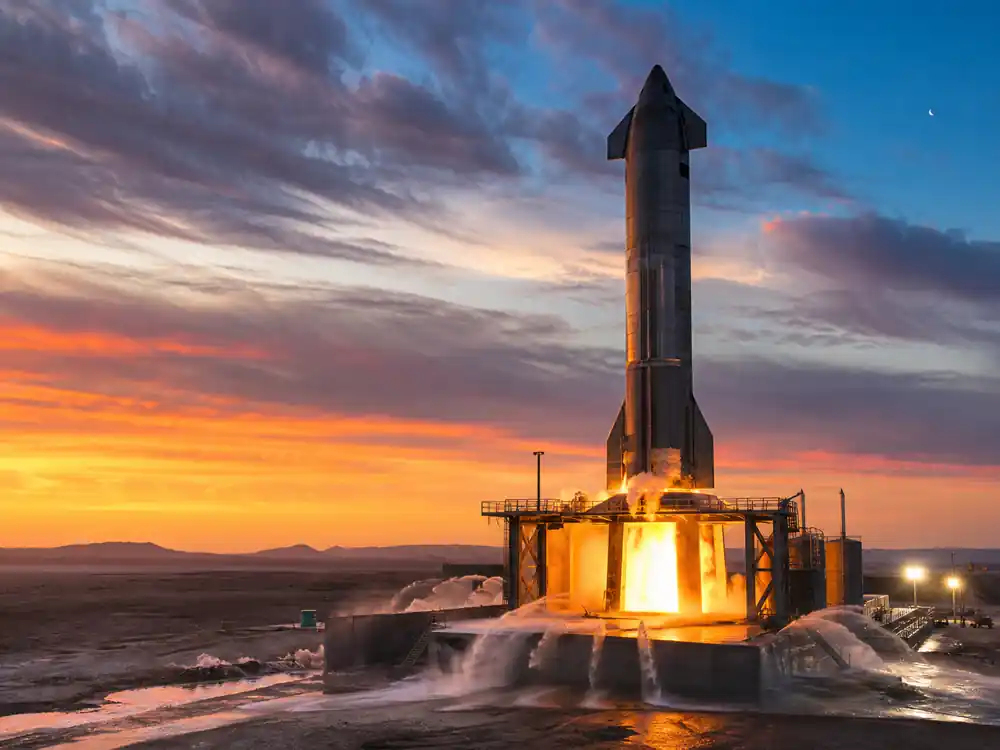
SpaceX, founded in 2002, is the 2026 driver. Forbes says he owns 38 percent of the company including options. In late July the magazine described that holding as 4.8 billion shares plus another 350 million stock options. Before June 12 those shares were a private mark, updated when funding rounds allowed. After June 12 they repriced with the Nasdaq. The 2026 fortune became, in large part, a SpaceX price times a very large numerator. Tesla still moves the list. It no longer monopolizes it.
People who write that he is worth approximately $866.3 billion because of Tesla are describing 2021 with a 2026 number pasted on top. The current mark is a two-engine book in which the newer public engine is the louder one. Forbes is explicit that the bulk of the fortune is held in SpaceX and, to a lesser extent, Tesla.
xAI, X, Neuralink, and the smaller stubs
The other named pieces are real and smaller, at least as public marks, than the two listed companies. Forbes’ profile notes say SpaceX acquired xAI in February in a deal that valued the combined company at $1.25 trillion, and that Twitter, which Musk bought in 2022, was merged into xAI nearly a year earlier. Those sentences describe corporate combination, not a second personal net-worth total. Once xAI sits inside SpaceX, its value shows up in the SpaceX line that Forbes is already marking. Counting it again as a standalone fortune would count the same asset twice.
The Boring Company and Neuralink are the named private stubs. Forbes lists them as additional stakes. They can succeed as technology and still be modest relative to an approximately $866.3 billion personal mark. They are part of the composition. They are not the composition. Any article that lists exact private valuations for those companies without a round or a filing is speculating.
He is a cofounder of seven companies, according to Forbes, including Tesla, SpaceX, and xAI. Founder credits are origin stories. They are not seven separate 12-figure lines. The 2026 fortune still lives or dies on two listed companies plus whatever restricted Tesla stock a methodology includes or excludes. The June 24 Forbes piece made that methodology fight visible: restrictions on approximately $116 billion of Tesla shares were part of why the trillionaire print disappeared.
Why a session can move tens of billions
A salary is a discrete event. A market is not. When SpaceX or Tesla rallies, Forbes’ real-time net worth ticks up. When they sell off, it ticks down. That is not Musk making an estimated $20 billion in a session as income, even when the July list printed a move of that size. It is a mark-to-market on assets he has not sold. Elon Musk net worth 2026, asked as cash he can spend, is closer to occasional sales, loans against stock, and whatever cash yield sits in the leftover than to the daily list.
Liquidity is the dark matter. A 38 percent SpaceX stake including options, on Forbes’ figures, is not a checking account. IPO lockups, option vesting, and the Tesla restrictions Forbes described in June are why a 12-figure print can exist on paper while a comparable cash hoard does not. Treat a green day on the billionaire list as an appraisal. Treat a red month that Forbes put at a record $363 billion lost as the same appraisal with the sign flipped.
Secondary trackers can disagree because they model restricted shares and private leftovers differently. Forbes is explicit that public holdings update on market prices and that private companies are marked less often. After SpaceX listed, more of the fortune became a public product. That made the list more honest and more violent at the same time.
First place versus Page, Bezos, and Gates
First in the world on Forbes’ list is historically new for this man in the 2020s and historically unmatched for almost anyone else. The 2026 annual list was top-heavy with American technology fortunes that have not been given away at Gates scale. Page’s estimated $257 billion March print, Sergey Brin’s estimated $237 billion, Bezos’ estimated $224 billion, and Zuckerberg’s estimated $222 billion are what a 2026 technology fortune looks like when a founder stake is still the engine. Musk’s estimated $839 billion March print was more than three times Page in second, according to the same snapshot.
Bill Gates is the contrast that search traffic keeps forcing, and it is a mismatch unless the category is people Forbes still lists in 12 figures. Forbes’ 2026 annual list placed Gates 19th at an estimated $108 billion. The August 28 real-time list still had him 19th, at approximately $109.7 billion. Forbes estimates his remaining Microsoft stake at less than 1 percent after 2022 share donations, and says he has donated more than $59 billion to the Gates Foundation. How Bill Gates makes money is a Cascade mark-to-market leftover. How Musk’s list moves is concentrated equity in companies he still runs. For the peer table on the giving side, see how much Bill Gates is worth next to Musk’s estimated $839 billion March print.
Among entertainers the comparison is even worse. Forbes’ March 2026 celebrity-billionaire ranking counted 22 names worth a reported $48.1 billion together, led by Steven Spielberg at an estimated $7.1 billion. Musk is not on that list because he is not scored as a celebrity. Mixing him into a richest celebrities in the world 2026 table inflates the entertainment column and misunderstands the technology column. Taylor Swift at an estimated $2 billion on that ranking is a tour-plus-catalog story. His fortune is a 2004 Tesla check plus a 2002 rocket company plus a 2026 listing.

What this fortune is not
It is not a pop-star income mix. There is no sourced 2026 musician-pay figure that looks like Forbes’ estimated $298 million Weeknd year or Beyonce’s estimated $148 million pretax. Up days on a billionaire list are not album plus tour plus brand. They are appraisals of listed equity. Readers who arrive from an Adele or Bruno Mars page should reset the scale by three orders of magnitude and change the unit from residual to mark-to-market.
It is not Tesla’s market capitalization, and it is not SpaceX’s. Forbes estimates a nearly 11 percent Tesla stub and a 38 percent SpaceX stake including options. People who write that he is worth approximately $866.3 billion because he owns Tesla are describing a founder myth with a 2026 number pasted on top. The current mark is his slice, minus debts a tracker is willing to subtract, plus smaller private stubs.
It is not philanthropy as the operating plan. Forbes gives him a philanthropy score of 1 on its internal scale. Gates’ 2026 profile is the other design: more than $59 billion already gifted, a foundation scheduled to close in 2045, a personal fortune Forbes put at approximately $109.7 billion in late August. Elon Musk net worth 2026 is still a score that markets can inflate. Framing that as the same story as a spend-down, without the gifts, is getting the fork backwards.
A 2026 path of marks, not gifts
It is easy to misread a summer collapse as a fallen man. The March Forbes 400-scale point already showed the opposite pattern in a single year: an estimated $839 billion, up by about half a trillion dollars, and a rank that was already first. Add a June listing that Forbes said pushed him to an estimated $1.1 trillion, a June 16 peak it put at an estimated $1.45 trillion, a July that it said took a record $363 billion off the list, and an August 28 real-time print of approximately $866.3 billion, and the 2026 page is a volatility document, not a morality play.
Unvested Tesla performance stock is the optionality the profile keeps in a footnote. Forbes says the 2018 award could add another 8 percent of the company upon vesting before taxes. That is not in the current nearly 11 percent figure. It is a future mark if and when it vests. Counting it as cash is how a compensation package becomes a second fake fortune. ABC News and others have described a later Tesla package that could be worth more than an estimated $1 trillion over years if targets are hit. That is a board-approved path. It is not Elon Musk net worth 2026.
The dated total, then, is a technology-and-equity fortune tied to the print you are holding. Forbes’ March snapshot of an estimated $839 billion, its June 12 trillionaire call of an estimated $1.1 trillion, its August 1 print of an estimated $690 billion, and its August 28 real-time profile of approximately $866.3 billion describe the same man on four calendars. The composition is SpaceX, Tesla, and time. The paycheck is not. For the income-side view rather than the wealth mark, see how Elon Musk makes money.