


In this article7 sections
- Confirmed Celebrities on Ozempic and Mounjaro in 2026
- Ozempic vs Mounjaro: Understanding the Difference
- Celebrities Rumored to Use GLP-1 Weight Loss Drugs
- The Cultural Impact of Celebrities on Ozempic
- Health Considerations and Expert Perspectives on GLP-1 Medications
- Related from USA Celebs
- Frequently Asked Questions
Celebrities on Ozempic have dominated headlines throughout 2026, as more A-listers openly discuss their experiences with GLP-1 receptor agonist medications for weight management. What was once Hollywood’s best-kept secret has become a mainstream conversation about health, body image, and the science behind semaglutide and tirzepatide — the active ingredients in Ozempic and Mounjaro, respectively. From talk-show hosts to Grammy-winning musicians, the list of public figures who have confirmed using these medications continues to grow each month.
The cultural shift around weight-loss medication in Hollywood has been remarkable. Just a few years ago, admitting to pharmaceutical assistance was career-risking; today, transparency about GLP-1 drugs is increasingly seen as brave and responsible. This comprehensive list separates confirmed users from the merely speculated, examines the key differences between Ozempic and Mounjaro, and explores the broader cultural impact these medications have had on celebrity culture and public health discussions.
Confirmed Celebrities on Ozempic and Mounjaro in 2026

The distinction between confirmed and rumored users matters. These celebrities have publicly acknowledged their use of GLP-1 medications, either in interviews, social media posts, or public appearances where they directly addressed the topic.
Oprah Winfrey — Mounjaro (Confirmed December 2023): The media mogul confirmed she uses a weight-loss medication “that wonderful shot” during a People magazine interview. Oprah, who reached approximately 300 pounds at her peak weight, had been a Weight Watchers board member for years before stepping down in 2024. She has since become one of the most vocal advocates for reducing stigma around medication-assisted weight loss, hosting a primetime special called “An Oprah Special: Shame, Blame, and the Weight Loss Revolution.”
Rebel Wilson — Ozempic (Confirmed 2023): The Australian actress who declared 2020 her “Year of Health” and lost approximately 75 pounds revealed she had tried Ozempic during her weight-loss journey. Wilson’s approach combined medication with two-hour daily workouts, a high-protein diet, and addressing emotional eating patterns related to her PCOS and fertility goals. She has been candid about regaining approximately 30 pounds during a demanding filming schedule.
Amy Schumer — Mounjaro (Confirmed January 2024): The comedian posted openly on Instagram about her experience with Mounjaro, later discussing how she stopped due to side effects including severe nausea. Schumer earned praise for her typically blunt honesty about both the benefits and drawbacks of the medication.
Whoopi Goldberg — Mounjaro (Confirmed 2024): The View co-host confirmed on air that she was using Mounjaro under medical supervision as part of a broader health initiative. Goldberg emphasized that the medication was prescribed by her doctor to address weight-related health concerns, not for cosmetic reasons.
Adam Lambert — Ozempic and Mounjaro (Confirmed 2024): The singer-songwriter revealed he had used both medications at different times. Lambert discussed the experience on his social media, noting that he tried Ozempic first before switching to Mounjaro under his doctor’s guidance for better results with fewer side effects.
Meghan Trainor — Mounjaro (Confirmed 2024): The “All About That Bass” singer confirmed her Mounjaro use while discussing postpartum weight management. Trainor, who had previously been an advocate for body positivity at any size, spoke thoughtfully about how her perspective evolved after her pregnancies and conversations with her healthcare provider.
Ozempic vs Mounjaro: Understanding the Difference
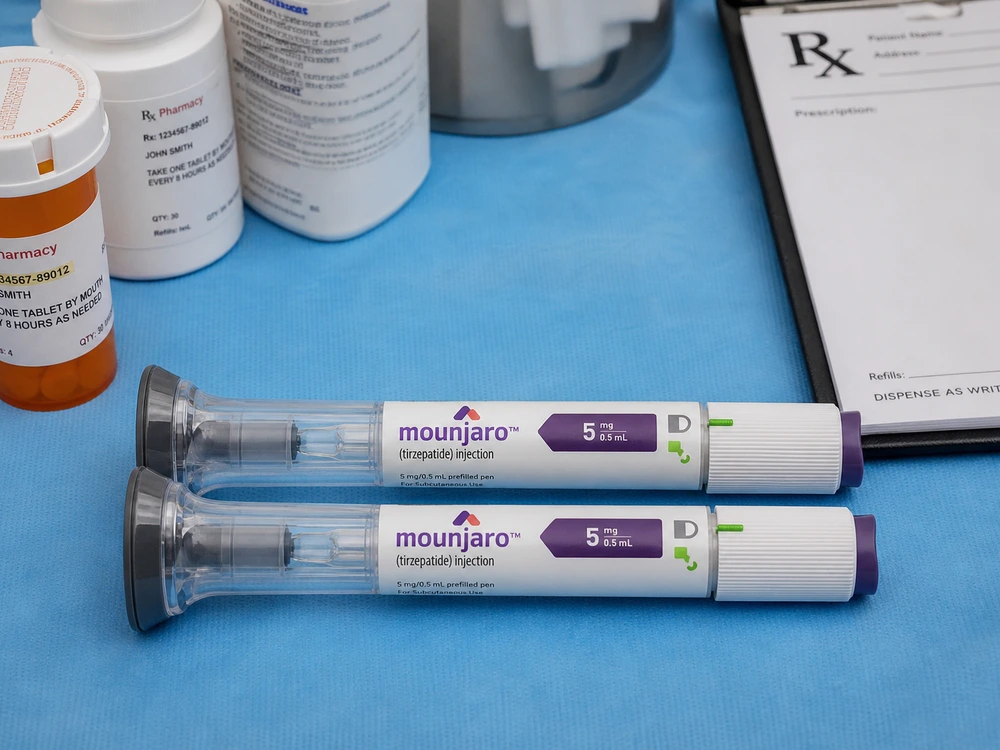
While often grouped together in media coverage, Ozempic and Mounjaro are distinct medications with different mechanisms. Ozempic (semaglutide) is manufactured by Novo Nordisk and works as a GLP-1 receptor agonist. It mimics the naturally occurring hormone GLP-1, which regulates appetite, slows gastric emptying, and influences insulin secretion. Originally approved for Type 2 diabetes management, semaglutide at a higher dose is marketed as Wegovy specifically for weight management.
Mounjaro (tirzepatide), manufactured by Eli Lilly, takes a dual approach by activating both the GLP-1 and GIP (glucose-dependent insulinotropic polypeptide) receptors. This dual mechanism appears to produce more significant weight-loss results in clinical trials. The SURMOUNT-1 trial showed participants on the highest dose of tirzepatide lost an average of 22.5% of their body weight over 72 weeks, compared to approximately 15-17% for semaglutide in similar trials.
Both medications are administered via weekly subcutaneous injection and share common side effects including nausea, diarrhea, vomiting, and constipation, particularly during dose escalation. The cost without insurance ranges from $900 to $1,300 per month for either medication, though pricing has been trending downward as competition increases in the GLP-1 space.
Celebrities Rumored to Use GLP-1 Weight Loss Drugs
Beyond the confirmed list, numerous celebrities have been the subject of Ozempic speculation based on visible weight changes. It is important to note that rapid weight loss can result from many factors — dietary changes, increased exercise, stress, illness, or other medical treatments — and speculating about someone’s medication use without confirmation can perpetuate harmful narratives.
Several high-profile figures who have faced such rumors have explicitly denied using GLP-1 medications, attributing their transformations to lifestyle changes, personal trainers, or other health interventions. The cultural impulse to attribute any visible weight loss to Ozempic reflects both the drug’s massive cultural footprint and society’s complicated relationship with body-image discussions.
Entertainment industry insiders have suggested that the actual number of Hollywood professionals using these medications is significantly higher than the publicly confirmed list. Endocrinologists in Beverly Hills and Manhattan have reported dramatic increases in prescriptions written for entertainment-industry patients since 2022.
The Cultural Impact of Celebrities on Ozempic
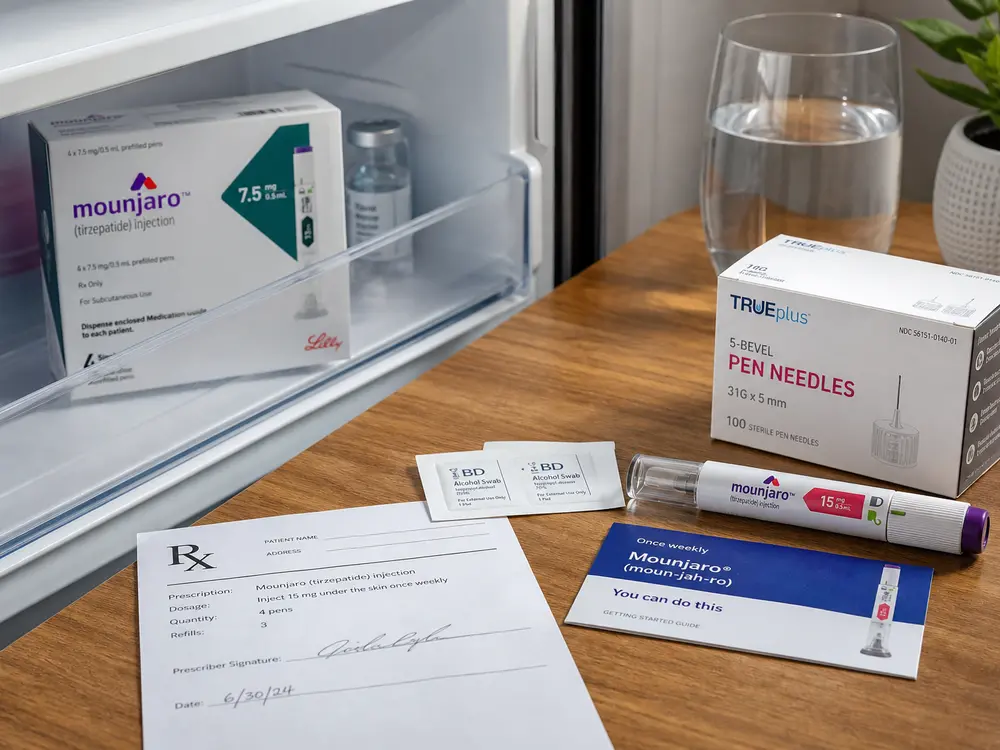
The celebrity Ozempic phenomenon has reshaped conversations about weight, health, and personal choice in American culture. When Oprah publicly embraced medication-assisted weight loss, it shifted the Overton window for millions of Americans who had long viewed such treatments with suspicion or moral judgment. Her decision to host a nationally televised special on weight-loss stigma marked a turning point in public discourse.
Medical professionals have noted both positive and concerning trends. On the positive side, celebrity openness has encouraged people with obesity-related health conditions to discuss treatment options with their doctors. On the concerning side, demand has created supply shortages that affect diabetic patients who rely on these medications for blood-sugar management, and some individuals are obtaining prescriptions without appropriate medical oversight.
The body-positivity community has been divided. Some advocates argue that normalizing weight-loss drugs undermines years of progress in fat acceptance, while others maintain that bodily autonomy includes the right to pursue medical treatment. This nuanced debate reflects the complexity of a cultural moment where pharmaceutical innovation intersects with deeply personal identity politics.
Health Considerations and Expert Perspectives on GLP-1 Medications
Board-certified endocrinologist Dr. Caroline Apovian, a leading obesity-medicine researcher, has emphasized that GLP-1 medications represent a legitimate medical breakthrough. “These drugs address the biological mechanisms that make sustained weight loss so difficult,” she has stated. “They are not shortcuts — they are tools that, when combined with lifestyle changes, can produce meaningful, sustained health improvements.”
However, experts also caution that these medications are not appropriate for everyone. Side effects can be significant, and the long-term effects of sustained use beyond five years remain under study. The phenomenon of weight regain after discontinuation — reportedly 60-70% of lost weight returns within a year of stopping — raises questions about whether these medications require lifelong use for sustained benefit.
The economic impact of celebrity GLP-1 adoption has been enormous. Novo Nordisk’s market capitalization briefly surpassed $500 billion, making it Europe’s most valuable company. Eli Lilly has seen similar growth on the strength of Mounjaro and its successor compounds. The combined GLP-1 market is projected to exceed $100 billion annually by 2030, driven in no small part by the celebrity endorsement effect that has normalized these medications for a broader consumer audience.
Insurance coverage has expanded dramatically as well. Major insurers who previously classified GLP-1 medications as “cosmetic” have begun covering them for patients meeting specific BMI and comorbidity thresholds. The shift was accelerated by lobbying efforts that cited the long-term cost savings of treating obesity proactively rather than managing its downstream consequences — diabetes, cardiovascular disease, joint replacement, and other obesity-related conditions that collectively cost the US healthcare system hundreds of billions annually.
Looking ahead, the next generation of GLP-1 medications promises even more dramatic results. Eli Lilly’s retatrutide, a triple-agonist targeting GLP-1, GIP, and glucagon receptors simultaneously, produced average weight loss exceeding 24% in Phase 2 trials. Amgen’s MariTide, a long-acting antibody-peptide conjugate, could potentially require only monthly injections instead of weekly. As these newer compounds enter the market, the list of celebrities on Ozempic and similar drugs will likely continue expanding — making transparency and informed public discourse more important than ever.
As more celebrities on Ozempic and Mounjaro share their stories throughout 2026, the conversation continues to evolve. The transparency of public figures has undeniably accelerated both medical adoption and cultural reckoning with how society views weight, willpower, and wellness. Whether this moment represents a health revolution or a cultural overcorrection remains a question that only time, and rigorous long-term research, can fully answer.
Frequently Asked Questions
Which celebrities have confirmed using Ozempic or Mounjaro?
Oprah Winfrey confirmed Mounjaro use, Rebel Wilson tried Ozempic, Amy Schumer used Mounjaro, Whoopi Goldberg confirmed Mounjaro, Adam Lambert used both Ozempic and Mounjaro, and Meghan Trainor confirmed Mounjaro in 2026.
What is the difference between Ozempic and Mounjaro?
Ozempic contains semaglutide and targets the GLP-1 receptor, while Mounjaro contains tirzepatide and targets both GLP-1 and GIP receptors. Clinical trials suggest Mounjaro may produce slightly greater weight loss on average.
How much weight can celebrities lose on Ozempic?
Results vary, but clinical trials show average weight loss of 15-20% of body weight with semaglutide (Ozempic/Wegovy) and up to 22% with tirzepatide (Mounjaro) over 72 weeks combined with diet and exercise.
Are there side effects of Ozempic that celebrities have mentioned?
Celebrities have reported nausea, stomach discomfort, and loss of appetite as common side effects. Some have mentioned “Ozempic face” — facial volume loss from rapid weight reduction — as a visible cosmetic concern.
Why are so many celebrities on Ozempic in 2026?
Greater social acceptance, high-profile endorsements by Oprah and others, improved insurance coverage, and growing evidence of health benefits beyond weight loss have driven widespread adoption among celebrities and the general public alike.
Which celebrities have confirmed using Ozempic or Mounjaro?
Oprah Winfrey confirmed Mounjaro use, Rebel Wilson tried Ozempic, Amy Schumer used Mounjaro, Whoopi Goldberg confirmed Mounjaro, Adam Lambert used both Ozempic and Mounjaro, and Meghan Trainor confirmed Mounjaro in 2026.
What is the difference between Ozempic and Mounjaro?
Ozempic contains semaglutide and targets the GLP-1 receptor, while Mounjaro contains tirzepatide and targets both GLP-1 and GIP receptors. Clinical trials suggest Mounjaro may produce slightly greater weight loss on average.
How much weight can celebrities lose on Ozempic?
Results vary, but clinical trials show average weight loss of 15-20% of body weight with semaglutide and up to 22% with tirzepatide over 72 weeks combined with diet and exercise.
Are there side effects of Ozempic that celebrities have mentioned?
Celebrities have reported nausea, stomach discomfort, and loss of appetite as common side effects. Some have mentioned Ozempic face as a visible cosmetic concern.
Why are so many celebrities on Ozempic in 2026?
Greater social acceptance, high-profile endorsements, improved insurance coverage, and growing evidence of health benefits beyond weight loss have driven widespread adoption.