

In this article9 sections
- Cannes Most Controversial Moments History: How We Rank Them
- 1968: The Festival That Stopped Mid-Week
- Booing, Walkouts, and Premiere Verdicts
- Palme d'Or Shocks That Split the Croisette
- Press-Conference Scandals and Bans
- Red Carpet Rules, Heelgate, and Solidarity Protests
- Streaming Wars and Competition Eligibility
- Recent Flashpoints and What They Signal
- Explore More Cannes and Festival Coverage
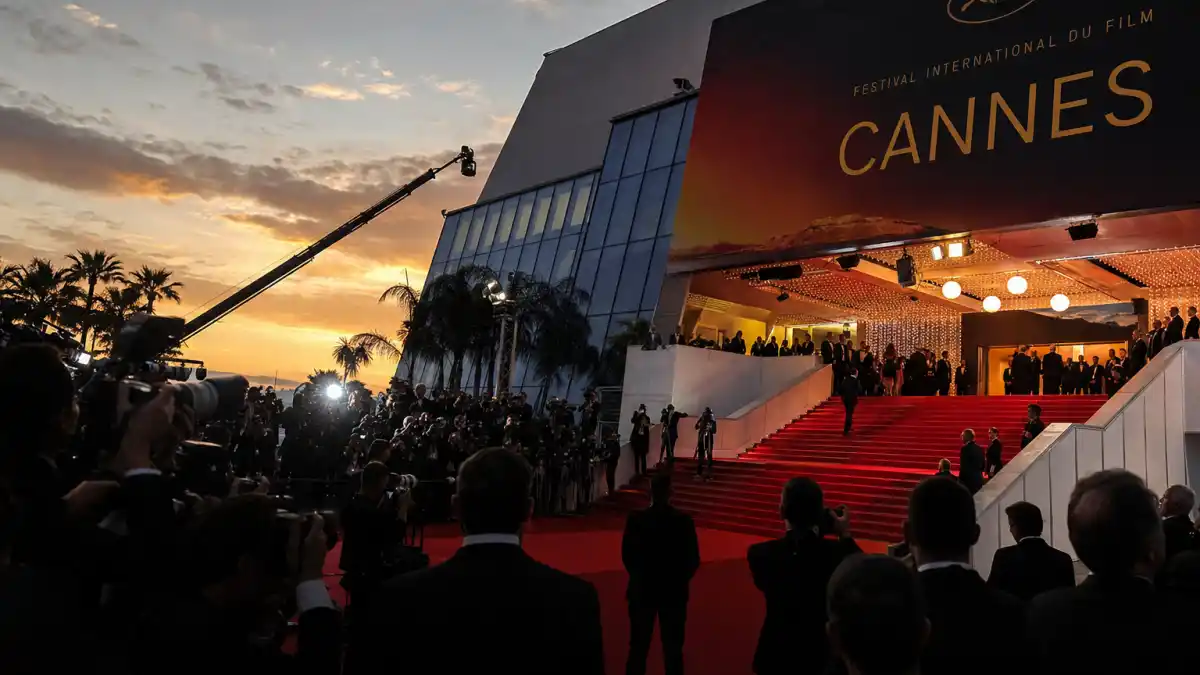
Cannes most controversial moments history reads like a ledger of cinema’s loudest arguments — from the 1968 festival cancellation amid May ’68 street protests to the heelgate dress-code revolt, from legendary premiere booing to Palme d’Or shocks that rewrote awards-season math. The Festival de Cannes brands itself as the world’s most prestigious cinema gathering, yet its mythology is built as much on scandal as on auteur triumph. This ranked history guide covers verified protests, walkouts, jury revolts, press-conference meltdowns, and ceremony flashpoints that still define how critics, filmmakers, and audiences talk about the Croisette — sourced from the Festival de Cannes, The Hollywood Reporter, Variety, and contemporaneous press archives. For fresh results see our Cannes Film Festival 2026 winners list. Every Palme shock connects to our Palme d’Or winners list by year archive. Heelgate and step security tie directly to Cannes red carpet rules and dress code.
Why does Cannes generate controversy at a higher pitch than Venice or Berlin? The answer sits in the festival’s dual identity: a marketplace where global distributors bid on Palme-winning titles and a gladiatorial arena where 1,500-seat premieres can turn into live verdicts. Boos echo through the Grand Théâtre Lumière with brutal clarity. Juries have crowned transgressive auteurs, banned directors from the premises, and split prizes in ways that look like deliberate provocation.
Cannes Most Controversial Moments History: How We Rank Them
We ordered this Cannes most controversial moments history by lasting cultural impact — not fleeting Twitter cycles. A moment qualifies if it changed festival policy, dominated global headlines for weeks, or permanently altered how a filmmaker’s career is discussed. Each entry below is cross-checked against primary reporting. Where debate continues (was the jury right to crown a title?), we note the dispute without declaring a winner — the controversy itself is the subject.
1968: The Festival That Stopped Mid-Week
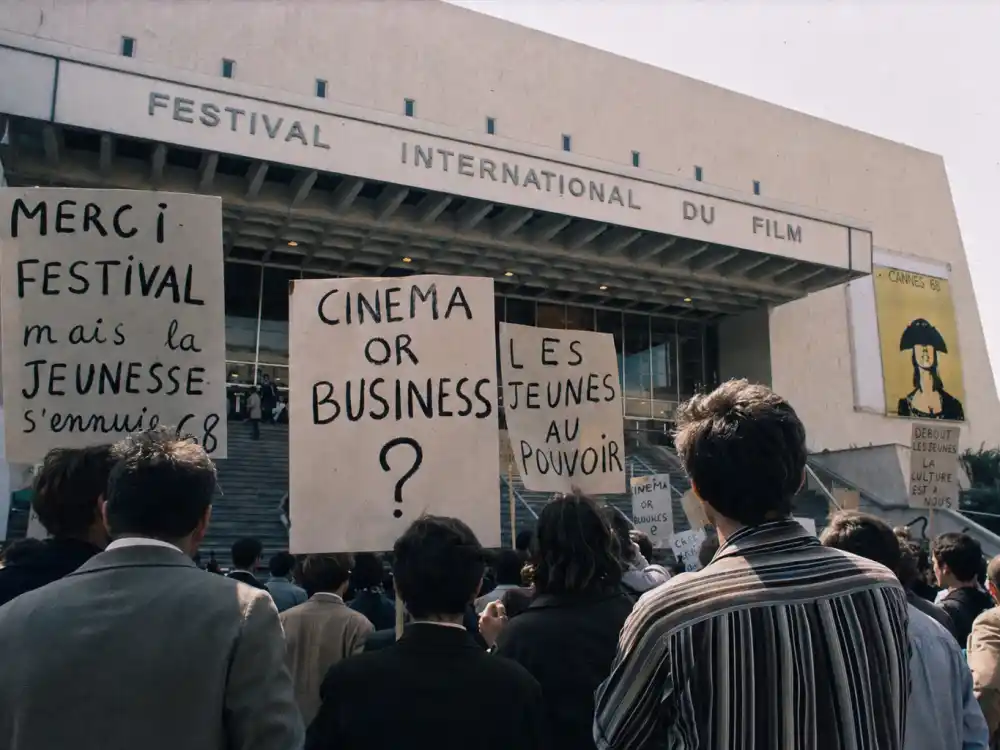
The single most structural rupture in Cannes most controversial moments history arrived in May 1968, when student and worker uprisings across France collided with the 21st edition. Directors including Jean-Luc Godard, François Truffaut, and Claude Lelouch pushed to halt screenings in solidarity with strikers. On May 19, festival president Louis Marcorelles suspended the event — the only time Cannes has aborted mid-run. The Palme d’Or was not awarded that year; the unfinished competition became a symbol of cinema yielding to politics. Every later protest at Cannes — from red-carpet gender equality demonstrations to Ukraine solidarity — carries DNA from 1968’s forced shutdown.
Booing, Walkouts, and Premiere Verdicts
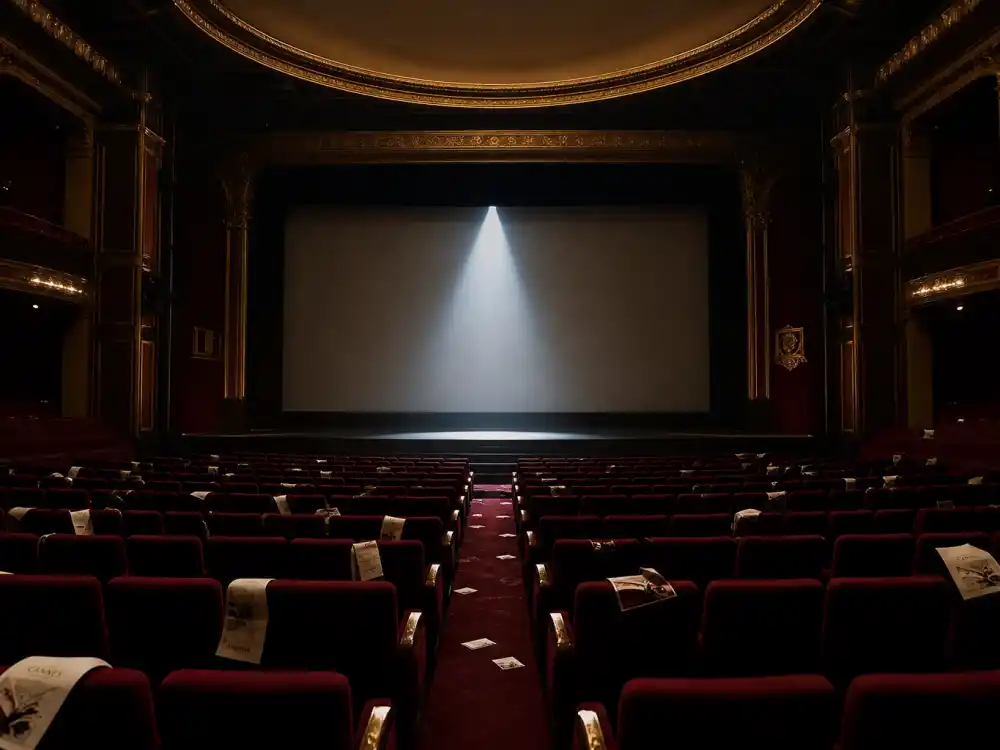
Cannes audiences do not whisper. Premiere booing is so central to festival lore that a hostile Lumière reception can overshadow a film’s commercial fate. Sofia Coppola’s Marie Antoinette (2006) drew audible jeers — partly over an opening sequence set to post-punk tracks critics deemed anachronistic — yet still left Competition with technical prizes. Gaspar Noé’s Irreversible (2002) and Nicolas Winding Refn’s The Neon Demon (2016) triggered mass walkouts over on-screen violence; both became case studies in whether Cannes should platform extremity. The pattern repeats: shock → headlines → cult or collapse. For winners who survived the gauntlet, compare our Cannes Film Festival 2026 winners list hub and the historical Palme d’Or winners list by year.
Palme d’Or Shocks That Split the Croisette
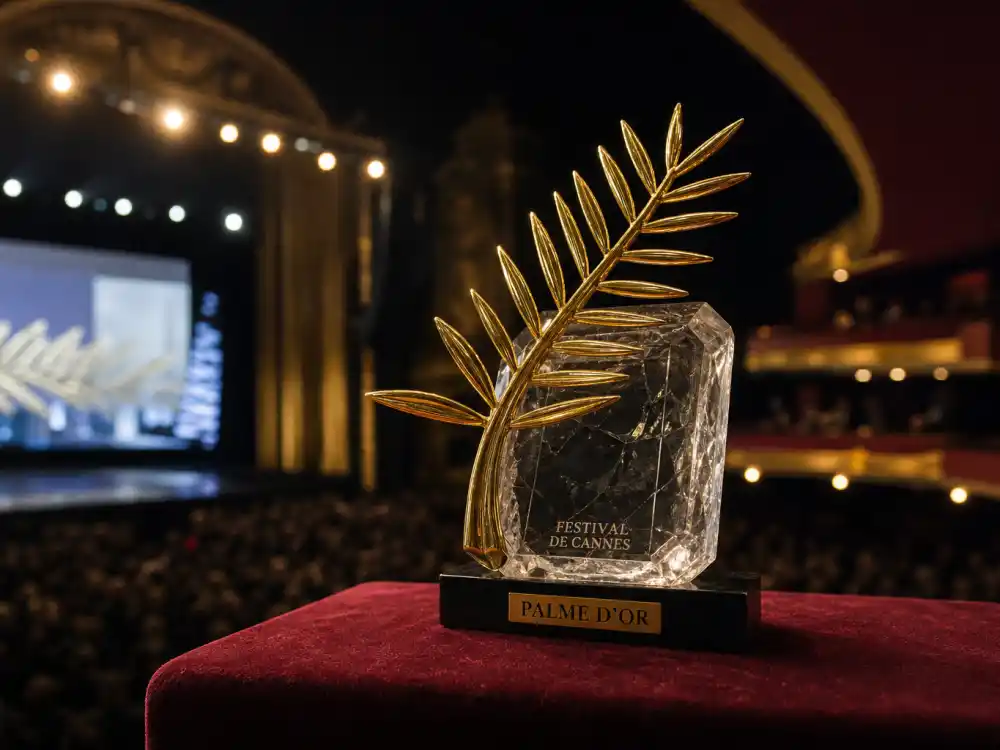
Jury prizes generate their own Cannes most controversial moments history when the Palme d’Or goes to a title the press box did not predict. Quentin Tarantino’s Pulp Fiction (1994) beat favorites including Three Colors: Red — launching a decade of debate about whether Cannes rewards pulp or poetry. Michael Moore’s Fahrenheit 9/11 (2004) became the first Palme-winning documentary, infuriating critics who saw jury president Quentin Tarantino rewarding polemic over cinema. Blue Is the Warmest Color (2013) won the Palme, then imploded publicly when lead actresses and director Abdellatif Kechiche disowned the shoot’s conditions — a rare case where the award ceremony was only act one. Dancer in the Dark (2000) and The Tree of Life (2011) likewise split juries and journalists. Each shock rewires Oscar-season narratives; track Palme lineage in our Palme d’Or winners list by year guide.
Press-Conference Scandals and Bans
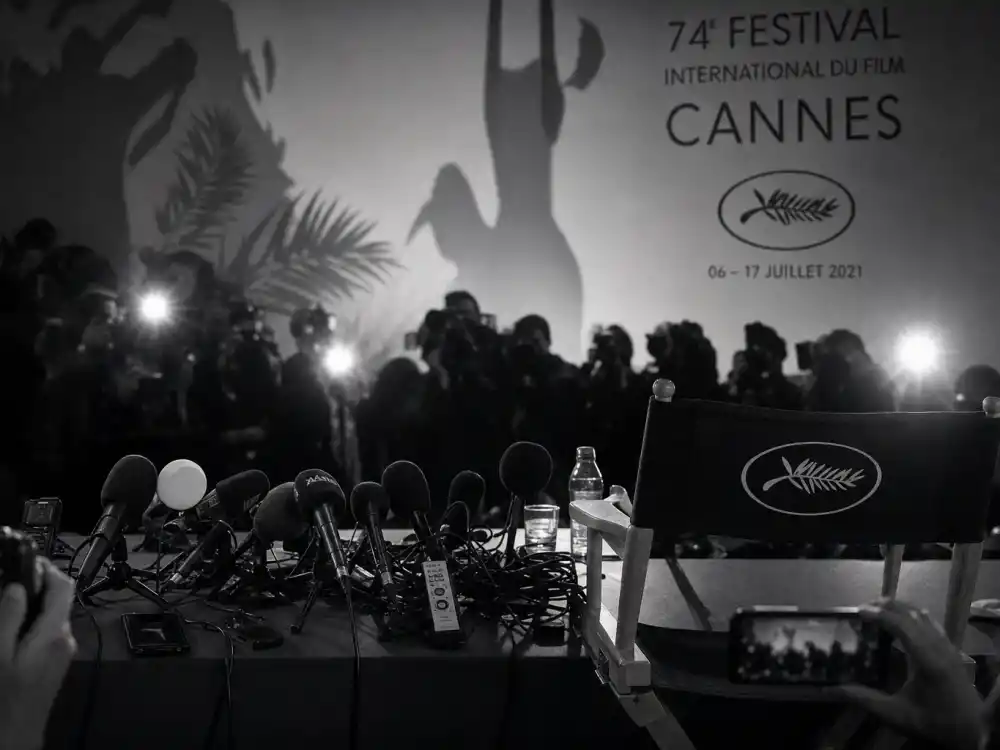
Press conferences at Cannes can detonate faster than screenings. The canonical modern entry: Lars von Trier at the Melancholia junket in 2011, when the Danish director joked about understanding Hitler and declared himself “a Nazi” — remarks the festival condemned within hours, declaring him persona non grata. Von Trier was physically removed from the premises; the scandal overshadowed Kirsten Dunst’s Best Actress win. Earlier eras produced their own firestorms — from politically charged Q&As during the Cold War to battles over on-screen sexuality. These episodes prove Cannes most controversial moments history is not confined to red carpets; the basement press rooms matter equally.
Red Carpet Rules, Heelgate, and Solidarity Protests
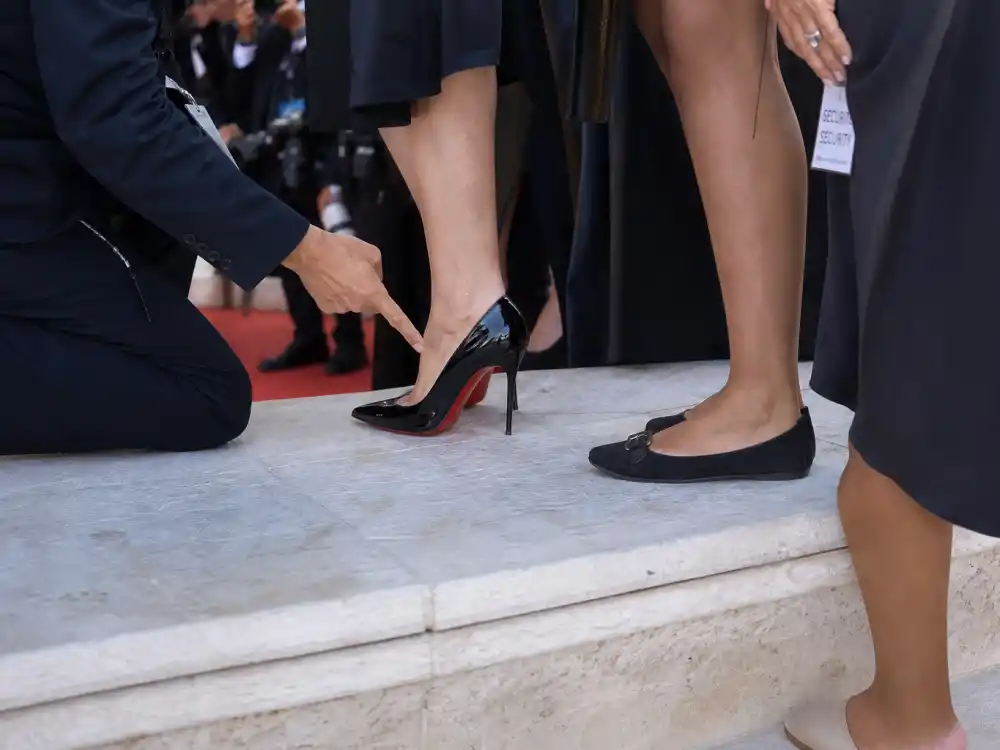
Ceremony-adjacent controversies shape policy. Heelgate (2015) exploded when multiple women reported being turned away from gala screenings for wearing flat shoes — conflicting with Cannes’ unwritten black-tie protocol. The festival denied a formal heel height rule yet tightened messaging; the incident remains a flashpoint in gendered dress policing. In 2018, Céline Sciamma, Agnès Varda, and 82 women — led by jury president Cate Blanchett — climbed the Palais steps in silent protest against inequality in French cinema, timed to the César Awards fallout. 2022 brought Ukraine war symbolism: a presidential video address and debates over whether festival glamour should pause for geopolitics.
Streaming Wars and Competition Eligibility
Business battles now rank among Cannes most controversial moments history. In 2017, festival director Thierry Frémaux banned Netflix and Amazon titles from Competition unless they committed to French theatrical windows — a move that sidelined Okja and The Meyerowitz Stories from Palme consideration while they still screened out of competition. Streamers and indie distributors argued Cannes was protecting antiquated release models; defenders said the Croisette must champion the big screen. Policy softened by 2019, but the fight established that Cannes controversies now include Silicon Valley. Compare how streaming-era winners appear on the Cannes Film Festival 2026 winners list.
Recent Flashpoints and What They Signal
The 2020s added new categories to Cannes most controversial moments history: COVID-era cancellation and compressed 2021 edition; debates over restored classics versus living filmmakers; security incidents on the Croisette; and recurring questions about who gets premiere slots versus relegation to sidebars. 2023 reignited discourse over comeback screenings and whether Cannes should separate art from artist — a moral argument older than the festival itself but amplified by social media. Each cycle proves the pattern: Cannes does not avoid controversy; it metabolizes it into prestige mythology.
Explore More Cannes and Festival Coverage
- Fresh winners: Cannes Film Festival 2026 winners list
- Palme archive: Palme d’Or winners list by year
- Step policy: Cannes red carpet rules and dress code
- Oscar season: Oscar winners 2026 full list
- January Globes: Golden Globes 2026 winners full list