


In this article7 sections
being frenshe ashley tisdale 250 million
Three and a half years after its 2022 launch, Ashley Tisdale‘s wellness and body care brand Being Frenshe has reportedly crossed $250 million in annual revenue. The figure, surfaced in retail-industry reporting this April, lands the brand inside the top tier of celebrity-founded wellness companies — a category notoriously punishing for new entrants — and quietly establishes Tisdale as one of the more successful celebrity entrepreneurs of her generation.
Here’s how Being Frenshe got from launch to a quarter-billion in revenue, why the brand’s positioning works in a brutally crowded category, and what the figure actually tells us about Tisdale’s second act after High School Musical.
Being frenshe ashley tisdale 250 million: What Happened and Why It Matters
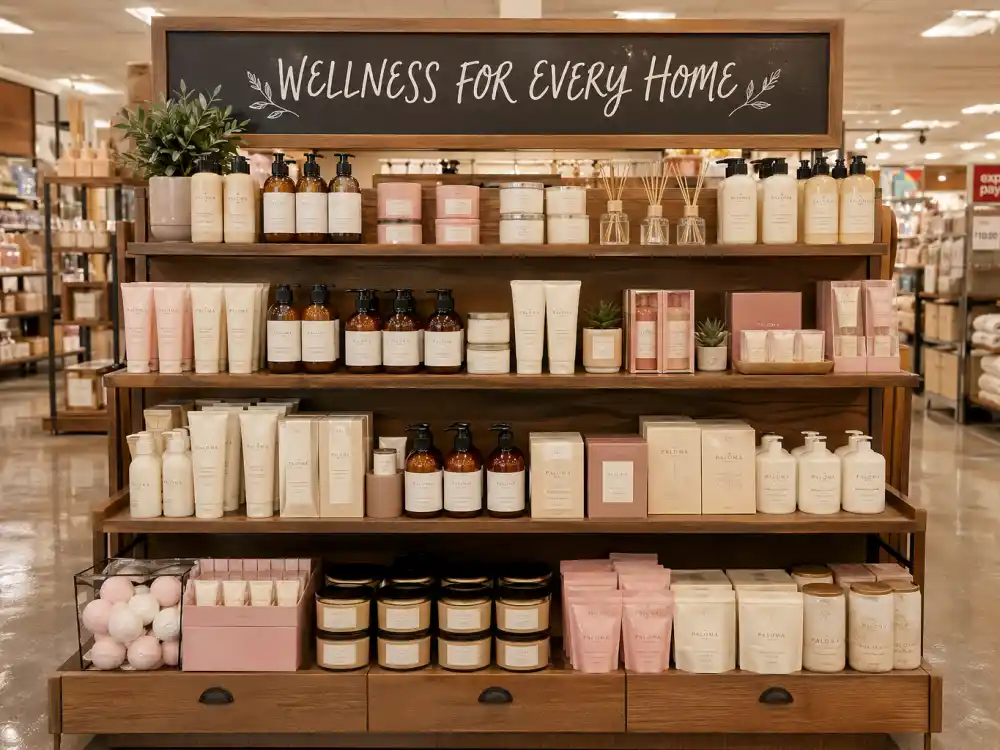
Being Frenshe is a personal-care and wellness brand founded by Tisdale in 2022, in partnership with Maesa, the New York–based brand incubator that has launched multiple celebrity beauty and wellness lines (including Drew Barrymore’s Flower Beauty and Hilary Duff’s Kin Euphorics). The brand’s product lineup centres on body care — body lotions, body washes, hair-and-body serums, fragrance mists — with extensions into supplements, candles, and what the brand calls “mood-supporting” wellness rituals.
The brand launched exclusively at Target, which has become Frenshe’s primary retail engine, with most products priced between $10 and $25. That price point — accessible mass-market wellness — has been the structural advantage that has driven the brand’s scale.
How it got to $250 million
The path from a 2022 launch to a quarter-billion in annual revenue inside three and a half years is unusually fast even for celebrity-founded categories. Several factors drove the trajectory:
- Exclusive Target distribution. Locking in a single major retailer at launch gave Frenshe the kind of nationwide shelf presence that a direct-to-consumer brand would have spent years and tens of millions of marketing dollars to build.
- Maesa’s category expertise. Maesa as a brand incubator handles supply chain, product development, and retail negotiations — letting the celebrity founder focus on brand voice, content, and marketing. The model has worked repeatedly across categories.
- The accessible-wellness price point. Where most celebrity wellness brands aim for the $50+ luxury tier, Frenshe was deliberately priced for mass market. That widens the addressable customer base by an order of magnitude.
- The “mood and ritual” positioning. Frenshe’s marketing language — “wellness for the moments that matter,” “rituals over routines” — taps into the broader cultural turn toward intentional, almost spiritual self-care that has shaped the entire wellness industry post-pandemic.
- Tisdale’s content cadence. Tisdale has been consistently active across Instagram, TikTok and YouTube on Frenshe-adjacent wellness content for the brand’s entire lifespan. That sustained personal involvement is rare and has materially driven brand awareness.
Where this sits in the celebrity-brand landscape
The celebrity-founded beauty and wellness category has, over the past decade, become one of the most-watched corners of consumer business. The benchmark numbers are now well-known: Rihanna’s Fenty Beauty reportedly does well over $600 million annually. Selena Gomez’s Rare Beauty reportedly crossed $400 million in 2024. Kim Kardashian’s Skims is valued at multiple billions. Hailey Bieber’s Rhode sold to e.l.f. Beauty in 2025 for around $1 billion.
Inside that league, Frenshe at $250 million in annual revenue lands solidly in the second tier — below the breakout giants, but well above the long tail of celebrity brands that flame out within two years. Critically, Frenshe has done this in body care and wellness, not colour cosmetics — a category that’s traditionally far harder to scale because the average customer buys a body wash much less often than they buy a lipstick.
Tisdale’s second act
For viewers who only know Tisdale from the High School Musical trilogy and The Suite Life of Zack & Cody, Frenshe represents a complete repositioning. She launched the brand off the back of a years-long content pivot — first into a lifestyle blog, then into a wellness-focused YouTube channel, then into the Frenshe podcast and digital media property that pre-dated and seeded the product brand.
That pre-existing audience meant Frenshe didn’t launch into a vacuum. It launched into an audience that had already been engaging with Tisdale on wellness content for years — the kind of foundation that converts a celebrity name into actual brand loyalty rather than just press coverage.
Tisdale herself has been candid in interviews about how the brand grew out of personal anxiety and burnout. The narrative — Disney Channel star learns to manage anxiety through ritualised self-care, then builds a brand around that experience — is, in marketing terms, a near-perfect product-founder fit.
What’s next for the brand
The next stage for a brand at Frenshe’s size is well-defined. Industry observers expect to see:
- International expansion. Frenshe is currently primarily U.S.-focused. Most brands at this revenue level expand to Canada, the UK, and Australia within their next 18 months.
- Category expansion. Body care and wellness are the foundation, but adjacent categories — face skincare, hair, sleep products — are the obvious next moves. Several have already been quietly tested.
- Direct-to-consumer development. Frenshe currently relies heavily on Target. Building out a stronger direct-to-consumer channel becomes important both for margin and for first-party customer data.
- Strategic acquisition or investment. Brands that hit $250 million in revenue almost always become targets for acquisition by larger beauty conglomerates (L’Oréal, Estée Lauder, Coty, e.l.f.). Whether Tisdale and Maesa want to sell — and at what price — will define the brand’s next chapter.
For now, the headline number — $250 million in annual revenue, three and a half years after launch — is the relevant fact. It’s a quietly remarkable result in a category where most celebrity brands disappear inside their second year.
Frequently Asked Questions
How much is Being Frenshe worth?
Being Frenshe has reportedly crossed 0 million in annual revenue as of 2026. The brand’s overall valuation has not been publicly disclosed, but in the celebrity wellness category, brands at this revenue level typically command valuations in the high hundreds of millions of dollars.
What is Being Frenshe?
Being Frenshe is an accessibly-priced wellness and personal-care brand founded by actress Ashley Tisdale in 2022, in partnership with brand incubator Maesa. Its product line includes body care, supplements, candles and fragrance mists, sold primarily at Target.
Where can you buy Being Frenshe?
Being Frenshe is sold exclusively at Target stores nationwide and on Target.com. Most products are priced between and , deliberately positioned for the mass-market wellness customer.
Who founded Being Frenshe?
Being Frenshe was founded by actress Ashley Tisdale in 2022 in partnership with Maesa, a brand incubator that has also launched celebrity wellness brands for Drew Barrymore and Hilary Duff.
What is Ashley Tisdale doing now?
Ashley Tisdale’s primary focus is now her wellness brand Being Frenshe, the Frenshe digital media platform, and selected acting and producing projects. She has shifted significantly from her Disney Channel acting career into the wellness and entrepreneur space.
How much is Being Frenshe worth?
Being Frenshe has reportedly crossed 0 million in annual revenue as of 2026. The brand's overall valuation has not been publicly disclosed, but in the celebrity wellness category, brands at this revenue level typically command valuations in the high hundreds of millions of dollars.
What is Being Frenshe?
Being Frenshe is an accessibly-priced wellness and personal-care brand founded by actress Ashley Tisdale in 2022, in partnership with brand incubator Maesa. Its product line includes body care, supplements, candles and fragrance mists, sold primarily at Target.
Where can you buy Being Frenshe?
Being Frenshe is sold exclusively at Target stores nationwide and on Target.com. Most products are priced between and , deliberately positioned for the mass-market wellness customer.
Who founded Being Frenshe?
Being Frenshe was founded by actress Ashley Tisdale in 2022 in partnership with Maesa, a brand incubator that has also launched celebrity wellness brands for Drew Barrymore and Hilary Duff.
What is Ashley Tisdale doing now?
Ashley Tisdale's primary focus is now her wellness brand Being Frenshe, the Frenshe digital media platform, and selected acting and producing projects. She has shifted significantly from her Disney Channel acting career into the wellness and entrepreneur space.
For more on celebrity-founded brands and the business of fame, see our Celebrities section.