

In this article12 sections
- What Happened to Wil Wheaton? The Short Answer
- Before Star Trek: Stand By Me and the Child-Actor Years
- Wesley Crusher, Star Trek, and the Backlash That Shaped Him
- What Happened to Wil Wheaton After He Left the Enterprise?
- The Big Bang Theory Era and Geek-Culture Stardom
- TableTop, Board Games, and the Hosting Peak
- Writer, Blogger, and Wheaton's Law
- Mental Health, Marriage, and the Private Side
- Controversies, Workplace Disputes, and Polarized Fandom
- Star Trek: Picard and the Wesley Return
- Wil Wheaton Now: Where Is He in 2026?
- Explore More
What happened to Wil Wheaton is one of the most searched questions in geek-culture nostalgia — and the answer is more layered than a simple “where did he go?” headline suggests. Wil Wheaton did not vanish after playing Wesley Crusher on Star Trek: The Next Generation, nor did he follow the classic child-star meltdown script fans sometimes expect. He became a defining voice of early internet fandom, survived one of the most polarizing roles in sci-fi history, rebuilt his career as a writer and host, fought public battles with depression and anxiety on his own terms, and became a fixture of nerd culture through The Big Bang Theory and the board-game phenomenon TableTop. Today he podcasts, writes, appears at conventions, returned to the Star Trek universe on Picard, and remains as visible — and occasionally as controversial — as ever. This is the full story of what happened to Wil Wheaton, and where he is now in 2026.
If you grew up in the 1980s or 1990s, you probably know Wil Wheaton from at least two places: the railroad tracks of Stand By Me or the bridge of the USS Enterprise-D. For a generation of Star Trek fans, Wesley Crusher was either a beloved young genius or the character they loved to hate — and Wheaton absorbed that heat while still a teenager. When he stepped back from traditional Hollywood stardom, the internet filled the gap with myths: that he quit acting in disgrace, that he was “canceled” before cancel culture had a name, or that he disappeared entirely. Understanding what happened to Wil Wheaton means separating fan feud lore from a real arc: child actor → sci-fi lightning rod → blogger pioneer → geek icon → mental-health advocate → still working, still talking, still here.
What Happened to Wil Wheaton? The Short Answer
Here is what happened to Wil Wheaton in a nutshell:
- 1972: Born July 29 in Burbank, California; begins acting as a child in the early 1980s.
- 1986: Breaks out as Gordie Lachance in Rob Reiner’s Stand By Me, one of the defining coming-of-age films of the decade.
- 1987–1994: Plays Wesley Crusher on Star Trek: The Next Generation, becoming one of sci-fi’s most debated young characters.
- 1990s: Works sporadically in film and TV while navigating typecasting and fan backlash; pivots toward writing and early online community building.
- 2000s: Launches WilWheaton.net, publishes memoirs including Just a Geek, and becomes a pioneer of transparent, fan-connected celebrity blogging.
- 2009–2019: Plays a fictionalized version of himself on CBS’s The Big Bang Theory, cementing his status as geek culture royalty.
- 2012–2017: Hosts TableTop, a board-game series that helped fuel the modern tabletop renaissance on YouTube and Geek & Sundry.
- 2010s–2020s: Speaks openly about depression, anxiety, and recovery; advocates for mental health while weathering online controversies and workplace disputes.
- 2023: Returns as Wesley Crusher on Star Trek: Picard, closing a decades-long narrative loop for TNG fans.
- 2026: Continues writing, podcasting, convention appearances, and selective acting — a career built on fandom fluency rather than traditional leading-man fame.
Before Star Trek: Stand By Me and the Child-Actor Years
Long before anyone asked what happened to Wil Wheaton on a starship, he was a kid carrying Stephen King on his shoulders. Born to acting parents in the Los Angeles ecosystem, Wheaton booked commercials and small roles before landing the part that still anchors his biography: Gordie Lachance in Stand By Me. Reiner’s film, adapted from King’s novella The Body, follows four Oregon boys on a life-changing journey to find a dead body. Wheaton’s narration — voiced as the adult writer Gordie became — frames the story’s ache and wonder.
The performance is quiet, observant, and bruised in ways child roles rarely allowed in the mid-1980s. Critics noticed. Casting directors noticed. When Star Trek: The Next Generation needed a prodigy aboard the Enterprise, Wheaton was already proven at holding emotional weight on screen. That resume would matter later: fans who met him at conventions often said they loved him first as Gordie, then learned to separate the actor from the Wesley backlash. The Stand By Me credit is the humanizing foundation of every “what happened to Wil Wheaton” article — proof he was never just a sci-fi gimmick.
Wesley Crusher, Star Trek, and the Backlash That Shaped Him
For most people searching what happened to Wil Wheaton, the answer starts on the bridge of the Enterprise-D. Gene Roddenberry created Wesley Crusher as a teenage acting ensign and narrative experiment: a boy genius who could explain technobabble to the audience and represent hopeful youth in the 24th century. Wheaton joined in the show’s first season and remained through the seventh, with a memorable return in the series finale “All Good Things…”
Among a subset of hardcore Trek fans, Wesley became a punchline — too perfect, too convenient, too present. Wheaton has discussed the harassment and ridicule he faced while still a minor, including at conventions and in early online forums. The experience was formative in the worst and best ways: it taught him how fandom can love and wound simultaneously, and it pushed him toward building his own relationship with fans outside studio PR filters. He did not quit Trek because of a single scandal; he aged out of the role as the show evolved. But the Wesley years shadowed his reputation for decades — until Picard let him reframe the character as an evolved Traveler in 2023.
What Happened to Wil Wheaton After He Left the Enterprise?
When The Next Generation ended in 1994, Wheaton was twenty-two — old enough to vote, young enough that Hollywood still saw him as “the Wesley kid.” He worked in projects including Flipper, The Curse, and guest spots, but the franchise halo was double-edged. Studios wanted built-in nerd audiences; casting rooms wondered whether audiences could accept him as anyone other than the boy who annoyed Trek purists.
What happened to Wil Wheaton in the late 1990s and early 2000s was less a dramatic exit than a strategic pivot. He leaned into the internet before most celebrities understood it. WilWheaton.net became a laboratory for candid essays, behind-the-scenes stories, and direct fan conversation. He published Dancing Barefoot and Just a Geek, memoirs that treated fandom, failure, marriage, and fatherhood with humor and vulnerability. The books did not make him a blockbuster author overnight, but they established the voice that would power everything after: honest, self-deprecating, occasionally furious, always fluent in geek reference.
The Big Bang Theory Era and Geek-Culture Stardom
If Wesley Crusher made Wheaton famous to Trek fans, The Big Bang Theory made him famous to everyone else’s parents. From 2009 through the series finale in 2019, Wheaton played an exaggerated version of himself — a rival-turned-friend to Jim Parsons’s Sheldon Cooper, a celebrity nemesis turned reluctant ally in storylines about trading cards, bowling, and petty grudges played for sitcom scale.
The gig mattered because it was permission to laugh at his own image. Sheldon’s “Wil Wheaton” was petty, competitive, and oddly lovable — a mirror of how the internet had already been treating Wheaton for years. Mainstream viewers who never watched TNG learned his name from CBS Thursday nights. Covering what happened to Wil Wheaton without mentioning Big Bang is like covering Taylor Lautner without Twilight: the second act is where pop culture actually kept him in the conversation.
TableTop, Board Games, and the Hosting Peak
Wheaton’s most influential hosting work may be TableTop, the YouTube and Geek & Sundry series that ran from 2012 to 2017. Each episode gathered comedians, designers, and actors around a board game, explained the rules with infectious enthusiasm, and made tabletop culture feel accessible to millions who had never set a meeple. The show rode the hobby-game boom, won a loyal global audience, and turned Wheaton into the face of “games night” for an era.
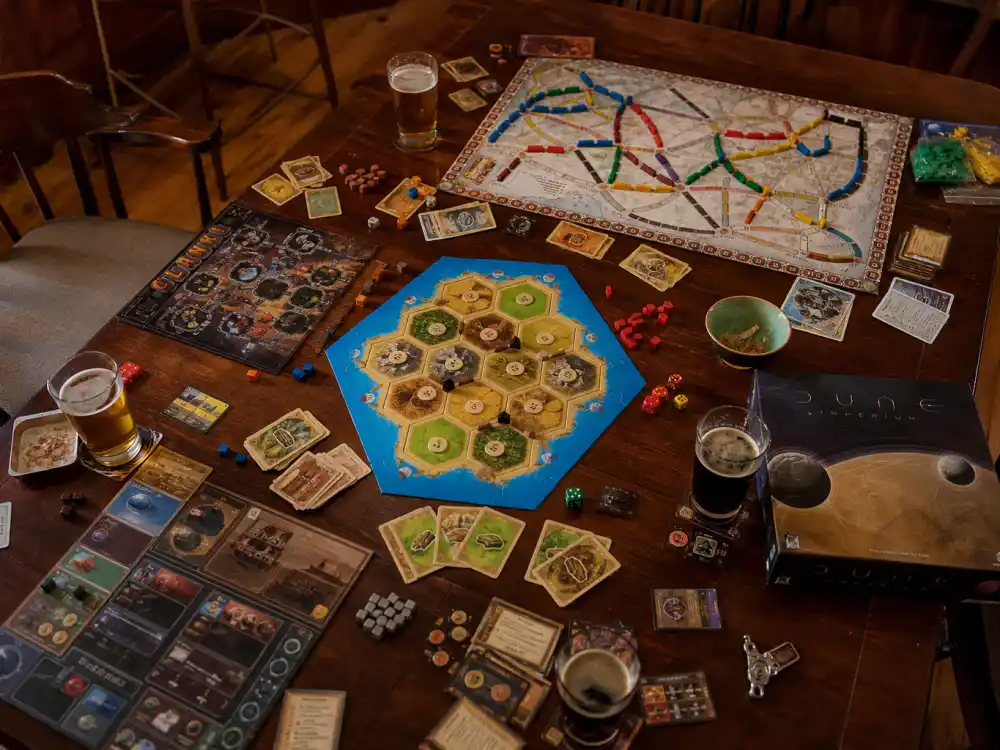
When TableTop ended, fans asked whether Wheaton had been pushed out or chose to leave. He has addressed production fatigue and industry shifts in interviews and posts without a single tidy villain. The legacy remains: game stores, friend groups, and streaming tables still cite TableTop as the reason they started playing Settlers of Catan, Ticket to Ride, or heavier strategy titles. For searches about what happened to Wil Wheaton, the show is the answer many younger fans actually want — not Wesley, but the guy who taught them game night.
Writer, Blogger, and Wheaton’s Law
Parallel to TV hosting, Wheaton built a writing career that most child stars never attempt. Beyond memoirs, he contributed to anthologies, narrated audiobooks, blogged about craft and family, and engaged daily with readers who treated WilWheaton.net as a community hub. His online presence also popularized “Wheaton’s Law,” derived from a Penny Arcade comic: Don’t be a dick. It became a shorthand ethic in gaming and fandom spaces — ironic, given how often Wheaton himself has been accused of violating his own rule in Twitter spats.

That tension — advocate for kindness, participant in flame wars — is central to what happened to Wil Wheaton in the 2010s and beyond. He blocked critics, spoke out on politics, and clashed with other creators. Some fans drifted away calling him hypocritical; others stayed because his transparency about mental health felt rarer than perfect behavior. Neither camp erases the other. They explain why his name still spikes in search: he is not a recluse; he is a public figure who never stopped posting.
Mental Health, Marriage, and the Private Side
Wheaton married Anne Prince in 1999; she became Anne Wheaton and a visible partner in his advocacy and creative life. They raised two sons, Ryan and Nolan, while Wheaton spoke openly about depression, anxiety, panic, and the long work of therapy and sobriety. His 2018 essay for Medium, My name is Wil Wheaton. I live with chronic depression and anxiety. I am not ashamed., circulated widely as a model of celebrity disclosure done without pity-baiting.

Covering what happened to Wil Wheaton requires acknowledging pain without reducing him to it. He has described difficult relationships with parents, the weight of early fame, and periods when work dried up and self-worth cratered. He has also described healing, creative renewal, and the stabilizing force of marriage and chosen family in fandom. Anne’s own public work — including candid posts about their life together — complicates the tabloid instinct to label him “troubled.” The Wheatons present as a team navigating visibility, not a cautionary tale frozen in 1994.
Controversies, Workplace Disputes, and Polarized Fandom
No honest account of what happened to Wil Wheaton skips the controversies. In 2019 he publicly left the Narrative podcast company amid allegations of a toxic workplace, supporting colleagues who accused leadership of abuse. He has been criticized for past behavior on sets and online, for perceived sanctimony, and for feuds with other geek celebrities. Detractors compile “why people dislike Wil Wheaton” threads; defenders cite his charity work, LGBTQ+ allyship, and decades of fan-accessible storytelling.
The polarization is itself a career fact. Wesley backlash trained him early for internet-scale judgment. TableTop success made him a power broker in indie gaming circles. Big Bang money and exposure widened the target on his back. He is neither canceled in the sense of vanished nor universally beloved in the sense of uncontroversial nostalgia. He occupies the messy middle where many 1980s stars live now — still working, still debated.
Star Trek: Picard and the Wesley Return
In 2023, Star Trek: Picard brought Wheaton back as Wesley Crusher for the season three finale arc — now associated with the Travelers, wearing admiral insignia, emotionally paying off decades of fan debate. For many viewers, the appearance was cathartic: the boy genius had become something mythic and kind. For others, it was too little, too late. Either way, it reframed the “what happened to Wil Wheaton” question in Trek terms: he never fully left the franchise orbit; he waited until the story could meet him as an adult.
Wil Wheaton Now: Where Is He in 2026?
So where is Wil Wheaton now? As of early 2026, he remains active across the stack he built: writing on his site and social platforms, appearing at comic and Star Trek conventions, recording podcasts (including long-running personal shows and guest spots on geek networks), narrating audiobooks, and engaging with tabletop publishers and fans. He is not headlining blockbuster films, and he does not need to — his audience is niche-large, global, and loyal across mediums.
The honest answer to what happened to Wil Wheaton is this: he survived one of the most ridiculed roles in sci-fi history, refused to let that ridicule define his entire life, invented a celebrity model based on blogging before influencers existed, hosted a board-game revolution, became a sitcom version of himself for a decade, fought mental illness in public, weathered internet backlash for being human in public, returned to the Enterprise when the moment was right, and kept showing up for the community that raised him. He is not missing. He is not a cautionary child-star headline. He is Wil Wheaton — still talking, still playing games, still writing — and still very much part of the culture that grew up with him.
Explore More
- Browse our full Celebrities coverage and updates.
- Dive into Movies nostalgia — from Stand By Me to modern franchise returns.
- See where other TV and sci-fi stars landed after their big breaks.
For background, see Wil Wheaton’s Wikipedia profile and reporting from The Hollywood Reporter and Variety on his Picard return, TableTop legacy, and mental health advocacy.