


In this article7 sections
Zac Efron body transformation has evolved from teen heartthrob to one of Hollywood’s most physically impressive actors, with each role demanding a progressively more extreme version of his physique. From the lean Baywatch beach body that broke the internet to the thick, wrestler-strong build he developed for The Iron Claw, Efron’s physical journey has been accompanied by surprisingly candid discussions about the dark side of movie-body culture — including diuretics, insomnia, depression, and the persistent rumors about his face that he has definitively addressed with a far simpler explanation than the internet imagined.
What sets Efron apart from other transformation stories is his willingness to warn others against replicating what Hollywood demands. While most actors celebrate their physical achievements, Efron has been notably cautious, describing his Baywatch physique as something he never wants to return to and openly discussing the toll such extreme leanness took on his mental health. His story offers a rare behind-the-curtain look at the real cost of the bodies audiences admire on screen.
Zac Efron Body Transformation for Baywatch: The Dangerous Lean

The 2017 Baywatch reboot required Efron to achieve perhaps the most shredded physique ever displayed in a mainstream comedy. Working with trainer Patrick Murphy, Efron followed a program that combined twice-daily workouts — morning lifts and afternoon cardio or functional training — with a diet that gradually eliminated carbohydrates and drastically reduced water intake in the final weeks before filming shirtless scenes.
Efron has been candid about the extremes involved. In a Men’s Health interview, he described using diuretics to eliminate subcutaneous water for maximum definition, restricting water intake in the days before shooting, and experiencing severe insomnia that he attributes to the combination of extremely low body fat and the stimulants used to maintain energy during intense training periods. “I started to develop insomnia and I fell into a pretty bad depression,” he revealed, noting that he couldn’t relax his body even at rest.
The resulting physique was stunning on camera but unsustainable in reality. Efron has estimated he maintained the Baywatch-level leanness for only a few weeks and actively discourages fans from viewing it as a fitness goal. “I don’t ever want to be in that shape again,” he has stated bluntly. Sports nutritionist Dr. Mike Israetel has noted that the body fat levels Efron achieved for Baywatch — estimated at 5-6% — are comparable to competition bodybuilders on show day and are not compatible with long-term health.
The Iron Claw: Efron’s Most Challenging Build

For A24’s The Iron Claw (2023), Efron underwent what he has called his most difficult physical transformation to portray professional wrestler Kevin Von Erich. Unlike the lean Baywatch physique, the Iron Claw build demanded thick, functional muscle mass — the kind of substantial frame that a real 1970s wrestler would have carried. This meant prioritizing strength and mass over aesthetic definition.
The training protocol shifted from bodybuilding-style isolation work to compound movements and wrestling-specific conditioning. Efron trained with professional wrestlers to learn authentic grappling techniques, which required not just muscle but endurance, flexibility, and the ability to absorb physical impact. The caloric requirements were substantial, with Efron consuming a significant surplus to build and maintain the heavier frame.
Efron has described the Iron Claw preparation as more personally fulfilling than Baywatch because it prioritized functional capability over appearance. “For Baywatch, I was training to look a certain way in front of a camera,” he explained. “For Iron Claw, I was training to be a wrestler. The difference in how that felt mentally was enormous.” Critics and audiences praised the authenticity of his physique in the film, noting that he looked genuinely powerful rather than cosmetically sculpted.
Zac Efron Face Change: The Jaw Injury Truth
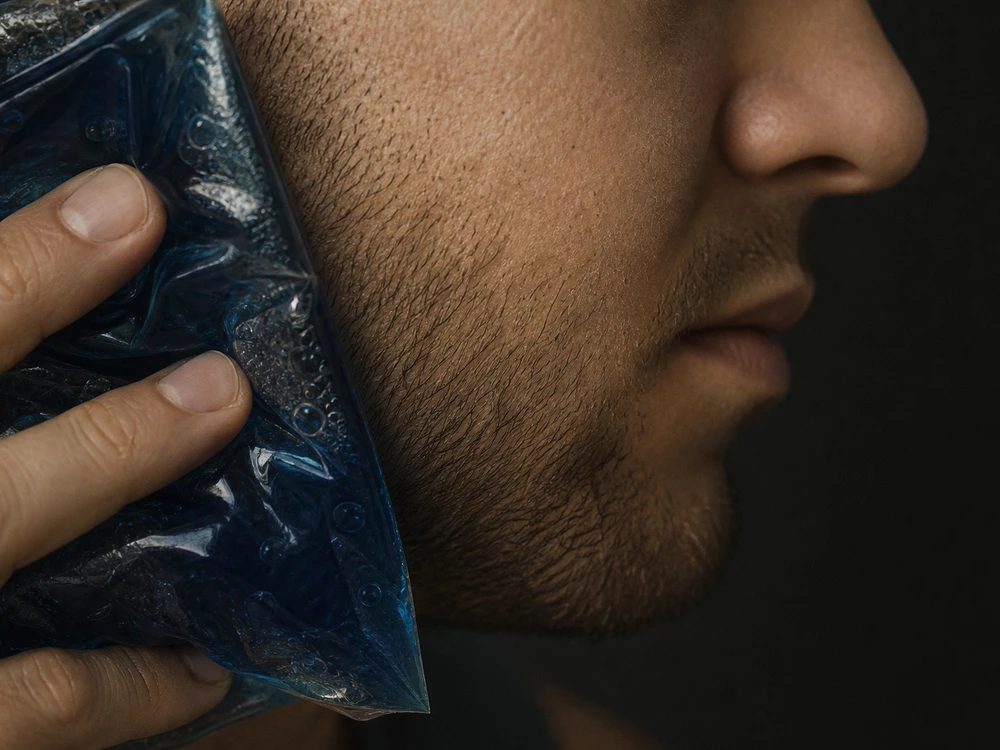
No discussion of the Zac Efron body transformation narrative is complete without addressing the intense speculation about his face. When photos surfaced in 2021 showing a noticeably different jawline and facial structure, the internet erupted with theories about cosmetic fillers, jaw implants, and other procedures. The speculation became so pervasive that “Zac Efron face” trended globally.
In 2022, Efron finally addressed the rumors directly, explaining that he had slipped and hit his chin on a granite fountain while running in socks at his home. The impact shattered his jaw, which required surgery to repair. During recovery, the masseter muscles — the large muscles used for chewing — compensated and grew significantly larger, visibly altering his jaw’s appearance. This medical explanation, confirmed by maxillofacial surgeons who reviewed the visible changes, accounted for the fuller, more angular jawline that had fueled months of filler speculation.
The episode highlighted the troubling default assumption in celebrity culture that any physical change must be the result of cosmetic intervention. Efron expressed frustration that a painful injury and surgical recovery had been reduced to plastic-surgery gossip, noting that the experience reinforced his desire to maintain distance from the appearance-obsessed elements of Hollywood culture.
Muscle Dysmorphia and the Broader Message
Efron’s candor about his Baywatch experience has contributed to a growing conversation about muscle dysmorphia — a form of body dysmorphic disorder in which individuals become preoccupied with the idea that they are not muscular enough. Clinical psychologist Dr. Stuart Murray, who specializes in male body image disorders, has cited Efron’s comments as a valuable public acknowledgment of a condition that disproportionately affects men and is significantly underdiagnosed.
The actor’s willingness to publicly state that achieving an extremely lean, muscular physique caused depression and insomnia challenges the pervasive narrative that such bodies are simply the product of hard work and discipline. By revealing the pharmaceutical and psychological costs, Efron has provided crucial context that most fitness-influencer content deliberately omits.
As of 2026, the Zac Efron body transformation story continues to evolve. Now in his late 30s, Efron has settled into a training approach that prioritizes long-term health, functional fitness, and mental well-being over the extreme aesthetics that defined his earlier career. His journey from teen idol to cautionary voice on Hollywood body culture makes his transformation story one of the most important and nuanced in contemporary entertainment.
The contrast between Efron’s Baywatch and Iron Claw preparations illustrates a broader evolution in how Hollywood approaches male physiques. The Baywatch era prioritized aesthetic perfection — low body fat, visible abs, proportional symmetry — the classic “beach body” that had been the gold standard since the 1980s. The Iron Claw build, by contrast, prioritized functional mass: the thick, powerful look of an actual athlete whose body was built for performance rather than appearance.
This shift mirrors trends in fitness culture more broadly. The rise of CrossFit, functional training, and strongman-influenced programming has diversified what the public considers an impressive male physique. The lean, chiseled look remains popular, but thick, powerful builds have gained cultural currency — partly through superhero films, partly through combat sports’ growing audience, and partly through a backlash against the unsustainable aesthetics that Efron himself has warned against.
Zac Efron Body Transformation Legacy and Cultural Impact
The cultural significance of the Zac Efron body transformation narrative lies in its evolution. In his early career, Efron represented the aspirational male physique — lean, toned, and aesthetically perfect. His Baywatch body became a meme, a fitness goal, and a shorthand for peak male physical conditioning. But his subsequent honesty about the costs of that physique turned the aspiration on its head, introducing nuance into a conversation that rarely goes beyond “how can I look like that?”
Efron’s willingness to discuss diuretics, insomnia, and depression in connection with his most admired physique challenged the glossy fitness narratives that dominate social media. Personal trainers and sports nutritionists have cited his interviews as valuable teaching moments, using his experience to illustrate the difference between sustainable fitness and the unsustainable extremes required for camera-ready movie bodies.
The jaw injury episode, meanwhile, offered a lesson in how quickly the internet creates and cements narratives about celebrity bodies. Despite Efron’s clear medical explanation, cosmetic-surgery speculation persists in certain corners of the internet — a reminder that once a story about someone’s body enters public consciousness, truth often struggles to compete with intrigue. Efron has handled the situation with remarkable grace, addressing it once clearly and then declining to relitigate it in subsequent interviews.
For the next generation of actors and fitness enthusiasts, the Zac Efron body transformation journey offers a comprehensive case study. It demonstrates the impressive results possible with dedication and professional support, the very real mental health costs of extreme physical conditioning, and the liberating possibility of finding a sustainable relationship with fitness that prioritizes how you feel over how you look. That progression from performance to peace is, ultimately, the most inspiring transformation of all.
Frequently Asked Questions
How did Zac Efron transform for Iron Claw?
Zac Efron underwent his most challenging transformation for The Iron Claw, gaining significant muscle mass to portray wrestler Kevin Von Erich through intensive weight training, a caloric surplus diet, and wrestling-specific conditioning over several months.
Did Zac Efron use diuretics for Baywatch?
Zac Efron has acknowledged that his Baywatch physique involved extreme measures including severe dehydration, and he later cautioned others against replicating the process, describing insomnia and depression as side effects.
What happened to Zac Efron face?
Zac Efron explained in 2022 that a jaw injury from slipping on a granite fountain at home caused his jaw to require surgical repair, which altered his facial appearance. This contradicted widespread speculation about cosmetic fillers.
What is Zac Efron most extreme body transformation?
Zac Efron has described his Iron Claw transformation as his most challenging physical preparation, surpassing even Baywatch in terms of the sustained muscle mass and functional strength required.
Did Zac Efron struggle with body image?
Yes, Efron has openly discussed how his Baywatch physique led to body dysmorphia-like symptoms, including obsessive body checking and an unsustainable relationship with food and exercise that he later recognized as unhealthy.
How did Zac Efron transform for Iron Claw?
Through intensive weight training, caloric surplus, and wrestling-specific conditioning over several months.
Did Zac Efron use diuretics for Baywatch?
Yes, he acknowledged extreme measures including severe dehydration and later cautioned against replicating it.
What happened to Zac Efron face?
A jaw injury from slipping on a granite fountain required surgery, altering his facial appearance — not cosmetic fillers.
What is Zac Efron most extreme body transformation?
He described Iron Claw as his most challenging preparation, surpassing Baywatch.
Did Zac Efron struggle with body image?
Yes, he openly discussed body dysmorphia-like symptoms from his Baywatch physique.