


In this article11 sections
- Courtney Cox Before and After Fillers: The Gradual Transformation
- The Dissolution: Courtney Cox's Bold Reversal
- Renee Zellweger: The Oscar Appearance Debate
- Nicola Peltz: The Reddit Speculation Storm
- Lana Del Rey: Lip Filler Speculation and Privacy
- The Broader Filler Backlash
- The Science Behind Filler Dissolution
- Celebrity Filler Culture: A Timeline
- The Injector Matters: Quality of Practitioner vs. Product
- Related from USA Celebs
- Frequently Asked Questions
Courtney Cox before and after fillers is one of the most compelling cosmetic transformation stories in Hollywood — not because of what she had done, but because of her courageous decision to undo it all. The beloved Friends star spent years gradually increasing her facial filler volume, eventually reaching a point where she no longer recognized herself. Her decision to dissolve all her fillers and embrace natural aging has made her a hero of the anti-filler movement and a cautionary tale about the slow creep of cosmetic enhancement. This article traces her journey and examines the broader filler backlash reshaping Hollywood’s beauty culture.
Courtney Cox Before and After Fillers: The Gradual Transformation
Cox’s filler journey did not happen overnight. Like many women in Hollywood, she began with small amounts of dermal filler — likely hyaluronic acid products like Juvederm or Restylane — to address early signs of aging. The problem, as Cox herself has explained, is that the changes were so gradual she could not see how far she had drifted from her natural appearance. In a landmark 2017 interview with New Beauty, Cox admitted, “I grew up thinking appearance was the most important thing. That was a mistake. I would look at a photo of myself and not know whose face it was. I was no longer myself.”
Dermatologist Dr. Shereene Idriss has explained this phenomenon as “filler fatigue” — a term for when patients gradually become accustomed to their enhanced appearance and continue adding volume in pursuit of a youthful look that becomes increasingly unattainable. “The problem is that more filler doesn’t equal more youth,” Dr. Idriss notes. “Past a certain point, it creates an artificial, puffy appearance that actually ages the face.”

The Dissolution: Courtney Cox’s Bold Reversal
Cox’s decision to dissolve all her fillers required multiple sessions with a skilled practitioner using hyaluronidase, an enzyme that breaks down hyaluronic acid fillers. The process is not instantaneous — complete dissolution can take several sessions over weeks or months, depending on how much product has accumulated. Cox has described the experience as both physically and emotionally challenging, but ultimately liberating. Her before-and-after comparison — from an overfilled, somewhat unrecognizable appearance back to her natural, age-appropriate face — became one of the most shared cosmetic transformation stories on social media.
Renee Zellweger: The Oscar Appearance Debate
Renee Zellweger experienced one of Hollywood’s most intense cosmetic surgery debates when she appeared at a 2014 Elle event looking noticeably different. Social media erupted with speculation about what procedures she might have had, with commentary ranging from concerned to cruel. Zellweger responded with a dignified statement saying she was “glad folks think I look different” and attributed the changes to a healthier, happier lifestyle. While she has consistently denied plastic surgery, experts have noted changes consistent with blepharoplasty (eyelid surgery) and possible brow lifting. Her case highlights how even the appearance of cosmetic work can dominate a celebrity’s public narrative.
Nicola Peltz: The Reddit Speculation Storm
Model and actress Nicola Peltz became the subject of intense online speculation when Reddit threads discussing her appearance gained viral traction. Users compared early career photos with recent images, with some commenters making exaggerated claims about the extent of her cosmetic work. The discussion raised important questions about the ethics of speculating about another person’s body and the particular cruelty that online anonymity enables. Peltz has not publicly addressed the specific claims, and experts caution that comparing photos from different ages, lighting conditions, and makeup styles can be misleading.
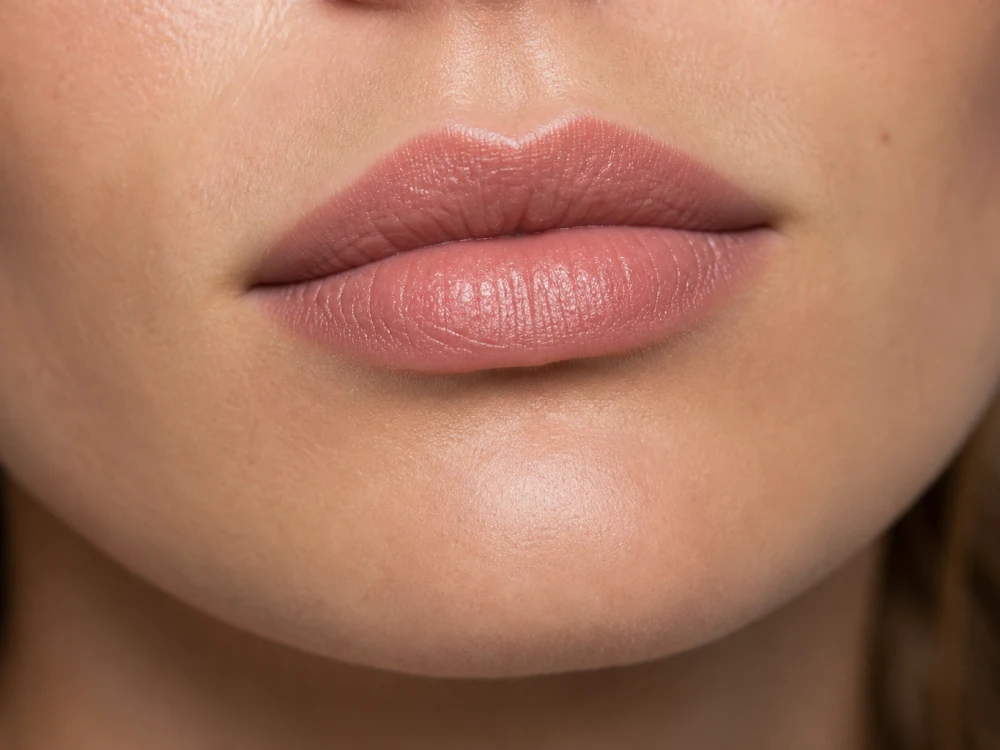
Lana Del Rey: Lip Filler Speculation and Privacy
Singer Lana Del Rey has faced persistent speculation about lip fillers throughout her career. Early publicity photos show a noticeably different lip shape compared to her later appearances, leading to widespread assumption of cosmetic enhancement. Del Rey has largely declined to address the speculation directly, instead maintaining her privacy on matters of personal appearance. Her case represents a valid third approach — neither confirming nor denying, but simply declining to engage with the conversation altogether. This stance has been both respected by some fans and criticized by others who feel public figures owe transparency about cosmetic work.
The Broader Filler Backlash
Cox’s reversal is part of a larger cultural shift. Google Trends data shows that searches for “dissolve fillers” have increased by over 300 percent since 2020. Dermatologists report growing numbers of patients requesting filler dissolution rather than additional enhancement. The backlash is driven by several factors: social media fatigue with the “Instagram face” aesthetic, growing awareness of filler migration and long-term complications, high-profile reversals by celebrities like Cox, and a generational shift toward authenticity and “clean girl” aesthetics among younger consumers.
Dr. Youn has described this as “the pendulum swinging back,” noting that “after a decade of overfilling, the industry is course-correcting toward more natural, subtle results.” This shift is reflected in the marketing language of injectable companies, which increasingly emphasize “natural-looking results” and “subtle enhancement” rather than dramatic transformation.
The Science Behind Filler Dissolution
Understanding the science behind filler dissolution helps explain both the appeal and the limitations of the process that Courtney Cox underwent. Hyaluronidase, the enzyme used to dissolve hyaluronic acid fillers, works by breaking the molecular bonds in the filler material, causing it to be absorbed by the body. The process is not instantaneous — full dissolution can take 24 to 72 hours after injection, with additional sessions sometimes needed for deeply placed or large volumes of filler. The enzyme is highly specific to hyaluronic acid, meaning it will not affect other types of fillers like Sculptra (poly-L-lactic acid) or Radiesse (calcium hydroxylapatite), which must break down naturally over time.
Side effects of hyaluronidase are generally mild — swelling, redness, and temporary asymmetry are common — but allergic reactions, though rare, can occur. Some practitioners recommend a skin test before full dissolution treatment. The cost of filler dissolution ranges from $500 to $1,500 per session, with most patients requiring one to three sessions depending on the amount of filler being removed. For patients like Cox who had years of accumulated filler, the dissolution process is essentially a multi-session reverse procedure that mirrors the gradual accumulation in reverse.
Celebrity Filler Culture: A Timeline
The evolution of celebrity filler culture tells a broader story about beauty standards and the cosmetic industry. In the early 2000s, collagen injections were the primary filler option, with limited longevity and a narrow application range. The introduction of hyaluronic acid fillers like Restylane in 2003 and Juvederm in 2006 revolutionized the field, offering more natural results with longer duration. By the 2010s, filler use had become so widespread in Hollywood that the “pillow face” phenomenon — characterized by an overfilled, puffy appearance — had become a recognizable and cautionary aesthetic.
The cultural backlash against fillers that Cox helped initiate has now matured into a full-scale industry correction. Leading injectors report that the most common request from new patients is now “subtle” or “natural-looking” enhancement — a marked change from five years ago when patients frequently brought in heavily filtered Instagram photos as their aspirational reference. Cosmetic companies have responded with new product formulations designed for softer, more natural results, and training programs for injectors now emphasize restraint and facial harmony over volume maximization. Cox’s decision to dissolve her fillers may have been personal, but its cultural impact has been transformative for the entire cosmetic injectable industry.
The Injector Matters: Quality of Practitioner vs. Product
Dermatologists and plastic surgeons consistently emphasize that the skill of the injector matters far more than the specific product being used. A highly skilled practitioner can achieve beautiful, natural results with almost any reputable hyaluronic acid filler, while an unskilled injector can create complications even with the best products. This principle is central to understanding both Cox’s initial overfilling and her successful dissolution — the problems were not caused by the filler itself but by the progressive accumulation without adequate self-assessment or practitioner pushback.
The cosmetic injectable industry has responded to the filler backlash by investing heavily in injector training and certification programs. Companies like Allergan and Galderma now offer multi-level training curricula that emphasize restraint, facial anatomy, and patient communication alongside injection technique. These programs explicitly address the “more is more” mentality that contributed to the overfilling epidemic, teaching practitioners how to say no when patients request additional volume that would compromise their natural appearance.
Frequently Asked Questions
Why did Courtney Cox dissolve her fillers?
Cox dissolved her fillers because she reached a point where she no longer recognized herself in photos. She described the gradual accumulation of filler as creating an appearance that was no longer her own.
How do you dissolve facial fillers?
Hyaluronic acid fillers can be dissolved using hyaluronidase, an enzyme that breaks down the filler material. The process typically requires multiple sessions over several weeks depending on how much product needs to be removed.
Is there a filler backlash happening in Hollywood?
Yes. Google searches for filler dissolution have increased over 300 percent since 2020, and dermatologists report growing demand for filler removal rather than additional enhancement.
Has Renee Zellweger had plastic surgery?
Renee Zellweger denies having plastic surgery. She attributed her changed appearance to a healthier lifestyle, though experts have noted changes consistent with blepharoplasty and possible brow lifting.
What is filler migration and why is it concerning?
Filler migration occurs when injected product shifts from its original placement over time, creating an unnatural or puffy appearance. It is one of the most common reasons patients seek filler dissolution.
Why did Courtney Cox dissolve her fillers?
Cox dissolved her fillers because she reached a point where she no longer recognized herself in photos. She described the gradual accumulation of filler as creating an appearance that was no longer her own.
How do you dissolve facial fillers?
Hyaluronic acid fillers can be dissolved using hyaluronidase, an enzyme that breaks down the filler material. The process typically requires multiple sessions over several weeks depending on how much product needs to be removed.
Is there a filler backlash happening in Hollywood?
Yes. Google searches for filler dissolution have increased over 300 percent since 2020, and dermatologists report growing demand for filler removal rather than additional enhancement.
Has Renee Zellweger had plastic surgery?
Renee Zellweger denies having plastic surgery. She attributed her changed appearance to a healthier lifestyle, though experts have noted changes consistent with blepharoplasty and possible brow lifting.
What is filler migration and why is it concerning?
Filler migration occurs when injected product shifts from its original placement over time, creating an unnatural or puffy appearance. It is one of the most common reasons patients seek filler dissolution.