

In this article8 sections
- Award Show Seat Fillers Explained: What They Actually Do
- Who Becomes a Seat Filler and How They Get Hired
- Why Celebrities Leave Their Seats During Live Telecasts
- Oscars vs Grammys: How Seat Filler Logistics Differ
- Commercial Breaks, Camera Cues, and Production Charts
- Why Seat Fillers Matter for TV Ratings and Optics
- Common Myths About Award Show Seat Fillers
- Explore More Awards Ceremony Guides on USA Celebs
Award show seat fillers explained in plain terms: they are paid or volunteer staff who sit in a celebrity’s orchestra-seat when that star leaves for a bathroom break, a backstage presentation, or a commercial-window reshuffle — so television cameras never pan across empty red-velvet rows during a live Oscar, Grammy, Emmy, or Golden Globes telecast. The practice is decades old, rarely acknowledged on-air, and central to how producers protect the illusion of a packed house even when A-listers cycle in and out all night. This evergreen guide covers who seat fillers are, how they get hired, why stars vacate seats, bathroom and commercial logistics, Oscar versus Grammy differences, etiquette rules, and how the job fits into the broader awards-season machine — with cross-links to our Pillar G ceremony guides.
For ceremony context, pair this explainer with how to watch the Oscars 2027 date and time, how to watch the Grammys 2027, how long is the Oscars ceremony, and how are Oscar winners chosen voting explained. Recent cycle coverage: Oscar nominees 2026 and Oscar winners 2026 full list. Music fans should read Grammy categories explained full guide. We do not break down red-carpet outfits here — that is Pillar F territory.
Award Show Seat Fillers Explained: What They Actually Do
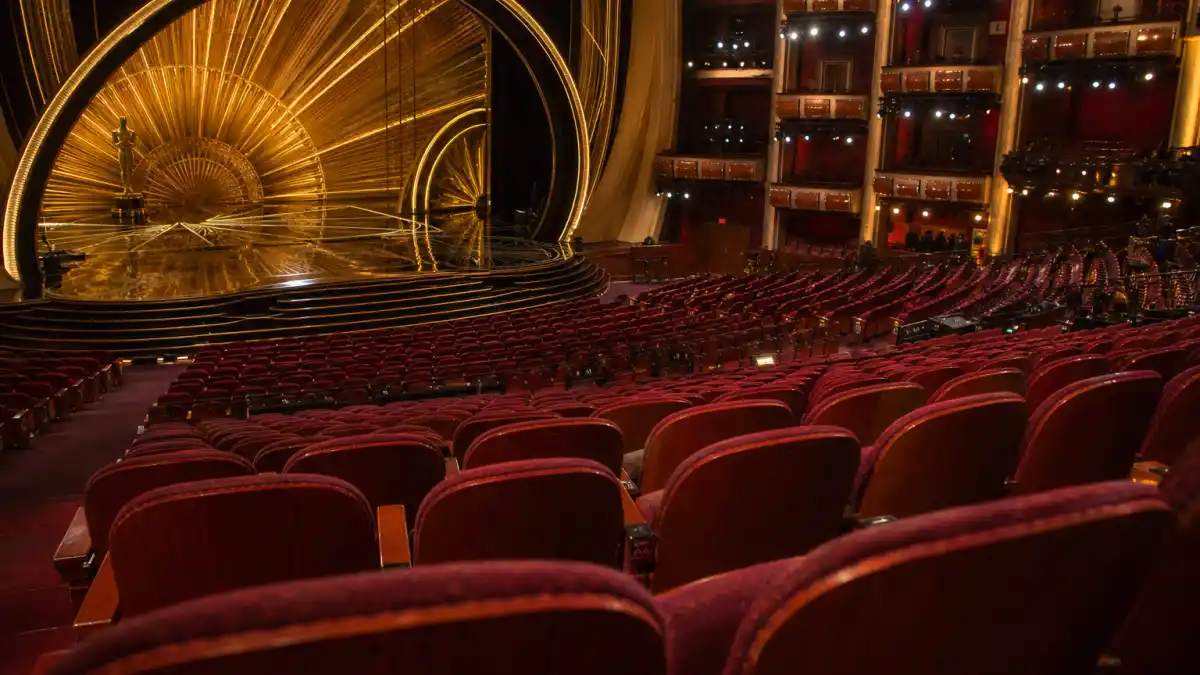
Award show seat fillers explained begins with the job description. A seat filler is a temporary occupant — not a fan with a ticket, not a plus-one, and not a decoy celebrity. Production assigns them a specific seat number, often marked on a clipboard or digital chart, and they move only when instructed. Their sole purpose is visual continuity: when a nominated actor walks backstage to present an award, or a winner is whisked to the press room, someone in formal black attire slides into that chair before the director cuts to a crowd reaction shot.
Seat fillers do not accept trophies, do not appear on the nominee scroll, and are contractually or verbally bound to stay silent if a microphone unexpectedly swings their way. They are invisible labor — the human equivalent of a sandbag holding down a theater curtain. Without them, home viewers would constantly see gaps in the front rows that break the fantasy of Hollywood’s biggest night.
Who Becomes a Seat Filler and How They Get Hired
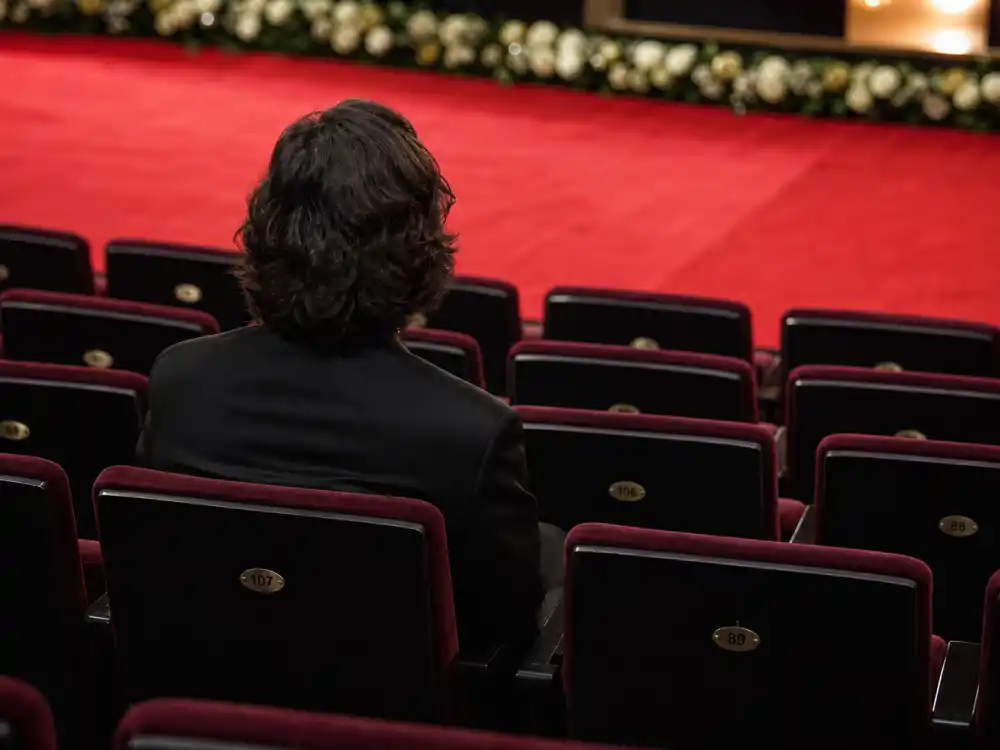
Historically, award show seat fillers explained hiring ran through casting agencies and word-of-mouth in Los Angeles. Prospective fillers auditioned for poise, punctuality, and the ability to sit still for hours without fidgeting. Many were aspiring actors, production assistants, or Film Independent members who treated the gig as a résumé line and a chance to witness history from inches away — without ever being identifiable on broadcast.
Modern Oscar telecasts reportedly use a mix of paid freelancers and show staff. Exact pay varies by year and union rules; figures cited in trade press have ranged from nominal hourly rates to flat night fees, but producers rarely confirm numbers publicly. Requirements typically include: age 18+, formal attire supplied by the filler (black tie for Oscars, cocktail formal for Grammys), no phones in the orchestra, and immediate compliance when a coordinator taps your shoulder to swap seats.
Grammy and Emmy productions use similar systems, though concert-style Grammy seating in arenas sometimes relies more on ushers repositioning guests than on a dedicated filler corps. The Academy Awards remain the most seat-filler-dependent show because of fixed orchestra sightlines and relentless cutaway frequency.
Why Celebrities Leave Their Seats During Live Telecasts
Stars do not abandon seats to snub rivals — logistics drive departures. Every award show seat fillers explained breakdown lists the same triggers:
- Bathroom breaks: Three-hour-plus telecasts with limited intermissions force even A-listers to the restroom; fillers cover the gap.
- Backstage presenting: Nominees and winners often present later categories from backstage wings — their orchestra seat stays empty until they return.
- Press room obligations: Oscar winners are routed to the Dolby Theatre press room immediately after their speech; fillers hold the seat until winners return or the segment ends.
- Commercial repositioning: Producers sometimes shuffle seating for camera angles before returning from ad breaks.
- Performance transitions: Grammy and Oscar staging requires presenters and performers to move to wings or pit areas mid-show.
- After winning: Winners hug their table, then exit; fillers prevent a vacant chair during the next reaction cut.
Oscars vs Grammys: How Seat Filler Logistics Differ
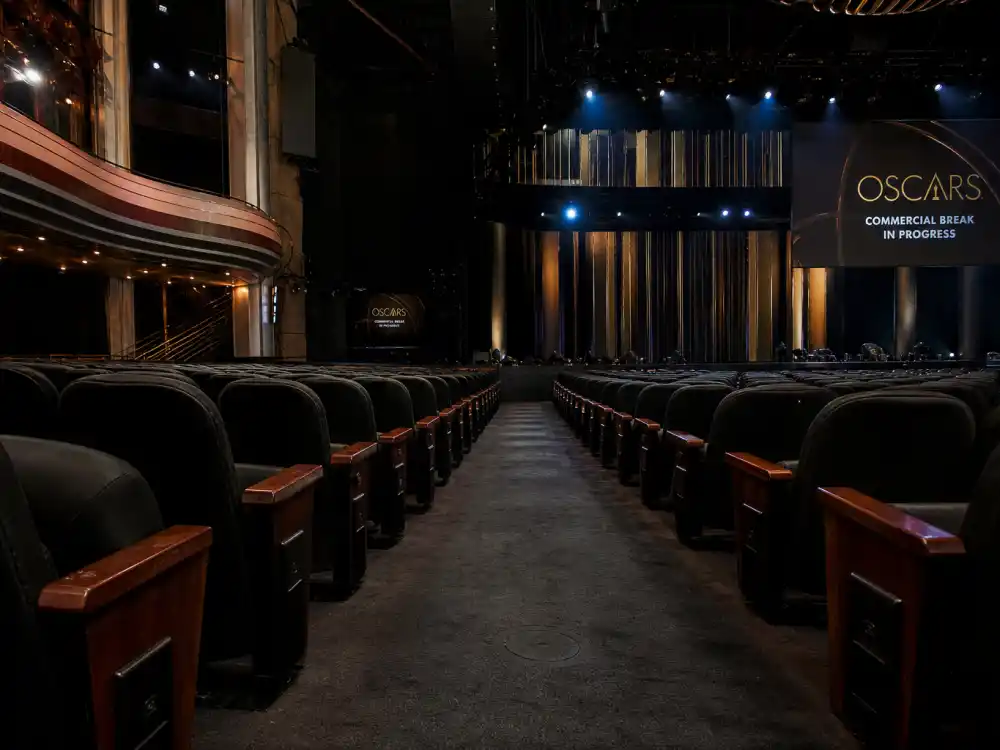
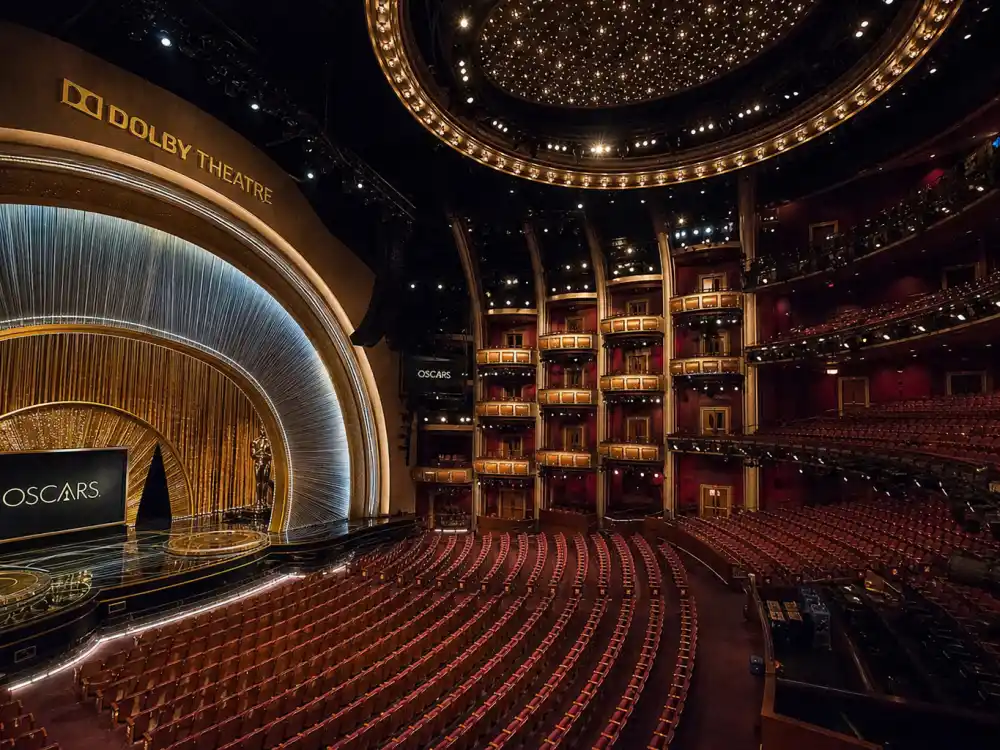
Award show seat fillers explained is not one-size-fits-all. The Academy Awards at the Dolby Theatre use a traditional proscenium layout: assigned orchestra seats, steep sightlines, and dozens of cutaways per hour. That environment demands a coordinated filler army and a seating chart updated in real time.
Grammy telecasts at Crypto.com Arena (and historically Staples Center) blend floor tables, risers, and concert staging. Some sections behave like a gala; others like a live music broadcast. Fillers still matter for camera sweeps, but arena logistics differ — artists may remain at tables longer, and performance breaks absorb more movement. See Grammy categories explained full guide for how long telecasts run and when major categories air.
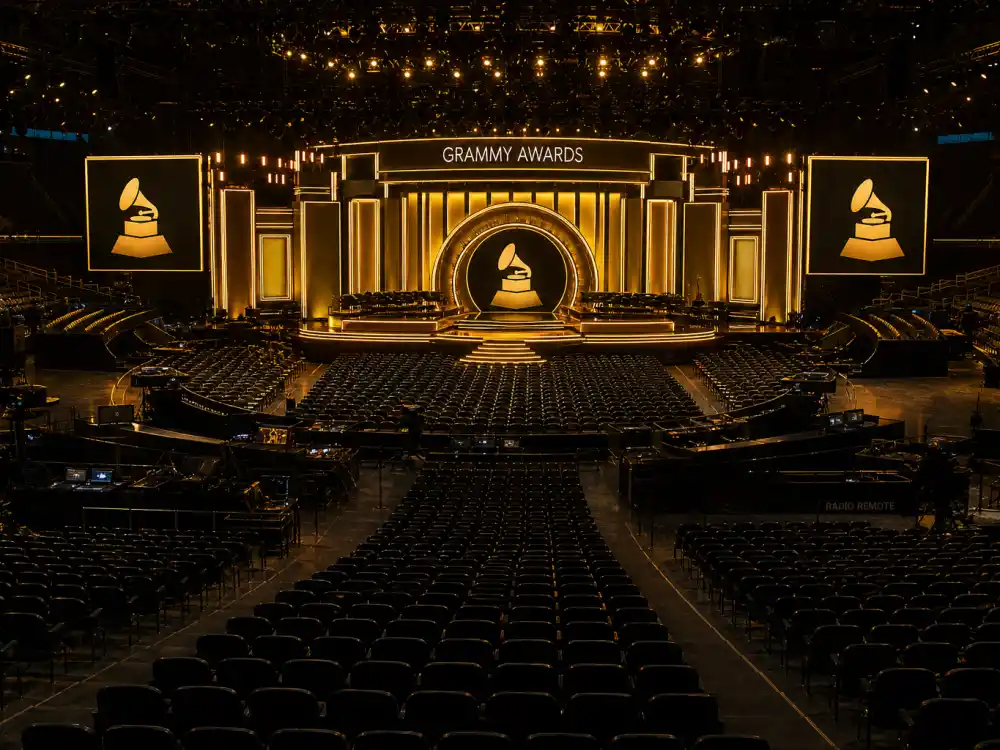
Emmy, Golden Globes, and SAG Awards each tune filler usage to venue size and broadcast partner preferences. Smaller ballroom shows need fewer fillers; arena-scale events scale up. For viewing windows when these shows air, bookmark how to watch the Oscars 2027 and how to watch the Grammys 2027.
Commercial Breaks, Camera Cues, and Production Charts
Behind every award show seat fillers explained anecdote is a stage manager with a headset and a seating grid. Before each commercial, coordinators scan the orchestra for empty seats visible to Camera 1 or the jib arm. Fillers receive hand signals or whispered seat numbers — move now, not after the break, because the director may already be previewing the return shot.
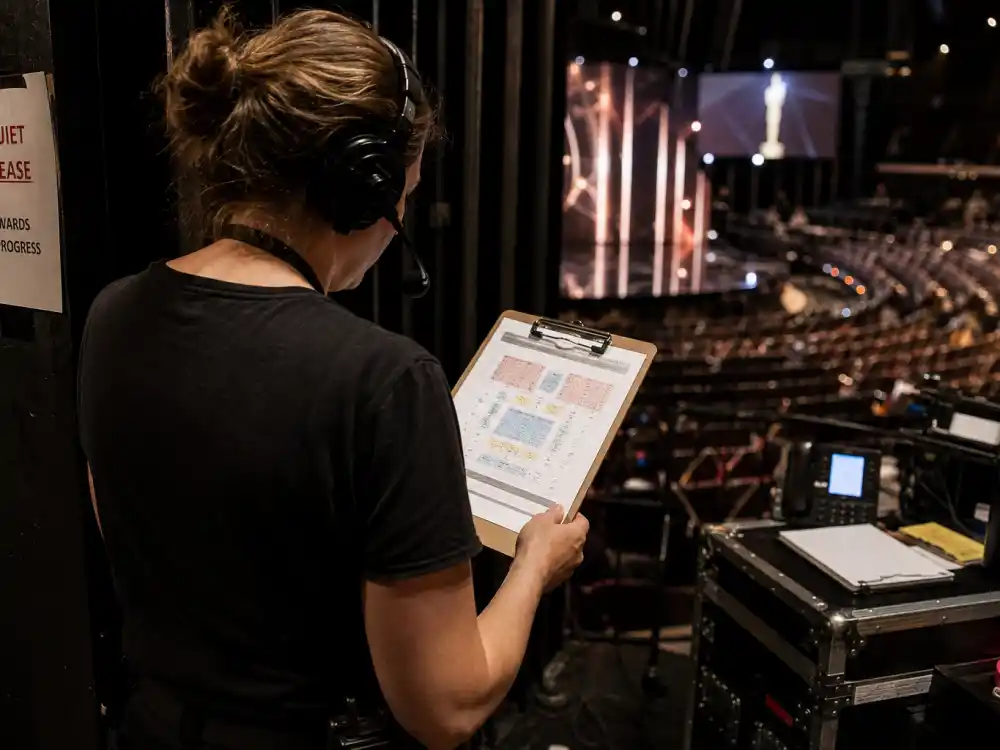
Network ad breaks typically run two to four minutes — enough time for a star to use the restroom but not enough for producers to tolerate empty chairs when viewers return. Fillers swap out again when the celebrity comes back; the process can repeat dozens of times per telecast. That is why veteran fillers describe the job as athletic sitting: burst movement, long stillness, zero fan behavior.
Etiquette Rules Seat Fillers Must Follow
Production enforces strict rules so fillers never become the story:
- No photos, no social media posts from the orchestra (phones confiscated or banned).
- No autograph requests, no conversation with celebrities unless spoken to first.
- Do not eat, drink, or remove jacket while seated in camera range.
- Leave instantly when the assigned star returns — no lingering.
- Never accept or touch a statuette; never stand for applause unless directed.
Violating these rules means immediate ejection and a permanent ban from future shows. The job rewards anonymity above all else.
Why Seat Fillers Matter for TV Ratings and Optics
Empty seats read as low energy to home audiences — a problem when award show ratings are declining and every wide shot must justify three hours of primetime. Producers invest in fillers because packed-house imagery signals prestige, even when the room is constantly churning. The practice also protects celebrities from awkward cutaways mid-bathroom-run, which would dominate clip culture for days.
Seat fillers do not inflate official attendance numbers (those reflect ticketed capacity), but they do inflate visible occupancy during the broadcast — a distinction awards historians and media critics occasionally debate. For ceremony length context that determines how often fillers rotate, see how long is the Oscars ceremony.
Common Myths About Award Show Seat Fillers
Award show seat fillers explained also means debunking viral misinformation:
- Myth: Fillers are random fans. Reality: They are vetted, briefed, and assigned — not lottery winners plucked from the street.
- Myth: Celebrities never return to their seats. Reality: Most do within minutes; fillers are temporary placeholders.
- Myth: You can buy a seat-filler job. Reality: Scams exist online; legitimate gigs flow through agencies or direct production hiring only.
- Myth: Fillers sit next to stars all night. Reality: Many fillers never meet a celebrity up close — they occupy seats during absences only.
Explore More Awards Ceremony Guides on USA Celebs
- Oscars: how to watch the Oscars 2027, how are Oscar winners chosen voting explained, Oscar nominees 2026, Oscar winners 2026 full list, how long is the Oscars ceremony.
- Grammys: how to watch the Grammys 2027, Grammy categories explained full guide.
- Industry context: why award show ratings are declining.
- Archive: Awards category on USA Celebs.