

In this article11 sections
- Celebrities Who Got Political at Award Shows: Podium vs. Boycott vs. Criticism
- Marlon Brando, Sacheen Littlefeather, and the 1973 Oscar Podium
- Vanessa Redgrave, Michael Moore, and Anti-War Oscar Speeches
- Patricia Arquette, John Legend, and the 2015 Oscar Equality Wave
- Meryl Streep and the 2017 Golden Globes Political Turn
- Grammy Political Performances: Macklemore, Kendrick Lamar, and Beyoncé
- Emmy Podium Activism and the Television Academy
- Leonardo DiCaprio, Climate Change, and the 2016 Oscar Capstone
- Why Political Award Show Moments Keep Returning
- Quick Reference: Major Political Podium Cases
- Explore More Awards Coverage
Celebrities who got political at award shows turned three-minute acceptance speeches and live performances into national news — because Oscar, Grammy, Golden Globe, and Emmy podiums reach more voters than most Senate floor speeches. From Marlon Brando sending Sacheen Littlefeather to the 45th Academy Awards on March 27, 1973, to Meryl Streep’s Cecil B. DeMille Award address at the Golden Globes on January 8, 2017, from Patricia Arquette’s 2015 Oscar wage-gap call to Kendrick Lamar’s chained dancers at the 58th Grammys on February 15, 2016, verified cases show how stars weaponize televised glamour for Indigenous rights, anti-war protest, gender equity, climate advocacy, and voting rights. This history explainer maps documented political podium moments using Academy, Recording Academy, HFPA, and Television Academy records plus reporting from Variety, The Hollywood Reporter, and the Associated Press — not red-carpet outfit breakdowns (Pillar F owns fashion analysis). Cross-link to Pillar G siblings: celebrities who boycotted award shows (#156), celebrities who criticized the Oscars (#160), and OscarsSoWhite controversy explained (#161).
We include only verifiable onstage or live-telecast political statements tied to a specific ceremony — not generic activism on social media days later. Political podium time differs from boycott: boycotters withhold attendance entirely (#156), while the celebrities who got political at award shows below used the microphone networks already paid for. Criticism of institutions without policy specifics appears in our Oscars critics guide (#160); hashtag-era nomination outrage belongs in the OscarsSoWhite controversy explained timeline (#161).
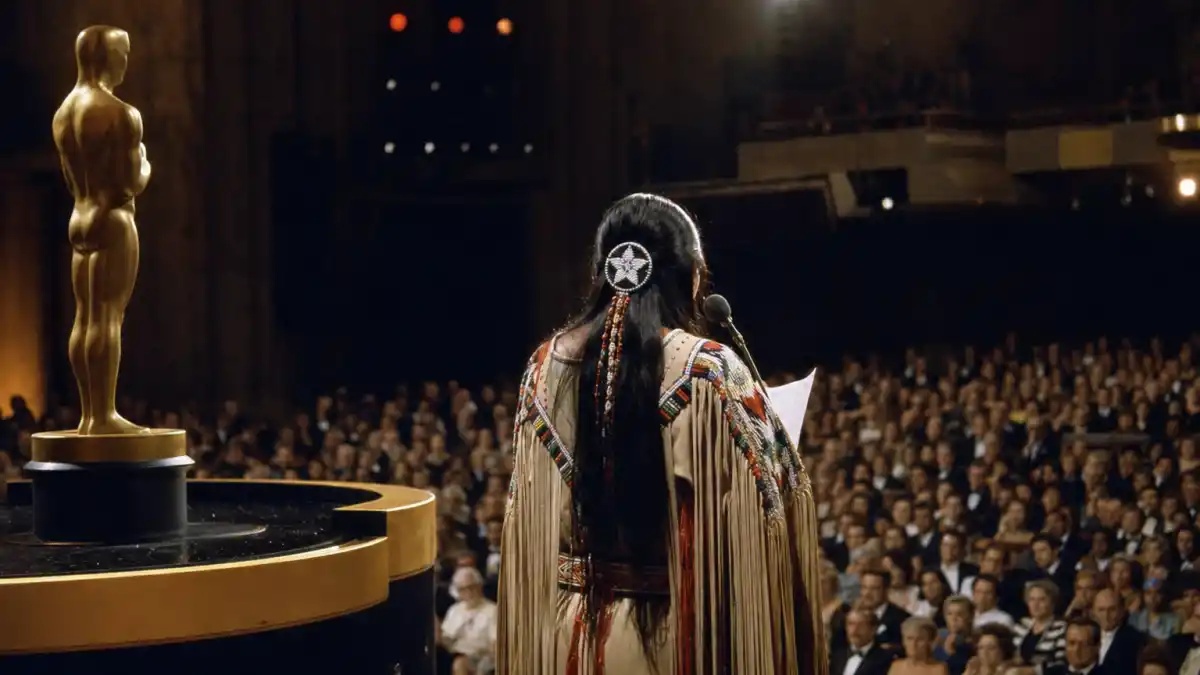
Celebrities Who Got Political at Award Shows: Podium vs. Boycott vs. Criticism
Three tactics pressure Hollywood institutions, and celebrities who got political at award shows usually pick the podium:
- Political speeches: Acceptance addresses, presenter asides, or choreographed performances that advance a policy cause on live television.
- Boycott: Skipping the telecast to deny ratings — see celebrities who boycotted award shows (#156) for Spike Lee and Jada Pinkett Smith’s 2016 Oscar absence.
- Institutional criticism: Attacking Academy voting or ceremony culture — covered in celebrities who criticized the Oscars (#160).
Overlap is common. Brando boycotted the 1973 Oscars yet still produced the era’s defining political moment by proxy. Chris Rock’s 2016 host monologue criticized the Academy while performing the job — political content inside institutional critique. Understanding the distinction helps readers navigate Pillar G’s protest cluster without conflating #OscarsSoWhite boycotts (#161) with onstage policy advocacy.
Marlon Brando, Sacheen Littlefeather, and the 1973 Oscar Podium
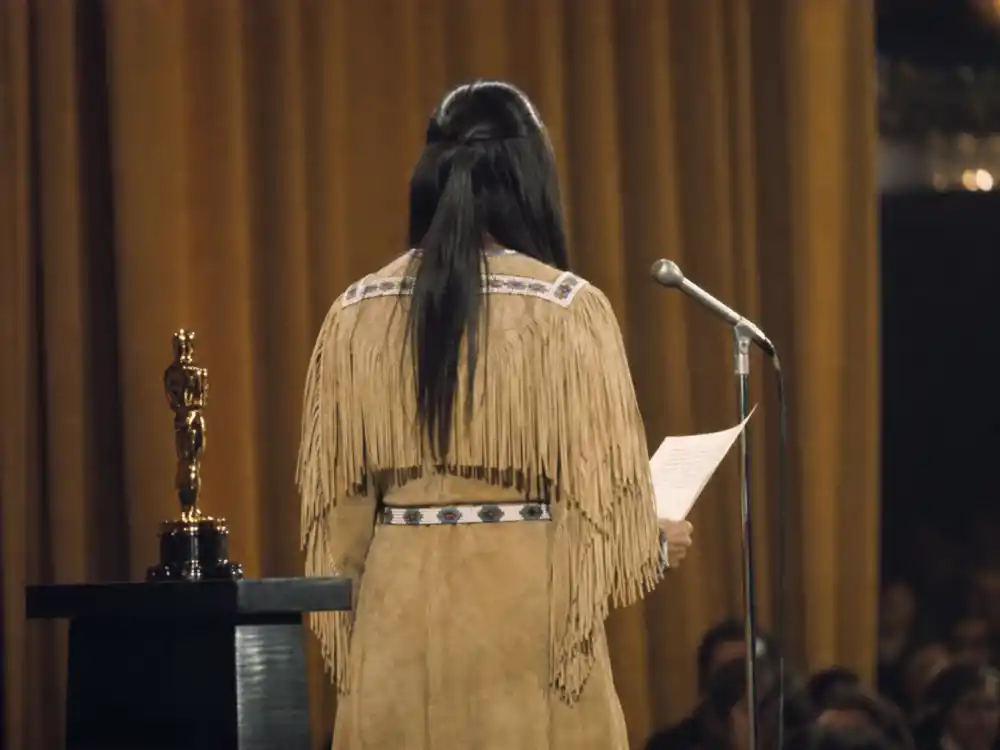
The template for modern celebrities who got political at award shows starts at the 45th Academy Awards (March 27, 1973). Marlon Brando won Best Actor for The Godfather and refused to attend. He sent Apache activist Sacheen Littlefeather to decline the statuette and read a statement protesting Hollywood’s portrayal of Native Americans and federal response to the Wounded Knee occupation. Producer Howard Koch threatened arrest if she spoke longer than 60 seconds; the audience reacted with applause and boos.
Brando did not deliver the speech himself, but he authorized the most consequential political podium takeover in Oscar history. The Academy formally apologized to Littlefeather in June 2022; she died in October 2022 weeks after a reconciliation event. For boycott versus decline context, cross-read celebrities who boycotted award shows (#156) and celebrities who criticized the Oscars (#160).
Vanessa Redgrave, Michael Moore, and Anti-War Oscar Speeches
Political Oscar speeches did not begin or end with Brando. At the 50th Academy Awards (April 9, 1978), Vanessa Redgrave won Best Supporting Actress for Julia and denounced “Zionist hoodlums” protesting her support for Palestinians — one of the most controversial celebrities who got political at award shows cases, drawing boos inside the Dorothy Chandler Pavilion and a rebuttal from screenwriter Paddy Chayefsky later that night.
At the 75th Academy Awards (March 23, 2003), Michael Moore won Best Documentary Feature for Bowling for Columbine and criticized President George W. Bush’s Iraq invasion, shouting “Shame on you, Mr. Bush!” while presenters tried to escort him offstage. Moore’s speech proved that celebrities who got political at award shows could hijack a category win for anti-war messaging even when producers cut the microphone.
Patricia Arquette, John Legend, and the 2015 Oscar Equality Wave
The 87th Academy Awards (February 22, 2015) produced a cluster of celebrities who got political at award shows on one telecast. Patricia Arquette won Best Supporting Actress for Boyhood and used her speech to demand wage equality for women, explicitly calling for constitutional equal-pay protections. John Legend and Common performed Glory from Selma with a stage design evoking the Edmund Pettus Bridge; Legend’s acceptance speech for Best Original Song tied voting rights to contemporary criminal-justice reform.
Those moments fed the representation anger that became #OscarsSoWhite (#161) when the next year’s acting slate shut out performers of color again. Political speeches and nomination protests are cousins: Arquette and Legend spoke onstage; April Reign’s hashtag organized offstage pressure documented in our OscarsSoWhite explainer.
Meryl Streep and the 2017 Golden Globes Political Turn
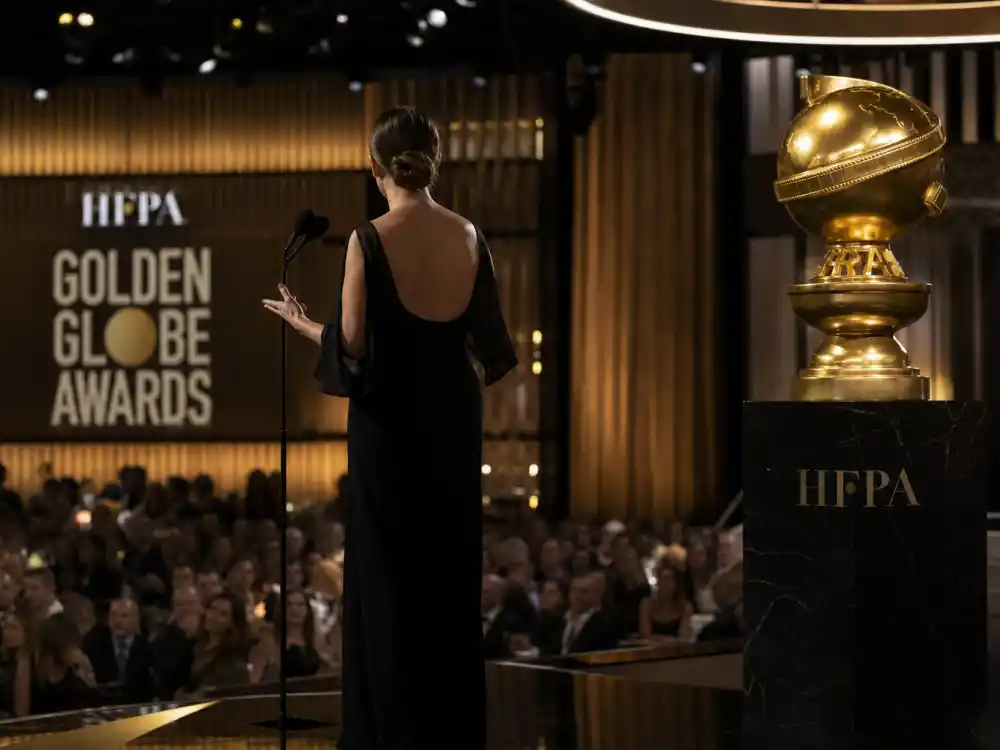
Not every political podium moment is an Oscar. At the 74th Golden Globe Awards (January 8, 2017), Meryl Streep received the Cecil B. DeMille Award and spent nearly six minutes criticizing then-President-elect Donald Trump without naming him — citing the 2015 incident in which he appeared to mock a disabled reporter. She defended press freedom and called for empathy from powerful performers. The speech trended worldwide and prompted a Trump Twitter response calling Streep “overrated.”
Streep’s address ranks among the most watched celebrities who got political at award shows cases because it arrived days before inauguration, converting a lifetime-achievement trophy into a civics lesson. For institutional Oscar criticism from the same era, see #160; for boycott responses to Trump-era politics, see #156.
Grammy Political Performances: Macklemore, Kendrick Lamar, and Beyoncé
The Recording Academy telecast gives celebrities who got political at award shows a concert stage, not just a speech. At the 56th Grammy Awards (January 26, 2014), Macklemore & Ryan Lewis performed Same Love while Queen Latifah officiated same-sex weddings on the Staples Center floor — a visual policy statement months before nationwide marriage equality rulings accelerated.
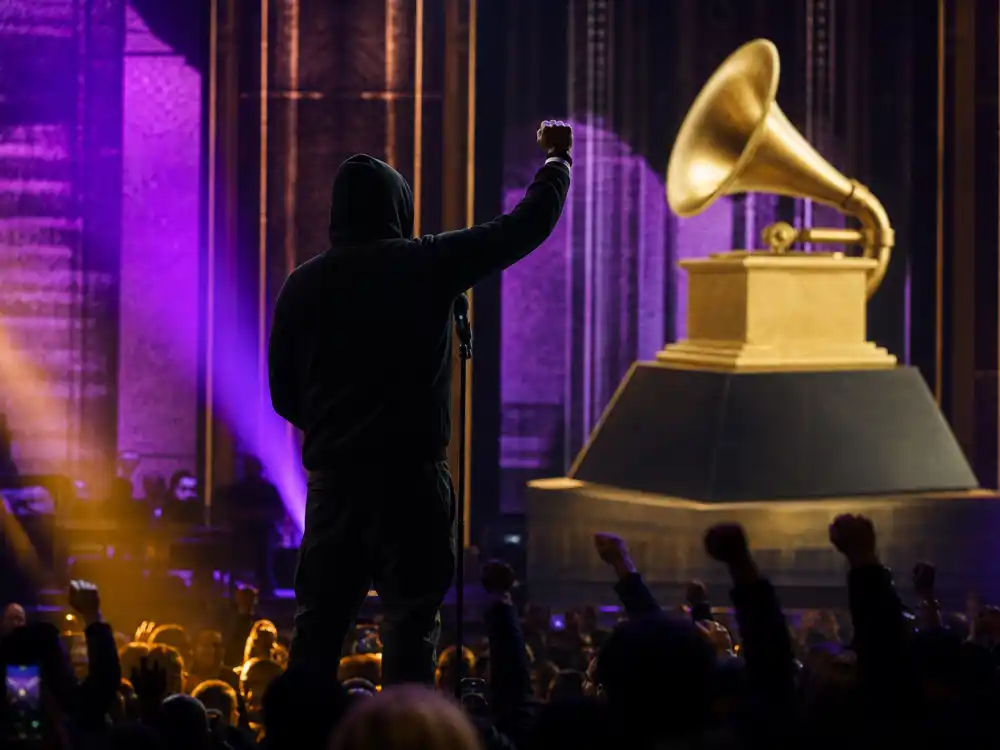
At the 58th Grammy Awards (February 15, 2016), Kendrick Lamar opened with chained dancers, a burning Africa map, and Alright imagery tied to Black Lives Matter protests. Beyoncé’s 2016 Super Bowl halftime show is not a Grammy, but her Formation performance at the 59th Grammys (February 12, 2017) extended the same political choreography tradition on a music-awards stage. Grammy producers accept higher controversy risk because performances are easier to cut than acceptance speeches mid-sentence.
Emmy Podium Activism and the Television Academy
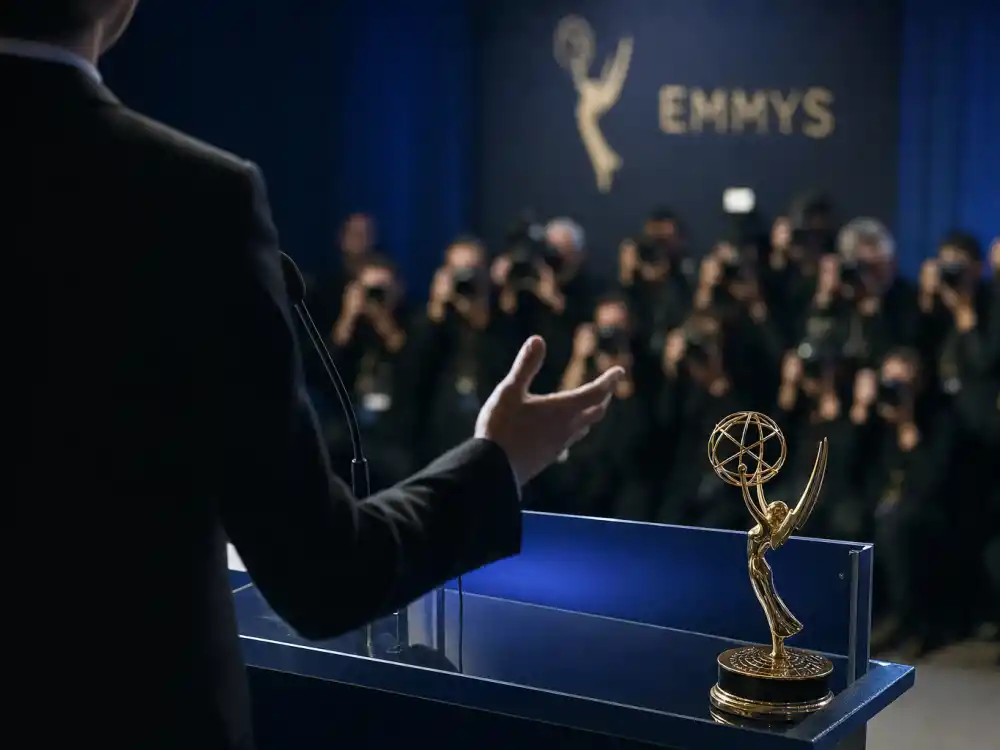
Television’s political turns are quieter but documented. At the 69th Primetime Emmy Awards (September 17, 2017), Julia Louis-Dreyfus — hours after announcing a breast cancer diagnosis — joked that her Veep character’s inept presidency might outlast the real administration, while castmates wore ACLU blue ribbons. Sterling K. Brown’s Best Actor speech for This Is Us was cut off when orchestra music played early, sparking debate about which celebrities who got political at award shows get full podium time.
Emmy stages also hosted #MeToo-era statements after the 2017 Harvey Weinstein investigations, with winners referencing workplace safety rather than partisan campaigns. The through-line: TV winners treat the Emmy podium as a nightly-news sound bite factory.
Leonardo DiCaprio, Climate Change, and the 2016 Oscar Capstone
At the 88th Academy Awards (February 28, 2016), Leonardo DiCaprio won Best Actor for The Revenant and devoted most of his speech to climate change, calling it “the most urgent threat facing our entire species.” DiCaprio’s environmental advocacy predated the win — his Leonardo DiCaprio Foundation launched in 1998 — but the Oscar podium gave the cause a global spike in search interest.
DiCaprio illustrates how celebrities who got political at award shows can pair personal vindication with policy: he waited 22 years for the acting Oscar, then spent the mic on carbon emissions rather than thank-you lists. The speech belongs on political lists and on our most memorable acceptance speeches ever guide as a dual-purpose moment.
Why Political Award Show Moments Keep Returning
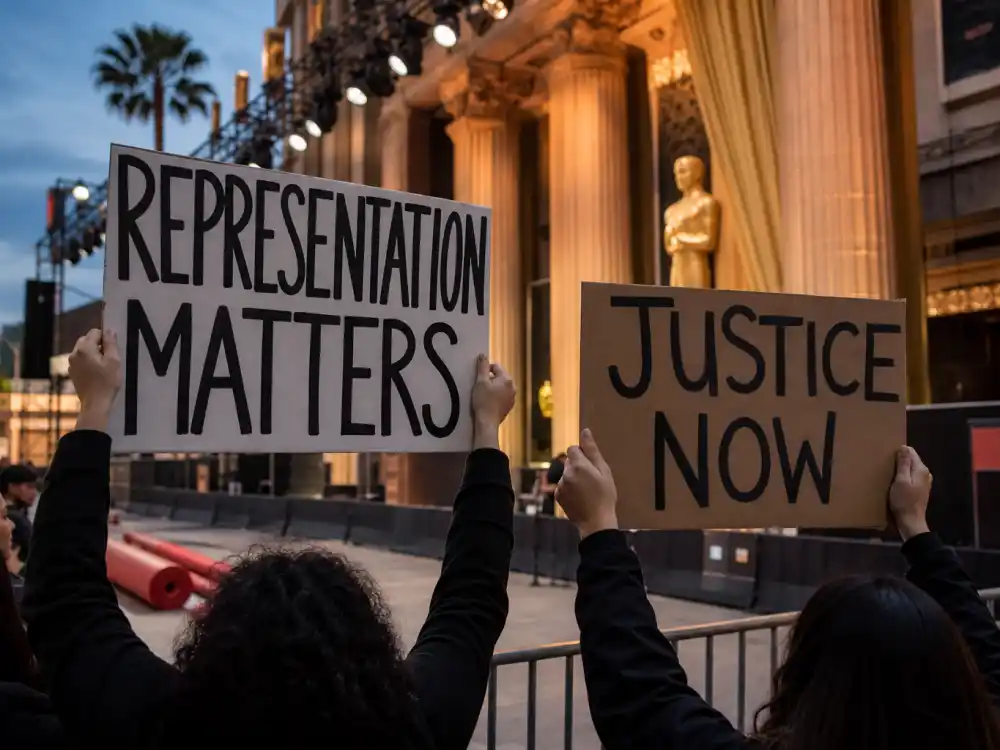
Every election cycle revives the podium. Social media compresses the impact: a 60-second clip can outrate the telecast itself. Networks balance FCC rules, advertiser comfort, and authenticity demands from younger viewers who expect stars to “use their platform.” After #OscarsSoWhite (#161), producers invited more diverse slates but not fewer political speeches — if anything, post-2016 Globes and Emmys normalized explicit Trump-era commentary from celebrities who got political at award shows.
For readers tracking the full protest ecosystem, pair this guide with boycott cases (#156), Oscar critics (#160), and the OscarsSoWhite timeline (#161). The lesson is consistent: award shows sell legitimacy, and legitimacy erodes when institutions look out of step with the culture they crown — or when winners refuse to stick to the script.
Quick Reference: Major Political Podium Cases
- Marlon Brando / Sacheen Littlefeather (1973 Oscars): Indigenous rights protest via proxy speaker — March 27, 1973
- Vanessa Redgrave (1978 Oscars): Palestine solidarity speech — April 9, 1978
- Michael Moore (2003 Oscars): Anti-Iraq War statement — March 23, 2003
- Patricia Arquette (2015 Oscars): Wage equality call — February 22, 2015
- John Legend & Common (2015 Oscars): Glory performance and voting-rights speech
- Leonardo DiCaprio (2016 Oscars): Climate change advocacy — February 28, 2016
- Meryl Streep (2017 Golden Globes): Press freedom and empathy speech — January 8, 2017
- Kendrick Lamar (2016 Grammys): Black Lives Matter choreography — February 15, 2016
- Macklemore (2014 Grammys): Same-sex wedding performance — January 26, 2014
- Julia Louis-Dreyfus (2017 Emmys): ACLU ribbons and political humor — September 17, 2017
Explore More Awards Coverage
- Boycotts: celebrities who boycotted award shows (#156)
- Oscar critics: celebrities who criticized the Oscars (#160)
- OscarsSoWhite: OscarsSoWhite controversy explained (#161)
- Memorable speeches: most memorable acceptance speeches ever
- Visit our Awards archive for ceremonies, records, and history guides.