

In this article9 sections
- Celebrities Who Refused or Declined Awards: What Counts as a Refusal
- Marlon Brando and Sacheen Littlefeather (Oscars 1973)
- George C. Scott and the Patton Oscar (1971)
- Peter O'Toole and the Honorary Oscar Debate (2003)
- Music and Hall of Fame Refusals
- Boycotts, No-Shows, and Revoked Honors
- Why Refusals Still Matter in Awards Culture
- Quick Reference: Verified Refusal Cases
- Explore More Awards Coverage
Celebrities who refused or declined awards turn trophy nights into political theater — empty podiums, proxy speeches, nomination withdrawals, and blunt public rejections that outlast any acceptance applause. Unlike voting controversies covered in our guides to celebrity award show snubs controversial across Oscar, Grammy, Emmy, and SAG ballots, or the ranked misses in biggest Oscar snubs of all time, refusal stories hinge on an artist’s choice to reject institutional validation. This history explainer verifies every major case using Academy, Recording Academy, and Rock and Roll Hall of Fame records plus reporting from Variety, The Hollywood Reporter, and the Associated Press. We do not analyze red-carpet outfits here — Pillar F owns fashion breakdowns. For envelope disasters and on-stage chaos, see biggest award show scandals ever.
We distinguish four verified refusal types: (1) winning a competitive award and declining acceptance on stage or through a proxy, (2) asking voters or academies to withdraw a nomination before ballots finalize, (3) rejecting an honorary or lifetime honor while still competing elsewhere, and (4) boycotting a ceremony while the statuette or plaque still legally belongs to the honoree. Only documented cases make this list — rumor and persistent no-shows without documented rejection are labeled separately.
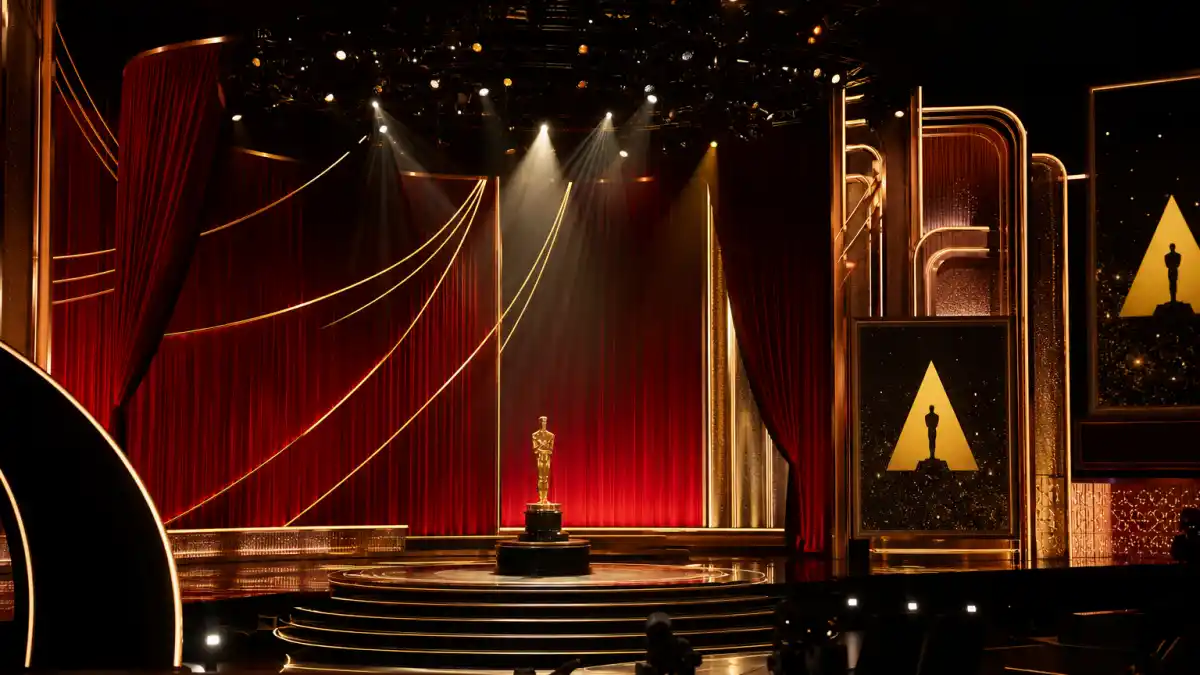
Celebrities Who Refused or Declined Awards: What Counts as a Refusal
A refusal, for this guide, means the honoree or their authorized representative explicitly rejected an award, asked an academy to remove their name from a ballot, or returned or disowned an honor after it was granted. Skipping a telecast without comment — Woody Allen’s decades-long Oscar absence, for example — is a boycott pattern, not a documented trophy rejection; Allen’s competitive wins remain credited to him in Academy records. Celebrities who refused or declined awards in the strict sense made the rejection public and verifiable.
Four structural reasons drive refusals across generations:
- Political protest: Marlon Brando’s 1973 Oscar proxy refusal remains the benchmark — art used to challenge Hollywood’s treatment of Native Americans and federal policy at Wounded Knee.
- Contempt for the institution: George C. Scott dismissed the Academy Awards as a “two-hour meat parade” and refused his Patton Best Actor statuette in 1971.
- Principle over legacy marketing: Axl Rose rejected Guns N’ Roses’ Rock and Roll Hall of Fame induction in 2012, calling the honor a “public popularity contest.”
- Process disputes: Drake petitioned the Recording Academy to withdraw Certified Lover Boy from 2022 Grammy consideration after years of Grammy distrust — a nomination exit rather than a post-win rejection.
Understanding the category separates true refusals from adjacent scandals — snubs, upsets, and revoked trophies covered in sibling Pillar G guides — and clarifies why celebrities who refused or declined awards remain rare compared with the thousands of honors handed out each decade.
Marlon Brando and Sacheen Littlefeather (Oscars 1973)
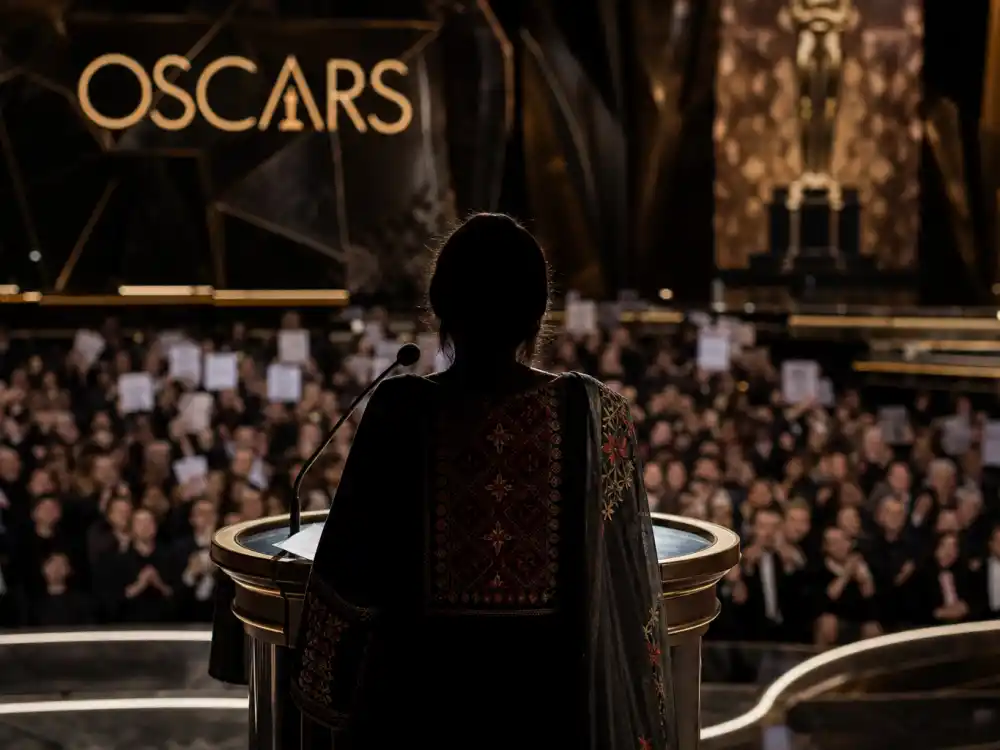
At the 45th Academy Awards on March 27, 1973, Marlon Brando won Best Actor for The Godfather (1972). He did not attend. Instead, Apache activist and actress Sacheen Littlefeather walked onstage when presenter Roger Moore announced the category, raised a hand to decline the statuette, and delivered a brief speech citing Hollywood’s misrepresentation of Native Americans and the standoff at Wounded Knee. Academy officials had warned her she would be arrested if she spoke longer than 60 seconds; she left the stage to a mix of applause and boos documented on the live broadcast.
Brando later told The New York Times he hoped to redirect attention toward federal treatment of Native communities. The Academy did not re-award Best Actor that year — Brando’s statuette was not presented to an alternate. Littlefeather’s appearance belongs on every honest list of celebrities who refused or declined awards because Brando authorized a public rejection on his behalf; in 2022 the Academy formally apologized to her for the industry’s subsequent harassment. Brando’s earlier Best Actor win for On the Waterfront (1955) was accepted in person — refusal was a deliberate later act, not lifelong habit.
George C. Scott and the Patton Oscar (1971)
George C. Scott’s relationship with the Academy was adversarial before Patton swept the 43rd Academy Awards (1971 ceremony). Scott had asked the Academy not to nominate him for The Hustler (1962); they nominated him anyway. Before the 1971 ceremony he repeated that he would not attend “if I win” and called the broadcast a meat parade. When Patton won Best Actor, Scott stayed home in upstate New York. Presenter Frank Sinatra announced the win to an empty seat; the statuette was left at the Dorothy Chandler Pavilion and later returned to the Academy according to contemporary reporting.
Scott’s refusal is the clearest competitive Oscar rejection by a living winner who simply rejected the honor’s legitimacy. He continued working at the highest level afterward — proof that celebrities who refused or declined awards could still dominate the industry without institutional validation. His case contrasts with snub narratives in biggest Oscar snubs of all time, where artists wanted the trophy and lost.
Peter O’Toole and the Honorary Oscar Debate (2003)
Peter O’Toole had eight competitive Oscar nominations without a win when the Academy announced an honorary award ahead of the 75th Academy Awards (2003). O’Toole initially declined in writing, telling the Academy he was “still in the game” and preferred to earn a competitive statuette outright. After Academy officials clarified that the honorary honor would not affect future eligibility, O’Toole accepted and attended the ceremony — one of the few cases where initial refusal softened into acceptance. The episode still belongs on surveys of celebrities who refused or declined awards because his first response was a documented rejection letter reported globally before he reversed course.
O’Toole never won a competitive Oscar; he received the honorary statuette and continued acting until his death in 2013. The distinction matters for readers comparing refusal with snub: O’Toole wanted a competitive win; the Academy offered a lifetime capstone instead.
Music and Hall of Fame Refusals
Recording Academy and Rock Hall refusals follow similar logic with different paperwork:
- Drake (Grammys 2022): After public criticism of Grammy transparency — including his 2019 Best Rap Song win for “God’s Plan” amid category debates — Drake asked the Recording Academy to withdraw Certified Lover Boy from all 64th Grammy categories. The Academy confirmed removal from the ballot; no nomination was issued. That is a pre-win refusal of consideration, not a returned trophy.
- Sinead O’Connor (Grammys 1991): O’Connor won Best Alternative Music Performance for I Do Not Want What I Haven’t Got but boycotted the telecast, protesting what she called excessive commercialism. She did not perform the customary winner’s duties live; her rejection targeted the ceremony’s culture rather than the Recording Academy’s right to credit the win in official records.
- Axl Rose (Rock Hall 2012): Guns N’ Roses were inducted into the Rock and Roll Hall of Fame; Rose published an open letter declining participation, calling the institution a popularity contest and stating he did not respect the process. Bandmates attended; Rose did not. The Hall inducted the group without his onstage presence — a high-profile modern entry on lists of celebrities who refused or declined awards outside film.
These music cases intersect with broader scandal timelines in biggest award show scandals ever when protests spill into live television, but each refusal above is independently verified in academy or hall records.
Boycotts, No-Shows, and Revoked Honors
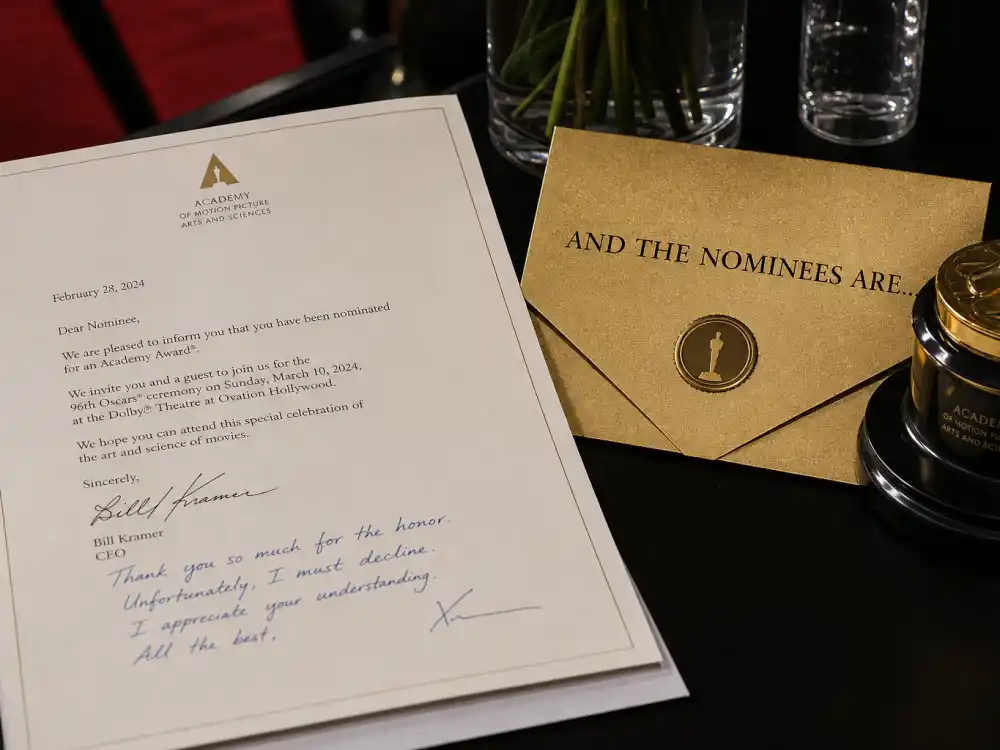
Not every absence equals refusal. Katharine Hepburn won four competitive Oscars and reportedly accepted all statuettes but attended the ceremony only once (1974, to present an Irving G. Thalberg Award). Woody Allen has multiple Oscar wins and nominations yet avoids the telecast — documented habit, not documented trophy rejection. The Weeknd boycotted the 2021 Grammys after a zero-nomination shutout; he did not refuse a trophy he never received — that story lives in snub guides, including celebrity award show snubs controversial.
Revoked honors differ again: Milli Vanilli’s 1990 Grammy for Best New Artist was stripped after lip-sync fraud — the Academy reversed results, not the artists returning a statuette voluntarily. John Lennon and Yoko Ono returned their MBE medals in 1969 to protest British foreign policy — a state honor decline, not a televised entertainment award, but frequently cited alongside entertainment refusals in pop-culture roundups.
Why Refusals Still Matter in Awards Culture
Refusals are rare because institutions confer legitimacy, campaign budgets depend on wins, and studios insure against reputational risk when stars go off-script. When celebrities who refused or declined awards act anyway, they force voters and audiences to ask what trophies measure — craft, popularity, politics, or compliance. Brando and Littlefeather shifted Oscar discourse toward representation; Scott proved a winner could disown the industry’s grandest stage; Drake’s ballot withdrawal pressured Grammy transparency debates years before Recording Academy reforms.
Cross-ceremony snubs and scandals will keep dominating feeds every season — see our ranked snub and scandal siblings for voting math and viral moments — but refusal history occupies a smaller, sharper corner: the night the winner said no.
Quick Reference: Verified Refusal Cases
- Marlon Brando (Oscars 1973): Best Actor for The Godfather — declined via Sacheen Littlefeather
- George C. Scott (Oscars 1971): Best Actor for Patton — refused statuette, called ceremony a meat parade
- Peter O’Toole (Oscars 2003): Initially declined honorary Oscar by letter, then accepted at ceremony
- Drake (Grammys 2022): Withdrew Certified Lover Boy from Grammy ballot
- Sinead O’Connor (Grammys 1991): Boycotted telecast after winning Alternative Performance
- Axl Rose (Rock Hall 2012): Declined participation in Guns N’ Roses induction
Explore More Awards Coverage
- Snub rankings: celebrity award show snubs controversial
- Oscar snubs: biggest Oscar snubs of all time
- Scandals: biggest award show scandals ever
- Visit our Awards archive for ceremonies, records, and history guides.