

In this article8 sections
- Venice Film Festival Explained Golden Lion: Why the Lido Still Matters
- The Golden Lion: Venice's Winged Top Prize
- Competition vs. Out of Competition: How Venice Sorts Its Lineup
- Lido di Venezia: The Festival's Island Stage
- Venice as an Oscar Launchpad
- How Venice Differs from Cannes and Berlin
- What to Watch Each September
- Key Takeaways
Venice Film Festival explained Golden Lion is the primer every awards-season reader needs before September crowds descend on the Lido di Venezia — the oldest surviving film festival on earth, crowned each year by the winged Golden Lion that can vault a director from art-house obscurity to Oscar contention overnight. Founded in 1932 as part of the Venice Biennale, La Mostra Internazionale d’Arte Cinematografica predates Cannes by three years and Berlin by nearly two decades, yet its prestige rests on more than seniority: the Golden Lion remains one of the few European prizes that consistently predicts Academy Award momentum. Whether you need a crash course on competition versus out-of-competition slots, a map of the Lido venues, or the historical arc from fascist-era inaugurations to today’s streaming-era premieres, this Venice Film Festival explained Golden Lion guide delivers festival-verified facts without duplicating red-carpet outfit breakdowns reserved for our Pillar F fashion coverage.
USA Celebs built this explainer for readers crossing over from our Cannes cluster — start with the Cannes Film Festival 2026 winners list, browse the Palme d’Or winners list by year for Croisette chronology, and return here when autumn turns toward Italy. We also link forward to our upcoming Cannes red carpet rules and dress code and Cannes most controversial moments history hubs so European festival literacy stays in one Awards archive. For ceremony context beyond Europe, browse our Awards section for Oscars, Emmys, and Globes coverage year-round.
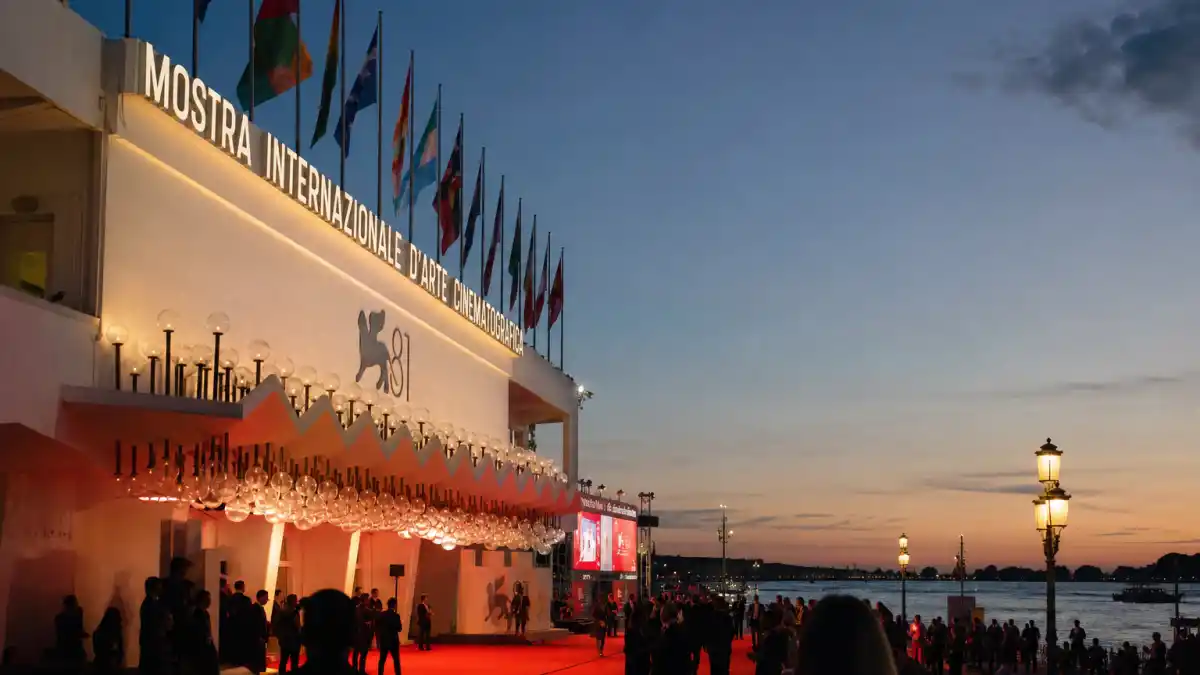
Venice Film Festival Explained Golden Lion: Why the Lido Still Matters
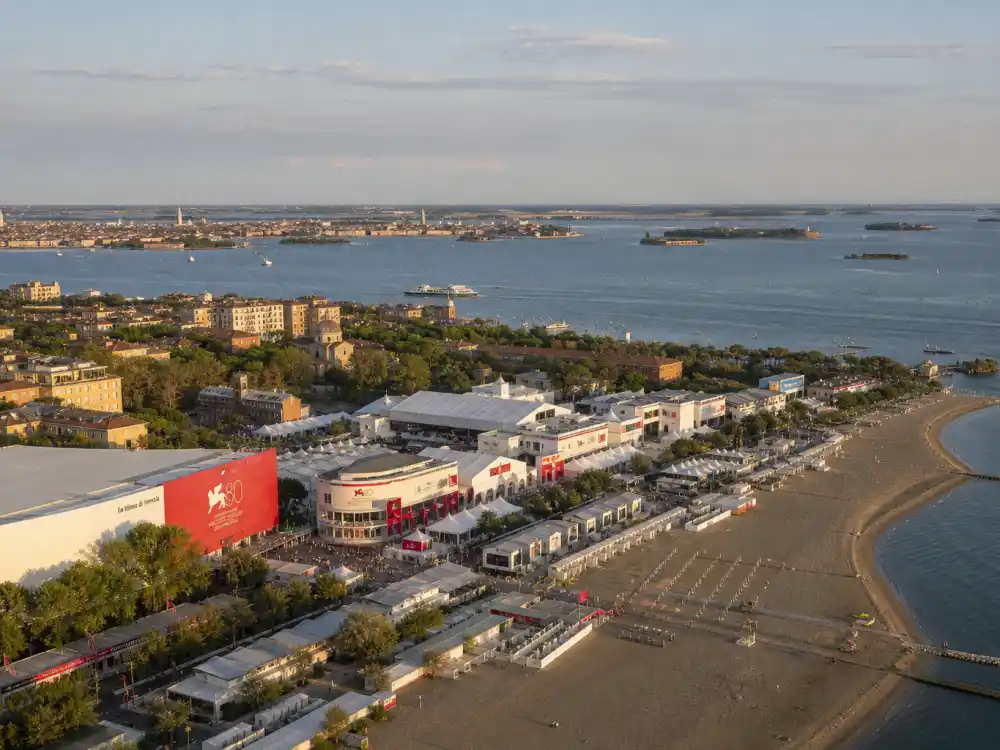
The Venice Film Festival explained Golden Lion framework begins with geography. Unlike Cannes’ Croisette or Berlin’s Potsdamer Platz, Venice spreads its cinema across the slender Lido barrier island — a ten-minute vaporetto ride from Piazza San Marco. The Palazzo del Cinema hosts the main competition screenings and closing-night awards. The historic Palazzo del Casinò stages red-carpet premieres. Smaller venues including the Sala Giardini and Sala Darsena absorb parallel sections. That island layout gives the festival a contained, resort-town rhythm: journalists, buyers, and stars circulate between beach hotels, press pavilions, and late-night waterfront bars in a way no mainland festival replicates.
Prestige follows chronology. Venice launched in August 1932 under the Venice Biennale umbrella, screening films on the terrace of the Hotel Excelsior before permanent venues rose along the Lido. World War II interrupted the 1943–1945 editions, but the festival resumed in 1946 and never surrendered its claim as cinema’s oldest continuous international showcase. When readers ask why the Venice Film Festival explained Golden Lion still commands headlines, the answer is triple: history, timing, and Oscar gravity.
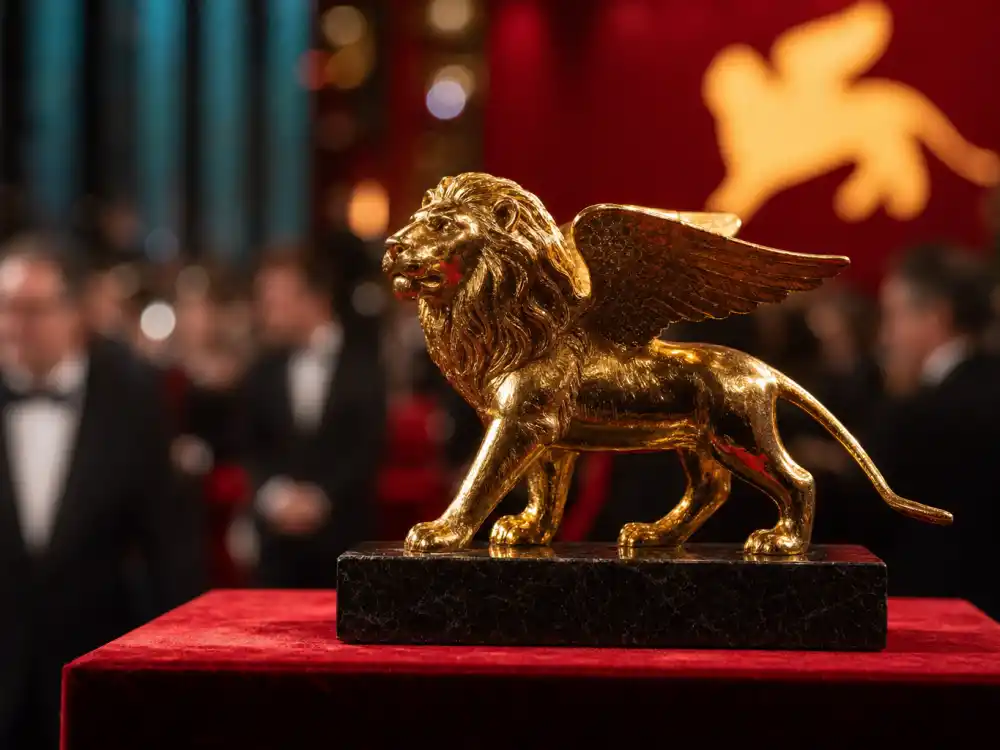
The Golden Lion: Venice’s Winged Top Prize
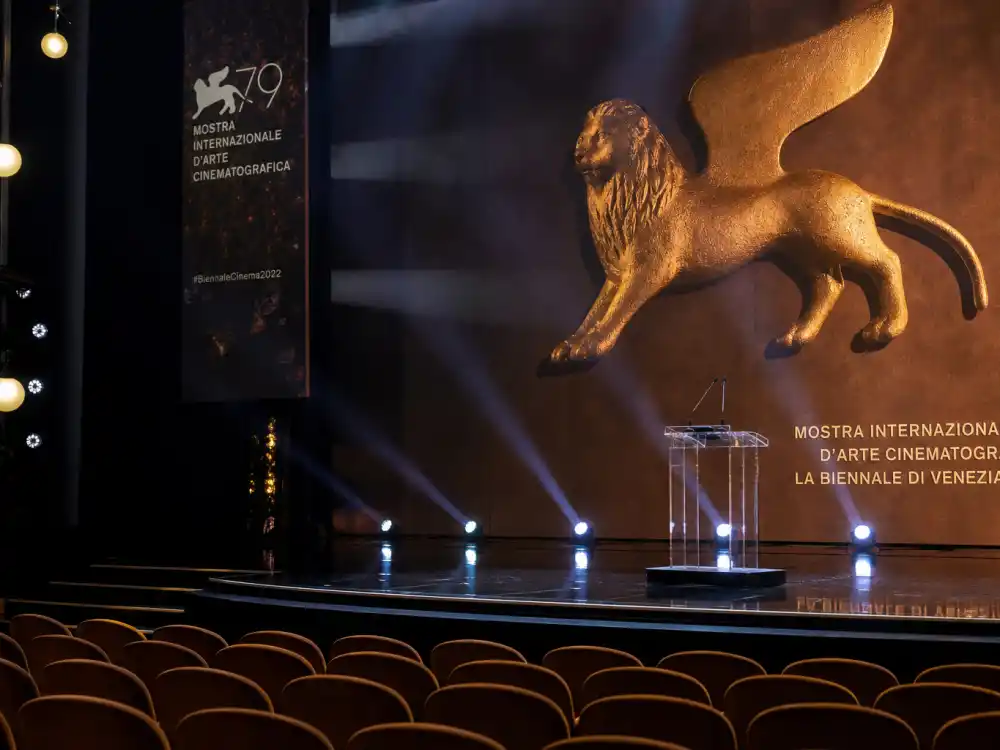
The Golden Lion (Leone d’Oro) is the festival’s highest competitive honor for feature films, presented to the best film in the official competition section as determined by the international jury. The winged lion statue references the symbol of St. Mark — Venice’s patron — and replaced earlier Grand Prix formats as the festival modernized after the war. Winning the Golden Lion places a film on the short list of titles every awards prognosticator tracks: recent champions including All the Beauty and the Bloodshed, Poor Things, and The Room Next Door rode Venice buzz into Oscar-season campaigns.
Below the top prize, Venice distributes Silver Lions for best director and best actor or actress (often split across performers), Volpi Cups for individual acting, the Grand Jury Prize, and specialty honors including the Queer Lion and Luigi De Laurentiis Award for debut features. Understanding that ladder matters when you read festival headlines: a Silver Lion director nod can signal jury admiration even when the Golden Lion goes elsewhere — context our Venice Film Festival explained Golden Lion guide keeps explicit so readers do not conflate every Venice prize with the top trophy.
Competition vs. Out of Competition: How Venice Sorts Its Lineup
Venice organizes its official selection into distinct lanes. The Competition section (typically 20–23 features) is the only category eligible for the Golden Lion and the core Volpi Cups. Films here face the full jury verdict and generate the heaviest press scrutiny. Out of Competition slots premiere major studio titles, auteur returnees, or crowd-pleasing gala screenings without jury eligibility — think franchise sequels, star-driven dramas, or veteran directors showcasing work that prioritizes marketplace buzz over trophy hunting.
Additional sections refine the ecosystem. Orizzonti (Horizons) spotlights innovative storytelling and often surfaces future Golden Lion contenders. Venezia Classici restores film-history landmarks. Venice Immersive covers XR and interactive work. Venice Production Bridge connects financiers with projects. For awards-season readers, the competition-versus-out-of-competition split is the first filter: only the former can win the Golden Lion, yet out-of-competition premieres frequently steal opening-night oxygen and set the tone for fall box office — a dynamic familiar to anyone who follows our Cannes Film Festival 2026 winners list coverage on the Croisette.

Lido di Venezia: The Festival’s Island Stage
The Lido is more than a backdrop; it shapes festival logistics and culture. Hotels including the Excelsior and Des Bains (the latter immortalized in Thomas Mann’s Death in Venice) host press conferences and industry breakfasts. The Gran Viale shopping strip feeds casual encounters between filmmakers and critics. Beach screenings and sunset parties extend programming beyond theatre walls. For first-time attendees, the Venice Film Festival explained Golden Lion geography lesson is simple: arrive by water taxi or vaporetto, plan walking routes between Palazzo venues, and expect September heat that makes the lagoon breeze as central to the experience as any premiere ticket.
Venice’s late-summer slot — usually late August through early September — positions the festival as the kickoff to fall awards season. Studios time world premieres here to build three months of critic momentum before Toronto, Telluride replays, and eventual Oscar nomination voting. That calendar advantage is why the Golden Lion carries weight disproportionate to its audience size: Venice is where the narrative starts, not where it ends.

Venice as an Oscar Launchpad
The Venice-to-Oscar pipeline is statistically real. Films that win or place at Venice regularly land Academy Award nominations across best picture, director, acting, and craft categories. Gravity, La La Land, The Shape of Water, Roma, Joker, Nomadland, and The Whale all used Venice premieres or prizes as springboards. The festival’s September timing lets studios screen for guild voters and critics while buzz is fresh, and the Golden Lion gives marketing teams a concrete hook for “award-winning film” taglines before regional campaigns expand.
Compare the European circuit: Cannes crowns auteurs in May with the Palme d’Or — see our Palme d’Or winners list by year for the full chronology — while Venice captures autumn momentum closer to Oscar voting windows. Berlin’s Golden Bear fills the winter gap. Together they form a continental awards ladder; Venice’s explained Golden Lion sits at the September rung where commercial and prestige titles collide. Streaming platforms now premiere Oscar hopefuls at Venice alongside traditional distributors, reinforcing the festival’s role as a launchpad rather than a niche art-house retreat.
How Venice Differs from Cannes and Berlin
Readers crossing from our Cannes cluster should note structural differences. Cannes runs eleven days in May with the Palme d’Or as its apex prize; Venice runs roughly the same duration in early fall with the Golden Lion. Berlin’s Golden Bear competes in February with a more politically oriented jury tradition. Venice uniquely blends auteur competition with high-profile out-of-competition galas — a hybrid Cannes lacks — and its island setting creates intimacy the Croisette’s boulevard energy cannot match. Controversy profiles differ too: Cannes generates flashpoint red-carpet moments (we catalog them in our upcoming Cannes most controversial moments history hub), while Venice controversies tend toward jury surprises and politically charged competition winners.
For dress-code context on the French rival, see our Cannes red carpet rules and dress code guide — Venice enforces formal premiere attire but with Italian flair rather than Cannes’ strict heel-height folklore. USA Celebs keeps fashion analysis in Pillar F; this Venice Film Festival explained Golden Lion article stays focused on prizes, sections, and awards-season strategy.
What to Watch Each September
When the lineup drops, prioritize three signals. First, count competition slots from major auteurs and first-time directors — Venice often balances established names with discovery titles. Second, note which studio films chose out-of-competition galas versus Toronto world premieres the following week. Third, track jury president announcements; Venice juries frequently include actors and directors whose tastes telegraph whether the Golden Lion will reward experimentation or accessibility. Our Awards archive updates each September with winners, snubs, and ceremony context so you never parse the Lido alone.
The Venice Film Festival explained Golden Lion remains the essential entry point: oldest festival, winged top prize, competition hierarchy, island geography, and Oscar launchpad logic in one evergreen hub. Return each late August when USA Celebs refreshes coverage with the new lineup, jury verdict, and fall awards-season implications.
Key Takeaways
- Venice is the world’s oldest film festival (since 1932), held on the Lido di Venezia barrier island.
- Only the official Competition section is eligible for the Golden Lion — out-of-competition premieres are gala events without jury prizes.
- The Golden Lion regularly launches Oscar campaigns; recent winners and premieres feed Academy Award nominations.
- Cross-read our Cannes Film Festival 2026 winners list and Palme d’Or winners list by year for the full European festival ladder.
- Return each September for updated Venice Film Festival explained Golden Lion coverage when the jury crowns a new champion.