

In this article11 sections
- Celebrities Banned From the Met Gala: How Anna Wintour Enforces Exclusion
- Donald Trump: The Only Publicly Named Permanent Exclusion
- Tim Gunn: Confirmed Disinvitation After a Public Anecdote
- Reportedly Banned: Kanye West, Lili Reinhart, and Gwyneth Paltrow
- Reportedly Snubbed: Tina Fey, Nicki Minaj, and Josh Hartnett
- Opt-Outs vs. Bans: Zayn Malik, Demi Lovato, and Amy Schumer
- Reinstatements and Return Invitations
- What Triggers a Met Gala Ban or Long-Term Snub?
- 2026 Context: Guest List Politics Under Costume Art
- Common Misconceptions About Met Gala Bans
- Related Met Gala Guides
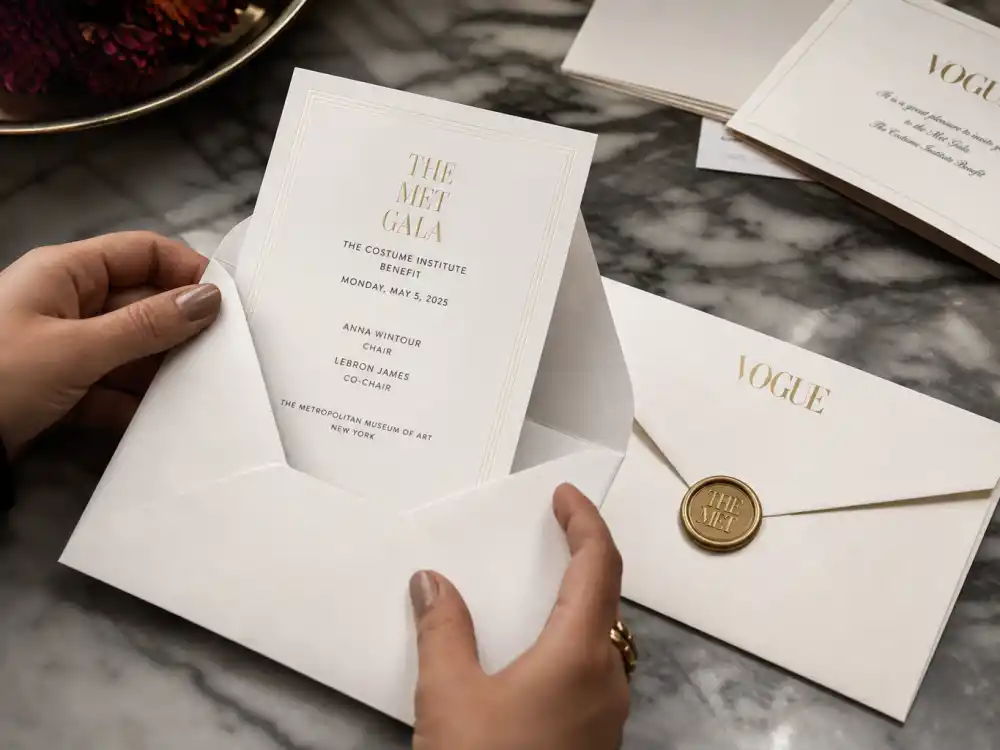
Celebrities banned from the Met Gala are decided behind closed doors — not on a published list Vogue will confirm. The Costume Institute Benefit is invite-only; Anna Wintour has chaired the guest list since 1995 and functions as final arbiter on who walks the Metropolitan Museum steps each first Monday in May. Only two figures carry widely reported confirmation of permanent exclusion: Donald Trump, whom Wintour named on James Corden’s show in 2017 as someone she would “never invite back,” and Tim Gunn, who told E! News he was disinvited after sharing an unflattering anecdote about Wintour. Everyone else — Kanye West, Lili Reinhart, Gwyneth Paltrow, Tina Fey, Nicki Minaj — sits in the “reportedly” column: industry sources and entertainment press document multi-year absences, but Condé Nast tells reporters it “never discusses guest list or speculation around it on record.” This listicle maps confirmed bans, alleged snubs, celebrities who opted out, and reinstatements — invitation politics and enforcement, not outfit breakdowns. Cross-link our Met Gala 2026 guest list, Anna Wintour Met Gala role explained, who decides who attends the Met Gala, and Met Gala rules celebrities must follow.
Celebrities banned from the Met Gala matter because the event is fashion’s most visible power map. A table at the benefit can cost $350,000; a carpet slot can define a brand’s year. When Wintour removes a name — or simply never re-invites one — it signals editorial exile inside Vogue’s orbit and often cools luxury partnerships. Below we separate confirmed enforcement from rumor, explain how bans are executed at the velvet rope, and track celebrities who returned after years away. We cite Vogue, Snopes, and major entertainment reporting — marking unconfirmed claims as reportedly throughout.
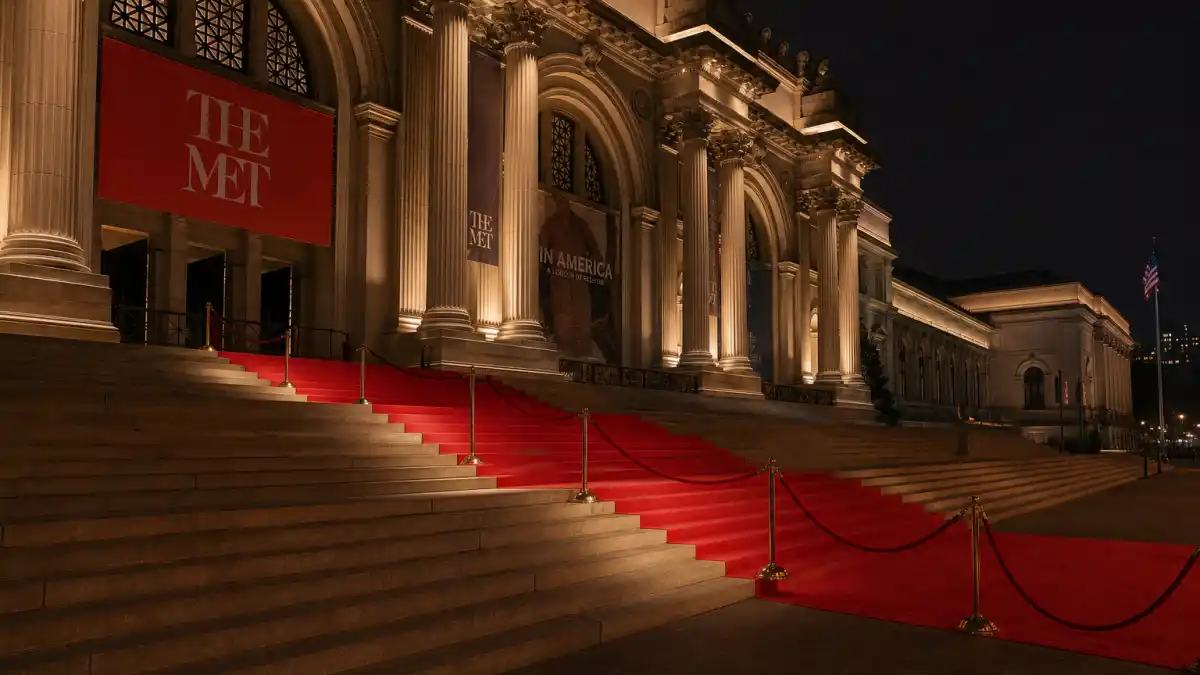
Celebrities Banned From the Met Gala: How Anna Wintour Enforces Exclusion
No public registry exists for celebrities banned from the Met Gala. Wintour runs the benefit like she runs a magazine: every name must fit the narrative. A Condé Nast spokesperson told Snopes in 2025 that the company “never discusses guest list or speculation around it on record.” Enforcement therefore appears as absence — no invitation, no carpet time, no Vogue party photos — rather than a press release.
Operational mechanics are consistent across cycles documented in our who decides who attends the Met Gala guide:
- Invitation lock: final names mail two to four weeks before the gala; security verifies at the museum entrance
- Velvet-rope finality: unapproved celebrities do not walk the carpet regardless of fame or sponsor pressure
- Multi-year memory: sources familiar with 2026 planning told entertainment press “there is no written list, but there is a memory — and it is long”
- Editorial consequence: excluded names lose Vogue carpet coverage and often see cooled brand table nominations
Why it matters: the Met Gala raises eight figures for the Costume Institute. Donors trust Wintour to keep the room controlled — see Met Gala rules celebrities must follow for the operational playbook. A celebrity who leaks dinner photos, insults the chair, or repeatedly ignores the theme threatens that donor confidence. Celebrities banned from the Met Gala are, in practice, celebrities Wintour no longer trusts to protect the brand.
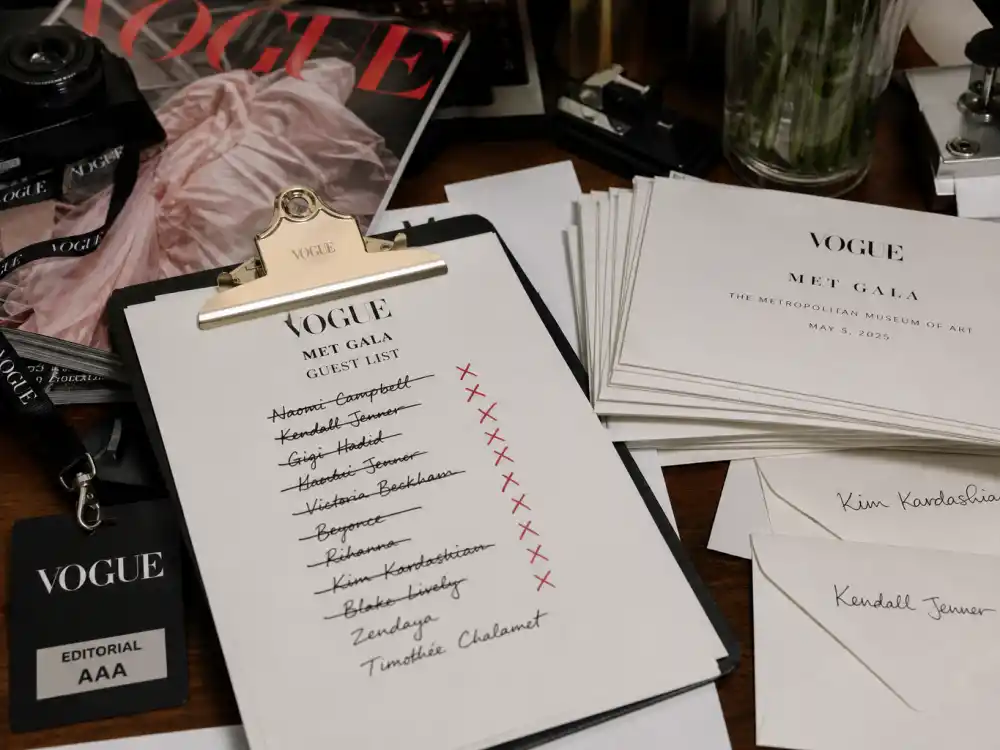
Donald Trump: The Only Publicly Named Permanent Exclusion
Among celebrities banned from the Met Gala, Donald Trump is the clearest case. On The Late Late Show with James Corden in October 2017, Corden asked Wintour, “Who would you never invite back to the Met Gala?” She answered: “Donald Trump.” Snopes verified the clip and noted Trump has not attended since 2012 — years before his first presidential term and well before 2025 speculation about a formal ban circulated online.
Trump and Melania Trump were regular Met Gala fixtures in the 2000s; Vogue photographed them on the carpet multiple times. After Wintour’s 2017 remark, his absence became the benchmark for how celebrities banned from the Met Gala are discussed: one on-camera statement from the chair, then years of no invitation. Neither the White House nor Condé Nast confirmed a written blacklist when Snopes investigated 2025 rumors — but Wintour’s word carries operational weight. If she says never, the list does not include the name.
Takeaway for readers searching celebrities banned from the Met Gala: Trump is the only figure Wintour herself has publicly identified as permanently unwelcome. Treat every other name below as reported, disputed, or self-imposed absence unless new primary confirmation emerges.
Tim Gunn: Confirmed Disinvitation After a Public Anecdote
Tim Gunn is the second figure with direct confirmation tied to celebrities banned from the Met Gala. The former Project Runway mentor told E! News in 2016 he had been “disinvited” after recounting an anecdote about Wintour being carried down five flights of stairs by bodyguards following a fashion show. Gunn said he was asked not to return and described being in an “open war” with Wintour afterward.
Unlike Trump — excluded on Corden’s show — Gunn’s ban story comes from his own interview. Entertainment outlets including Yahoo and Nine’s celebrity desk treat Gunn alongside Trump as the pair with the strongest documentation among celebrities banned from the Met Gala. Gunn attended regularly in earlier cycles; his post-anecdote absence aligns with Wintour’s pattern of punishing public criticism of her authority.
Why Gunn matters in the bans conversation: he was fashion television royalty, not a random carpet crasher. Losing Met access signaled that even industry insiders face exile if they embarrass the chair. For Wintour’s broader authority, read Anna Wintour Met Gala role explained.
Reportedly Banned: Kanye West, Lili Reinhart, and Gwyneth Paltrow
Several A-listers appear on entertainment-industry “death lists” as reportedly among celebrities banned from the Met Gala — without Vogue confirmation:
- Kanye West: RadarOnline and fashion press report multi-year exclusion following his 2022 “White Lives Matter” statement at Paris Fashion Week and subsequent antisemitic remarks. He attended the Met Gala in 2021 with Kim Kardashian; his absence since aligns with Wintour distancing Vogue from controversy.
- Lili Reinhart: Yahoo and tabloid sources link her reported snub to 2022 comments criticizing extreme dieting tied to Kim Kardashian wearing Marilyn Monroe’s dress at the Met. Reinhart attended in 2018 and 2022; she has not returned since — reportedly because of the remark, not confirmed by Condé Nast.
- Gwyneth Paltrow: Press reports cite her calling the gala “hot” and “crowded” and suggesting guests were too old to “dress up punk” as reason for reported exclusion. Paltrow was a fixture in earlier cycles; recent absences fuel ban rumors without official statement.
Mark these as reportedly among celebrities banned from the Met Gala. Wintour’s team does not comment; absence alone is not proof of a formal ban — scheduling, theme fit, and brand relationships also shape invitations. Still, the pattern is consistent: public criticism of the event or its power players correlates with long gaps off the carpet.
Reportedly Snubbed: Tina Fey, Nicki Minaj, and Josh Hartnett
Additional names circulate in ban roundups as reportedly among celebrities banned from the Met Gala:
- Tina Fey: Industry sources claim Wintour reportedly wanted to “punish” Fey after comedy bits mocking the gala’s exclusivity. Fey has attended sporadically; ban status remains rumor.
- Nicki Minaj: Tabloid reporting links political controversies and public statements to rumored permanent sidelining. Minaj walked the carpet in 2018 and 2022; later absences are unconfirmed as bans.
- Josh Hartnett: Listed on entertainment “blacklist” compilations without primary Vogue sourcing — treat as unverified.
When aggregating celebrities banned from the Met Gala for SEO and reader clarity, distinguish three tiers: (1) Wintour-confirmed or self-confirmed disinvitation, (2) reported multi-year absence with cited industry sources, (3) fan speculation from a single skipped year. This article stays in tiers one and two.
Opt-Outs vs. Bans: Zayn Malik, Demi Lovato, and Amy Schumer
Not every absence belongs on a celebrities banned from the Met Gala list. Some stars refused to return rather than receiving a formal ban:
- Zayn Malik: Told GQ in 2018 the Met Gala felt “self-indulgent” and that he would not attend again. Yahoo notes he is not believed to be banned — he simply opted out.
- Demi Lovato: Called the 2016 event “terrible” and “cliquey” in a Billboard interview and swore off returning — then attended again in 2024, proving opt-outs can reverse without ban drama.
- Amy Schumer: Publicly criticized the gala’s exclusivity; her attendance pattern shifted for personal and political reasons, not confirmed ban status.
Why the distinction matters: celebrities banned from the Met Gala implies Wintour removed or blocked a name. Opt-outs are editorial choices by the celebrity. Conflating the two misrepresents how invitation politics actually work — see how much does a Met Gala ticket cost for why brands still fight for seats regardless.
Reinstatements and Return Invitations
Celebrities banned from the Met Gala are not always excluded forever. Reinstatement happens when Wintour sees narrative value in a return:
- Demi Lovato (2024): Returned after calling the 2016 gala “terrible” — proof that self-imposed exile can end without public apology to Vogue.
- Historical pattern: celebrities who lay low, honor theme dress codes when they do return, and avoid criticizing the chair often reappear on sponsor tables within three to five years
- Brand pressure: luxury houses lobbying for a controversial ambassador can negotiate return slots if the celebrity demonstrates compliance
No reinstatement playbook is published. Sources describe Wintour weighing whether a return helps or hurts the Costume Institute fundraiser’s donor mood. Celebrities banned from the Met Gala who want back typically work through designers and publicists — not social media campaigns — to rebuild trust with Vogue’s editorial team.
What Triggers a Met Gala Ban or Long-Term Snub?
Patterns across confirmed and reported cases of celebrities banned from the Met Gala suggest common triggers:
- Public insult to Wintour or the event: Gunn’s staircase anecdote; Paltrow’s “crowded” comments (reportedly)
- Political or cultural controversy: Trump’s presidency after years as a carpet fixture; West’s post-2022 statements (reportedly)
- Criticism of other guests or body standards: Reinhart’s Kim Kardashian dieting remark (reportedly)
- Violation of inside rules: phone leaks, table drama, repeated theme snubs — see Met Gala rules celebrities must follow
- Comedy or press mocking exclusivity: Fey and Schumer narratives (reportedly)
Wintour rarely explains decisions. Celebrities banned from the Met Gala learn through silence — no invitation email, no handler callback from Vogue liaisons. For the full invitation pipeline, read who decides who attends the Met Gala.
2026 Context: Guest List Politics Under Costume Art
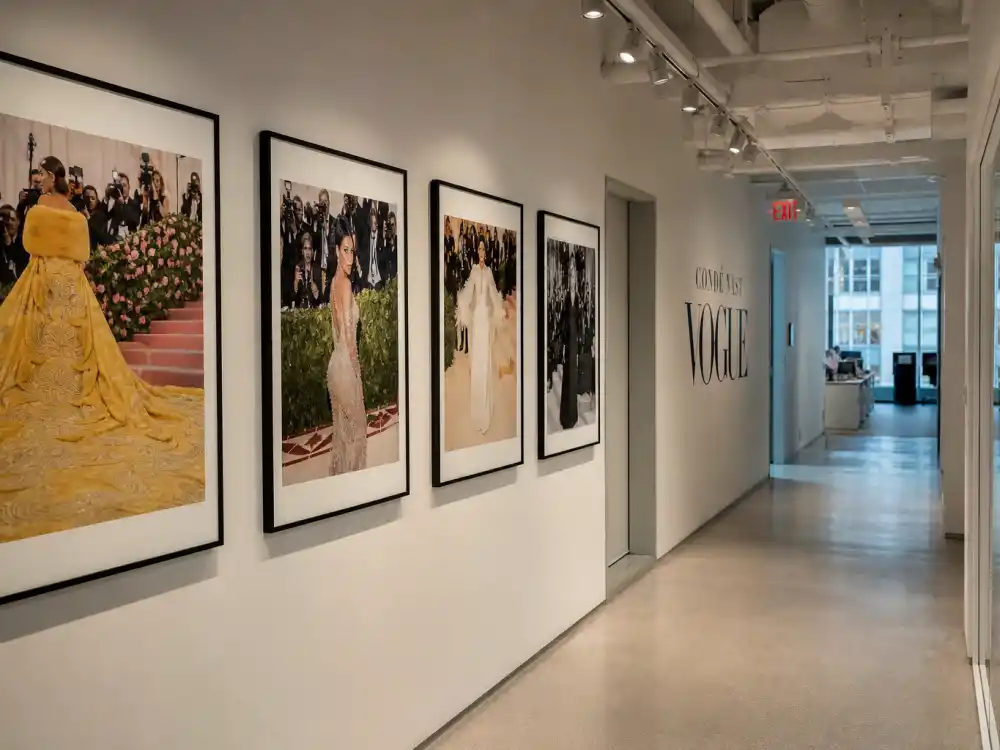
The May 4, 2026 Met Gala — co-chaired by Beyoncé, Nicole Kidman, Venus Williams, and Wintour under dress code “Fashion Is Art” — applied the same exclusion logic to celebrities banned from the Met Gala as every cycle. Trump remained absent; Gunn has not returned; West, Reinhart, and Paltrow were not on the public-facing Met Gala 2026 guest list. Beyoncé’s return as co-chair after skipping recent years illustrates reinstatement at the highest level — the opposite pole from permanent exile.
Amazon founder Jeff Bezos and Lauren Sánchez’s reported sponsorship raised donor scrutiny on guest behavior — potentially tightening who gets invited back after controversy. Celebrities banned from the Met Gala in future cycles will likely face the same unwritten standards: protect the fundraiser’s tone or stay off Fifth Avenue.
Common Misconceptions About Met Gala Bans
- Myth: Vogue publishes a banned list. Reality: Condé Nast refuses on-record guest list discussion; no public registry exists.
- Myth: Every skipped year equals a ban. Reality: scheduling, theme fit, and opt-outs explain many absences.
- Myth: Buying a table guarantees entry. Reality: Wintour still approves every name — see who decides who attends the Met Gala.
- Myth: Bans are always permanent. Reality: Demi Lovato and others prove reinstatement happens.
- Myth: Trump is the only excluded celebrity. Reality: Gunn confirmed disinvitation; others are reportedly snubbed without Vogue confirmation.
Related Met Gala Guides
- Met Gala 2026 guest list
- Anna Wintour Met Gala role explained
- Who decides who attends the Met Gala
- Met Gala rules celebrities must follow
- How much does a Met Gala ticket cost
- Met Gala themes by year complete list
- What charity does the Met Gala support
- Met Gala most controversial moments ever
- Visit our Awards and Red Carpet archives.