

In this article10 sections
- Anna Wintour Met Gala Role Explained: The 30-Year Chairmanship
- How Anna Wintour Curates the Met Gala Guest List
- Theme Input and the Costume Institute Partnership
- Vogue's Production Role: Livestream, Coverage, and Brand
- Fundraising: Where the Money Goes
- Co-Chair Selection: Wintour's Annual Casting Call
- Controversies, Bans, and Dress-Code Enforcement
- What Wintour Delegates vs. What She Controls
- 2026 Spotlight: Costume Art and Wintour's Latest Cycle
- Related Met Gala Guides
Anna Wintour Met Gala role explained in one sentence: she is the editor-in-chief of Vogue and the Met Gala’s chair since 1995 — the person who turns a museum charity dinner into the most watched fashion night on Earth. Wintour does not merely attend the first Monday in May; she shapes the guest list, selects co-chairs, steers exhibition themes with the Costume Institute, negotiates sponsor tables, produces the global livestream, and enforces the unwritten rules that keep roughly 400 to 500 approved guests inside the Metropolitan Museum of Art. This guide covers her chairmanship mechanics — guest curation, Vogue partnership, fundraising, co-chair politics, and documented bans — not red-carpet outfit breakdowns. For who actually received invitations, read our Met Gala 2026 guest list; for invitation gatekeepers, see who decides who attends the Met Gala; for ticket economics, how much does a Met Gala ticket cost; for exhibition history, Met Gala themes by year complete list.
Before Wintour, the Costume Institute benefit was a society fundraiser — elegant, exclusive, but not a global media product. Her arrival as chair in 1995 coincided with Condé Nast’s push to make Vogue the authority on American fashion and the Met’s push to self-fund its only curatorial department without an endowment. Three decades later, the gala raises eight-figure sums annually, launches spring exhibitions watched by millions online, and sets the cultural agenda for luxury brands. Understanding Anna Wintour Met Gala role explained means separating myth from operational fact: she is not a solo dictator, but she holds veto power no other figure matches. Below, we map every layer of that power — from spreadsheet guest lists to co-chair announcements — so you know exactly what Wintour controls and what she delegates to Vogue staff, Met development officers, and curator Andrew Bolton.
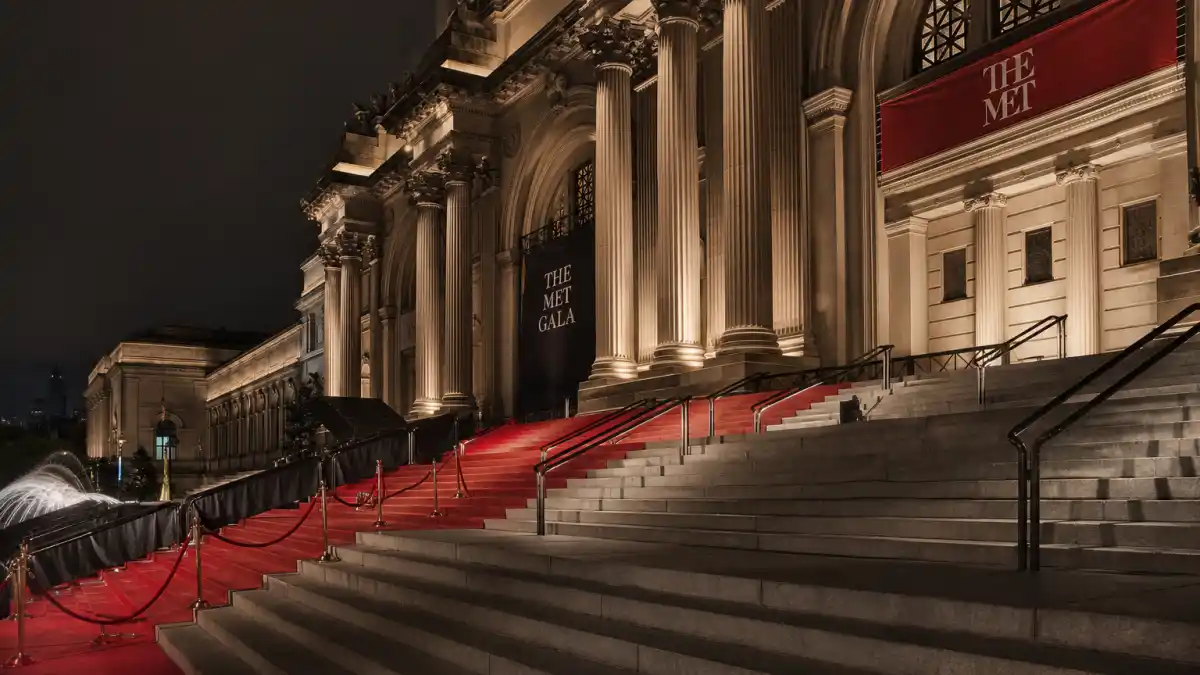
Anna Wintour Met Gala Role Explained: The 30-Year Chairmanship
Wintour became co-chair of the Met Gala in 1995 and has held the title — often alongside celebrity co-chairs — ever since. Industry reporting consistently credits her with transforming the event from a New York society fixture into a televised, livestreamed, sponsor-driven spectacle that funds the Costume Institute’s exhibitions and operating budget.
Her formal titles vary by year — chair, co-chair, or honorary co-chair when celebrities headline — but the operational reality does not change. Vogue co-produces the benefit with the Met. Wintour’s team manages invitations, dress-code messaging, red-carpet sequencing for the livestream, and post-gala coverage across Condé Nast platforms. The museum retains charitable compliance and donor relations; Wintour retains editorial judgment over who belongs on the carpet and how the night reads to a billion social-media viewers.
That dual structure is the core of Anna Wintour Met Gala role explained. She is simultaneously a museum volunteer leader raising philanthropy and a media executive monetizing attention. Neither institution could replicate the gala’s scale without the other — which is why every spring negotiation between Vogue and the Met development office matters as much as any celebrity invitation.
How Anna Wintour Curates the Met Gala Guest List
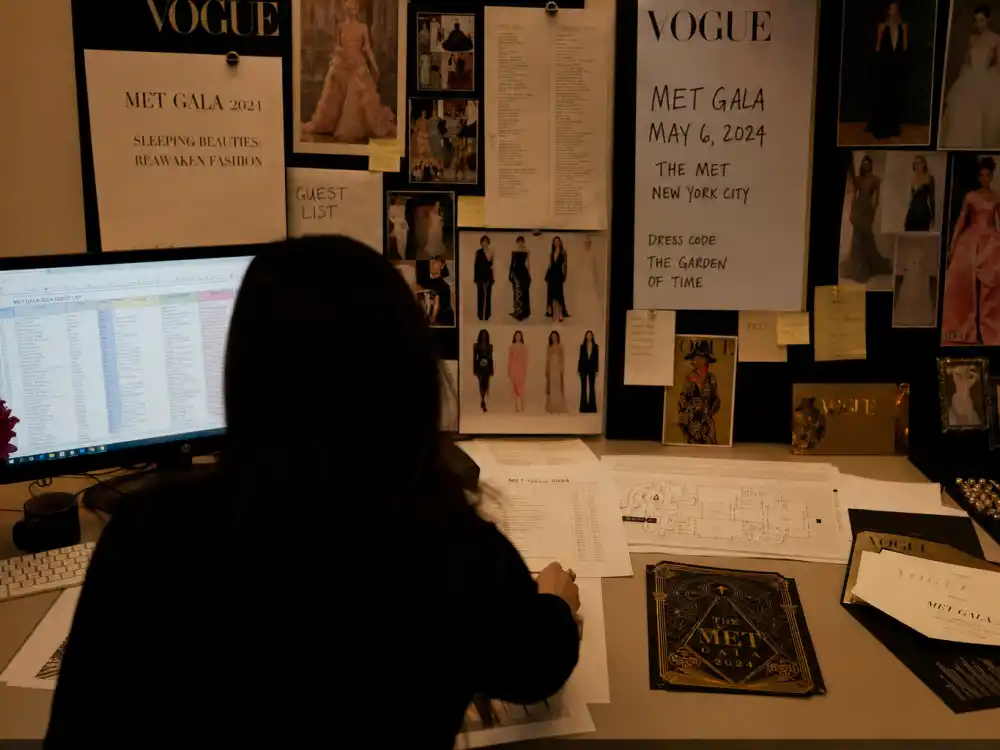
Guest curation is the most visible slice of Anna Wintour Met Gala role explained. Roughly 400 to 500 people attend the dinner inside the museum each first Monday in May. Wintour does not personally dial every celebrity, but her Vogue event staff maintain the master spreadsheet — approving brand nominations, donor seats, co-chair invites, and personal Wintour connections.
The workflow, documented across Vogue and Met reporting:
- Table buyers — luxury brands and wealthy donors purchase tables through the Met development office (often $250,000 to $350,000+ per table in recent cycles)
- Nominations — table holders propose celebrity and creative names to fill allocated seats
- Vogue review — Wintour’s team evaluates star power, theme relevance, sponsor balance, and behavioral history
- Final lock — invitations mail two to four weeks before the gala; security verifies names at the entrance
Wintour reportedly intervenes on contentious additions and removals — swaps between rival brands, celebrities returning after multi-year absences, and figures facing public controversy. Our companion guide who decides who attends the Met Gala maps the full invitation pipeline; this section focuses on Wintour’s editorial judgment within it.
Theme Input and the Costume Institute Partnership
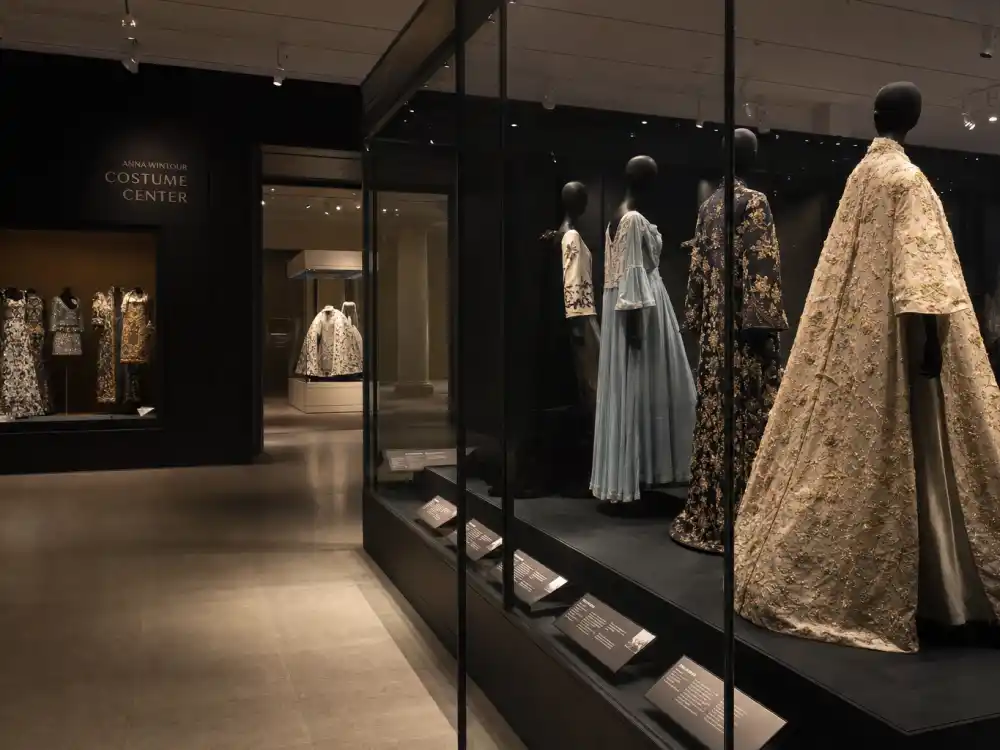
Exhibition themes are the intellectual spine of every Met Gala — and a major part of Anna Wintour Met Gala role explained. The Costume Institute’s chief curator, Andrew Bolton, leads scholarly research and gallery design. Wintour collaborates on how those themes translate into dress codes, co-chair selection, and livestream narratives.
The 2026 cycle illustrates the partnership. Bolton’s Costume Art exhibition opened May 10 in the new Condé M. Nast Galleries — named for the Vogue parent company — with dress code “Fashion Is Art.” Wintour announced co-chairs Beyoncé, Nicole Kidman, and Venus Williams to reflect music, film, and sports within that artistic frame. The theme list stretching back to 1973 lives in our Met Gala themes by year complete list; Wintour did not invent every title, but she amplifies whichever Bolton and the Met approve into a global fashion mandate.
Wintour’s theme input also shapes sponsor strategy. Brands want carpet moments that photograph well against the exhibition’s visual language. When themes skew historical — camp, punk, heavenly bodies — Wintour’s team pushes designers toward interpretive risk that plays well on Vogue.com and Instagram. That editorial pressure is separate from Bolton’s curatorial integrity inside the galleries; the gala is the marketing launch, not the scholarship.
Vogue’s Production Role: Livestream, Coverage, and Brand
Anna Wintour Met Gala role explained is inseparable from Condé Nast production muscle. Vogue hosts the official red-carpet livestream — the primary global feed for the first Monday in May — with hosts, photographers, and editors positioned to capture arrivals in an order that serves narrative and sponsor obligations.
Vogue’s post-gala coverage — same-night galleries, next-morning analysis, social clips — extends Wintour’s editorial control beyond the museum doors. Condé Nast titles (Vogue, GQ, Vanity Fair) cross-promote the event, reinforcing Vogue as fashion’s court of record. That media monopoly is why designers tolerate Wintour’s guest-list vetoes: a Met Gala appearance without Vogue coverage is commercially incomplete.
The Vogue partnership also means Wintour negotiates broadcast and streaming rights, celebrity interview access on the carpet, and step-and-repeat branding. When Amazon founder Jeff Bezos and Lauren Sánchez’s reported sponsorship surfaced ahead of the 2026 gala, Vogue’s coverage framed corporate mega-donors within the same editorial package as Beyoncé’s co-chair return — a reminder that Anna Wintour Met Gala role explained includes managing optics, not just invitations.
Fundraising: Where the Money Goes
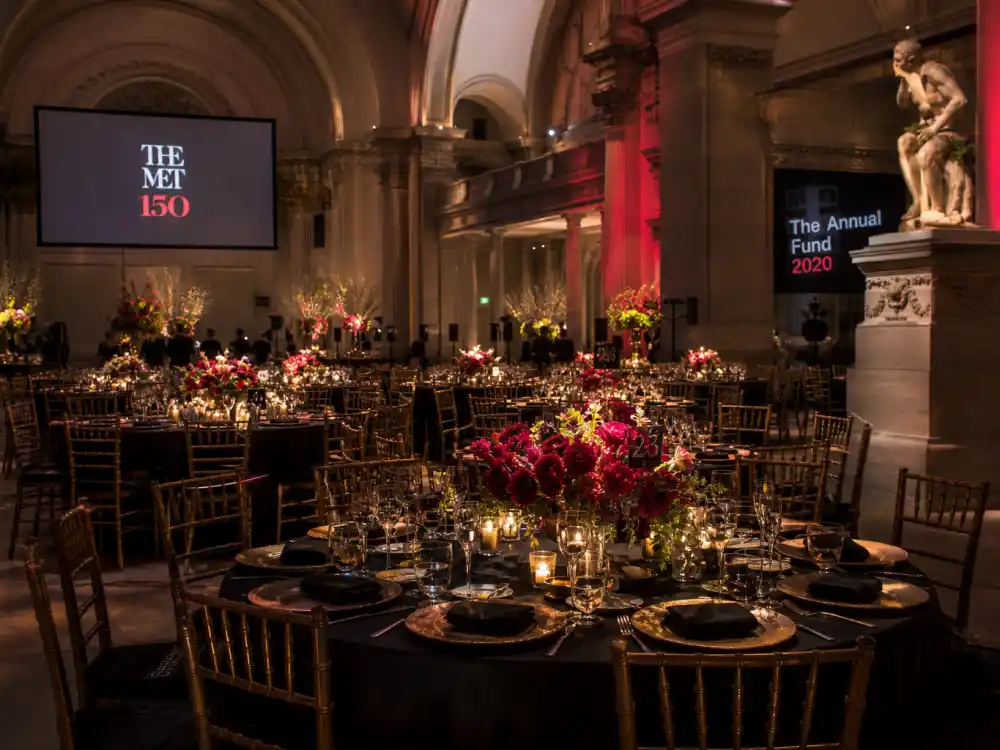
The Met Gala exists to fund the Costume Institute — the only Met curatorial department that must raise its own budget. Anna Wintour Met Gala role explained therefore includes chief fundraiser: table sales, individual tickets, and after-party sponsorships flow into museum coffers that support exhibitions, acquisitions, and staff.
Published individual ticket prices reached $100,000 in 2026, per Vogue and Met announcements — though most carpet celebrities attend on brand-comped seats rather than personal checks. Table buyers at $250,000 to $350,000+ supply the bulk of revenue. Wintour’s presence guarantees those tables sell; her absence would crater demand.
Fundraising mechanics Wintour influences:
- Table pricing and allocation — negotiated with Met development staff each cycle
- Sponsor tiering — which brands receive carpet prominence in the livestream
- After-party licensing — separate ticketed events with their own guest lists
- Exhibition tie-ins — gala night as launch party for Bolton’s spring show
For detailed ticket math, read how much does a Met Gala ticket cost. For charitable destination, see our upcoming guide on what charity the Met Gala supports. Wintour does not handle accounting — but her chairmanship is the asset the Met sells to donors.
Co-Chair Selection: Wintour’s Annual Casting Call
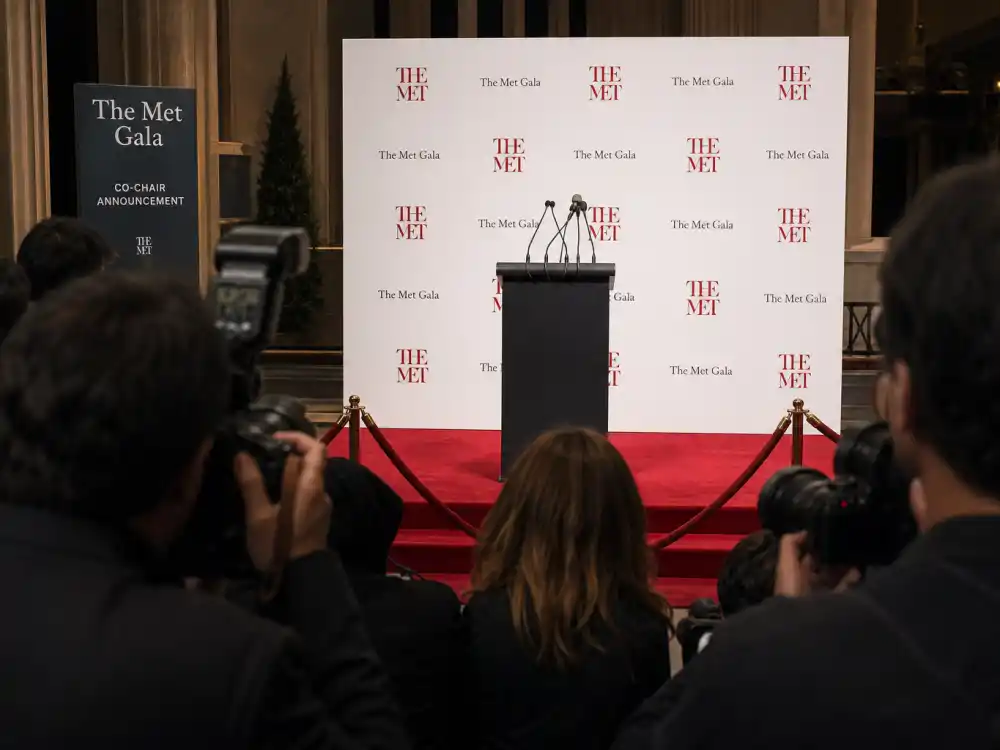
Each spring, Wintour announces Met Gala co-chairs — celebrities who lend star power, promote the exhibition, and often invite guests within table allocations. Co-chair selection is one of the most strategic tools in Anna Wintour Met Gala role explained: it signals which industries Vogue prioritizes, which sponsor relationships need reinforcement, and which cultural moments the livestream should center.
Recent co-chair patterns:
- 2026 — Beyoncé, Nicole Kidman, Venus Williams, and Wintour for Costume Art
- Multi-industry balance — music, film, sports, and fashion represented to widen livestream audience
- Comeback narratives — Beyoncé’s 2026 return after a decade away reflected Wintour’s guest-list curation as much as any single invitation
- Wintour always listed — even when celebrities headline, she remains named co-chair, preserving editorial authority
Co-chairs do not run logistics — Met and Vogue staff handle seating, timing, and security — but they shape the guest mix through personal invites and public promotion. Host committee members below co-chairs expand the network further. Our Met Gala 2026 guest list documents who walked the May 4 carpet under that committee structure.
Controversies, Bans, and Dress-Code Enforcement
Anna Wintour Met Gala role explained includes enforcement — the power to exclude celebrities who violate dress codes, embarrass sponsors, or criticize the event publicly. Industry lore and reporting document multi-year absences for figures who ignored themes, caused after-party incidents, or fell out with Wintour personally.
Documented enforcement patterns (not outfit rankings — see Pillar F for look analysis):
- Dress-code discipline — guests who treat the carpet as generic publicity without theme alignment risk future exclusion
- After-party behavior — incidents inside or outside sponsor after-parties can trigger Wintour’s disapproval
- Public criticism — celebrities who mock the gala or Wintour’s editorial decisions rarely return quickly
- Brand conflicts — switching fashion houses or rival sponsor politics can swap invitations quietly
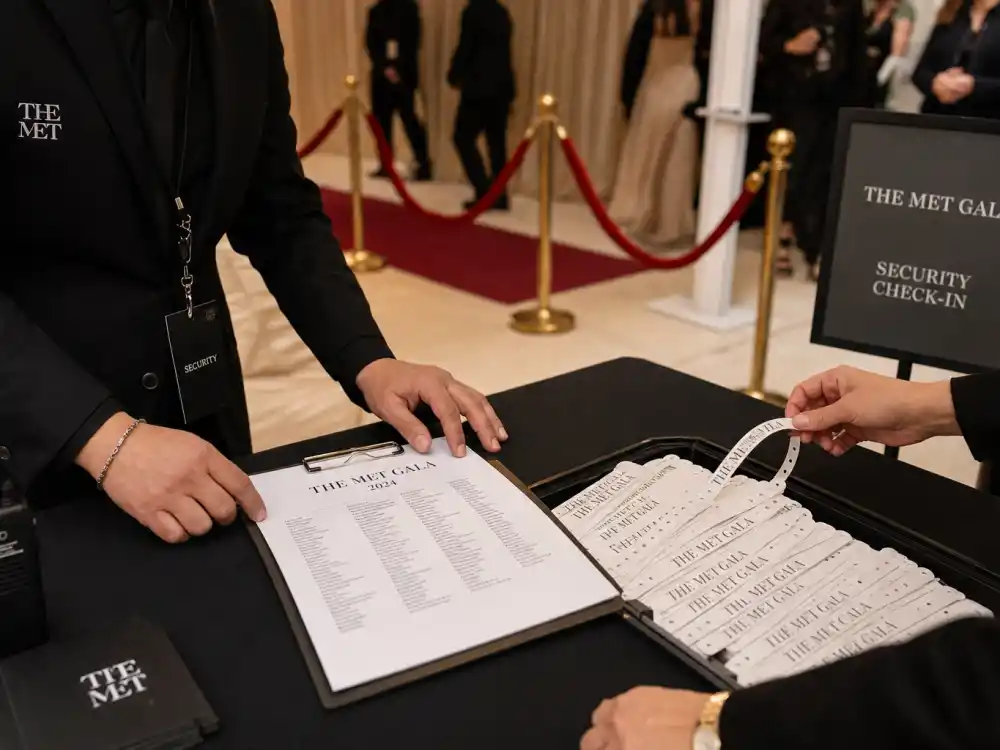
Wintour rarely comments publicly on bans — exclusion manifests as absence from the Met Gala guest list and Vogue coverage. Security at the museum entrance enforces the locked list regardless of fame. That velvet-rope finality is why Anna Wintour Met Gala role explained matters to every A-lister negotiating a brand table nomination.
What Wintour Delegates vs. What She Controls
Myth paints Wintour as omnipotent; reality is more distributed. Anna Wintour Met Gala role explained requires understanding delegation:
Wintour controls or strongly influences:
- Final guest-list approvals and contentious swaps
- Co-chair and host committee announcements
- Dress-code messaging and livestream editorial framing
- Vogue coverage priority — who gets carpet time and post-gala galleries
- Long-term exclusion decisions after dress-code or behavior incidents
Delegated to Vogue staff and Met teams:
- Day-to-day spreadsheet management and invitation mailing
- Table sales contracts and charitable compliance paperwork
- Exhibition curation and gallery design (Bolton and Costume Institute staff)
- Seating charts, catering, and museum security logistics
- After-party production by separate promoters with distinct guest lists
That split explains why Anna Wintour Met Gala role explained resists simple “she picks everyone” summaries — and why who decides who attends the Met Gala remains a multi-gatekeeper story with Wintour at the top.
2026 Spotlight: Costume Art and Wintour’s Latest Cycle
The May 4, 2026 Met Gala — supporting Bolton’s Costume Art exhibition — showcased Anna Wintour Met Gala role explained at full scale. Co-chairs Beyoncé, Nicole Kidman, Venus Williams, and Wintour anchored a guest mix blending music, film, sports, and fashion under dress code “Fashion Is Art.” Vogue’s livestream carried the carpet globally; table revenue funded the exhibition opening six days later in galleries bearing Condé Nast’s name.
Cross-reference our Met Gala cluster for sibling context:
- Met Gala 2026 guest list — who attended May 4, 2026
- Met Gala themes by year complete list — exhibition titles 1973–2026
- How much does a Met Gala ticket cost — $100,000 seats and table pricing
- Who decides who attends the Met Gala — invitation gatekeepers beyond Wintour
For carpet look verdicts — outside this operations guide — see Pillar F outfit analysis when published. This article stays on chairmanship, curation, and ceremony mechanics.
Related Met Gala Guides
- Met Gala 2026 guest list
- Met Gala themes by year complete list
- How much does a Met Gala ticket cost
- Who decides who attends the Met Gala
- Met Gala rules celebrities must follow
- What happens inside the Met Gala dinner
- Inside the Met Gala after parties
- Celebrities banned from the Met Gala
- Why is the Met Gala always the first Monday in May
- Visit our Awards and Red Carpet archives.