

In this article12 sections
- Can You Sell an Oscar Trophy? The $1 Buyback Rule Since 1951
- Why the Academy Restricts Sales
- Legal Enforcement: Academy Lawsuits Over Attempted Sales
- The Pre-1951 Loophole: Statuettes That Can Be Sold
- Heirs, Estates, and Family Disputes
- What Happens to Returned Statuettes
- Alternatives to Selling: Museum Loans and Public Display
- How the Rule Fits Modern Awards Culture
- Practical Checklist for Winners and Heirs
- Timeline: Oscar Resale Rules — Key Dates
- Why This Question Still Surfaces Every Awards Season
- Explore More Awards Coverage
Can you sell an Oscar trophy on the open market? For nearly every winner since 1951, the short answer is no — not without first offering it back to the Academy of Motion Picture Arts and Sciences for one dollar. That requirement sits inside the Winner’s Agreement every honoree reportedly signs before leaving the Dolby Theatre (or its predecessors), binding winners and their heirs to a resale restriction designed to keep the statuette from becoming a commodity. The Academy has enforced the rule in court, blocking auctions and suing sellers who tried to treat a modern Oscar like a vintage baseball card. Yet a narrow legal loophole exists for statuettes awarded before 1951, which is how trophies linked to Orson Welles and David O. Selznick reportedly reached auction houses decades later. This guide explains the $1 buyback rule, why the Academy fights sales, what happens when estates disagree, and the museum-loan alternatives winners use instead.
We built this explainer from the Academy’s published Winner’s Agreement language (as quoted in court filings and trade reporting), auction-house catalog notes, and coverage in outlets including The New York Times and The Hollywood Reporter. For companion reading, see our how are Oscar winners chosen voting explained guide and Best Actor Oscar winners list by year. This is awards law and institutional history — not red-carpet outfit analysis.

Can You Sell an Oscar Trophy? The $1 Buyback Rule Since 1951
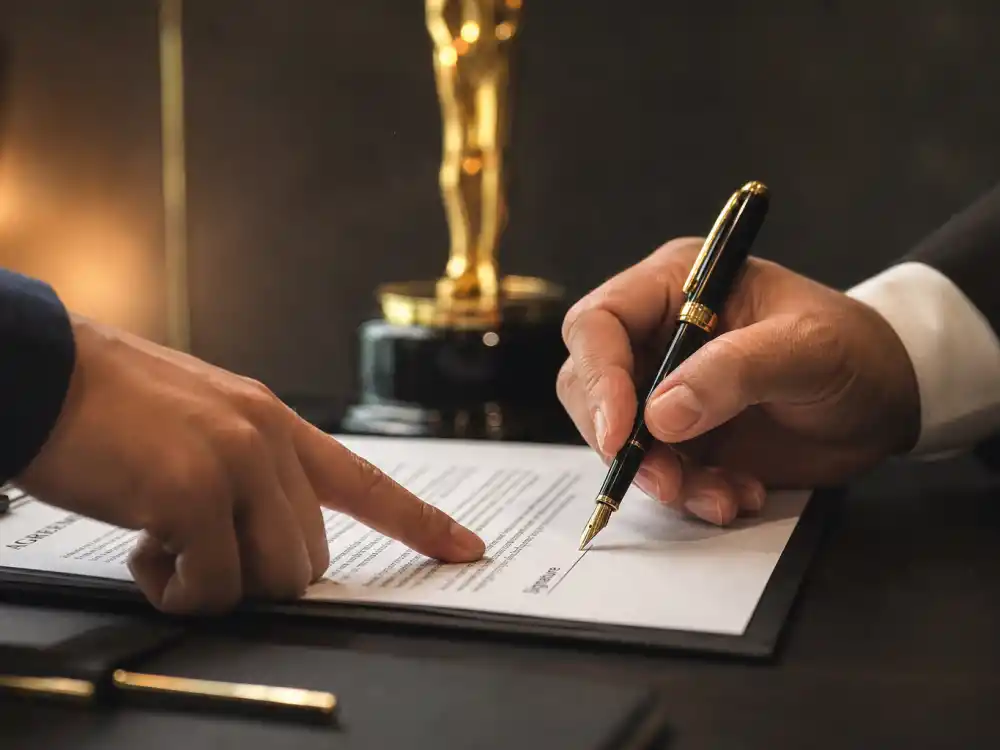
Since 1951, the Academy has required winners to sign a Winner’s Agreement before receiving a statuette. The contract reportedly states that neither the winner nor their heirs may sell the Oscar without first offering to sell it back to the Academy for $1. The language treats the trophy as a symbol of cinematic achievement, not private property free for resale. Winners still possess the physical statuette — they display it at home, loan it to museums, or store it in vaults — but commercial transfer requires Academy consent through that nominal buyback.
The one-dollar figure is symbolic. It signals that the Academy retains a perpetual right of first refusal at essentially no cost, preventing winners from profiting off the institution’s trademarked design and brand prestige. When collectors ask can you sell an Oscar trophy at Sotheby’s or Heritage Auctions, the answer for post-1951 awards is almost always blocked at the contract stage — before price ever enters the conversation. Reportedly, even charitable auctions require Academy approval under the same framework.
Why the Academy Restricts Sales
The Academy’s stated rationale centers on prestige protection. Officials have argued in press interviews and legal filings that allowing open-market sales would turn Oscars into luxury collectibles divorced from artistic merit — trophies traded purely for wealth display rather than creative honor. The statuette’s design is trademarked; unrestricted resale could reportedly dilute brand value and invite counterfeits marketed as “authentic Academy Awards.”
Hollywood’s guild culture also plays a role. Many winners describe the Oscar as a career capstone earned through peer recognition, not an asset to liquidate. The Academy reinforces that narrative by keeping trophies inside a quasi-institutional orbit — returned, loaned, or held — rather than circulating among billionaire collectors. Critics counter that adults should own what they win; supporters reply that the Oscar was never a fee-for-service payment but a conditional honor. Both sides agree on one fact: can you sell an Oscar trophy is a question the Academy answered with contract law, not etiquette alone.
Legal Enforcement: Academy Lawsuits Over Attempted Sales
The Academy has not relied on honor-system compliance. When heirs or third parties have tried to auction modern statuettes, the institution has sued — and often prevailed. One widely reported case involved the estate of a visual-effects winner whose heirs attempted to sell the trophy at auction in the 2010s; a California court reportedly sided with the Academy, citing the Winner’s Agreement and blocking the sale. Similar disputes have reached settlement before trial, with statuettes returned or pulled from catalogs.
Legal strategy typically invokes breach of contract and trademark protection. Auction houses, once notified, frequently withdraw lots rather than face joint liability. The message to collectors is blunt: a post-1951 Oscar listed publicly will draw Academy counsel. For anyone researching can you sell an Oscar trophy with an eye toward profit, enforcement history suggests the Academy treats violations as existential to the award’s integrity — not minor paperwork.

The Pre-1951 Loophole: Statuettes That Can Be Sold
Before 1951, winners received statuettes without the modern Winner’s Agreement. Those trophies are generally treated as unrestricted property — which is why several historic Oscars have legitimately reached auction. Orson Welles‘ 1941 Best Original Screenplay Oscar for Citizen Kane reportedly sold at auction after years of estate litigation over ownership and authenticity. David O. Selznick‘s 1940 Best Picture Oscar for Gone with the Wind also reportedly crossed the auction block in prior decades, passing between collectors who faced no Academy buyback requirement.
The date cutoff matters. A statuette awarded in 1950 or earlier operates outside the $1 rule; one awarded in 1952 or later does not. Heirs sorting through a late legend’s possessions must verify award year before assuming can you sell an Oscar trophy applies uniformly. Provenance research — ceremony records, engraving dates, Academy correspondence — separates legal sales from contract-bound trophies. USA Celebs does not publish auction prices here; valuation is a separate topic. The legal distinction is simply pre-agreement versus post-agreement awards.

Heirs, Estates, and Family Disputes
Death does not dissolve the Winner’s Agreement. Heirs inherit both the statuette and the contractual obligation — a surprise to families who assumed an Oscar in a display case could fund an estate tax bill. Reportedly, several posthumous sales attempts began when children or spouses listed a parent’s trophy without reading the agreement stored among legal papers. The Academy’s response has been consistent: cease the sale, return the statuette, or face litigation.
Internal family fights add another layer. Siblings disagree over who holds possession versus who controls sale rights; divorce proceedings have reportedly treated Oscars as contested assets until courts reminded parties that resale is restricted regardless of marital property law. Estate planners advising celebrity clients now sometimes flag the Oscar as a special-case heirloom — valuable sentimentally, not financially on the open market. When relatives ask can you sell an Oscar trophy to split proceeds, attorneys versed in entertainment law typically answer with the $1 buyback clause before discussing appraisals.
What Happens to Returned Statuettes
When winners or heirs invoke the buyback — or lose in court — statuettes return to Academy custody. The institution has not published a full public inventory, but reporting suggests returned trophies are stored securely rather than re-issued to new winners. Each year’s honorees receive newly cast statuettes; recycled Oscars could confuse provenance and authentication.
Some returned trophies reportedly appear in Academy Museum exhibitions or archival displays, contextualized as part of Hollywood history rather than sold merchandise. The Museum’s opening in 2021 increased public access to Oscar lore, though loaned winner trophies and returned statuettes serve different narrative roles. For winners who voluntarily return an Oscar — rare but not unheard of in protest contexts — the same storage pipeline applies. The trophy exits private hands; the Academy regains control. That outcome reinforces why can you sell an Oscar trophy to a private bidder and why return-to-Academy is the contractually approved transfer path.

Alternatives to Selling: Museum Loans and Public Display
Winners who want their Oscar seen without triggering the resale ban frequently loan statuettes to institutions. The Academy Museum, regional film archives, university cinema programs, and specialty exhibitions have displayed winner trophies under loan agreements that preserve ownership while sharing cultural value. Loans require coordination — insurance, security, transport — but not the $1 buyback because possession never transfers commercially.
Some winners permanently gift Oscars to museums upon death through estate plans structured to avoid sale language. Others rotate trophies between home display and exhibition during career retrospectives. These paths honor the Academy’s prestige concerns while giving the public access. When filmmakers ask can you sell an Oscar trophy and hear no, loan infrastructure offers a legitimate alternative that keeps the statuette in circulation culturally if not economically.

How the Rule Fits Modern Awards Culture
Today’s Oscars coexist with a memorabilia industry worth billions — screen-worn costumes, annotated scripts, and autographed posters trade freely. The statuette remains the exception. Reality television auctions and charity galas sometimes offer “Oscar experiences” or replica props, but an authentic post-1951 trophy in a lot draws immediate Academy scrutiny. Social media flex posts showing home mantels full of gold statuettes stop short of listing prices because winners understand the contract.
The rule also shapes how the public interprets auction headlines. When a Welles or Selznick trophy sells, commentators note the pre-1951 distinction; when a modern heir tries and fails, headlines emphasize lawsuit outcomes. That pattern educates collectors and fans alike: can you sell an Oscar trophy depends on award year and signed agreements, not celebrity fame or estate need. The Academy has shown little appetite for loosening restrictions — if anything, authentication technology and trademark enforcement have tightened as counterfeit markets grew online.
Practical Checklist for Winners and Heirs
- Confirm award year. Pre-1951 trophies may be salable; post-1951 trophies require Academy buyback first.
- Locate the Winner’s Agreement. Estate files or talent-agency records usually hold the signed copy.
- Consult entertainment counsel before auction listing. Withdrawal fees and litigation costs exceed $1 buyback by orders of magnitude.
- Consider museum loan. Public display preserves legacy without breaching contract.
- Do not assume divorce or inheritance voids the clause. Reportedly, courts have enforced it against heirs who never signed personally.
Timeline: Oscar Resale Rules — Key Dates
- 1929: First Academy Awards — no Winner’s Agreement exists yet.
- 1941: Orson Welles wins Best Original Screenplay for Citizen Kane — later trophy subject of pre-1951 sale disputes.
- 1940: David O. Selznick’s Gone with the Wind Best Picture Oscar — reportedly sold at auction in later decades under pre-agreement rules.
- 1951: Academy introduces Winner’s Agreement requiring $1 buyback before any sale — the pivot point for can you sell an Oscar trophy questions.
- 2010s–2020s: Multiple reported lawsuits block attempted sales of post-1951 statuettes; auction houses withdraw lots after Academy notice.
- 2021: Academy Museum opens — expanded venue for loaned and returned trophy display.
Why This Question Still Surfaces Every Awards Season
Each Oscar cycle revives curiosity about trophy ownership. Viewers see winners clutch gold statuettes onstage and wonder about dollar values — a natural question that collides with contractual reality. Tabloid stories about estate auctions keep can you sell an Oscar trophy in search trends even when the answer repeats: not since 1951, except for the shrinking pool of pre-agreement trophies still in private hands.
Understanding the rule clarifies Hollywood power dynamics. The Academy guards its symbol as fiercely as studios guard franchises. Winners gain prestige, not liquidity. Heirs inherit honor and obligation. Collectors chase pre-1951 exceptions. Museums host loans. Courts enforce contracts. That ecosystem — not raw metal value — defines what an Oscar is in 2026.
Explore More Awards Coverage
- Read how are Oscar winners chosen voting explained for the path from nomination to statuette.
- Browse the Best Actor Oscar winners list by year for every honoree since 1929.
- See most Oscars won by an actor all time for record holders and their trophy collections.
- Visit our Awards archive for ceremony history and milestone deep dives.