

In this article10 sections
- How Long Is the Oscars Ceremony in the Modern Era?
- Longest and Shortest Oscar Ceremonies on Record
- Why the Oscars Ceremony Runs So Long
- The 45-Second Speech Rule and Play-Off Music
- Failed Attempts to Shorten the Broadcast
- Red Carpet, Governors Ball, and the Full Oscar Night Timeline
- Viewer Tips: Start Times, Time Zones, and Streaming
- How Runtime Connects to Voting and Results
- Quick Reference: Oscar Ceremony Runtime Facts
- Explore More Awards Coverage
How long is the Oscars ceremony is one of the most practical questions viewers ask every March — and the honest answer sits in a range, not a single stopwatch reading. Modern Academy Awards telecasts typically run three to four hours from the first on-air category through the Best Picture envelope, though red-carpet coverage, streaming pre-shows, and after-parties stretch the full “Oscar night” experience far longer. The longest Oscar broadcast on record — the 74th Academy Awards on March 24, 2002 — reportedly clocked in at four hours and 23 minutes, while early ceremonies were dramatically shorter; the 31st Oscars in 1959 famously ended early at roughly one hour and 40 minutes, a runtime unimaginable today. This guide explains typical modern length, historical extremes, why the show keeps growing, failed shortening experiments, and practical viewer tips for start times and streaming — without outfit breakdowns (Pillar F territory). For voting mechanics, see our how Oscar winners are chosen voting explained guide; for current winners, browse Oscar winners 2026 full list.
Everything below stays draft until editorial QC. Runtime figures trace to Academy records, ABC broadcast logs, and widely cited press accounts unless marked reportedly. We focus on ceremony history and broadcast structure — not red-carpet dress rankings.
How Long Is the Oscars Ceremony in the Modern Era?
If you tune in when the ABC broadcast begins, plan for roughly 3 hours to 3 hours 45 minutes of actual ceremony. Recent editions illustrate the spread: the 96th Academy Awards in March 2024 ran approximately 3 hours and 22 minutes according to widely reported broadcast timing; the 95th Oscars in 2023 landed near 3 hours and 12 minutes; the 94th edition in 2022 stretched past 3 hours and 40 minutes even with pre-taped segments. Variation is normal — a tight show with brisk speeches can finish under three hours; a year packed with standing ovations, surprise wins, and extended tributes can push toward four.
The question how long is the Oscars ceremony also depends on what you count. Network red-carpet specials often start two to three hours before the main show (commonly around 6:30 p.m. ET / 3:30 p.m. PT on Oscar Sunday, though exact pre-show windows shift by year). The Governors Ball — the Academy’s official after-party — opens while the telecast is still airing late categories and continues well past midnight in Hollywood. Casual viewers asking “how long is the Oscars ceremony” usually mean the ABC primetime block; hardcore fans measure from first limo arrival to last after-party photo.
Longest and Shortest Oscar Ceremonies on Record
Extremes frame expectations. The longest Oscar telecast widely cited in entertainment journalism is the 74th Academy Awards in 2002, hosted by Whoopi Goldberg at the Kodak Theatre (now Dolby). That night ran a reported 4 hours and 23 minutes — bloated by lengthy segments, multiple montages, and the post-9/11 “In Memoriam” tribute that became a touchstone for how memorial reels extend runtime. When fans search how long is the Oscars ceremony at its worst, 2002 is the benchmark.
At the opposite end, early Academy Awards were brief private dinners. The first ceremony in 1929 lasted roughly 15 minutes. As television arrived, runtimes grew — but mid-century shows stayed lean compared with today’s spectacle. The 31st Academy Awards on April 6, 1959 — hosted by Bob Hope, Jerry Lewis, David Niven, Tony Randall, Mort Sahl, and Laurence Olivier in rotating segments at the Pantages Theatre — reportedly ended at about one hour and 40 minutes, famously under two hours. Fewer categories aired live, speeches were shorter, and there were no stadium-scale musical numbers. That shortest-modern-era contrast explains why veterans joke that asking how long is the Oscars ceremony once had a very different answer.
Reportedly, several 1960s and 1970s broadcasts also finished under two and a half hours before the show expanded to international blockbuster scale in the 1990s and 2000s.
Why the Oscars Ceremony Runs So Long
Runtime is structural, not accidental. The modern show must accommodate roughly 24 competitive categories (the exact count shifts slightly when specialty awards are moved off-air), plus opening monologue, scripted banter, presenter walk-ons, and the inevitable delay when winners hug half the front row. Each acceptance speech adds one to four minutes; multiply by two dozen winners and you already exceed two hours before a single performance.
Major time consumers include:
- Best Original Song performances — Often two or three full production numbers, each running three to six minutes with stage resets.
- Film clip packages — Every acting and directing category gets montage reels; editors pack them with spoilers and applause lines.
- “In Memoriam” segments — Typically four to six minutes of emotional weight that producers rarely cut.
- Special tributes and anniversaries — Milestone years add retrospective blocks that can exceed ten minutes combined.
- Comedy bits and host segments — Designed to keep casual viewers engaged but frequently running long when laughter stacks.
- Envelope mishaps and replays — Rare, but the La La Land Moonlight envelope error added chaotic minutes that algorithms cannot predict.
Producers also balance West Coast primetime, East Coast bedtimes, and international feeds. That tension — keep the glamour, hit the network window — is why how long is the Oscars ceremony remains a yearly debate in Hollywood trade press.
The 45-Second Speech Rule and Play-Off Music
To combat sprawl, the Academy and ABC have pushed informal time limits for decades. The modern 45-second guidance for acceptance speeches — reinforced on-air with orchestra “play-off” music — became a recurring joke after the 2010 ceremony when producers reportedly tightened enforcement. Winners who ignore the baton risk drowned-out thank-yous; winners who race off stage become meme fodder anyway.
The rule is soft, not statutory. Producers grant extra time for lifetime achievement moments, political statements, and genuine crowd standing ovations. That flexibility keeps the Oscars human but frustrates schedulers calculating how long is the Oscars ceremony in real time. Music cues signal “wrap up” to millions of viewers even when the winner keeps talking — a tension between television economics and Hollywood gratitude.
Failed Attempts to Shorten the Broadcast
Academy leadership has repeatedly promised a tighter show. Results have been mixed at best.
2019 commercial-break category plan: Then-Academy president John Bailey and ABC reportedly explored presenting select categories — Cinematography, Film Editing, Makeup and Hairstyling, and others — during commercial breaks, airing only highlight clips in the main telecast. Craft guilds and filmmakers pushed back hard, arguing off-air categories diminish artisan categories that already struggle for visibility. The Academy reversed course before the 91st Oscars in February 2019, keeping all announced categories in the live show — but the controversy signaled how sensitive runtime cuts are.
2022 pre-taped “Oscar Cheer Moment” segments: For the 94th Academy Awards, eight categories — Documentary (Short Subject), Documentary (Feature), Film Editing, Makeup and Hairstyling, Music (Original Score), Production Design, Animated Short Film, and Live Action Short Film — were pre-recorded earlier in the evening and condensed into the broadcast. Winners still received full recognition, but the live-audience energy differed. Social media backlash and industry criticism followed immediately; by the 95th Oscars in 2023, those categories returned to traditional live presentation. The experiment proved that shortening how long is the Oscars ceremony on paper does not always shorten viewer satisfaction.
Other recurring ideas — trimming montages, limiting presenter banter, moving the Governors Ball earlier — surface annually in pre-show reporting but rarely survive dress rehearsal politics.
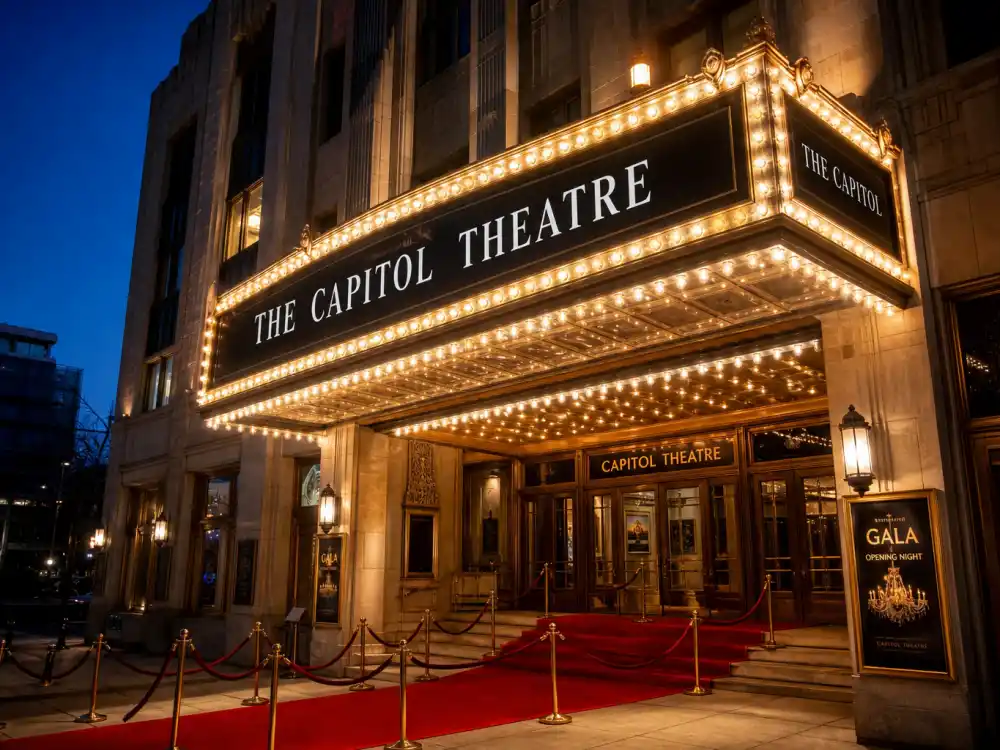
Red Carpet, Governors Ball, and the Full Oscar Night Timeline
Searching how long is the Oscars ceremony often underestimates the full calendar. A typical Oscar Sunday for A-list attendees spans 10 to 12 hours door-to-door:
- Mid-afternoon: Hair, makeup, and styling at hotels across Los Angeles.
- ~3:00–4:00 p.m. PT: Limo arrivals for early red-carpet positions; broadcast networks begin live or tape-delayed carpet coverage.
- ~5:00 p.m. PT / 8:00 p.m. ET: Main ABC telecast start (exact minute varies; check annual listings).
- ~8:30–9:30 p.m. PT: Telecast ends if the show stays near three and a half hours; late overrun pushes West Coast finales toward 10:00 p.m. PT or later.
- Post-show: Winners head to the Governors Ball at the Ray Dolby Ballroom (adjacent to the theatre) and industry after-parties across Hollywood and Beverly Hills into the early morning.
At-home viewers can skip the carpet and after-parties, but understanding the full arc explains why “Oscar night” and “Oscar telecast” are different questions.
Viewer Tips: Start Times, Time Zones, and Streaming
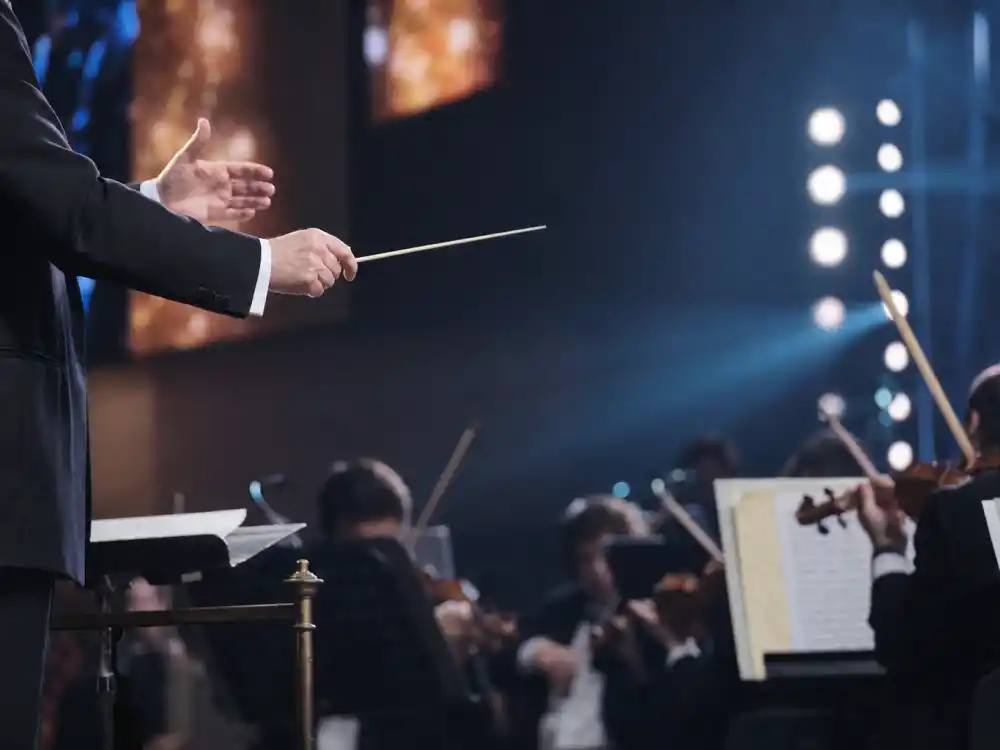
Plan your evening with these practical anchors (verify annually — start times shift slightly):
- Eastern Time: Red-carpet specials often begin around 6:30 p.m. ET; main ceremony commonly starts at 8:00 p.m. ET on Oscar Sunday.
- Pacific Time: Equivalent starts land around 3:30 p.m. PT (carpet) and 5:00 p.m. PT (ceremony) for Los Angeles viewers.
- Central and Mountain: Adjust one or two hours from Eastern depending on your zone; ABC affiliates carry the live feed nationally.
- Streaming: The ABC app and affiliated on-demand platforms typically carry the live broadcast for authenticated pay-TV subscribers; some years also offer direct-to-consumer streaming options — check current ABC and Academy announcements before the show.
- DVR buffer: Record at least 30 extra minutes beyond a three-and-a-half-hour block; overruns still happen.
If you only care about Best Picture and the acting awards, joining around the two-hour mark is a common strategy — though you risk missing upsets in earlier categories documented in our Oscar winners 2026 full list.
How Runtime Connects to Voting and Results
Ceremony length does not change who wins — tabulation closes days before the telecast. Understanding how Oscar winners are chosen clarifies why envelopes are sealed long before the orchestra plays off the final speech. Runtime instead shapes how Hollywood celebrates those results: montage length, performance slots, and which craft categories get live applause versus rushed treatment.
When producers trim, they rarely cut Best Picture or the acting races; they experiment at the margins — the same margins that sparked 2019 and 2022 backlash. That political economy explains why how long is the Oscars ceremony stays stubbornly near four hours at the ceiling even when ratings pressure demands brevity.
Quick Reference: Oscar Ceremony Runtime Facts
- Typical modern telecast: ~3 to 4 hours (main ABC broadcast)
- Longest widely cited broadcast: 74th Oscars, March 24, 2002 — reportedly 4h 23m
- Notable short broadcast: 31st Oscars, April 6, 1959 — reportedly ~1h 40m
- Categories (approx.): 24 competitive awards plus honorary segments
- Speech guidance: ~45 seconds with orchestra play-off (flexibly enforced)
- Common ET start: 8:00 p.m. ET main show; carpet earlier
- Common PT start: 5:00 p.m. PT main show
Explore More Awards Coverage
- Understand ballots in our how Oscar winners are chosen voting explained guide.
- Track results in our Oscar winners 2026 full list.
- Visit our Awards archive for ceremony records, history, and iconic moments.