

In this article11 sections
- Cannes 2026 viral fashion: why the red carpet turned into a group chat
- Alia Bhatt's nath moment brought desi detail to Cannes
- The ivory desi-fusion silhouette made the look feel modern
- The ice-blue gown gave Alia a second viral chapter
- Urvashi Rautela's ivory-and-gold saree sparked copying claims
- Why fans compared the look to Gigi Hadid's Abu Jani saree
- How the internet judges red-carpet inspiration in real time
- Other Cannes 2026 fashion moments kept the feed moving
- What it means for Indian fashion visibility at Cannes
- FAQs About Cannes 2026 Viral Fashion
- Related from USA Celebs
Cannes 2026 viral fashion has turned the red carpet into the internet’s busiest style debate, with Alia Bhatt’s traditional nath look winning widespread admiration while Urvashi Rautela’s ivory-and-gold saree sparked copying claims from fans and fashion critics. The conversation is moving fast, but the pattern is clear: viewers are celebrating looks that feel rooted and original, while scrutinizing outfits that appear too close to familiar fashion references.
The Cannes Film Festival has always been a place where cinema, luxury houses and celebrity image-making collide. In 2026, however, the most viral moments are not just about who wore the biggest gown or who posed longest on the steps. They are about how quickly an outfit can become a symbol. Alia’s ivory desi-fusion styling was read by fans as elegant cultural confidence. Urvashi’s saree, by contrast, was quickly compared online with Gigi Hadid’s white-and-gold Abu Jani Sandeep Khosla look from the NMACC launch, setting off a familiar debate about inspiration, tribute and imitation.
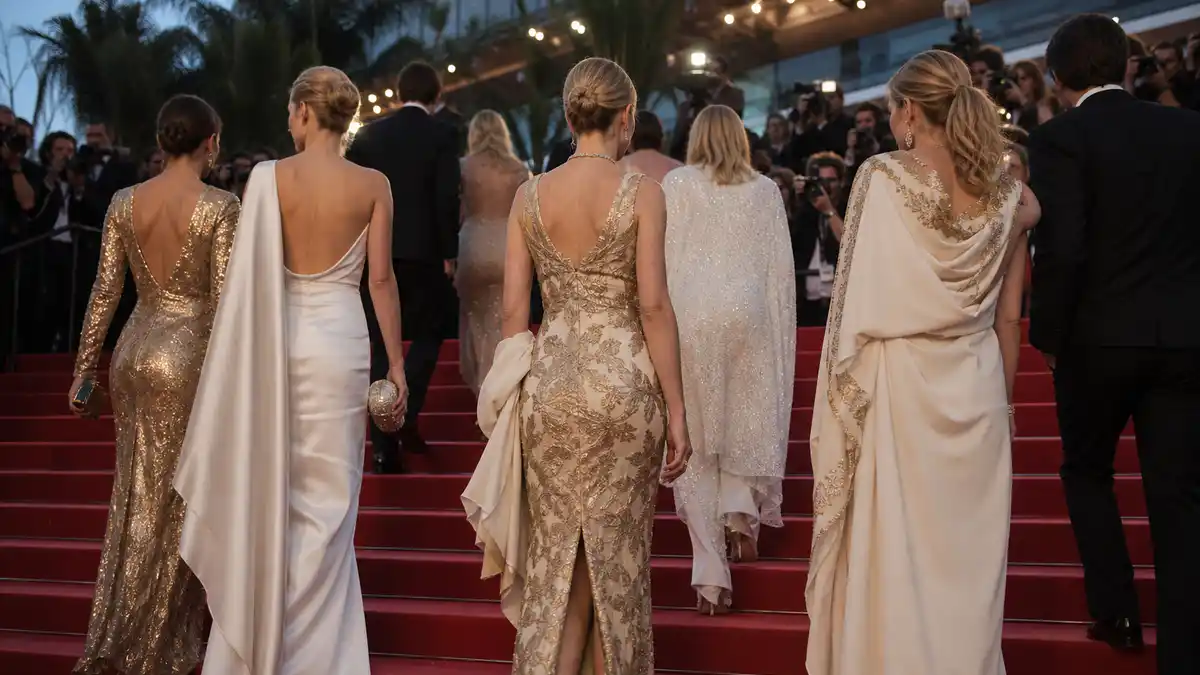
Cannes 2026 viral fashion: why the red carpet turned into a group chat
The reason Cannes fashion travels so quickly online is simple: the event is glamorous, global and highly visual. A single image from the red carpet can be reposted, cropped, compared and judged before the star has even left the venue. This year’s conversation has been especially intense because Indian celebrity styling has been front and center, giving fans a reason to debate not only beauty, but cultural detail and fashion authorship.
Alia Bhatt’s Cannes appearances gave that audience a strong positive anchor. Her custom ivory look, widely described as a desi-fusion moment, mixed a structured corset silhouette with Indian drape language and traditional jewelry. The nath became the key talking point because it was not treated as a costume piece. It looked intentional, formal and red-carpet ready, which is exactly why fans framed it as a win for Indian styling on a global stage.
Urvashi Rautela’s look created a different kind of heat. Her ivory saree with gold detailing was discussed as glamorous by some viewers, but the bigger online reaction centered on similarity claims. Fans and critics compared the outfit with Gigi Hadid’s earlier white-and-gold Abu Jani Sandeep Khosla saree, and fashion-watch accounts amplified the comparison. The fair way to say it is that the look sparked copying claims, not that plagiarism has been proven.
Alia Bhatt’s nath moment brought desi detail to Cannes
Alia’s nath look resonated because it balanced two things Cannes audiences often reward: fantasy and restraint. The ivory palette kept the styling polished, while the jewelry choices carried the emotional weight. A bindi, nath, payal and haathphool can read bridal in another context, but on this red carpet they helped frame the look as a deliberate celebration of Indian craft and memory.
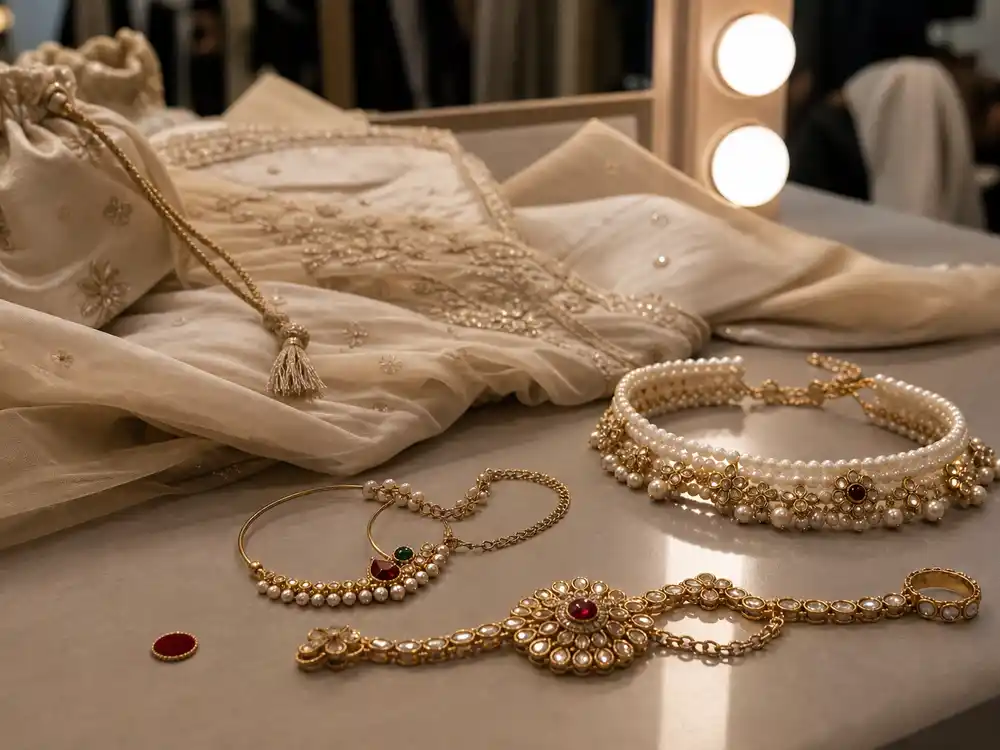
That matters because global red-carpet dressing often pushes stars toward sameness. Neutral gowns, diamond necklaces and borrowed Old Hollywood references are safe choices, but they rarely create a lasting cultural moment. Alia’s styling worked because it felt specific. It gave social media an easy visual hook, but it also gave fashion fans something to discuss beyond sparkle: the way Indian adornment can sit naturally within international couture.
Reports from Indian entertainment and fashion outlets described the look as an ivory ensemble with traditional details, and fans responded with language usually reserved for breakout red-carpet moments: dreamlike, graceful, royal, rooted. The praise was not only about Alia looking beautiful. It was about the satisfaction of seeing a major Indian star use Cannes as a platform without flattening the Indian references that made the outfit interesting.
The ivory desi-fusion silhouette made the look feel modern
The strongest red-carpet looks often have tension. Alia’s did: the structure of the corset suggested European couture tradition, while the drape, jewelry and styling details pointed back to Indian occasion dressing. That push and pull helped the outfit feel less like a museum reference and more like a contemporary celebrity-fashion statement.
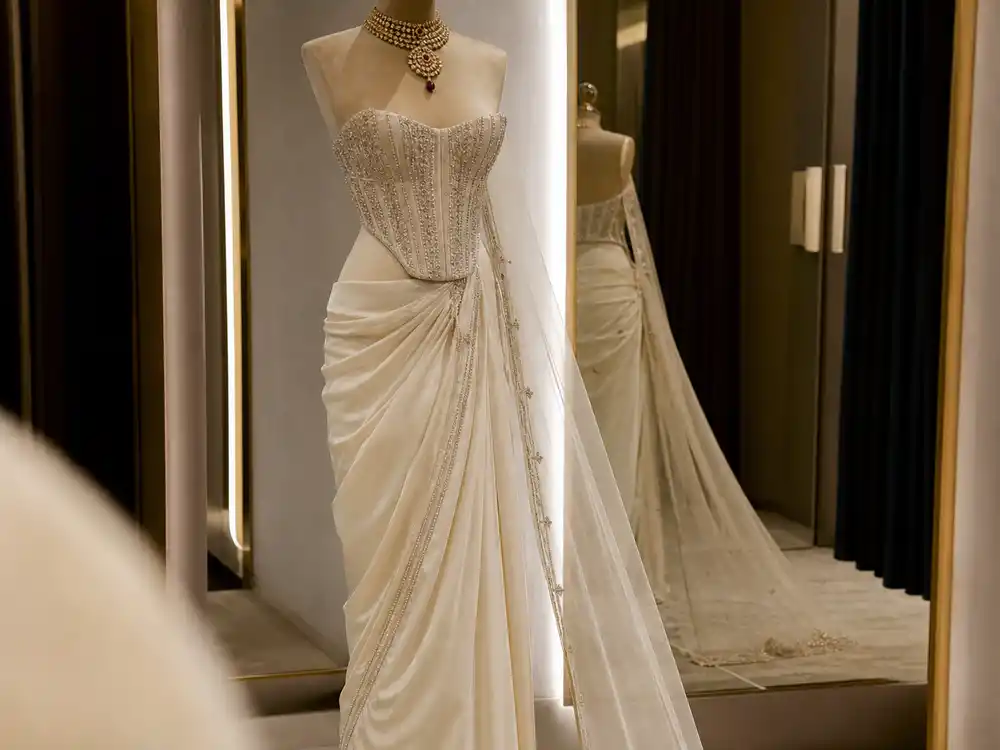
The ivory color story also helped. On a crowded Cannes carpet, saturated gowns and metallic looks can compete for attention, but ivory gives photographers texture, shadow and softness. With embroidery, draping and jewelry layered into the same palette, the outfit invited closer viewing. That is exactly the kind of look that performs well online because every zoomed-in detail can become a separate post.
The ice-blue gown gave Alia a second viral chapter
Alia’s later ice-blue and lavender Old Hollywood-style gown extended the conversation rather than replacing it. Where the ivory look leaned into Indian detail, the blue-toned gown gave fans a softer, cinematic glamour moment. The contrast helped her Cannes run feel rounded: one appearance rooted in desi ornamentation, another shaped by classic screen-star elegance.
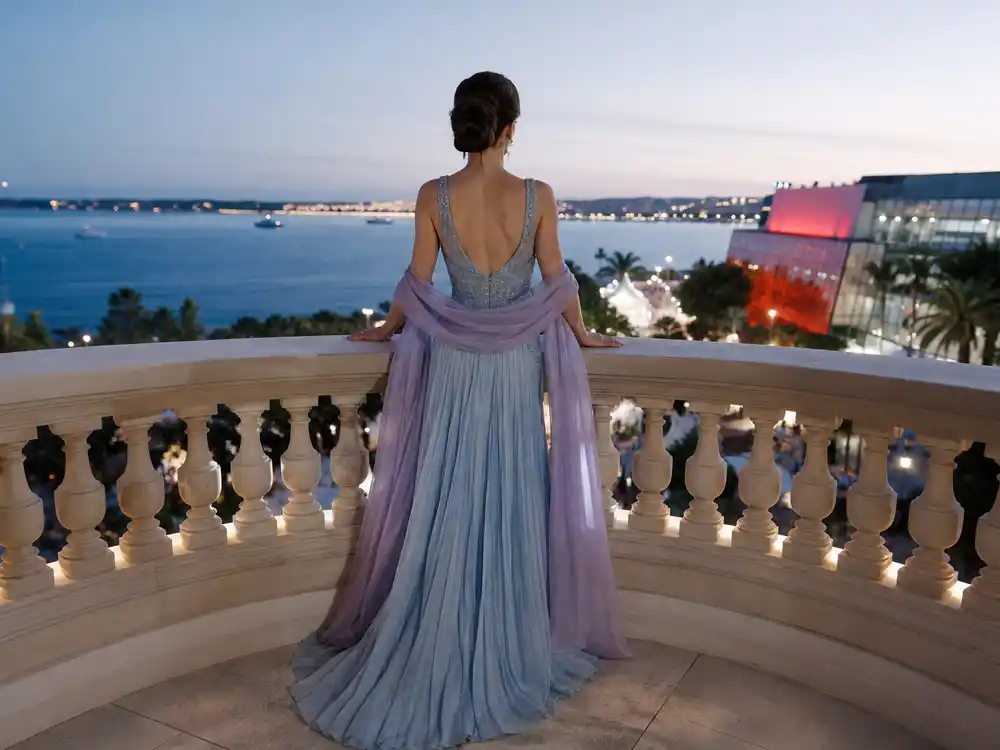
This is where smart red-carpet strategy becomes visible. A festival appearance is no longer one outfit in isolation. It is a sequence. Fans build a narrative around each change, deciding whether a celebrity is experimenting, repeating herself or escalating the drama. Alia’s Cannes sequence gave them enough variety to keep posting, while maintaining a controlled, elegant image.
Urvashi Rautela’s ivory-and-gold saree sparked copying claims
Urvashi Rautela’s Cannes fashion has often leaned maximal, and that is part of why she reliably gets attention. This time, however, the attention shifted from spectacle to comparison. Her ivory-and-gold saree look was quickly placed beside Gigi Hadid’s widely circulated Abu Jani Sandeep Khosla saree from the NMACC 2023 launch. Online critics pointed to the color palette, gold blouse effect and overall styling family as reasons the look felt familiar.
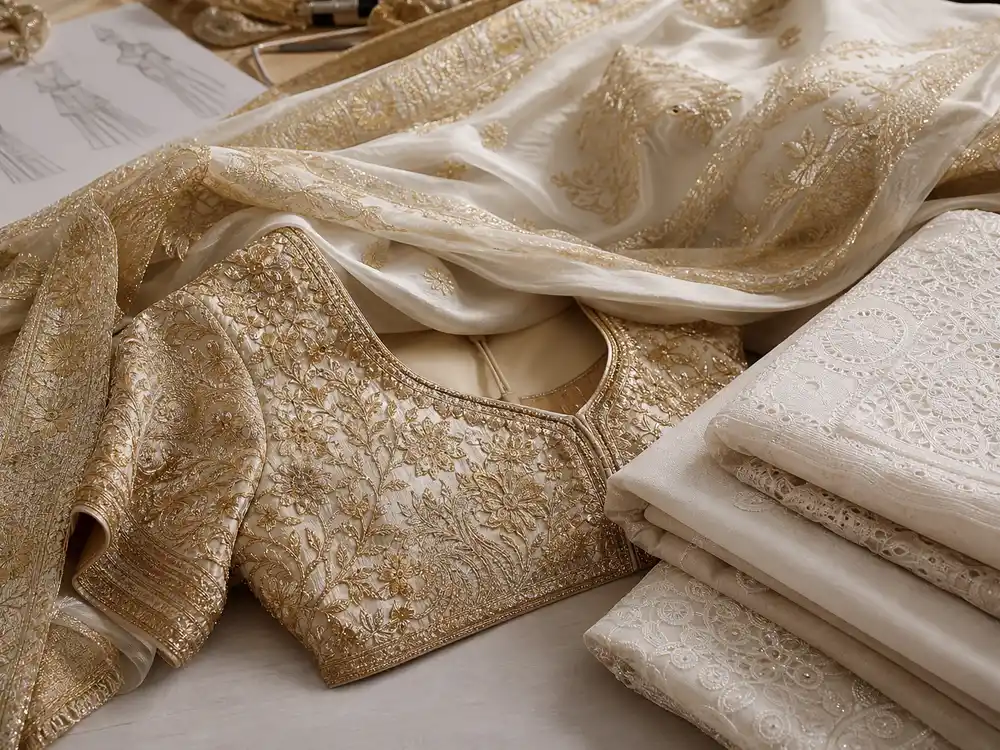
It is important to keep the wording fair. Similarity claims are not the same as confirmed copying. Fashion constantly references itself, and Indian couture has long used ivory, gold, chikankari-style embroidery and ornate blouse work. Still, red-carpet fashion is judged visually, and social media users often make those comparisons instantly. Once a look is framed as too close to a famous predecessor, the debate can overtake the outfit itself.
Why fans compared the look to Gigi Hadid’s Abu Jani saree
Gigi Hadid’s Abu Jani Sandeep Khosla saree became a major fashion image because it paired Indian couture craft with a global supermodel platform. It had the kind of visibility that makes later similarities hard to ignore. When Urvashi appeared in an ivory-and-gold saree look, many viewers immediately connected the two images, even if the construction, designer credits or styling context may differ.
The comparison also gained traction because it touched a sensitive point in fashion discourse: who gets credit for Indian craft, and how original does a high-profile red-carpet look need to feel? If a look references a celebrated earlier moment too closely, viewers can read it as derivative even when the wearer intended glamour rather than controversy. That is why critics used words like “copying claims” and “comparison” rather than treating the issue as a settled fact.
For Urvashi, the moment is a reminder that Cannes visibility cuts both ways. The red carpet can amplify a star’s best image, but it can also amplify skepticism. A look that might pass as simply ornate in another setting becomes a global debate when it appears at Cannes during a week when fashion watchers are actively scanning every detail.
How the internet judges red-carpet inspiration in real time
The internet has changed what a fashion risk means. In the past, a controversial look might be debated in magazines days later. Now, a dress is compared against years of archives before the official photo agencies have finished uploading. That creates a sharper environment for stylists. A reference can be praised as homage if it feels transformed, but criticized as copying if the transformation is not obvious enough.

This is also why Alia’s look and Urvashi’s look produced such different reactions. Alia’s styling gave fans a detail they could celebrate as culturally meaningful. Urvashi’s styling gave critics a reference point they could challenge. Both were visually strong enough to trend, but the emotional direction of the reaction was different.
For celebrities, the lesson is not to avoid inspiration. Fashion would be dull without references. The lesson is to make the reference feel unmistakably reworked. Cannes rewards drama, but it also rewards authorship. Viewers want to know why this star, why this look and why now.
Other Cannes 2026 fashion moments kept the feed moving
Alia and Urvashi are not the only names driving Cannes 2026 style chatter. The broader conversation has included Hande Ercel, Bella Hadid, Julianne Moore, Adriana Lima and Tara Sutaria, each bringing a different audience into the festival feed. Cannes thrives on that mix: Hollywood icons, international cinema names, models, Bollywood stars and digital-first fan communities all competing for attention on the same steps.
For USA-based celebrity readers, the Alia-Urvashi split is especially interesting because it shows how global fashion stories now travel across fan bases. A Cannes look can start in Indian entertainment media, get reframed by fashion watchdog accounts, then arrive on American social feeds as a broader debate about originality, cultural styling and celebrity image-making.
What it means for Indian fashion visibility at Cannes
The larger story is that Indian fashion is not sitting at the edge of Cannes coverage anymore. It is central to some of the festival’s most discussed moments. Alia’s nath look showed how traditional styling can be positioned as luxury, not novelty. Urvashi’s controversy showed that Indian couture references are now recognizable enough internationally that fans will defend, compare and debate them with intensity.
That visibility is good for designers, stylists and stars, but it also raises the standard. Audiences want credit, context and originality. They want to see Indian craft celebrated without being reduced to a costume or repeated without fresh perspective. Cannes 2026 has made that expectation very clear.
In the end, the viral fashion story is not simply “Alia won” and “Urvashi was criticized.” It is that the internet is becoming more fashion literate, more archival and more demanding. Red-carpet beauty still matters, but meaning matters too. At Cannes 2026, the looks that traveled furthest were the ones that gave fans something to interpret.
FAQs About Cannes 2026 Viral Fashion
Why is Cannes 2026 viral fashion trending?
Cannes 2026 viral fashion is trending because Alia Bhatt’s traditional nath styling drew major praise while Urvashi Rautela’s ivory-and-gold saree sparked copying claims online.
What was special about Alia Bhatt’s Cannes 2026 nath look?
Fans praised the way the ivory desi-fusion outfit mixed a sculpted corset, draped Indian styling, bindi, haathphool, payal and a traditional nath with Cannes red-carpet polish.
Did Urvashi Rautela copy Gigi Hadid at Cannes 2026?
That has not been definitively established. Fans and critics compared Urvashi Rautela’s ivory-and-gold saree look with Gigi Hadid’s earlier Abu Jani Sandeep Khosla saree and said the styling looked similar.
Which other stars are part of the Cannes 2026 fashion conversation?
The wider red-carpet conversation has also included names such as Hande Ercel, Bella Hadid, Julianne Moore, Adriana Lima and Tara Sutaria.
What is the main takeaway from the Cannes 2026 fashion debate?
The takeaway is that red-carpet fashion is now judged in real time: audiences celebrate cultural detail quickly, but they also compare silhouettes, references and styling history within minutes.
Sources and further reading: Times of India on Alia Bhatt’s nath look, Times of India on Urvashi Rautela’s copying row, and Vogue India on Alia Bhatt’s Cannes looks.