


In this article6 sections
- Christian Bale Weight Transformations: The Complete Movie-by-Movie Guide
- Medical Analysis: The Health Risks of Repeated Extreme Weight Changes
- The Psychological Toll of Repeated Extreme Transformations
- The Legacy: How Christian Bale Changed What Hollywood Expects
- Related from USA Celebs
- Frequently Asked Questions
Christian Bale weight transformations represent the most extreme body-modification career in Hollywood history. No other actor has oscillated between such radical physical states — from a skeletal 120 pounds in The Machinist to a muscular 220 pounds for Batman Begins, and back again through multiple cycles for films including The Fighter, American Hustle, Vice, and Ford v Ferrari. Bale’s commitment to physical transformation has earned him both Academy Awards and genuine concern from medical professionals who view his repeated extreme changes as a case study in the dangerous demands of method acting.
What distinguishes Bale from other actors who transform for roles is the sheer range and frequency of his changes. While many performers gain or lose 20-30 pounds for a single film, Bale has repeatedly swung through 60-100 pound fluctuations, sometimes within a single year. His body has become as much a storytelling instrument as his face and voice — a canvas he reshapes with a dedication that borders on compulsion and continues to fascinate audiences, fellow actors, and medical experts alike.
Christian Bale Weight Transformations: The Complete Movie-by-Movie Guide
The Machinist (2004) — 120 Pounds
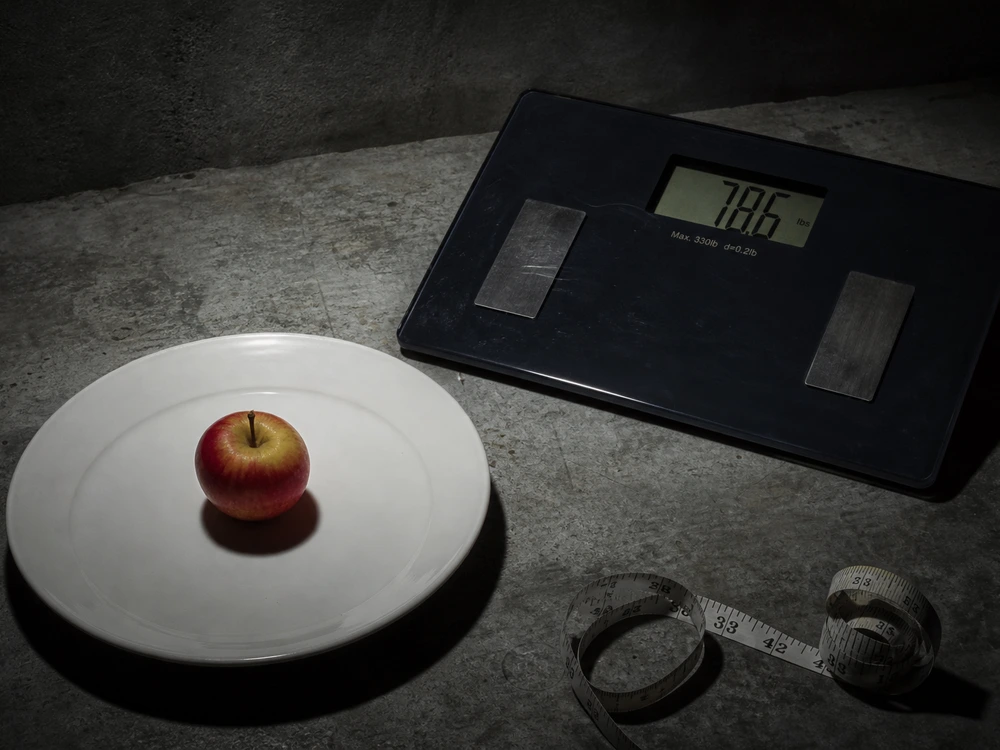
The transformation that made Bale a legend in the body-modification space was his preparation for The Machinist. Playing insomniac factory worker Trevor Reznik, Bale dropped from his natural weight of approximately 183 pounds to a gaunt 120 pounds — a staggering 63-pound loss that reduced him to a skeletal figure with visible ribs, sunken cheeks, and protruding joints. Reports indicate he actually wanted to reach 100 pounds but was stopped by producers and medical advisors who feared for his life.
Bale’s diet during this period reportedly consisted of a single can of tuna fish and an apple per day — roughly 260 calories. He supplemented with black coffee and cigarettes. The result was a haunting physical performance that made the character’s psychological deterioration viscerally real. Medical experts have estimated that Bale’s body fat percentage during filming was in the 5-7% range, a level that is clinically dangerous and associated with organ stress, hormonal disruption, and immune suppression.
Batman Begins (2005) — 220 Pounds
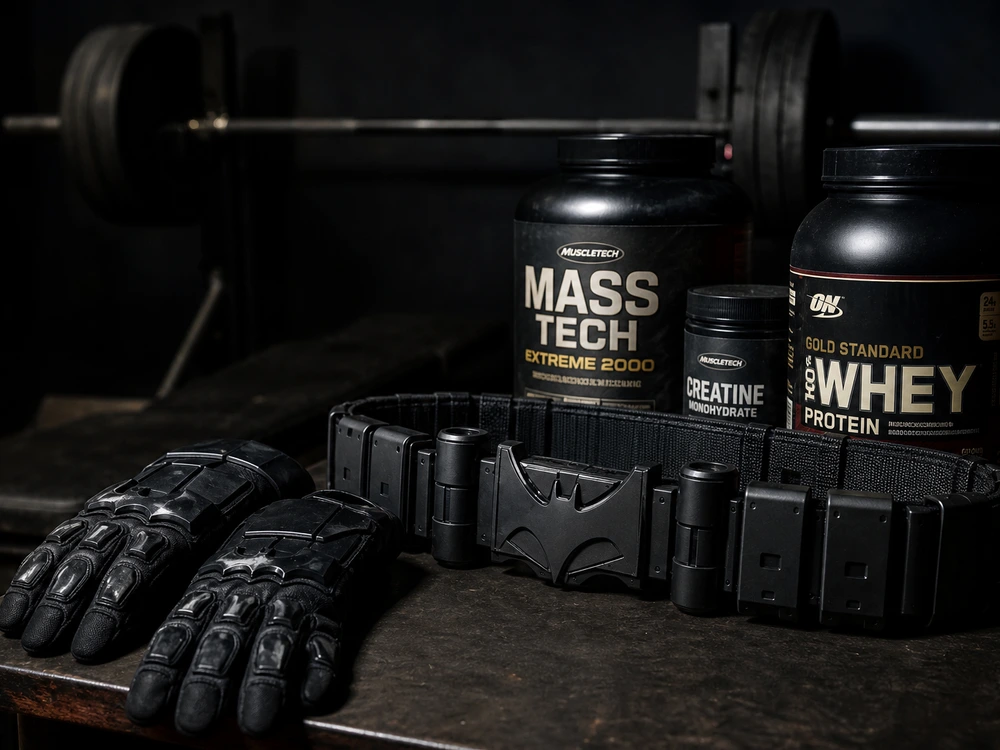
Perhaps the most remarkable single transformation in cinema history occurred in the six months between wrapping The Machinist and beginning production on Batman Begins. Bale needed to gain approximately 100 pounds to portray Bruce Wayne. Working with intensive nutritional support and weight training, he actually overshot his target, reaching around 228 pounds before director Christopher Nolan asked him to lean down to 220 pounds for the role.
The speed of this gain — 100 pounds in roughly six months — pushed the boundaries of what exercise physiologists considered possible without pharmaceutical assistance. Bale has maintained that his transformation was achieved through extreme caloric surplus and intense training alone, though the medical community has noted that such rapid lean-mass acquisition is extraordinarily unusual.
The Fighter (2010), American Hustle (2013), Vice (2018)
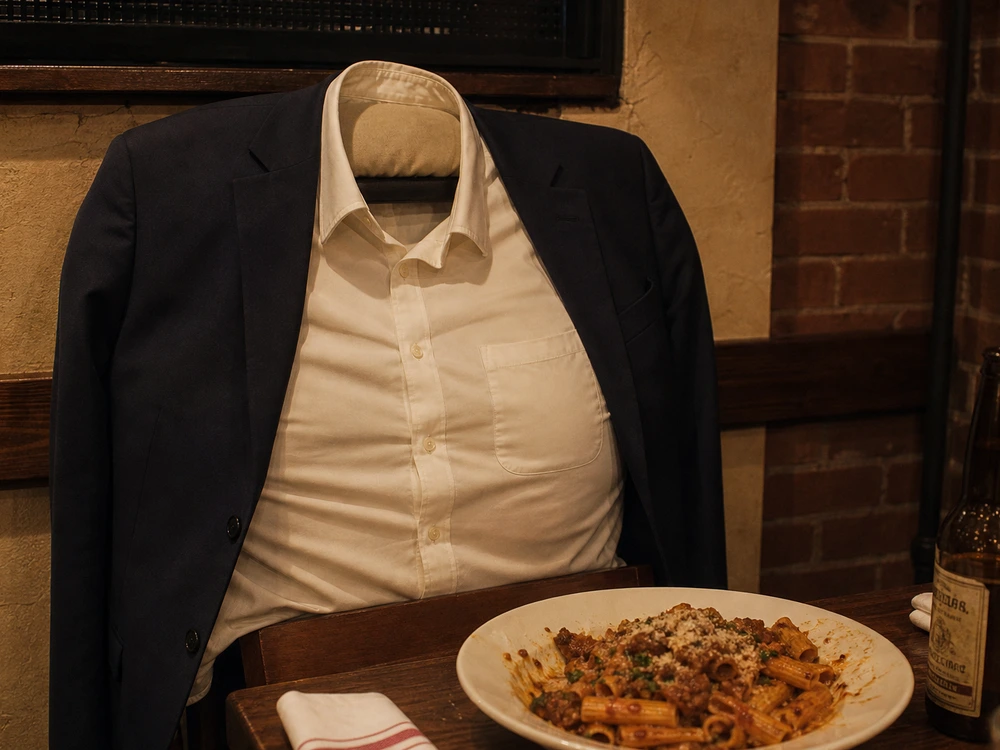
The cycle continued with devastating regularity. For The Fighter, Bale dropped to approximately 145 pounds to play crack-addicted boxer Dicky Eklund, earning him the Academy Award for Best Supporting Actor. For American Hustle, he gained roughly 40 pounds and adopted a pronounced comb-over to play a 1970s con artist. And for Vice, he gained approximately 40 pounds, shaved his head, and bleached his eyebrows to transform into former Vice President Dick Cheney — a performance that earned him his fourth Oscar nomination.
After Vice, Bale publicly suggested he was finished with extreme transformations, citing age-related health concerns. He reportedly experienced heart palpitations during the Vice production and was advised by doctors that his body could no longer safely sustain the metabolic stress of repeated dramatic weight changes. For Ford v Ferrari, which followed shortly after, he leaned down but through a less extreme protocol than his earlier films had demanded.
Medical Analysis: The Health Risks of Repeated Extreme Weight Changes
Endocrinologist Dr. Robert Lustig has described Bale’s career of transformations as “a textbook demonstration of the metabolic consequences of repeated weight cycling.” Each dramatic loss and gain stresses the endocrine system, potentially affecting thyroid function, testosterone levels, insulin sensitivity, and cardiovascular health. The rapid weight changes can also impact bone density, liver function, and mental health.
What makes Bale’s case particularly notable from a medical perspective is the frequency and magnitude of changes. While a single weight loss or gain of 30-40 pounds is common among actors, the repeated cycling through 60-100 pound swings over two decades creates cumulative metabolic damage that becomes increasingly difficult to reverse. Bale’s reported heart palpitations during Vice filming suggest his body was beginning to signal the limits of what it could tolerate.
Christian Bale weight transformations remain the gold standard — or perhaps the cautionary tale — of physical commitment to acting. His legacy in this area is unmatched, but the health costs illuminate a darker conversation about the expectations placed on performers and the point at which artistic dedication crosses into medical risk. As the actor enters his 50s, the question is no longer what he can do to his body, but what his body has endured for art.
The Psychological Toll of Repeated Extreme Transformations
Beyond the physical health implications, psychologists who specialize in performers’ mental health have raised concerns about the psychological impact of repeated extreme body modification. The identity disruption that comes from repeatedly inhabiting radically different body types — feeling skeletal one year and massive the next — can affect an actor’s sense of self, body image, and relationship with food in ways that persist long after the camera stops rolling.
Bale has acknowledged experiencing periods of disordered eating during extreme preparation phases, though he has been characteristically private about the specifics. The controlled starvation required for The Machinist and The Fighter — subsisting on hundreds of calories for weeks at a time — mirrors clinical descriptions of anorexia nervosa, while the forced overeating for Batman and Vice shares characteristics with binge eating. That these behaviors are medically supervised and artistically motivated does not eliminate their potential for lasting psychological impact.
Performance psychologist Dr. Kate Hays has noted that method actors who undergo extreme physical transformation may develop what she terms “role-dependent body image” — a condition where self-worth becomes tied to the ability to physically become another person. For Bale, whose identity as an actor is deeply intertwined with his willingness to transform, stepping back from extreme changes required a fundamental reassessment of what it means to be committed to his craft without being consumed by it.
The Legacy: How Christian Bale Changed What Hollywood Expects
The influence of Christian Bale weight transformations on the film industry extends far beyond his own career. His willingness to undergo extreme physical changes for roles raised the bar — or lowered it, depending on your perspective — for what studios and directors expect from leading actors. In the years following his Machinist-to-Batman transition, dramatic body transformations became almost expected for serious dramatic roles, with actors like Jared Leto, Matthew McConaughey, Charlize Theron, and Renee Zellweger all undertaking significant physical changes.
This cultural shift has drawn criticism from actors’ unions and medical professionals alike. SAG-AFTRA has explored guidelines around extreme physical demands in contracts, though formal regulations remain limited. The argument centers on a fundamental tension: actors are artists who should have the freedom to transform for their craft, but employers should not normalize health-endangering body modifications as a condition of employment.
Bale himself has offered a nuanced view on this legacy. While he has expressed no regret for his performances — the roles produced some of the most critically acclaimed work of his generation — he has acknowledged that his example may have encouraged other actors to take risks their bodies cannot safely sustain. The question of where artistic dedication ends and self-harm begins remains one of the most complex ethical discussions in contemporary filmmaking.
Medical professionals who have studied the cumulative effects of repeated extreme weight cycling point to elevated risks of gallstone formation, metabolic syndrome, cardiovascular strain, and psychological impacts including disordered eating patterns. For Bale specifically, the heart palpitations during Vice represented a clinical warning that his body’s tolerance for these cycles had been exceeded. His subsequent moderation has been wise from a medical standpoint, even as audiences continue to marvel at — and search for — the full chronicle of his physical transformations.
Ultimately, the Christian Bale weight transformations story is one of extraordinary talent, extreme dedication, and a growing awareness of limits. His career represents both the pinnacle of physical acting and a cautionary monument to the costs of pursuing it. For aspiring actors, fitness enthusiasts, and casual admirers alike, his story offers the same dual message: the human body is capable of astonishing change, and that capability deserves respect, not exploitation.
Frequently Asked Questions
How much weight did Christian Bale lose for The Machinist?
Christian Bale lost approximately 63 pounds for The Machinist, dropping from his natural weight of around 183 pounds to a skeletal 120 pounds — a 34% reduction in body weight.
How did Christian Bale gain weight for Batman after The Machinist?
Bale gained approximately 100 pounds in about six months by working with nutritionists and trainers, moving from 120 pounds to over 220 pounds through an intensive combination of weight training and high-calorie eating.
How much weight did Christian Bale gain for Vice?
Christian Bale gained approximately 40 pounds to portray Dick Cheney in Vice, reaching around 225 pounds. He also shaved his head, bleached his eyebrows, and wore prosthetic makeup.
Is Christian Bale the most extreme body transformer in Hollywood?
Christian Bale is widely regarded as the most extreme body transformer in Hollywood history. No other actor has undergone as many dramatic weight changes across as many films.
Has Christian Bale said he will stop transforming for roles?
After Vice, Bale indicated he was done with extreme transformations, citing health concerns as he aged. However, he continued to physically modify his appearance for subsequent roles, though less drastically.
How much weight did Christian Bale lose for The Machinist?
He lost approximately 63 pounds, dropping from 183 to 120 pounds.
How did Christian Bale gain weight for Batman after The Machinist?
He gained about 100 pounds in six months through intensive nutrition and weight training.
How much weight did Christian Bale gain for Vice?
He gained approximately 40 pounds to portray Dick Cheney.
Is Christian Bale the most extreme body transformer in Hollywood?
Yes, widely regarded as the most extreme body transformer in film history.
Has Christian Bale said he will stop transforming for roles?
After Vice he indicated he was done with extreme changes, citing health concerns.