

In this article8 sections
- Cannes Red Carpet Rules and Dress Code: Black-Tie Evening Standard
- The 2015 Heel Controversy and Flat-Shoe Headlines
- Festival Steps Protocol: Badges, Timing, and the Montée des Marches
- Photographers on the Steps: Risers, Pools, and Flash Rules
- Palme d'Or Night and Closing Ceremony: Strictest Formal Tier
- Daytime vs. Evening: When Rules Relax Slightly
- How Cannes Compares to Venice, Oscars, and Met Gala Protocol
- Explore More Cannes and Awards Coverage
Cannes red carpet rules and dress code govern the most photographed climb in world cinema: the Montée des Marches at the Palais des Festivals, where the Festival de Cannes enforces evening formalwear, accreditation checks, and step-by-step protocol long before cameras capture a premiere. This guide explains black-tie expectations for men and women, the 2015 heel-versus-flat controversy that made global headlines, how press photographers occupy tiered risers beside the carpet, and the security choreography that routes stars, directors, and jury members up the famous stairs. We cite official festival communications and major trade reporting; we cover ceremony rules and history — not individual outfit breakdowns (Pillar F owns “what did X wear” fashion analysis). Pair ceremony protocol with our Cannes Film Festival 2026 winners list hub. Palme d’Or night sets the strictest dress standard — see every winner in our Palme d’Or winners list by year archive.
Confusion usually hits when a guest assumes Cannes works like a Hollywood premiere with relaxed street-style arrivals. Cannes red carpet rules and dress code instead treat each Competition or Un Certain Regard screening as a black-tie gala: tuxedos or formal dark suits for men, floor-length evening gowns for women at night premieres, and visible festival badges matched to invitation lists. Miss the dress standard or the timing window and security can delay — or deny — a climb that billions watch on live streams each May. Understanding the rules separates protocol surprises from the deliberate glamour the festival has cultivated since the postwar Palme d’Or era.

Cannes Red Carpet Rules and Dress Code: Black-Tie Evening Standard
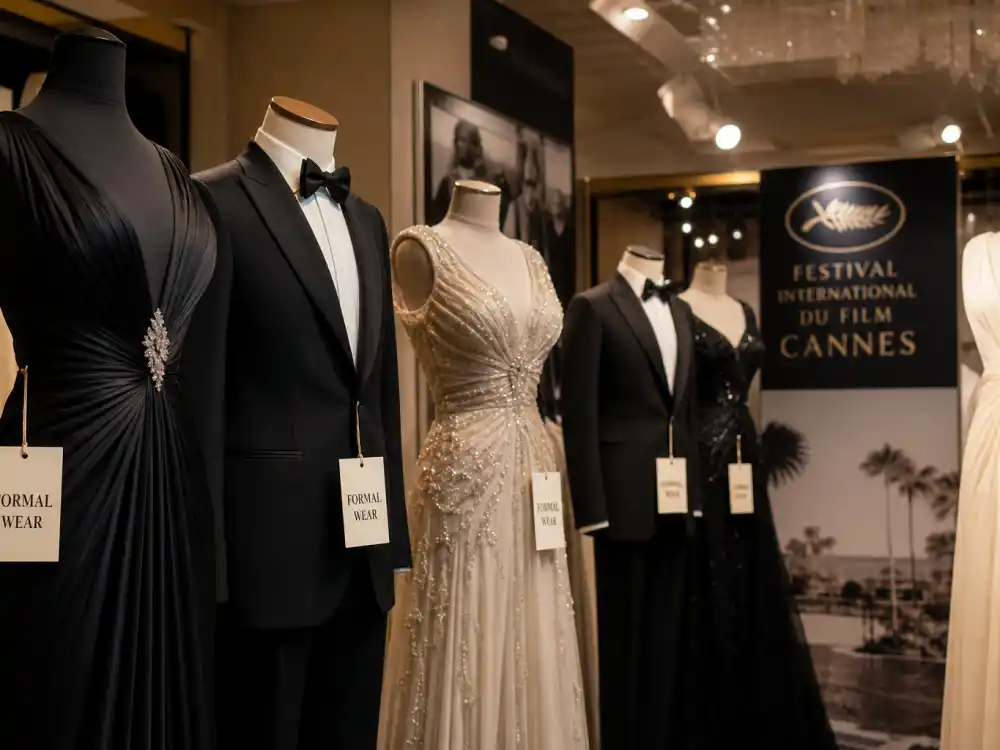
The headline rule in every Cannes red carpet rules and dress code briefing is simple: evening screenings demand black tie. Men traditionally wear tuxedos, bow ties, and polished formal shoes; women wear elegant floor-length evening gowns — not cocktail-length dresses, not resort sundresses, and not casual separates. Daytime press conferences allow business-formal tailoring, but the red carpet steps at night are a different category entirely.
Festival ushers and security staff visually inspect arrivals before the climb. Denim, sneakers, shorts, and obvious casual resort wear fail the standard even when the wearer holds a valid badge. Cannes red carpet rules and dress code therefore start in the wardrobe suite, not at the rope line — stylists plan for protocol compliance first and photo impact second, a distinction our Pillar F siblings cover when analyzing specific celebrity looks.
The 2015 Heel Controversy and Flat-Shoe Headlines
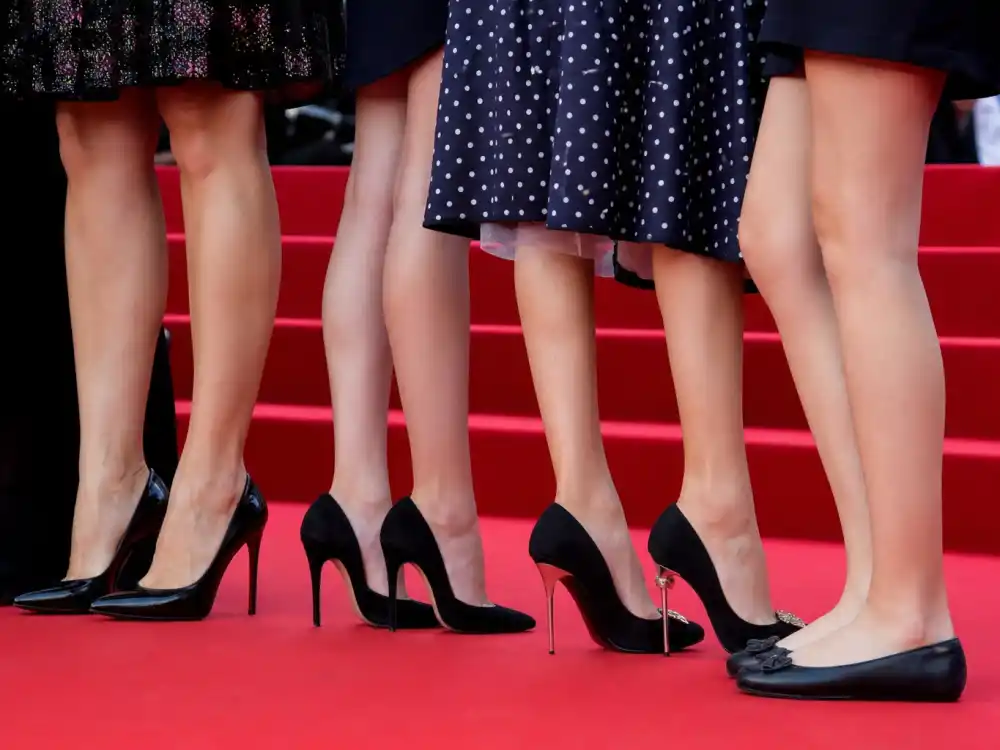
No chapter in modern Cannes red carpet rules and dress code history looms larger than May 2015, when multiple reports said festival security turned away women wearing flat shoes or rhinestone-adorned flats on the steps. Social media erupted; actresses and industry figures criticized what looked like a mandatory heel-height policy. The Festival de Cannes quickly stated there was no official rule requiring high heels — only that women should dress in formal evening wear appropriate to red-carpet premieres.
The incident still reshaped public understanding of Cannes red carpet rules and dress code. Even without a codified heel height, enforcement at the rope line felt uneven, and the story cemented Cannes as fashion’s strictest major carpet. Today, flats appear on the steps when styled as formal evening shoes within an otherwise compliant gown look — but guests who test the boundary in casual footwear still risk delays. The controversy belongs in protocol history, not outfit ranking.
Festival Steps Protocol: Badges, Timing, and the Montée des Marches
Cannes red carpet rules and dress code extend beyond fabric and heel height into pure logistics. Every climb requires:
- Festival accreditation matched to the specific screening invitation
- Assigned arrival windows so premieres begin on schedule
- Visible badge display checked by security before the velvet ropes open
- Step order coordinated by ushers — delegation heads, jury, cast, and directors in festival-approved sequences
- Photography pauses at marked zones before guests enter the Palais
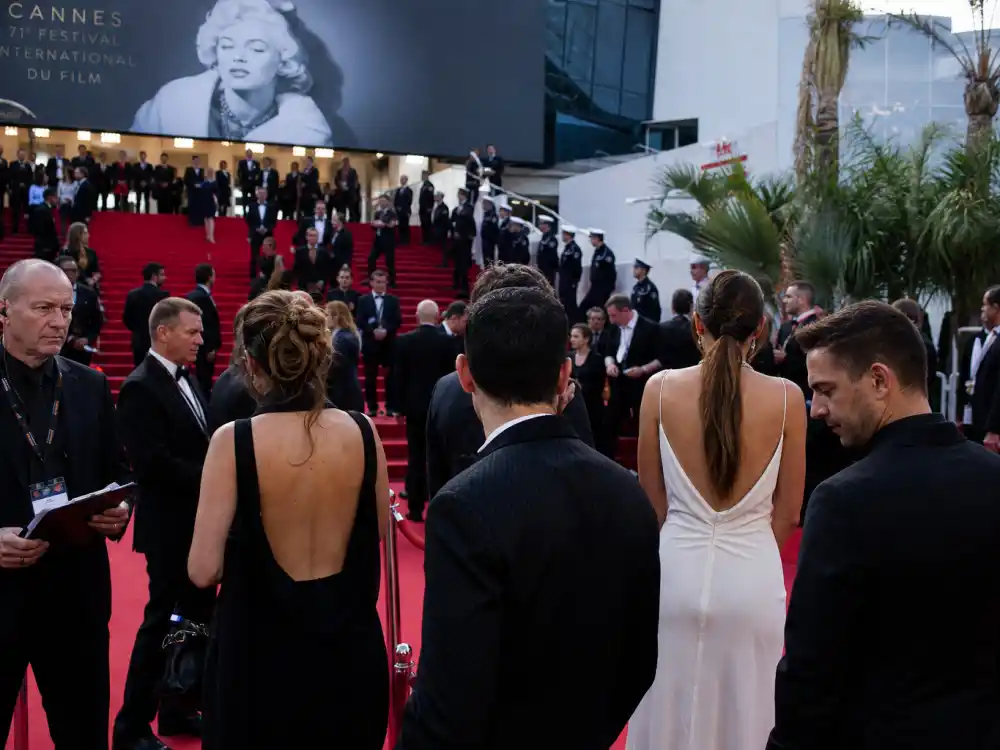
The Montée des Marches is not a free-form photo moment; it is a timed ceremony. Cannes red carpet rules and dress code training for publicists emphasizes arriving early, badge forward, and gown hems clear of the stairs. Late arrivals can miss the photographers’ peak window or the seating cutoff — a protocol failure that no stylist can fix on the steps themselves.
Photographers on the Steps: Risers, Pools, and Flash Rules
Press coverage follows its own Cannes red carpet rules and dress code adjacent to the guest protocol. Photographers occupy tiered risers flanking the carpet, organized by accreditation color and agency pool. Festival house photographers shoot from fixed positions; wire services and magazine teams compete for timed arrival bursts when each delegation pauses on the marked zone.
Flash policies, lens-length restrictions, and riser assignments change slightly year to year but always prioritize safety on the narrow staircase. Cannes red carpet rules and dress code for media mean dark formal tailoring for many photographers — blending into the black-tie visual field — and no stepping off risers onto the guest carpet. The result is the symmetrical wall-of-cameras image viewers recognize worldwide: guests centered, lenses angled upward from both sides.

Palme d’Or Night and Closing Ceremony: Strictest Formal Tier
Within Cannes red carpet rules and dress code, two nights raise the bar highest: Palme d’Or award evening and the closing ceremony. Competition jury members, final-night presenters, and Palme contenders arrive in the season’s most formal black-tie looks — often couture gowns and classic tuxedos without the experimental daytime concessions seen at some out-of-competition premieres.
These evenings also concentrate the largest global audience, so security tightens badge checks and step timing. Cannes red carpet rules and dress code on Palme night intersect with trophy history — compare our Palme d’Or winners archive and the live Cannes 2026 winners hub for ceremony outcomes once envelopes open. Fashion analysis of specific gowns remains Pillar F territory; this guide stays on protocol.

Daytime vs. Evening: When Rules Relax Slightly
Cannes red carpet rules and dress code are not identical across every festival event. Daytime press conferences and photocalls often allow sharp tailoring, midi dresses, and polished separates — still formal by general standards, but not the floor-length gown requirement of evening steps. Evening premieres and galas revert to strict black tie on the carpet.
Guests who confuse the two schedules risk arriving underdressed for a night screening or overdressed for a midday photocall. Publicists track the daily grid — Competition, Un Certain Regard, Out of Competition, and special screenings each carry their own invitation tier. Cannes red carpet rules and dress code checklists should always note the screening time before the wardrobe call.
How Cannes Compares to Venice, Oscars, and Met Gala Protocol
Cannes red carpet rules and dress code sit among the strictest in global cinema, but the details differ from sibling events. Venice’s Lido carpet enforces formal evening wear with a slightly different staircase geometry; the Oscars Dolby Theatre carpet follows Academy timing with its own press-pen layout; the Met Gala adds thematic dress codes unrelated to Cannes black tie. Cannes uniquely ties dress compliance to individual screening invitations rather than a single awards-night arrival — meaning a guest can climb the steps one night and sit out the next if their badge does not match.
That per-screening gate explains why Cannes red carpet rules and dress code feel relentless across twelve festival days: the standard resets at every premiere, not once per ceremony.
Explore More Cannes and Awards Coverage
- Live Palme results in our Cannes Film Festival 2026 winners list hub.
- Trophy history in our Palme d’Or winners list by year archive.
- Visit our Awards section for ceremony records, ranked guides, and festival explainers.