

In this article12 sections
- Marlon Brando Declined Oscar Story: What Happened on March 27, 1973
- Why Brando Won — and Why He Chose Protest That Night
- Littlefeather's Statement and Brando's 15-Page Letter
- George C. Scott Declined First — Patton in 1971
- Immediate Fallout: Press, Academy Rules, and Public Reaction
- The Academy's 2022 Apology to Sacheen Littlefeather
- Posthumous Ancestry Dispute (2022–2023)
- Where the Refusal Sits in Oscar History
- Legacy: Activism, Awards Shows, and Representation
- Timeline: Marlon Brando Declined Oscar — Key Dates
- Why This Story Still Matters in 2026
- Explore More Awards Coverage
Marlon Brando declined Oscar story — Marlon Brando declined Oscar acceptance on March 27, 1973, when he won Best Actor for The Godfather at the 45th Academy Awards — and sent Apache activist Sacheen Littlefeather to the Dorothy Chandler Pavilion stage in his place. Her roughly 60-second statement protested Hollywood’s treatment of Native Americans and drew attention to the Wounded Knee occupation then underway on the Pine Ridge Reservation. The moment produced boos and applause from the black-tie audience, a 15-page statement Brando published afterward, and decades of debate about whether the stunt advanced indigenous rights or overshadowed them. Nearly 50 years later, the Academy issued a formal apology to Littlefeather in 2022 — followed by a posthumous dispute over her claimed Native ancestry that her sisters reportedly challenged in press accounts. This history deep-dive explains why Marlon Brando declined Oscar, what happened that night, and how the refusal fits beside George C. Scott’s earlier Patton rejection.
We built this guide from Academy ceremony records, contemporaneous reporting in The New York Times and trade press, the Academy Museum’s 2022 apology program, and official Best Actor voting results. For companion reading, see our Best Actor Oscar winners list by year, biggest Oscar upsets in history, and how are Oscar winners chosen voting explained guide. This is awards history — not red-carpet outfit analysis.
Marlon Brando Declined Oscar Story: What Happened on March 27, 1973
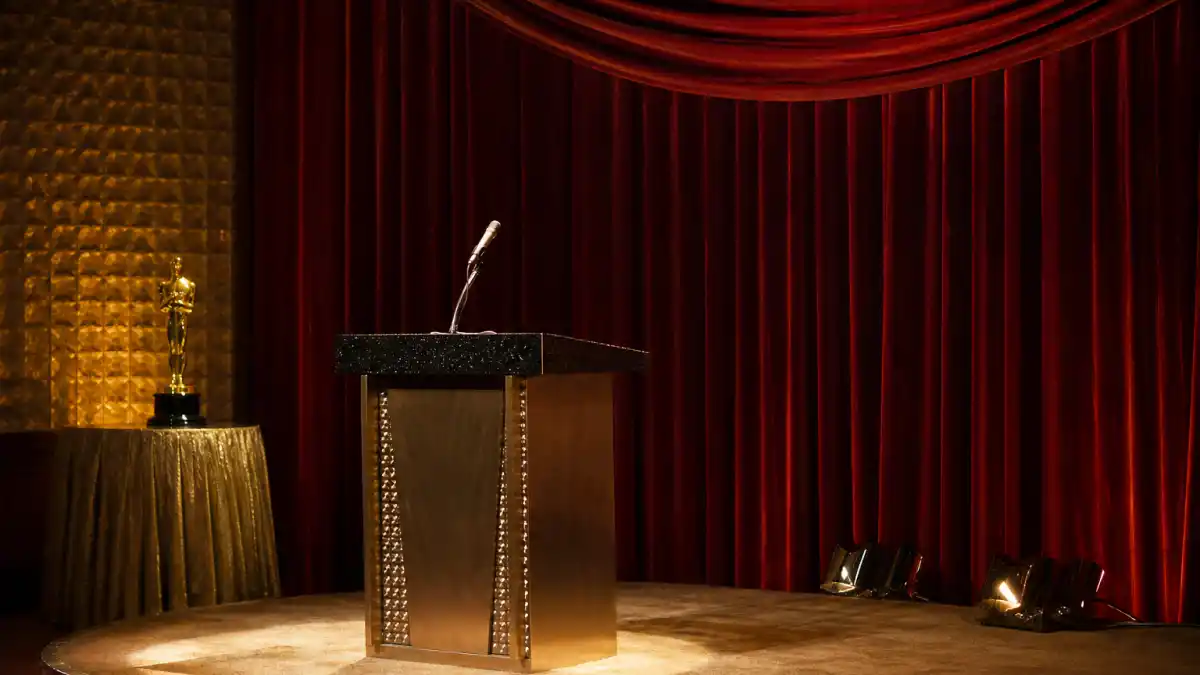
At the 45th Academy Awards, presenter Raquel Welch and a tuxedoed co-presenter opened the Best Actor envelope and announced Marlon Brando as the winner for his portrayal of Vito Corleone in Francis Ford Coppola’s The Godfather. Brando was not in the building. Instead, Sacheen Littlefeather — then 26, an actress and activist who said she was of Apache and Yaqui heritage — walked to the microphone in a buckskin dress and declined the statuette on Brando’s behalf.
Littlefeather told the audience that Brando “very regretfully cannot accept this very generous award” because of “the treatment of American Indians today by the film industry.” She referenced the standoff at Wounded Knee, where members of the American Indian Movement and Oglala Lakota activists were confronting federal authorities. Academy officials reportedly warned her she would be removed if she spoke longer than 60 seconds; she finished within that limit. Some audience members applauded; others booed. Actor John Wayne, backstage and reportedly restrained from confronting her, embodied the division the moment exposed on live ABC television.
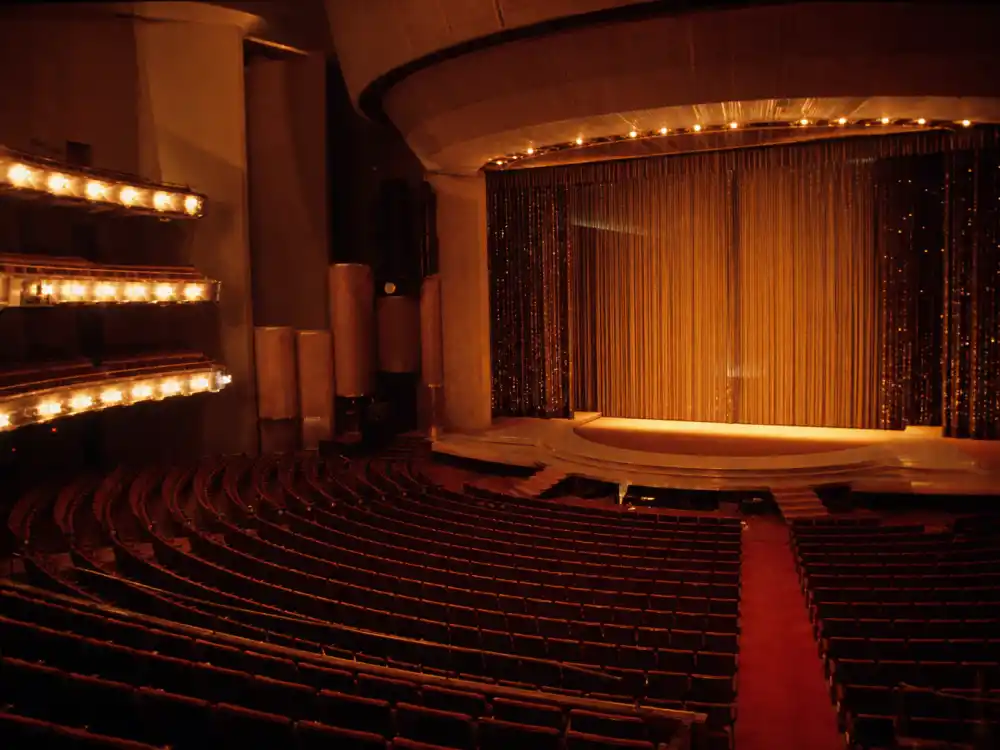
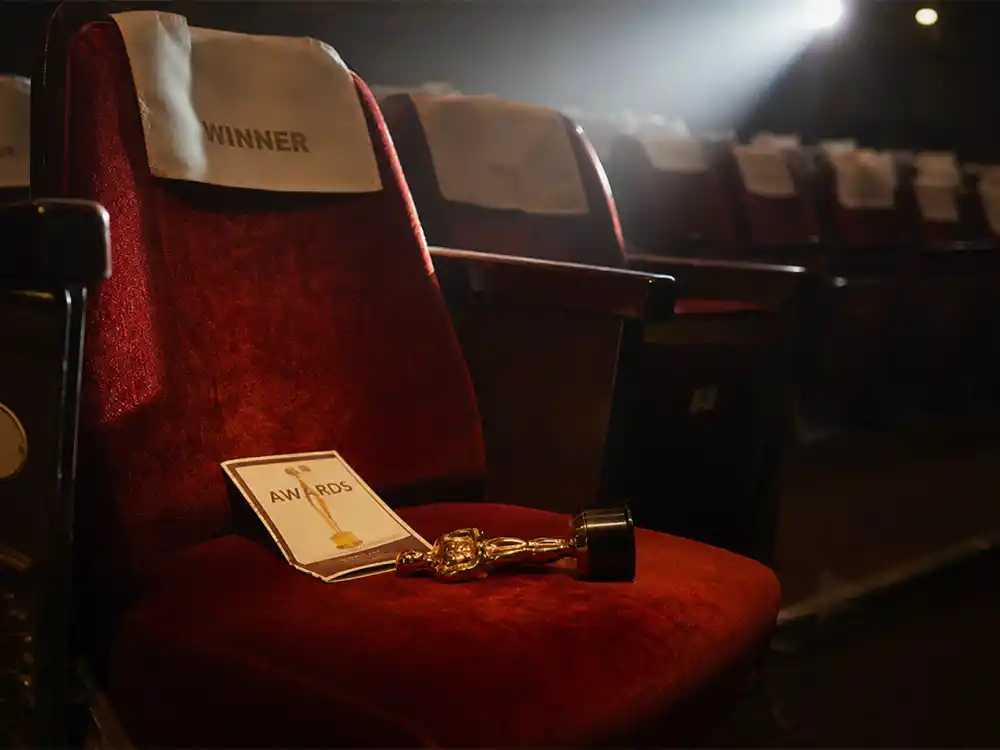
Marlon Brando declined Oscar acceptance in the most visible way possible — not a mailed press release, but a proxy on a globally televised stage. The statuette went unclaimed. Brando’s empty seat in the auditorium became a visual shorthand for protest at an institution that had long celebrated Westerns filled with stereotyped indigenous characters while rarely honoring Native filmmakers or performers.
Why Brando Won — and Why He Chose Protest That Night
Brando entered the 1973 race as a formidable favorite. His transformation into the aging Corleone patriarch — whispered diction, physical stillness, and volcanic authority — anchored a film that redefined the gangster genre and dominated the box office. He competed against Michael Caine for Sleuth, Peter O’Toole for The Ruling Class, Paul Winfield for Sounder, and Laurence Olivier for The Boy Friend. When Marlon Brando declined Oscar acceptance, he did so as the consensus winner of the year’s most prestigious acting prize — not as a long-shot using the podium for surprise attention.
His political engagement with Native rights was not invented for Oscar night. Brando had spent months meeting with activists, reading about treaty violations, and discussing how cinema reinforced harmful myths. The Wounded Knee occupation, which began in February 1973, intensified his urgency. Sending Littlefeather was a calculated alliance between a megawatt movie star and indigenous organizers seeking mainstream coverage. Critics then and now argue over whether the gesture helped or hurt — but the record is clear that Marlon Brando declined Oscar deliberately, with prepared remarks and a written backup statement ready for publication.
Littlefeather’s Statement and Brando’s 15-Page Letter
Littlefeather’s onstage remarks were brief; Brando’s written argument was expansive. The next day, The New York Times published his full statement — widely reported as roughly 15 pages — detailing how Hollywood had misrepresented Native people and how federal policy continued to harm indigenous communities. He linked the glamour of the Academy Awards to the suffering at Wounded Knee, asking readers to refuse comfortable ignorance.
The statement’s tone mixed moral indictment with specific policy critique. Brando named films that trafficked in stereotypes and argued that children’s programming perpetuated the same harm. He acknowledged that some would dismiss the protest as celebrity vanity, but insisted silence was complicity. For researchers tracing why Marlon Brando declined Oscar, the published letter is as important as the 60-second interruption — it shows the refusal was not an impulsive no-show but a coordinated communications strategy.
George C. Scott Declined First — Patton in 1971
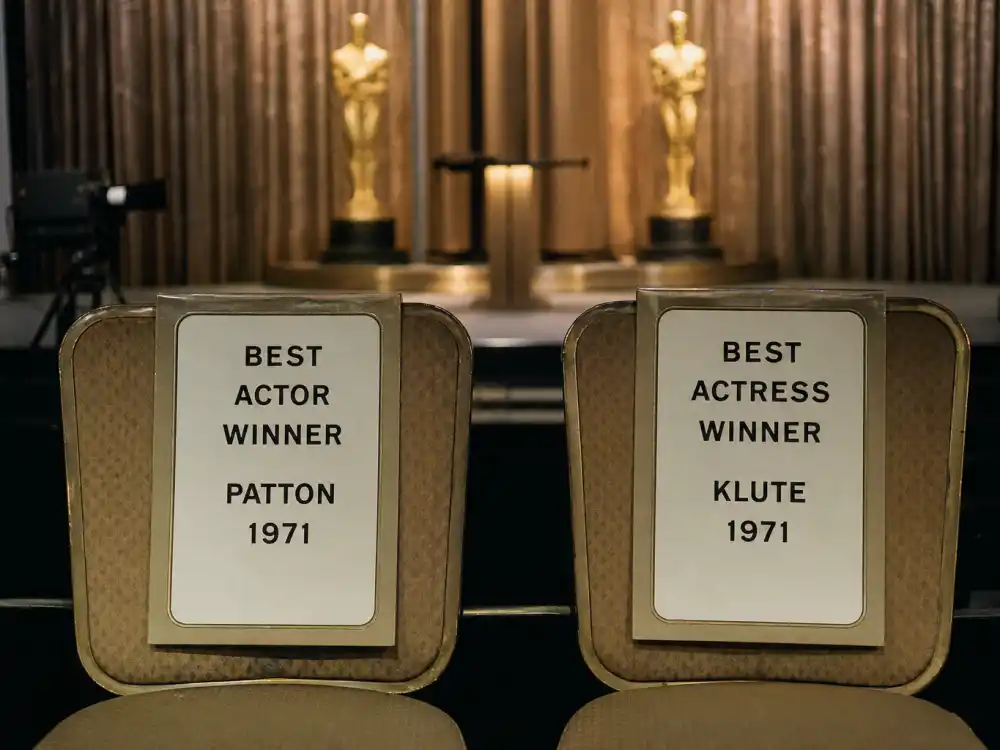
Marlon Brando declined Oscar in 1973, but he was not the first winner to reject the prize. George C. Scott had refused his 1971 Best Actor Oscar for Patton, calling the telecast a degrading “two-hour meat parade” and stating he would not attend whether he won or lost. When his name was called, presenter Goldie Hawn announced the winner to an empty seat; the statuette remained at the ceremony.
Scott’s refusal was ideological — an attack on competitive acting awards as a whole. Brando’s refusal was issue-specific — leveraging a win to spotlight indigenous rights and Wounded Knee. Both men won playing authoritative patriarchs in landmark films. Both forced the Academy to hand a trophy to nobody on live television. Yet Marlon Brando declined Oscar with a surrogate speaker, escalating the format from absence to public debate. Readers comparing refusals should hold both records together: Scott opened the door; Brando walked through it with cameras rolling and a movement ally at the microphone.
Immediate Fallout: Press, Academy Rules, and Public Reaction
Hollywood trade papers and national outlets dissected the protest for weeks. Some praised Brando for risking ridicule to elevate a neglected crisis; others accused him of exploiting Native suffering for publicity while keeping the spotlight on himself. Littlefeather reported professional retaliation — fewer auditions, industry coldness — in interviews she gave across subsequent decades. The Academy, embarrassed on its biggest night, reportedly tightened protocols around acceptance speeches and winner representatives.
Television ratings and water-cooler conversation ensured the moment’s longevity. For a generation, “Marlon Brando declined Oscar” became shorthand for celebrity activism at awards shows — a template later echoed whenever winners used speeches for political causes. Whether that legacy helped indigenous communities secure tangible policy wins remains contested among historians and activists; the ceremony impact itself is not.
The Academy’s 2022 Apology to Sacheen Littlefeather
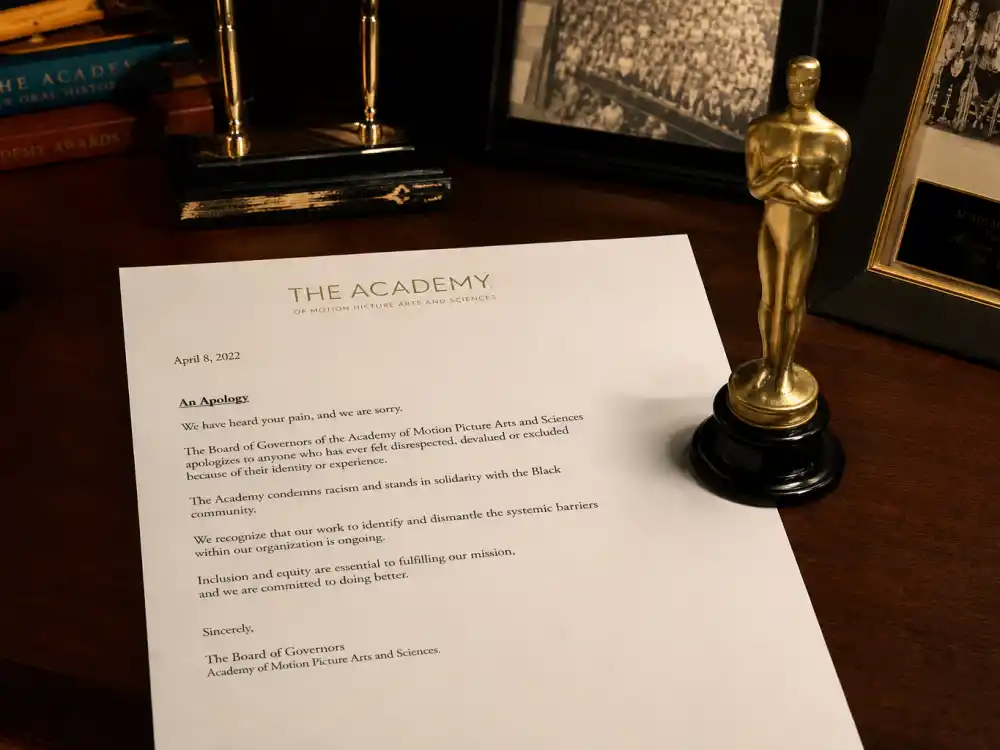
On Sept. 17, 2022, the Academy of Motion Picture Arts and Sciences hosted “An Evening with Sacheen Littlefeather” at the Academy Museum in Los Angeles. The institution read a formal apology letter acknowledging the abuse Littlefeather endured after the 1973 ceremony and the historical harm the industry inflicted on indigenous peoples. Littlefeather, then 75 and living with metastatic breast cancer, attended and responded that the apology was “long overdue” and that indigenous people “need to keep our voices heard.”
The event reframed Marlon Brando declined Oscar not as ancient trivia but as unfinished business. Museum programming, land acknowledgments, and diversity initiatives the Academy promoted in the 2020s stood in contrast to the booing heard in 1973. Supporters hailed the apology as accountability; skeptics called it performative without reparative funding or structural hiring reform. Either way, the 2022 ceremony at the Museum linked directly to the night Brando stayed home and Littlefeather faced the crowd alone.
Posthumous Ancestry Dispute (2022–2023)
Littlefeather died on Oct. 2, 2022, weeks after the Academy event. In the months that followed, investigative journalists and her sisters reportedly challenged her long-standing claims of Apache and Yaqui ancestry. Her sisters, Rosalind Cruz and Trudy Orlandi, told press outlets including The San Francisco Chronicle that family genealogy records showed no Native heritage — describing her identity presentation, in their account, as misleading. Other researchers and defenders argued identity is complex and that her activism’s value should not be erased by posthumous disputes.
USA Celebs reports this debate neutrally: her sisters claimed one narrative; supporters and some Native scholars contested the framing. Marlon Brando declined Oscar history now carries an epilogue Littlefeather did not live to fully address. Readers should separate three layers — the 1973 protest’s immediate aims, the Academy’s institutional response, and the contested biographical claims that emerged after her death — without collapsing them into a single verdict.
Where the Refusal Sits in Oscar History
Best Actor winners lists place Brando’s Godfather victory squarely in the 1973 row — but the acceptance column remains unique. Our Best Actor Oscar winners list by year documents every honoree from the 1st Academy Awards forward; Brando’s win is official even though he never touched the trophy that night. Readers tracing upsets and surprises should also browse biggest Oscar upsets in history, where political interruptions and unexpected winners share space with Brando’s empty chair.
Marlon Brando declined Oscar during a ceremony that also crowned The Godfather as Best Picture (shared with Cabaret in a split year depending on accounting — Best Picture went to The Godfather while Cabaret won the most awards). The juxtaposition mattered: Hollywood’s crowning achievement in craft sat beside its most famous rejection of the industry’s self-congratulation. For voters’ mechanics — how Brando even reached the envelope — see our how are Oscar winners chosen voting explained breakdown.
Legacy: Activism, Awards Shows, and Representation
Every time a winner pivots from thank-yous to geopolitics, producers recall 1973. Marlon Brando declined Oscar and proved the podium travels farther than the press room. The cost fell disproportionately on Littlefeather — a young woman facing a hostile room without Brando beside her. Modern conversations about allyship often cite that imbalance: who speaks, who stays safe at home, who bears the boos.
Indigenous representation in film remained limited for decades after 1973, though activists and filmmakers continued pressuring studios. The Academy’s membership expansions after 2016 and public diversity commitments in the 2020s respond, in part, to the same criticisms Brando and Littlefeather voiced — albeit slowly. The refusal did not instantly reform casting or land acknowledgments, but it archived the grievance inside Oscar’s official memory, especially after the 2022 apology.
Timeline: Marlon Brando Declined Oscar — Key Dates
- April 10, 1972: The Godfather opens in theaters; Brando’s performance begins its awards run.
- March 27, 1973: 45th Academy Awards — Marlon Brando declined Oscar; Littlefeather speaks on his behalf.
- March 30, 1973: Brando’s full statement published in The New York Times.
- 1971 precedent: George C. Scott refuses Patton Oscar — first high-profile Best Actor refusal.
- Sept. 17, 2022: Academy hosts formal apology event for Littlefeather at the Academy Museum.
- Oct. 2, 2022: Sacheen Littlefeather dies at 75.
- 2022–2023: Posthumous ancestry dispute reported; her sisters claimed no Native heritage in genealogical records.
Why This Story Still Matters in 2026
Marlon Brando declined Oscar nearly 53 years ago, yet the clip still circulates whenever awards season debates protest, decorum, or representation. The 2022 apology proved the Academy itself now treats the night as a institutional failure — not just great television. The posthumous ancestry reporting adds complexity without erasing the boos Littlefeather heard in real time.
For awards historians, the case study sits at the intersection of celebrity power, social movement urgency, and live-broadcast unpredictability. Brando won fairly under Academy rules; he then declined the ritual of acceptance. Littlefeather executed his request under time pressure and audience hostility. The statuette waited offstage. That sequence — win, refuse, proxy, publish — remains unmatched in Best Actor history.
Explore More Awards Coverage
- Browse the Best Actor Oscar winners list by year for every honoree including Brando’s 1973 win.
- Read biggest Oscar upsets in history for shocks, splits, and political surprises.
- Learn how are Oscar winners chosen voting explained — branches, ballots, envelopes.
- Visit our Awards archive for ceremony records and milestone deep dives.